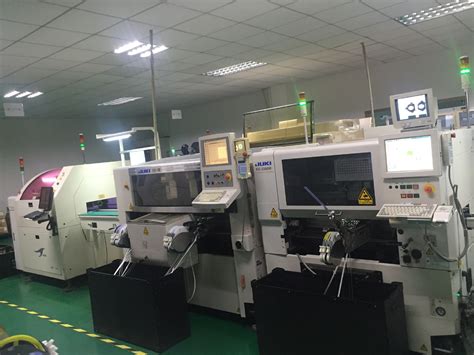
Maximizing Efficiency in Circuit Board Contract Manufacturing
Key Takeaways
In the realm of pcb manufacturing, recognizing the importance of efficiency can lead to significant improvements in your operations. Understanding the various aspects of pcb manufacturing companies allows you to identify best practices that streamline processes and enhance productivity. For instance, optimizing the pcb manufacturing cost involves evaluating each phase of production, from design to assembly, ensuring minimal waste and maximum output. It is also essential to incorporate advanced technologies that improve accuracy and reduce lead times. By focusing on effective supply chain management, you can manage resources better, fostering a seamless transition from supplier to manufacturer. As you engage with your pcb manufacturing business, consider how these strategies will not only boost performance but also position you competitively in a market that demands both quality and cost efficiency. Prioritizing these key takeaways will empower you to optimize your pcb manufacturing processes, ultimately leading to sustained growth and success in an increasingly demanding industry.
Introduction to Circuit Board Contract Manufacturing
Circuit board contract manufacturing plays a crucial role in the technology landscape, providing essential services for companies needing PCB manufacturing solutions. By outsourcing production to specialized PCB manufacturing companies, you can leverage their expertise and resources, allowing you to focus on your core business activities. Understanding the nuances of the PCB manufacturing business can significantly influence your operations and impact pcb manufacturing cost. Efficiency in this field translates to faster turnarounds, reduced waste, and ultimately lower costs. With advances in technology and optimized production processes, you can enhance your competitive edge while meeting the increasing demands of the market. It’s essential to recognize how effective supply chain management contributes not only to efficiency but also to maintaining high-quality standards throughout the circuit board contract manufacturing process. This multifaceted approach ensures that you are equipped to tackle challenges and seize opportunities in an ever-evolving industry.
| Key Factors in PCB Manufacturing | Impact on Efficiency |
|---|---|
| Technology Integration | Streamlined processes |
| Production Best Practices | Reduced lead times |
| Supply Chain Management | Cost-effectiveness |
By understanding these key factors, you can make informed decisions that enhance your operations and lead to greater success in circuit board contract manufacturing.
Importance of Efficiency in Production Processes
In the realm of pcb manufacturing, efficiency holds paramount importance as it directly influences the overall success of your pcb manufacturing business. By focusing on enhancing production processes, you can significantly improve output while minimizing waste and errors. This not only leads to a reduction in pcb manufacturing costs but also meets customer demands for timely delivery without compromising quality. To achieve this, you should consider integrating methodologies such as Lean manufacturing and Six Sigma, which focus on streamlining operations and identifying bottlenecks in your workflow. Additionally, collaborating with reputable pcb manufacturing companies can offer valuable insights into best practices that have proven effective in similar settings. By emphasizing a culture of continuous improvement and adopting automation where feasible, you can optimize your production processes, ensuring that your business remains competitive and capable of meeting the dynamic demands of the electronics industry.
Best Practices for Streamlining Circuit Board Manufacturing
To effectively enhance efficiency in pcb manufacturing, it is crucial to adopt well-defined best practices that streamline the production process. Start by meticulously analyzing the flow of materials and information through your facility. This analysis will enable you to identify bottlenecks and areas of waste that can be addressed. One approach is to implement lean manufacturing principles, focusing on minimizing waste while maximizing value. Additionally, fostering a culture of continuous improvement among your team is essential; encouraging employees to share their insights can lead to innovative solutions that reduce the pcb manufacturing cost efficiently.
Investing in training for your workforce should not be overlooked. Providing your team with the right skills and knowledge about modern techniques can greatly enhance overall productivity and outcomes in the pcb manufacturing business. Furthermore, partnering with reputable pcb manufacturing companies can provide access to advanced technology that enhances operational capabilities, improving speed and accuracy. For detailed insights into potential partnerships, consider exploring options like Andwin PCB, which offers valuable resources for circuit board production.
Finally, regularly reviewing performance metrics will help you gauge effectiveness and highlight areas for improvement. Gathering data on cycle times, defect rates, and overall equipment effectiveness (OEE) provides a roadmap for continuous enhancement of your processes and ensures you remain competitive in the fast-evolving landscape of circuit board production.
Leveraging Technology for Enhanced Productivity
In today’s dynamic landscape of pcb manufacturing, integrating advanced technology is paramount for boosting overall productivity. You can enhance operational efficiency by adopting automated processes, which reduce human error and speed up production timelines. For instance, utilizing machine learning algorithms can optimize pcb manufacturing processes, enabling predictive maintenance on equipment. This not only minimizes downtime but also ensures a more reliable flow of production, enhancing the capabilities of pcb manufacturing companies to meet tight deadlines and high-quality standards.
Furthermore, investing in modern pcb manufacturing technology such as IoT-enabled devices can provide real-time data on production metrics. This real-time monitoring allows for immediate adjustments in manufacturing lines, significantly improving workflow and throughput. By employing advanced software solutions for inventory management, you can streamline your supply chain operations, leading to more effective procurement strategies that reduce the overall pcb manufacturing cost. This synergy between technology and production not only fosters a more responsive approach to customer needs but also positions your pcb manufacturing business as a leader in efficiency and innovation in the competitive market.
Ultimately, leveraging cutting-edge technology is not just an operational choice; it is a strategic imperative that empowers you to enhance productivity while navigating the complexities of circuit board contract manufacturing.
Supply Chain Management: Key to Optimizing Performance
In the realm of pcb manufacturing, effective supply chain management is essential for optimizing performance and achieving superior results. By meticulously overseeing the entire supply chain process, from procuring raw materials to delivering finished products, you can significantly enhance operational efficiency. Consider collaborating with reliable pcb manufacturing companies that prioritize transparency and communication throughout the supply chain. This collaboration ensures that any potential disruptions are swiftly addressed, minimizing delays and maintaining production schedules.
Implementing just-in-time inventory strategies can also lead to substantial improvements in your pcb manufacturing business. By reducing excess inventory and associated carrying costs, you will not only streamline your operations but also reduce your overall pcb manufacturing cost. Additionally, leveraging advanced software solutions can provide real-time data analytics, helping you to track inventory levels and forecast demand with greater accuracy.
“A well-organized supply chain is the backbone of any successful manufacturing operation.”
Enhancing vendor relationships is another pivotal aspect; fostering strong partnerships with suppliers can lead to better pricing agreements and quality materials. By aligning goals with suppliers, you’ll create a more responsive supply chain capable of adapting quickly to changes in demand or production needs. In short, prioritizing supply chain management allows you to unlock significant efficiencies in your pcb manufacturing processes while simultaneously driving down costs and improving product quality.
Cost Reduction Strategies in Circuit Board Manufacturing
Reducing costs in pcb manufacturing is essential for maintaining competitiveness in an ever-evolving market. One effective strategy involves optimizing production processes; this can be achieved by embracing techniques like lean manufacturing, which focuses on minimizing waste while maximizing productivity. By analyzing each stage of the production line, you can identify areas for improvement, ensuring that every resource is used efficiently. Furthermore, collaborating with reputable pcb manufacturing companies allows you to leverage their expertise and established practices, often leading to reduced pcb manufacturing costs. Another crucial aspect is the integration of advanced technology; adopting automation and innovative tools can streamline operations significantly. For instance, using automated assembly systems not only enhances the speed but also improves the precision of assembly tasks. Lastly, establishing a robust supply chain management system is vital; maintaining strong relationships with suppliers and optimizing inventory levels can alleviate unnecessary expenses, ensuring that your pcb manufacturing business operates smoothly and cost-effectively. By implementing these strategies, you can create a more economical and efficient manufacturing environment that supports your business’s long-term success.
Case Studies: Successful Efficiency Implementations
In exploring successful implementations of efficiency in pcb manufacturing, several notable case studies stand out, providing valuable insights into strategies that have yielded positive results. One prominent example can be found in a leading pcb manufacturing company that adopted advanced automation technologies to streamline its production processes. By integrating smart manufacturing systems, this company was able to significantly reduce manual labor while enhancing precision in every stage of production. The result? A remarkable decrease in pcb manufacturing costs, along with improved turnaround times for client orders.
Additionally, another case study highlights the significance of effective supply chain management in the pcb manufacturing business. This company revamped its supplier engagement strategies, fostering closer relationships and clearer communication with key suppliers. As a result, they were able to optimize material flow and minimize delays, directly impacting productivity levels and ultimately leading to a more competitive edge in the market.
These examples illustrate that by employing strategic methodologies—whether through technology integration or supply chain enhancements—companies can not only improve their operational efficiency but also position themselves favorably within the pcb manufacturing landscape. The lessons drawn from these case studies reinforce the idea that focusing on efficiency is not merely a choice but an essential component for success in today’s dynamic market.
Future Trends in Circuit Board Contract Manufacturing
As you navigate the evolving landscape of pcb manufacturing, being aware of the latest trends can significantly benefit your pcb manufacturing business. One notable shift is the growing emphasis on automation and artificial intelligence in production processes. These technologies can streamline operations, increase accuracy, and ultimately reduce pcb manufacturing cost by minimizing errors and waste. Moreover, sustainability is becoming a key focus for many pcb manufacturing companies. Initiatives aimed at reducing carbon footprints and employing eco-friendly materials are not just trends but necessities in staying competitive in today’s market. Additionally, the integration of advanced analytics is empowering businesses to forecast demand better, optimize inventory levels, and improve overall supply chain management. As these trends continue to shape the industry, your ability to adapt and innovate will be crucial in maintaining a competitive edge in circuit board contract manufacturing.
Conclusion
In the realm of pcb manufacturing, enhancing efficiency emerges as a pivotal strategy for businesses aiming to thrive in a competitive landscape. By focusing on established best practices, such as optimizing production processes and integrating advanced technologies, you can significantly lower your pcb manufacturing costs. Partnering with reliable pcb manufacturing companies not only contributes to streamlined operations but also ensures that your supply chain management practices are robust and responsive. These optimizations play a crucial role in maintaining high standards of quality while pushing toward innovation. As you navigate the ever-evolving pcb manufacturing business, understanding the nuances of effective supply chain management becomes essential, leading to improved performance and reduced operational costs. Embracing future trends in this industry allows you to stay ahead of the curve, positioning your business favorably for growth and sustainability.
FAQs
What are the key factors that affect pcb manufacturing costs?
The pcb manufacturing cost is influenced by several factors, including material quality, complexity of the design, production volume, and selected technologies. Understanding these elements can help you better estimate your budget when working with pcb manufacturing companies.
How can I choose the right pcb manufacturing company for my project?
Identifying the right pcb manufacturing companies requires evaluating their expertise in the specific types of boards you need. Look for their production capabilities, customer reviews, and past projects to ensure they align with your business requirements.
What best practices should I follow to streamline my pcb manufacturing processes?
To enhance efficiency in your pcb manufacturing business, consider adopting lean manufacturing principles, standardizing processes, and utilizing automation where possible. These strategies can significantly reduce waste and increase output quality.
How does technology integration impact pcb manufacturing efficiency?
Integrating advanced technologies such as computer-aided design (CAD) software and automated assembly lines plays a crucial role in enhancing productivity. By implementing such technologies, you can reduce lead times and improve precision in your pcb manufacturing business.
What are some common challenges faced in circuit board contract manufacturing, and how can they be overcome?
Common challenges include supply chain disruptions and quality control issues. Addressing these through effective supply chain management strategies and rigorous testing protocols is essential to maintaining high standards in your pcb manufacturing processes.
If you’re interested in elevating your knowledge further on this subject, please click here: Andwin PCB Manufacturing