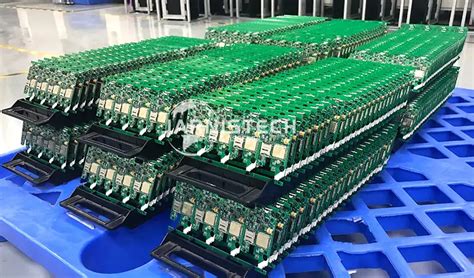
Maximizing Efficiency in High Volume PCB Production Strategies

Key Takeaways
When engaging in high volume PCB production, understanding the intricacies of the PCB manufacturing process is critical to your success. You need to consider how your choices can impact both the PCB manufacturing cost and the overall efficiency of your operations. Utilizing best practices such as automating assembly lines and employing advanced inspection technologies can significantly streamline your processes. Furthermore, choosing the right PCB manufacturing companies can provide invaluable support in technology integration, thereby enhancing your production capabilities.
For instance, when researching potential partners in your PCB manufacturing business, reviewing their previous projects and case studies can offer insights into their reliability and expertise. Implementing a thorough evaluation process can help you identify which companies align best with your production goals.
In summary, by prioritizing efficiency within your PCB strategies and fostering strong relationships with key suppliers, you position yourself to meet growing demands effectively while keeping costs manageable. Here’s a quick overview of some action points:
| Strategy | Key Benefit |
|---|---|
| Automate Assembly | Reduces labor costs and increases output |
| Advanced Inspection Technology | Enhances product quality |
| Strategic Partnerships | Improves resource availability |
By adopting these approaches, you not only enhance productivity but also ensure that you are well-prepared to navigate the complexities of high volume PCB production in a competitive market.

Introduction to High Volume PCB Production
In today’s rapidly evolving electronics landscape, high volume PCB production is critical for organizations looking to maintain a competitive edge. As you explore various aspects of pcb manufacturing, understanding the dynamics of this domain will aid in your overall strategy. High volume environments demand precise coordination of resources and processes, impacting the pcb manufacturing cost significantly. Effective management ensures that your production processes are efficient, minimizing waste and maximizing output.
To thrive in the competitive arena of pcb manufacturing companies, it’s vital to embrace best practices tailored to high volume outputs. This includes adopting a flexible approach to assembly, which allows for adjustments according to fluctuating market demands. Investing in advanced technologies can also play a crucial role in streamlining operations; automation in particular can drastically reduce manual errors while increasing production speed.
“Efficiency is doing better what is already being done.” – Peter Drucker
You should continuously evaluate your workflow and make necessary adjustments to optimize it for enhanced productivity. Furthermore, it’s essential to engage with reputable partners in the pcb manufacturing business who understand the unique challenges associated with high volume production. By collaborating effectively with these partners, you can mitigate risks and streamline your operations, ensuring that you meet customer expectations without compromising quality. Engaging with high volume PCB production experts can provide insights that refine your strategies and help navigate complexities specific to this industry. For additional resources on improving efficiency within your organization’s PCB manufacturing processes, consider visiting Andwin PCB.
Best Practices for Streamlining PCB Assembly
To enhance efficiency in PCB manufacturing, it is crucial to adopt best practices that streamline your assembly processes. One effective approach is to establish a well-defined workflow. By mapping out each step of the assembly process, you can identify bottlenecks and areas for improvement that could affect your PCB manufacturing cost. Implementing automation is also a great way to increase productivity; for instance, using automated pick-and-place machines can significantly speed up component placement while ensuring precision. Furthermore, maintaining a close collaboration with your suppliers, especially those among PCB manufacturing companies, can help ensure that you receive quality components on time, reducing delays in production schedules. Another important practice is employee training; ensuring that your team is well-versed in the latest techniques and technologies will enhance their efficiency and contribute to overall quality in your PCB manufacturing business. In essence, integrating these best practices not only boosts productivity but also positions you competitively in a demanding market.
Technology Integration in High Volume Environments
In the realm of high volume PCB production, the integration of advanced technology is not merely an option; it has become a necessity. As you venture into PCB manufacturing, embracing automation and innovative solutions is vital for improving efficiency and reducing costs. For instance, utilizing automated assembly machines can dramatically decrease assembly time while ensuring high precision in soldering, which is essential for meeting the increasing demands of your PCB manufacturing business. Moreover, implementing robust software systems for inventory management can aid in minimizing material waste, thereby optimizing the overall pcb manufacturing cost. It’s also beneficial to collaborate with reputable pcb manufacturing companies that offer state-of-the-art technology and expertise, as this can enhance your production capabilities significantly. By leveraging these innovative technologies and practices, you will not only improve output but also position your business to adapt swiftly to market changes, ultimately ensuring sustainable growth in the competitive landscape of PCB production.

Optimizing Workflow for Enhanced Efficiency
In the realm of high volume PCB production, optimizing your workflow is crucial to enhancing overall efficiency. By streamlining processes in your PCB manufacturing business, you can significantly reduce turnaround times and minimize PCB manufacturing costs. Start by analyzing each step of your current workflow to identify bottlenecks and inefficiencies. Implementing a lean manufacturing approach can be beneficial, as it emphasizes waste reduction and focuses on adding value at every stage of the process. Additionally, consider upgrading your technology by integrating automation where possible; this can enhance the accuracy and speed of production, allowing you to meet the rising demands expected from PCB manufacturing companies in today’s competitive market. It’s also essential to foster collaboration among teams, ensuring that communication flows smoothly and everyone understands their roles in the PCB manufacturing process. Training employees regularly on best practices will empower them to handle tasks more effectively, further boosting productivity. Overall, by focusing on these areas, you can create a more efficient workflow that not only meets production goals but also establishes a strong foundation for future growth in your business.
Challenges in High Volume PCB Production and Solutions
In the fast-paced world of pcb manufacturing, various challenges can significantly impact your efficiency and output. One prominent issue is the pcb manufacturing cost, which can escalate quickly if not managed properly. As you strive to keep expenses in check, collaborating with reputable pcb manufacturing companies can provide you with invaluable insights into cost-saving technologies and practices. Additionally, maintaining a consistent workflow in high volume environments is critical; any hiccup may lead to delays that affect deadlines and client satisfaction. To tackle these workflow disruptions, you may consider implementing advanced software solutions that streamline processes and enhance communication among team members. Another significant challenge arises from the demand for high-quality standards; ensuring that your products meet industry specifications while still producing at scale is no easy feat. This dilemma can be mitigated by employing robust quality assurance measures throughout the pcb manufacturing business cycle. By adopting an integrated approach to these challenges, you can not only improve your production efficiency but also position your business for long-term success in a competitive marketplace.
Case Studies: Successful Implementation of Efficiency Strategies
Exploring real-world examples of high volume PCB production reveals how various PCB manufacturing companies have navigated efficiency challenges. Consider the case of a leading PCB manufacturing business that utilized advanced automation solutions to reduce production cycle times. By integrating state-of-the-art assembly lines and employing AI-driven quality inspection systems, they significantly decreased the PCB manufacturing cost without compromising quality. Another exemplary case highlights a company that embraced collaborative workflows, enhancing communication between engineering and production teams. This synergy resulted in faster design iterations, ultimately leading to improved throughput and adaptability to emerging market demands. Through these instances, it’s evident that adopting innovative strategies not only boosts operational efficiency but also positions companies favorably in a competitive landscape, further underscoring the importance of continually reassessing and upgrading their efficiency tactics in high volume PCB production environments.
Future Trends in High Volume PCB Manufacturing
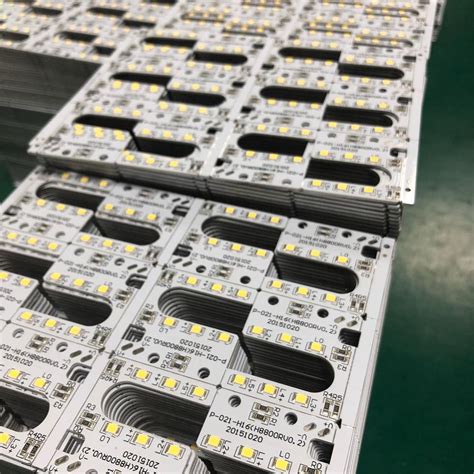
As you look toward the future of high volume PCB manufacturing, several trends promise to reshape the landscape of the industry. One significant development is the increasing adoption of automated processes within PCB manufacturing companies. Automation not only enhances precision but significantly reduces labor costs, leading to a more competitive pcb manufacturing cost. With advancements in robotics and artificial intelligence, the reliance on manual labor will diminish, allowing for improved consistency and productivity.
Moreover, the industry is witnessing a significant shift towards sustainable practices. Companies are becoming more committed to environmentally friendly materials and processes, responding to consumer demands for greener products. This commitment includes utilizing recyclable materials and adopting energy-efficient manufacturing techniques that minimize waste. As a result, you’ll find that these strategies not only meet consumer expectations but can also lead to substantial savings in your pcb manufacturing business.
Another important trend is the integration of IoT (Internet of Things) technologies. By connecting machines and systems, real-time data collection can enhance decision-making processes and streamline operations. This connectivity allows you to monitor production efficiency closely and make timely adjustments as needed. Such innovations will ultimately help you respond swiftly to market demands and improve overall productivity.
Furthermore, as customer requirements shift towards more customized solutions with shorter lead times, Flexibility in PCB design becomes crucial. The ability to quickly adapt designs without extensive re-tooling could become a defining factor for success among pcb manufacturing companies in this competitive market.
In summary, staying ahead in high volume PCB manufacturing requires an understanding of these evolving trends. Embracing automation, sustainability, IoT integration, and design flexibility can help enhance your operational efficiency and meet growing industry expectations effectively.
Conclusion
In the fast-evolving landscape of pcb manufacturing, it becomes crucial for you to implement effective strategies that not only enhance productivity but also manage the pcb manufacturing cost efficiently. As you navigate the complexities of high volume pcb production, focusing on best practices becomes essential. For instance, collaborating with reputable pcb manufacturing companies ensures you receive quality components, which in turn positively affects your overall production process. Additionally, leveraging technology, such as automation and data analytics, allows for real-time monitoring and adjustments to your workflow. This level of integration significantly reduces operational delays and improves output, enabling your pcb manufacturing business to meet increasing market demands. Staying informed about future trends and actively addressing challenges will further position your operations for success in this competitive industry. Ultimately, by prioritizing efficiency, you are not just responding to the current landscape but also paving the way for sustainable growth in your endeavors.
FAQs
What is high volume PCB production?
High volume PCB production refers to the manufacturing of printed circuit boards in large quantities, which is essential for meeting demands in various electronic devices.
How do I select the right PCB manufacturing companies?
To select the right PCB manufacturing companies, consider their reputation, capacity to handle large orders, quality assurance processes, and previous project experiences.
What factors influence PCB manufacturing cost?
The PCB manufacturing cost can be influenced by materials used, complexity of the designs, quantity ordered, and additional finishing processes required.
How can I optimize my PCB manufacturing business?
You can optimize your PCB manufacturing business by implementing streamlined workflows, investing in modern technology, and fostering effective communication between teams involved in production.
What challenges might I face in high volume PCB production?
Challenges may include managing supply chain disruptions, maintaining quality control at scale, and efficiently meeting tight deadlines without compromising on standards.
By understanding these aspects of pcb manufacturing, you will be better equipped to enhance productivity and address common challenges effectively.