Maximizing Efficiency in Printed Circuit Assembly Processes
Key Takeaways
Maximizing efficiency in pcb assembly processes is crucial for staying competitive in the manufacturing landscape. One fundamental takeaway is the importance of understanding the intricacies of pcba design and assembly. By streamlining these processes and adopting innovative techniques, manufacturers can significantly enhance productivity. For instance, incorporating advanced technologies such as automated optical inspection (AOI) and automated pick-and-place systems can drastically reduce errors and improve throughput.
Additionally, daily operations can benefit from best practices like meticulous planning of the assembly line layout to minimize material handling time. It’s also essential to foster a culture that encourages continuous improvement; employees should be empowered to share insights on efficiency enhancements.
“Investing in training for personnel can lead to notable advancements in assembly efficiency,” experts suggest, highlighting the human aspect of technology integration in pcb assembly.
Finally, regular quality control measures should not be overlooked, as they are vital in ensuring that efficiency gains do not compromise product reliability. Adopting a holistic approach combining innovative techniques, rigorous quality checks, and seamless technology integration positions manufacturers to achieve remarkable efficiencies while effectively managing costs in pcba processes.
Understanding the Basics of Printed Circuit Assembly
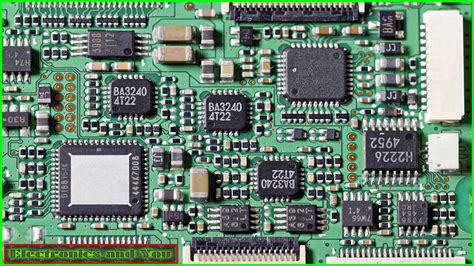
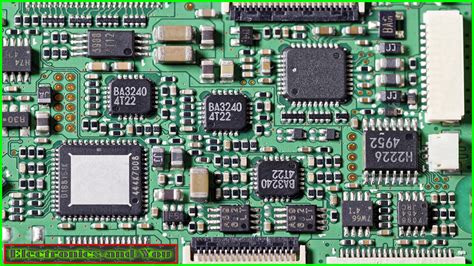
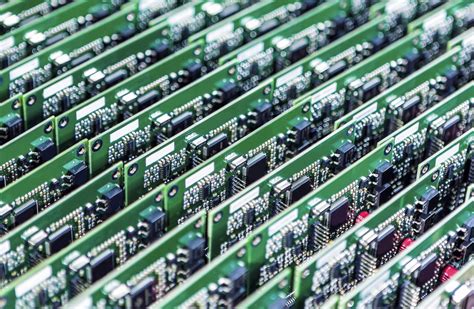
Printed Circuit Assembly (PCA), often referred to as PCB assembly (PCBA), is a fundamental process in the electronics manufacturing sector. This process involves the integration of electronic components onto a printed circuit board (PCB) to create a functional electronic device. Understanding the basic concepts of PCBA is crucial for anyone involved in the production and design of electronic systems. At its core, printed circuit assembly encompasses several key stages: designing the PCB layout, placing components accurately, soldering them to establish electrical connections, and finally testing for functionality. While traditional methods have been predominant in PCA, recent advancements have introduced innovative techniques that improve the precision and speed of assembly. For example, employing surface mount technology (SMT) allows for smaller components to be placed with greater accuracy, resulting in higher density and reduced board size. Additionally, maintaining high-quality standards during PCBA is essential; regular inspections and testing help mitigate defects that could compromise device performance. Embracing these practices not only optimizes efficiency but also significantly reduces manufacturing costs, making understanding pcb assembly processes vital for businesses aiming to stay competitive in a rapidly evolving market.
Innovative Techniques for Enhancing Efficiency
In the realm of PCB assembly (printed circuit board assembly), enhancing efficiency is crucial for meeting the demands of modern manufacturing. One innovative technique involves the use of advanced placement machines, which utilize high-speed vision systems to identify and place components accurately. This not only minimizes errors but also speeds up the overall production process. Another effective strategy is the implementation of automated optical inspection (AOI) systems, allowing for real-time quality checks to identify defects early in the PCBA (printed circuit board assembly) workflow.
Additionally, embracing modular production lines can significantly enhance flexibility in manufacturing. These setups allow for quick adjustments to production schedules and configurations, accommodating varying project needs without extensive downtime. Furthermore, adopting lean manufacturing principles can streamline processes by eliminating waste and optimizing resource usage.
| Technology | Benefits |
|---|---|
| Advanced Placement Machines | Enhanced speed and accuracy |
| Automated Optical Inspection | Early defect detection |
| Modular Production Lines | Flexibility and rapid reconfiguration |
| Lean Manufacturing | Waste reduction and resource optimization |
By integrating these innovative techniques into pcb assembly processes, manufacturers can not only boost efficiency but also achieve significant cost savings while maintaining high-quality standards. Adopting a proactive approach to these advancements ensures that companies remain competitive in a rapidly evolving industry landscape.
Best Practices in Printed Circuit Assembly Processes
Maximizing efficiency in pcb assembly processes requires a deep understanding of best practices that can streamline operations and enhance productivity. One crucial practice is to establish a clear workflow that minimizes unnecessary movement and optimizes the use of resources. This can be achieved by strategically organizing tools and components to reduce the time operators spend searching for materials. Another important aspect is implementing standardized procedures for each stage of the pcba process, ensuring that every team member follows consistent methods which not only enhance quality but also speed up production. Additionally, investing in employee training is vital; well-trained personnel are more adept at handling tasks efficiently and can quickly adapt to changes in technology or production demands. Utilizing advanced technologies, such as automated systems, can further improve efficiency by reducing manual errors and increasing production speed. Moreover, regular maintenance of equipment prevents delays caused by breakdowns. By adhering to these best practices, manufacturers can significantly enhance their printed circuit assembly processes while simultaneously reducing costs and improving overall quality.
The Role of Automation in PCB Assembly
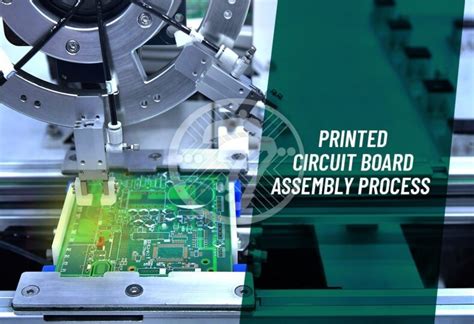
Automation plays a pivotal role in enhancing the efficiency of PCB assembly processes. By integrating advanced technologies such as robotics and artificial intelligence, manufacturers can significantly streamline various stages of the PCBA workflow. Automated systems can handle repetitive tasks with precision, ensuring consistent quality while minimizing human error. Furthermore, the speed at which automated machines operate often surpasses manual labor, allowing for faster turnaround times and increased production rates. This acceleration not only reduces manufacturing lead times but also optimizes resource allocation, enabling teams to focus on more complex and creative aspects of pcb assembly. In addition to improving speed and accuracy, automation can facilitate real-time monitoring of assembly lines, providing valuable data that can be analyzed for continuous improvement efforts. Ultimately, the role of automation in PCB assembly signifies a shift towards more efficient operations that are essential for meeting market demands and maintaining competitive advantage in an ever-evolving industry landscape.
Integrating Technology for Cost Reduction
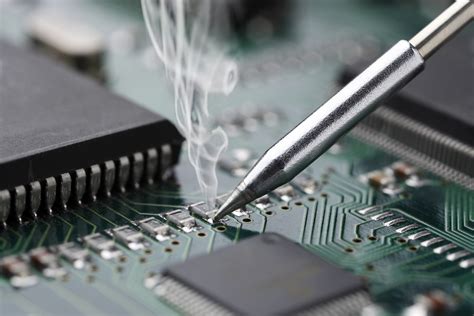
The integration of advanced technology in pcb assembly processes can significantly drive cost reduction while enhancing overall efficiency. Employing state-of-the-art software for pcba design can streamline production workflows, allowing for more precise data management and real-time monitoring. Additionally, the implementation of automation technologies, including robotic assembly and automated optical inspection (AOI), minimizes manual labor and reduces the potential for human error, which often leads to costly rework. Furthermore, utilizing data analytics helps in identifying bottlenecks and inefficiencies within the production line, enabling manufacturers to make informed decisions on resource allocation. By embracing tools such as the Internet of Things (IoT) and Machine Learning (ML), companies can also predict maintenance needs ahead of time, thus avoiding unexpected downtimes that could disrupt production schedules. This cohesive blend of innovation within the pcb assembly process not only lowers operational costs but also aligns with sustainable practices by reducing waste and energy consumption. Overall, a strategic approach to technology integration paves the way toward a more economically feasible future in pcba manufacturing.
Quality Control Measures in PCB Manufacturing
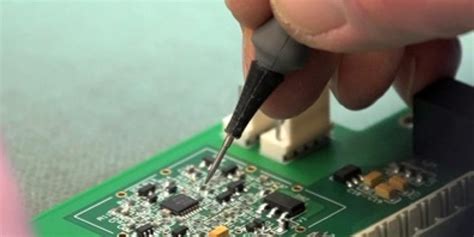
Effective quality control measures are paramount in the pcb assembly process, ensuring that every printed circuit-board assembly (PCBA) meets rigorous standards for performance and reliability. A crucial aspect of quality control is the implementation of automated inspection systems that utilize advanced imaging technologies to detect defects at various stages of production. These systems can identify issues such as solder joint integrity, component placement accuracy, and trace continuity, significantly reducing the likelihood of costly recalls or reworks. In addition, adhering to IPC standards—the global standards for electronic manufacturing—further promotes quality assurance within the pcb assembly process. Another critical measure involves conducting regular training sessions for technicians; well-trained personnel are adept at identifying potential issues and ensuring adherence to best practices throughout the manufacturing process. By combining human expertise with state-of-the-art technology, companies can achieve a robust quality control framework that not only enhances product integrity but also streamlines operations, ultimately leading to improved efficiency in pcba manufacturing.
Case Studies: Successful Efficiency Improvements
In examining the landscape of pcb assembly, several case studies highlight successful strategies that companies have employed to enhance their pcba processes. For instance, a leading electronics manufacturer implemented a systematic review of their assembly line, focusing on workflow optimization. By deploying real-time data analytics, they were able to pinpoint bottlenecks that previously hampered productivity. As a result, the manufacturer reduced cycle times by 25%, leading to significant cost savings and increased output. Another compelling example comes from a small-scale producer who integrated advanced robotics into their printed circuit assembly line. The introduction of these automated systems not only streamlined production but also improved precision in soldering, thus minimizing defects and rework. This shift contributed to a 30% reduction in overall production costs while enhancing product quality. These case studies illustrate that through strategic decision-making and technology adoption, businesses can markedly improve efficiency in their pcba processes while maintaining high standards of quality and performance. As companies continue to navigate the evolving landscape of electronics manufacturing, these success stories serve as vital benchmarks for future improvements in printed circuit assembly practices.
Future Trends in Printed Circuit Assembly
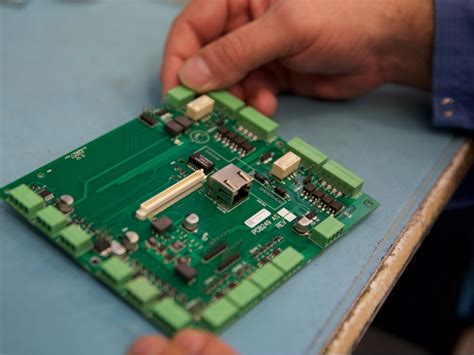
As the landscape of pcb assembly continues to evolve, several key trends are emerging that promise to reshape the industry. One significant movement is towards increased automation, which enables faster and more reliable pcba processes. This shift not only enhances production speed but also improves the consistency and quality of manufactured products. Furthermore, the integration of smart technologies, such as artificial intelligence and machine learning, is facilitating predictive maintenance and real-time quality control, thereby reducing downtime and enhancing overall productivity. Another noteworthy trend is the growing emphasis on sustainability within printed circuit assembly. Manufacturers are increasingly adopting eco-friendly materials and processes to minimize waste and energy consumption, aligning with global environmental goals. Additionally, the use of advanced materials, such as flexible circuits and high-density interconnects (HDI), is becoming more prevalent, allowing for the design of smaller yet more powerful electronic devices. As these trends advance, they promise not only to increase efficiency in pcb assembly but also to drive innovation across various sectors reliant on electronic manufacturing. The combination of these elements will significantly influence how companies approach their pcba strategies in the coming years.
Conclusion
In conclusion, maximizing efficiency in pcb assembly processes is crucial for manufacturers looking to optimize their production lines and reduce operational costs. Adopting innovative techniques and best practices can significantly enhance the quality and speed of pcba operations. Automation plays a vital role, allowing for improved precision and consistency, which minimizes errors that can lead to wasted resources. Furthermore, integrating advanced technology into the assembly process not only streamlines workflow but also supports cost reduction initiatives. By focusing on quality control measures, manufacturers can ensure that every unit produced meets high standards, thereby fostering customer satisfaction and loyalty. As the industry evolves, keeping an eye on future trends in printed circuit assembly will be essential for sustaining competitive advantage and achieving long-term success. Emphasizing these strategies will help organizations navigate the complexities of modern manufacturing while enhancing their overall productivity in the ever-evolving landscape of electronic assembly.
FAQs
What is PCB assembly (PCBA)?
PCB assembly, often referred to as PCBA, is the process of assembling electronic components onto a printed circuit board (PCB) to create a functional electronic device. This process includes the insertion of components, soldering, and sometimes additional steps such as testing and quality assurance.
What are the common techniques used in PCB assembly to enhance efficiency?
Common techniques for enhancing pcb assembly efficiency include automated placement systems, advanced soldering methods like reflow and wave soldering, and the implementation of lean manufacturing practices that reduce waste and streamline processes.
How does automation impact PCB assembly processes?
Automation significantly improves the accuracy and speed of pcb assembly, reducing human error while allowing for higher production volumes. By employing automated systems for component placement and inspection, manufacturers can achieve consistent results with less manual intervention.
What role does technology play in reducing costs in PCBA?
Integrating advanced technologies such as smart machinery, real-time monitoring systems, and data analytics can lead to significant cost reductions in PCBA. These technologies help in identifying inefficiencies and minimizing material wastage.
What are some quality control measures used in PCB manufacturing?
Quality control measures include rigorous testing at multiple stages of the pcb assembly process, such as visual inspection, functional testing, and stress testing. These measures ensure that products meet set quality standards before reaching the market.
For more information regarding pcb assembly, please click here.