Maximizing Production Flow Using PCB Assembly Racks
Key Takeaways
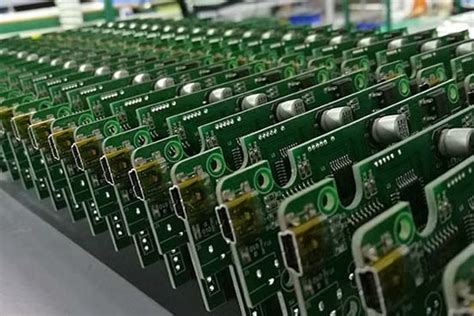
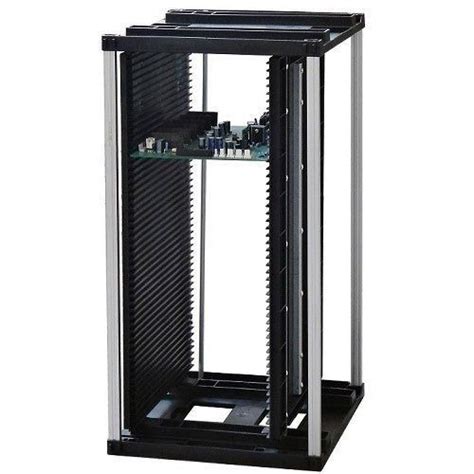
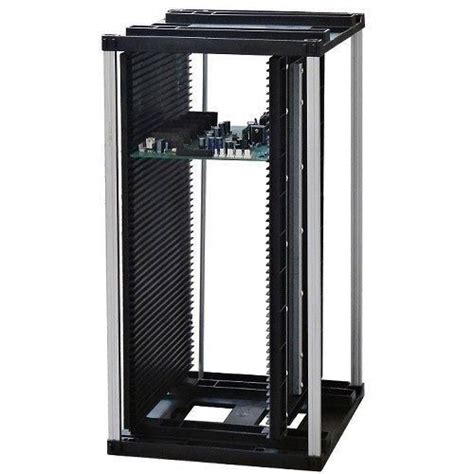
Utilizing pcb assembly racks can significantly enhance production efficiency in various manufacturing environments. These racks serve as a structured solution for organizing pcba components and assemblies, allowing for a streamlined workflow. By providing designated spaces for materials, they help reduce the clutter often associated with production lines. This organization minimizes the time operators spend searching for parts, which in turn decreases downtime. Another noteworthy advantage of pcb assembly racks is their ability to facilitate a smoother transition of materials throughout different production stages. When properly implemented, these racks optimize the flow of work-in-progress items, ensuring that operators have immediate access to the tools and components they require.
| Benefit | Impact on Production |
|---|---|
| Enhanced Organization | Reduces time spent searching |
| Minimized Downtime | Increases overall productivity |
| Improved Workflow | Streamlines operations |
| Better Space Utilization | Maximizes floor space efficiency |
Moreover, when it comes to best practices for implementation, manufacturers must consider factors such as rack placement and accessibility. By strategically positioning pcb assembly racks, companies can maintain a fluid operational flow while ensuring that productivity peaks at optimal levels. Overall, the integration of these racks symbolizes a thoughtful approach to modern manufacturing challenges, ensuring that assembly processes are not only efficient but also sustainable in the long term.
Understanding PCB Assembly Racks: A Guide to Production Efficiency
PCB assembly racks play a pivotal role in enhancing the efficiency of manufacturing operations, particularly in the context of PCBA processes. By providing a structured space for storing and organizing components and assemblies, these racks significantly optimize workflow. The arrangement of materials on pcb assembly racks allows operators to quickly access needed items, reducing search time and minimizing interruptions during production. This organization not only streamlines daily operations but also promotes a safer working environment by reducing clutter.
Implementing these systems can lead to measurable improvements in productivity. For instance, studies have shown that well-organized PCBA workspaces can decrease production cycle times by as much as 30%, making a compelling case for the adoption of effective organizational tools like pcb assembly racks. Moreover, creating designated areas within the manufacturing floor contributes to better inventory management and reduces the likelihood of material loss or damage.
“Investing in efficient organization is investing in your company’s future,” a manufacturing expert once stated, reflecting the essential nature of utilizing tools that enhance production flow. In sum, understanding and incorporating proper assembly rack systems not only aids operational efficiency but also fosters a culture of excellence within manufacturing settings.
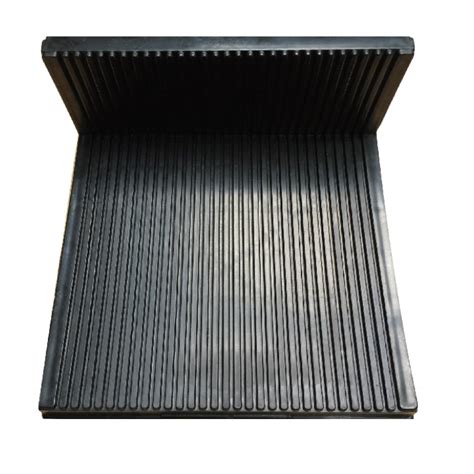
The Role of PCB Assembly Racks in Optimizing Workflow
PCB assembly racks play a pivotal role in enhancing production efficiency within manufacturing environments. By systematically organizing the workflow, these racks facilitate a streamlined process that ensures that all components necessary for PCBA (Printed Circuit Board Assembly) are readily accessible. This optimal arrangement not only minimizes search time for materials but also serves to reduce the risk of errors during assembly. When all tools and components are neatly housed within designated pcb assembly racks, the movement of personnel becomes more fluid, fostering an environment where tasks can be executed more quickly and effectively. Furthermore, these racks often exhibit features like adjustable shelving and modular designs, allowing for customization based on specific production needs. The integration of PCB assembly racks significantly contributes to reducing bottlenecks, which can lead to increased productivity and a more effective use of resources overall. In conclusion, the strategic implementation of these racks in production areas can lead to enhanced team collaboration and improved operational efficiency, proving them to be indispensable tools in modern manufacturing practices.
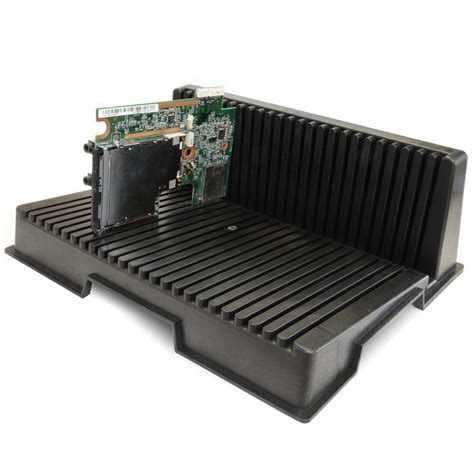
Reducing Downtime: How PCB Assembly Racks Transform Operations
In the fast-paced world of electronics manufacturing, reducing downtime is paramount to maintaining efficiency and productivity. PCB assembly racks play a crucial role in this endeavor by optimizing the layout and flow of production environments. By providing a structured system for organizing various components and tools, these racks not only enhance accessibility but also streamline operations, thereby minimizing the time spent searching for essential items. As a result, workers can transition between tasks more seamlessly, which contributes directly to reduced idle time.
The thoughtful design of pcb assembly racks allows for the efficient placement of materials according to the needs of different assembly lines, ensuring that each workstation remains well-equipped without clutter. Furthermore, incorporating these systems translates to fewer interruptions in workflow, as employees spend less time retrieving materials or dealing with disorganization. By embracing pcba techniques alongside well-implemented PCB assembly racks, manufacturers can create an environment where every second counts toward productivity. This transformation not only affects individual operations but also has a significant cumulative effect on overall production efficiency, highlighting the essential nature of incorporating these innovative solutions into modern manufacturing scenarios.
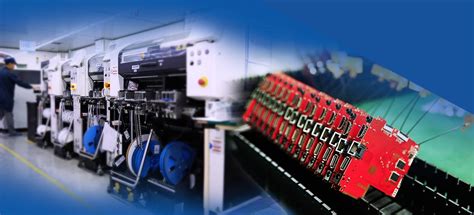
Best Practices for Implementing PCB Assembly Racks in Manufacturing
Implementing PCB assembly racks effectively requires a strategic approach to maximize their benefits within a manufacturing environment. First and foremost, it’s essential to analyze the specific needs of the production line to ensure that the pcba racks are tailored to support the workflow uniquely. Conducting a thorough assessment of space, equipment, and product types allows for proper customization of rack systems. Furthermore, training employees on how to utilize these PCB assembly racks efficiently can greatly enhance their effectiveness; having staff who understand best practices contributes to fewer mistakes and smoother operations.
Regular maintenance and inspection of the pcba racks should not be overlooked either, as this helps prevent unforeseen issues that could lead to downtime. Implementing color-coded labels or organized compartments within the racks can also significantly improve organization, making it easier for workers to locate materials quickly. Additionally, integrating the PCB assembly racks with other production tools and software can provide real-time data and analytics that enhance workflow management. Collectively, these practices ensure that organizations are leveraging their pcb assembly systems for optimal efficiency and productivity gains in manufacturing processes.
Enhancing Organization in Manufacturing Environments with PCB Assembly Racks
In the fast-paced realm of electronic manufacturing, having a well-organized workspace is crucial for productivity. PCB assembly racks serve as an effective solution to enhance organization within these environments by providing a designated space for components and tools necessary for assembly. By categorizing and storing materials systematically on pcba racks, manufacturers can reduce clutter and ensure that every item is easily accessible. This not only streamlines the workflow but also minimizes the time spent searching for essential components, allowing workers to focus on their tasks. Moreover, an organized setup using pcb assembly racks can lead to improved safety, as a clear workspace helps in identifying hazards quickly. Ultimately, the integration of pcb assembly racks in manufacturing not only provides immediate benefits like organization but also lays down a foundation for sustained efficiency and effectiveness in production operations.
Streamlining Operations: Key Benefits of Using PCB Assembly Racks
PCB assembly racks play a crucial role in enhancing the efficiency of manufacturing environments. By providing a structured and organized system for the handling and storage of components, these racks facilitate improved workflow in the production process. When manufacturers implement pcba solutions effectively, they can minimize unnecessary movements and ensure that materials are readily accessible to operators, leading to significant time savings. One notable benefit of using pcb assembly racks is the reduction in downtime. In environments where assembly lines are tightly scheduled, even minor delays can have cascading effects on overall production. By utilizing these racks, companies can streamline their processes, ensuring that all components are in their designated places and ready for use when needed. Furthermore, pcb assembly racks foster a safer work environment by reducing clutter and potential hazards associated with disorganized workstations. Ultimately, adopting this organizational strategy creates a smoother operational flow which not only enhances productivity but also boosts employee morale as workers navigate their tasks more efficiently within well-structured surroundings.

Case Studies: Successful Integration of PCB Assembly Racks in Production Lines
The implementation of pcb assembly racks in production lines has yielded significant improvements across various manufacturing environments. Numerous case studies illustrate how integrating pcba systems can lead to enhanced workflow efficiency. For instance, a leading electronics manufacturer reported a 30% reduction in assembly time following the introduction of organized pcb assembly racks, which facilitated quicker access to components and streamlined the assembly process. This remarkable transformation was not only due to the racks themselves but also the meticulous organization they promoted, which minimized clutter and allowed operators to focus on their tasks effectively. Another notable example comes from an automotive parts supplier that adopted these systems; they observed a marked decrease in equipment downtime as materials were delivered directly to the production stations using pcb assembly racks, ensuring that the workflow remained uninterrupted. These case studies underscore that when properly implemented, pcba solutions can enhance overall productivity and contribute to a more systematic approach in handling components, ultimately leading to a more efficient manufacturing operation.
Future Trends in PCB Assembly Rack Technology and Their Impact on Production
As technology continually evolves, so do the innovations surrounding pcb assembly racks. Future trends indicate a shift towards more automated and intelligent systems that not only enhance the functionality of the pcba process but also integrate seamlessly with Industry 4.0 initiatives. These advancements will include the incorporation of IoT (Internet of Things) capabilities within pcb assembly racks, enabling real-time data collection and analysis. Such integration can lead to improved predictive maintenance, significantly reducing unplanned downtimes.
Additionally, smart pcb assembly racks will facilitate better inventory management through automated stock tracking, ensuring that components are readily available when needed. The use of advanced materials and ergonomic designs in these assemblies will further promote efficiency while prioritizing worker safety and comfort in manufacturing environments. As manufacturers adopt these trends, they are likely to see enhanced production efficiency, lower operational costs, and a more organized workstation, all crucial elements for staying competitive in a fast-paced market.
Overall, embracing future trends in pcb assembly rack technology promises to reshape production landscapes by driving higher productivity levels and fostering innovation within manufacturing processes. With a focus on reducing waste and optimizing resource allocation, companies can expect significant improvements in both their operational metrics and product quality as they adapt to these advancements.
Conclusion
In summary, pcb assembly racks play a crucial role in enhancing the overall efficiency of production lines. By providing organized storage and easy access to components, these racks facilitate a smooth workflow and minimize the chances of errors during the pcb assembly process. The strategic implementation of pcba solutions within manufacturing environments leads to significant reductions in downtime, allowing teams to focus on their core tasks without unnecessary interruptions. Moreover, the adoption of these specialized racks fosters better organization within the workspace, helping manufacturers maintain a clean and efficient operation. As industries evolve and technology advances, the benefits of using pcb assembly racks continue to become increasingly evident, making them an integral part of modern production strategies.
FAQs
Q: What is a PCB assembly rack?
A: A PCB assembly rack is a specialized storage and transport solution designed to optimize the handling of printed circuit boards (PCBs) during the manufacturing process.
Q: How do PCB assembly racks enhance production efficiency?
A: PCB assembly racks enhance production efficiency by providing a structured way to store and organize PCBA components, which helps streamline workflow and minimize downtime.
Q: What are the primary benefits of using PCB assembly racks in manufacturing?
A: The primary benefits include improved organization, reduced downtime, enhanced workflow, and overall better use of space within the manufacturing environment.
Q: How can I implement PCB assembly racks in my production line?
A: To implement PCB assembly racks, assess your current workflow, choose appropriate rack designs that fit your processes, and train staff on their optimal use to achieve maximum efficiency.
Q: What are some common issues faced without PCB assembly racks?
A: Common issues include disorganization, inefficient workflow leading to delays, increased risk of component damage, and difficulty in tracking inventory levels.
For more information on enhancing your production line with effective solutions like pcb assemblies, please visit our website.