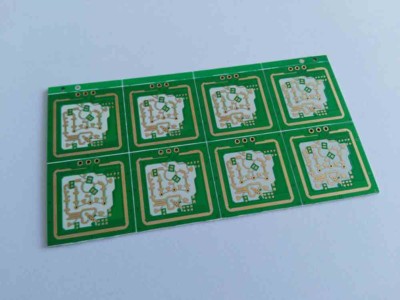
Metal core aluminum pcb
Advantages Of Metal Core Aluminum PCBs In High-Power Applications
Metal core aluminum printed circuit boards (PCBs) have emerged as a pivotal innovation in the realm of high-power applications, offering a multitude of advantages that make them indispensable in various industries. As electronic devices continue to evolve, the demand for efficient thermal management and enhanced performance has become increasingly critical. In this context, metal core aluminum PCBs stand out due to their unique properties and capabilities.
One of the primary advantages of metal core aluminum PCBs is their superior thermal conductivity.
Unlike traditional PCBs, which often struggle with heat dissipation, aluminum-based boards excel in transferring heat away from critical components. This is particularly beneficial in high-power applications where excessive heat can lead to performance degradation or even failure. By efficiently managing thermal energy, these PCBs help maintain optimal operating temperatures, thereby enhancing the reliability and longevity of electronic devices.
In addition to their thermal management capabilities, metal core aluminum PCBs offer excellent mechanical stability.
The aluminum core provides a robust foundation that can withstand mechanical stress and vibration, which are common in high-power environments. This durability ensures that the PCBs maintain their structural integrity over time, reducing the risk of damage and the need for frequent replacements. Consequently, this leads to cost savings and improved operational efficiency for businesses relying on high-power electronic systems.
Moreover, the use of aluminum as a core material contributes to the lightweight nature of these PCBs.
This is a significant advantage in applications where weight is a critical factor, such as in the automotive and aerospace industries. By reducing the overall weight of electronic assemblies, metal core aluminum PCBs enable the development of more efficient and compact designs, which can lead to enhanced performance and fuel efficiency in vehicles and aircraft.
Furthermore, metal core aluminum PCBs exhibit excellent electrical insulation properties.
The dielectric layer that separates the aluminum core from the copper circuitry ensures that electrical signals are transmitted with minimal interference. This is crucial in high-power applications where signal integrity is paramount. The ability to maintain clear and reliable signal transmission enhances the overall performance of electronic systems, making these PCBs a preferred choice for engineers and designers.
Another noteworthy advantage is the cost-effectiveness of metal core aluminum PCBs.
While they may have a higher initial cost compared to traditional PCBs, their long-term benefits often outweigh the upfront investment. The enhanced thermal management, mechanical stability, and reliability contribute to reduced maintenance costs and extended product lifespans. Additionally, the ability to design more compact and efficient systems can lead to further cost savings in terms of materials and energy consumption.
In conclusion, metal core aluminum PCBs offer a range of advantages that make them highly suitable for high-power applications. Their superior thermal conductivity, mechanical stability, lightweight nature, excellent electrical insulation, and cost-effectiveness collectively contribute to their growing popularity across various industries. As the demand for high-performance electronic systems continues to rise, the adoption of metal core aluminum PCBs is likely to increase, driving further innovation and efficiency in high-power applications.
Thermal Management Solutions Using Metal Core Aluminum PCBs
Metal core aluminum PCBs (Printed Circuit Boards) have emerged as a pivotal solution in the realm of thermal management, particularly in applications where efficient heat dissipation is crucial. These specialized PCBs are designed to address the limitations of traditional circuit boards, which often struggle to manage the heat generated by high-power components. As electronic devices become more compact and powerful, the need for effective thermal management solutions has become increasingly important. Metal core aluminum PCBs offer a robust solution by integrating a metal substrate, typically aluminum, which serves as a heat sink to dissipate heat away from critical components.
The fundamental structure of a metal core aluminum PCB consists of a metal base layer, a dielectric layer, and a copper circuit layer.
The metal base, usually aluminum, provides excellent thermal conductivity, which is essential for transferring heat away from the components mounted on the board. The dielectric layer, which is thermally conductive yet electrically insulating, ensures that heat is efficiently transferred to the metal base without causing electrical interference. The copper circuit layer, on the other hand, facilitates the electrical connections necessary for the functioning of the electronic device.
One of the primary advantages of using metal core aluminum PCBs is their ability to enhance the reliability and longevity of electronic devices.
By effectively managing heat, these PCBs prevent overheating, which can lead to component failure and reduced performance. This is particularly beneficial in high-power applications such as LED lighting, power supplies, and automotive electronics, where maintaining optimal operating temperatures is critical. Furthermore, the improved thermal performance of metal core aluminum PCBs allows for higher power densities, enabling designers to create more compact and efficient electronic systems.
In addition to their thermal management capabilities, metal core aluminum PCBs offer several other benefits.
They are known for their mechanical stability, which makes them suitable for applications subjected to mechanical stress and vibration. This is particularly advantageous in automotive and industrial environments, where durability is a key consideration. Moreover, these PCBs are compatible with standard manufacturing processes, making them a cost-effective solution for a wide range of applications.
Despite their numerous advantages, it is important to consider certain factors when designing with metal core aluminum PCBs.
The choice of materials, for instance, plays a crucial role in determining the thermal and electrical performance of the PCB. The thickness of the metal core and the dielectric layer must be carefully selected to balance thermal conductivity and electrical insulation. Additionally, the layout of the copper circuit layer should be optimized to minimize thermal resistance and ensure efficient heat dissipation.
In conclusion, metal core aluminum PCBs represent a significant advancement in thermal management technology, offering a reliable and efficient solution for managing heat in high-power electronic applications. Their ability to enhance the performance and reliability of electronic devices makes them an invaluable tool for designers and engineers. As the demand for more powerful and compact electronic devices continues to grow, the role of metal core aluminum PCBs in thermal management is likely to become even more prominent. By understanding the unique properties and design considerations associated with these PCBs, manufacturers can leverage their benefits to create innovative and high-performance electronic products.
Design Considerations For Metal Core Aluminum PCBs In LED Lighting
When designing metal core aluminum PCBs for LED lighting applications, several critical considerations must be taken into account to ensure optimal performance and reliability. Metal core aluminum PCBs, often referred to as MCPCBs, are particularly favored in LED lighting due to their superior thermal management capabilities. The inherent properties of aluminum, combined with a thermally conductive dielectric layer, allow these PCBs to efficiently dissipate heat generated by high-power LEDs, thereby enhancing the longevity and performance of the lighting system.
To begin with, the choice of materials is paramount.
The aluminum base layer serves as the primary heat sink, and its thickness and quality can significantly influence the thermal performance of the PCB. Typically, aluminum thickness ranges from 0.8mm to 3.2mm, with thicker bases providing better heat dissipation but also adding to the overall weight and cost. The dielectric layer, which electrically insulates the aluminum base from the copper circuitry, must possess high thermal conductivity to facilitate efficient heat transfer. Materials such as epoxy resin with ceramic fillers are commonly used, offering a balance between thermal performance and electrical insulation.
Moreover, the copper layer, which forms the circuit pattern, is another crucial component.
The thickness of the copper layer, often measured in ounces per square foot, affects both the current-carrying capacity and the thermal performance of the PCB. A thicker copper layer can handle higher currents and distribute heat more effectively, which is particularly beneficial in high-power LED applications. However, it is essential to balance these benefits against the increased cost and potential challenges in manufacturing.
In addition to material selection, the layout and design of the circuit are vital considerations.
The placement of LEDs and other components should be optimized to minimize thermal resistance and ensure uniform heat distribution across the PCB. This often involves strategic positioning of thermal vias, which are small holes filled or plated with conductive material that help transfer heat from the top layer to the aluminum base. Furthermore, the use of thermal pads or heat sinks in conjunction with the MCPCB can further enhance heat dissipation.
Another important aspect is the electrical design, which must accommodate the specific requirements of the LED lighting application.
This includes considerations such as the voltage and current ratings, as well as the need for any additional components like resistors or capacitors that may be necessary for proper LED operation. The design should also account for potential electromagnetic interference (EMI), which can affect both the performance of the LEDs and the overall system.
Finally, the manufacturing process itself can impact the performance and reliability of metal core aluminum PCBs.
Precision in drilling, etching, and lamination is crucial to ensure that the thermal and electrical properties of the PCB are not compromised. Quality control measures, such as thermal cycling tests and electrical inspections, are essential to verify that the finished product meets the required specifications.
In conclusion, designing metal core aluminum PCBs for LED lighting involves a careful balance of material selection, thermal management, electrical design, and manufacturing precision. By addressing these considerations, designers can create PCBs that not only enhance the performance and longevity of LED lighting systems but also contribute to energy efficiency and sustainability. As LED technology continues to evolve, the role of MCPCBs in supporting advanced lighting solutions will undoubtedly remain significant.
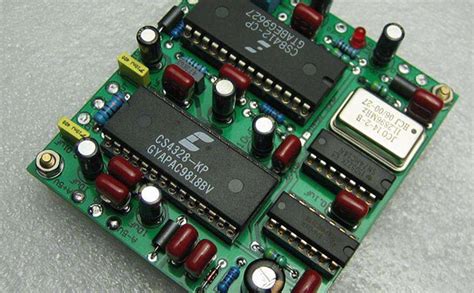
Comparing Metal Core Aluminum PCBs To Traditional FR4 PCBs
Metal core aluminum PCBs (Printed Circuit Boards) have emerged as a significant innovation in the electronics industry, offering distinct advantages over traditional FR4 PCBs. As technology advances, the demand for efficient thermal management in electronic devices has become increasingly critical. This is where metal core aluminum PCBs come into play, providing superior thermal conductivity and reliability, especially in high-power applications. To understand the benefits of metal core aluminum PCBs, it is essential to compare them with the more conventional FR4 PCBs, which have been the industry standard for many years.
FR4 PCBs are constructed using a glass-reinforced epoxy laminate, which is known for its excellent electrical insulation properties and mechanical strength.
However, one of the primary limitations of FR4 PCBs is their relatively poor thermal conductivity. This can lead to overheating issues in high-power applications, potentially causing damage to components and reducing the overall lifespan of the device. In contrast, metal core aluminum PCBs incorporate a metal substrate, typically aluminum, which significantly enhances their ability to dissipate heat. This makes them particularly suitable for applications where efficient thermal management is crucial, such as in LED lighting, power supplies, and automotive electronics.
Moreover, the structure of metal core aluminum PCBs allows for a more uniform distribution of heat across the board.
This is achieved through the metal core, which acts as a heat sink, drawing heat away from critical components and reducing the risk of thermal hotspots. Consequently, devices utilizing metal core aluminum PCBs can operate at higher power levels without compromising performance or reliability. This is a stark contrast to FR4 PCBs, where localized heating can lead to performance degradation and potential failure.
In addition to their thermal advantages, metal core aluminum PCBs also offer improved mechanical stability.
The metal substrate provides a robust foundation, reducing the risk of warping or bending under mechanical stress. This is particularly beneficial in applications where the PCB may be subjected to harsh environmental conditions or mechanical vibrations. While FR4 PCBs are generally reliable, they can be more susceptible to mechanical deformation, which can impact the integrity of the circuit and lead to potential failures.
Despite these advantages, it is important to consider the cost implications when choosing between metal core aluminum PCBs and FR4 PCBs. Metal core aluminum PCBs tend to be more expensive due to the additional materials and manufacturing processes involved. However, the long-term benefits, such as enhanced thermal performance and reliability, often justify the initial investment, particularly in high-power or critical applications.
Furthermore, the choice between metal core aluminum PCBs and FR4 PCBs may also depend on the specific requirements of the application.
For low-power or cost-sensitive applications, FR4 PCBs may still be the preferred choice due to their lower cost and adequate performance. However, for applications where thermal management and reliability are paramount, metal core aluminum PCBs offer a compelling alternative.
In conclusion, while traditional FR4 PCBs continue to be widely used in the electronics industry, metal core aluminum PCBs provide significant advantages in terms of thermal management and mechanical stability. As electronic devices become more powerful and compact, the demand for efficient heat dissipation solutions will likely drive the adoption of metal core aluminum PCBs in a broader range of applications. By carefully considering the specific needs of each application, manufacturers can make informed decisions about which type of PCB will best meet their requirements.