Metal core pcb components
Advantages Of Metal Core PCB Components In High-Temperature Applications
Metal core printed circuit boards (PCBs) have emerged as a pivotal innovation in the realm of electronics, particularly in high-temperature applications. These PCBs are distinguished by their unique construction, which incorporates a metal core, typically aluminum or copper, as opposed to the traditional fiberglass or epoxy substrates. This fundamental difference in design offers a myriad of advantages, making metal core PCBs an ideal choice for environments where thermal management is crucial.
One of the primary advantages of metal core PCBs in high-temperature applications is their superior thermal conductivity.
The metal core acts as an effective heat sink, efficiently dissipating heat away from critical components. This capability is particularly beneficial in applications such as LED lighting, power converters, and automotive electronics, where excessive heat can lead to performance degradation or even failure. By maintaining lower operating temperatures, metal core PCBs enhance the reliability and longevity of electronic devices, thereby reducing the risk of thermal-induced damage.
In addition to their thermal management capabilities, metal core PCBs offer enhanced mechanical stability.
The metal substrate provides a robust foundation that can withstand the mechanical stresses often encountered in high-temperature environments. This stability is crucial in applications where the PCB may be subject to vibrations or physical impacts, such as in industrial machinery or aerospace systems. The durability of metal core PCBs ensures that they maintain their structural integrity, even under challenging conditions, thereby safeguarding the functionality of the entire electronic system.
Moreover, metal core PCBs exhibit excellent dimensional stability, which is essential in high-temperature applications.
Traditional PCBs can experience expansion or contraction due to temperature fluctuations, potentially leading to misalignment of components or circuit traces. In contrast, the metal core in these PCBs minimizes such thermal expansion, ensuring that the board retains its precise dimensions. This characteristic is particularly advantageous in applications requiring high precision and reliability, such as telecommunications and medical devices.
Furthermore, the use of metal core PCBs can lead to a reduction in the overall size and weight of electronic assemblies.
By efficiently managing heat, these PCBs allow for the integration of more components in a compact space without the need for additional cooling mechanisms. This compactness is highly desirable in applications where space is at a premium, such as in portable electronics or compact automotive systems. The ability to design smaller and lighter devices without compromising performance is a significant advantage in today’s technology-driven world.
Additionally, metal core PCBs contribute to energy efficiency.
By effectively dissipating heat, they reduce the need for external cooling solutions, such as fans or heat sinks, which consume additional power. This energy efficiency is not only beneficial from an operational standpoint but also aligns with the growing emphasis on sustainable and environmentally friendly technologies. As industries strive to reduce their carbon footprint, the adoption of energy-efficient components like metal core PCBs becomes increasingly important.
In conclusion, the advantages of metal core PCB components in high-temperature applications are manifold. Their superior thermal conductivity, mechanical stability, dimensional stability, compactness, and energy efficiency make them an indispensable choice for a wide range of industries. As technology continues to advance and the demand for high-performance electronic devices grows, the role of metal core PCBs in ensuring reliability and efficiency in high-temperature environments will undoubtedly become even more critical.
Thermal Management Solutions Using Metal Core PCB Components
In the realm of modern electronics, the demand for efficient thermal management solutions has become increasingly critical. As electronic devices continue to shrink in size while simultaneously growing in power and functionality, the challenge of dissipating heat effectively has never been more pressing. One innovative solution that has emerged to address this challenge is the use of metal core printed circuit boards (PCBs). These components are specifically designed to enhance thermal performance, making them indispensable in applications where heat dissipation is paramount.
Metal core PCBs, often referred to as MCPCBs, are distinguished by their unique construction.
Unlike traditional PCBs, which are typically composed of fiberglass or other non-metallic substrates, MCPCBs incorporate a metal core, usually made of aluminum or copper. This metal core serves as a heat sink, efficiently conducting heat away from critical components and distributing it across the board. Consequently, this design significantly reduces the thermal resistance between the heat-generating components and the surrounding environment.
The advantages of using metal core PCBs in thermal management are manifold.
Firstly, they offer superior heat dissipation capabilities compared to their non-metallic counterparts. This is particularly beneficial in high-power applications such as LED lighting, power converters, and automotive electronics, where excessive heat can lead to performance degradation or even component failure. By effectively managing heat, MCPCBs help to extend the lifespan of electronic components and improve overall system reliability.
Moreover, the integration of a metal core within the PCB structure allows for a more compact design.
This is especially advantageous in applications where space is at a premium. The enhanced thermal conductivity of the metal core enables designers to place components closer together without the risk of overheating, thereby reducing the overall size of the device. This compactness is a crucial factor in the development of portable and wearable electronics, where minimizing size and weight is essential.
In addition to their thermal management benefits, metal core PCBs also offer improved mechanical stability.
The metal core provides a robust foundation that enhances the structural integrity of the board, making it less susceptible to warping or damage under mechanical stress. This durability is particularly important in environments subject to vibration or extreme temperature fluctuations, such as automotive or aerospace applications.
Transitioning to the manufacturing aspect, the production of metal core PCBs involves specialized processes that differ from those used for conventional PCBs. The metal core must be carefully integrated with the dielectric layer and the copper circuitry to ensure optimal thermal and electrical performance. This requires precision engineering and advanced fabrication techniques, which can increase the cost of production. However, the long-term benefits in terms of performance and reliability often justify the initial investment.
In conclusion, metal core PCB components represent a significant advancement in thermal management solutions for modern electronics. Their ability to efficiently dissipate heat, coupled with their compact design and mechanical robustness, makes them an ideal choice for a wide range of high-power and high-performance applications. As the demand for more powerful and compact electronic devices continues to grow, the role of metal core PCBs in ensuring efficient thermal management will undoubtedly become even more critical.
Comparing Metal Core PCB Components To Traditional PCB Materials
Metal core printed circuit boards (PCBs) have emerged as a significant innovation in the electronics industry, offering distinct advantages over traditional PCB materials. As electronic devices become increasingly complex and powerful, the demand for efficient thermal management solutions has grown. Metal core PCBs, often composed of aluminum or copper cores, provide an effective means of dissipating heat, thereby enhancing the performance and reliability of electronic components. In contrast, traditional PCBs, typically made from fiberglass-reinforced epoxy laminate materials such as FR-4, may not offer the same level of thermal conductivity, which can be a critical factor in high-power applications.
One of the primary differences between metal core PCBs and traditional PCBs lies in their thermal conductivity.
Metal core PCBs are designed to conduct heat away from critical components more efficiently than their traditional counterparts. This is particularly important in applications where heat generation is significant, such as in LED lighting, power supplies, and automotive electronics. The metal core acts as a heat sink, distributing heat across the board and reducing the risk of overheating. In contrast, traditional PCBs rely on thermal vias and other design techniques to manage heat, which may not be as effective in high-power scenarios.
Furthermore, the mechanical properties of metal core PCBs offer additional benefits.
The metal core provides a robust structure that can withstand mechanical stress and vibration better than traditional PCBs. This makes them suitable for use in environments where durability is essential, such as in industrial machinery or automotive applications. The rigidity of the metal core also reduces the risk of warping, which can be a concern with traditional PCBs, especially in larger or more complex designs.
In addition to thermal and mechanical advantages, metal core PCBs can also contribute to improved electrical performance.
The metal core can serve as a ground plane, reducing electromagnetic interference (EMI) and enhancing signal integrity. This is particularly beneficial in high-frequency applications where signal quality is paramount. Traditional PCBs, while capable of incorporating ground planes, may not offer the same level of EMI reduction due to their lower thermal and electrical conductivity.
Despite these advantages, there are considerations to keep in mind when opting for metal core PCBs.
The manufacturing process for metal core PCBs can be more complex and costly compared to traditional PCBs. The presence of a metal core requires specialized fabrication techniques, which can increase production time and expense. Additionally, the design flexibility of metal core PCBs may be somewhat limited due to the rigidity of the metal layer, which can pose challenges in applications requiring intricate or multilayer designs.
In conclusion, while metal core PCBs offer significant benefits in terms of thermal management, mechanical strength, and electrical performance, they may not be the ideal choice for every application. Traditional PCBs continue to be a viable option for many electronic devices, particularly those with lower power requirements or where cost is a primary concern. Ultimately, the decision between metal core and traditional PCBs should be based on the specific needs of the application, taking into account factors such as thermal demands, mechanical stress, and budget constraints. As technology continues to evolve, the role of metal core PCBs is likely to expand, offering new opportunities for innovation in electronic design and manufacturing.
Innovations In Metal Core PCB Component Design For Enhanced Performance
Metal core printed circuit boards (PCBs) have emerged as a pivotal innovation in the electronics industry, particularly in applications demanding superior thermal management and enhanced performance. These PCBs are distinguished by their metal core, typically composed of aluminum or copper, which serves as a heat sink to dissipate heat more efficiently than traditional fiberglass-based boards. As electronic devices become increasingly compact and powerful, the demand for effective thermal management solutions has intensified, driving innovations in metal core PCB component design.
One of the primary innovations in metal core PCB design is the integration of advanced thermal interface materials.
These materials are engineered to improve the thermal conductivity between the heat-generating components and the metal core, thereby enhancing the overall heat dissipation capability of the PCB. By optimizing the thermal interface, manufacturers can ensure that electronic components operate within their safe temperature ranges, thereby extending their lifespan and reliability. This is particularly crucial in high-power applications such as LED lighting, automotive electronics, and power supplies, where excessive heat can lead to premature failure.
In addition to thermal interface materials, the design of the metal core itself has seen significant advancements.
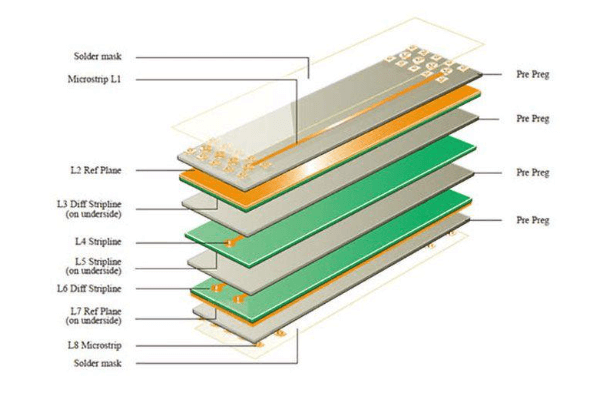
The use of multi-layer metal core PCBs is one such development, allowing for more complex circuit designs while maintaining efficient heat dissipation. These multi-layer boards can incorporate various conductive layers, each separated by insulating materials, to accommodate intricate circuitry without compromising thermal performance. This innovation is particularly beneficial in applications requiring high-density interconnections, such as telecommunications and computing, where space is at a premium.
Moreover, the choice of metal for the core has also evolved, with manufacturers exploring alternative materials to optimize performance.
While aluminum and copper remain the most common choices due to their excellent thermal conductivity and cost-effectiveness, other metals and alloys are being considered for specific applications. For instance, some designs incorporate metal alloys that offer a balance between thermal performance and mechanical strength, catering to industries where durability is as critical as heat management.
Another noteworthy innovation is the development of flexible metal core PCBs.
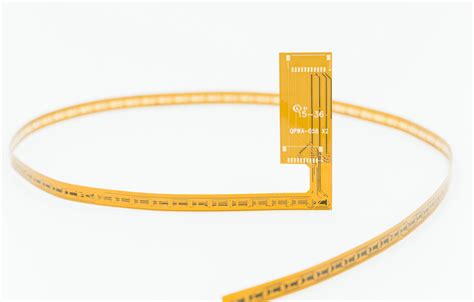
These boards combine the thermal advantages of metal cores with the versatility of flexible circuits, enabling their use in applications where traditional rigid boards would be unsuitable. Flexible metal core PCBs are particularly advantageous in wearable technology and medical devices, where space constraints and the need for conformability are paramount. By allowing for bending and folding, these boards can be integrated into compact and irregularly shaped devices without sacrificing performance.
Furthermore, advancements in manufacturing techniques have played a crucial role in enhancing metal core PCB component design.
Precision machining and laser cutting technologies have enabled the production of more intricate and precise board designs, facilitating the integration of complex components and circuits. These techniques also contribute to reducing material waste and improving the overall efficiency of the manufacturing process, aligning with the industry’s growing emphasis on sustainability.
In conclusion, the innovations in metal core PCB component design are driven by the need for enhanced thermal management and performance in increasingly demanding applications. Through the integration of advanced thermal interface materials, the development of multi-layer and flexible designs, the exploration of alternative core materials, and the adoption of cutting-edge manufacturing techniques, metal core PCBs continue to evolve. These advancements not only address the challenges posed by modern electronic devices but also pave the way for future innovations in the field, ensuring that metal core PCBs remain at the forefront of electronic component design.