Modernizing PCB Assembly Production Workflows
Key Takeaways
Modern PCB assembly workflows now leverage smart automation to reduce manual intervention, with robotic placement systems achieving sub-micron accuracy in component alignment. Integration of IoT-driven monitoring enables real-time tracking of PCBA production metrics, from solder paste deposition rates to reflow oven temperature profiles, minimizing defects by up to 30%. AI-powered quality control systems analyze X-ray and optical inspection data at speeds surpassing human capability, flagging anomalies like tombstoning or cold joints with 99.7% precision.
Tip: Prioritize IoT sensor calibration during PCBA line upgrades to ensure data accuracy for predictive maintenance models.
Transitioning to automated workflows not only accelerates throughput but also creates a feedback loop where machine learning algorithms refine processes iteratively. For instance, predictive maintenance tools analyze vibration and thermal data from pick-and-place machines, forecasting component wear 200–400 operating hours before failure. This shift toward data-driven PCB assembly aligns with Industry 4.0 standards, setting the stage for adaptive manufacturing ecosystems where AI and IoT converge to optimize yield, energy use, and material waste.
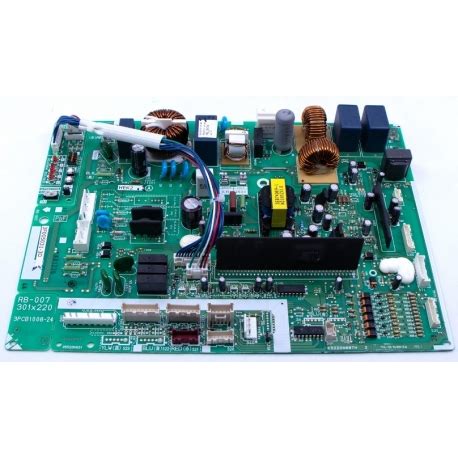
Smart Automation in PCB Assembly
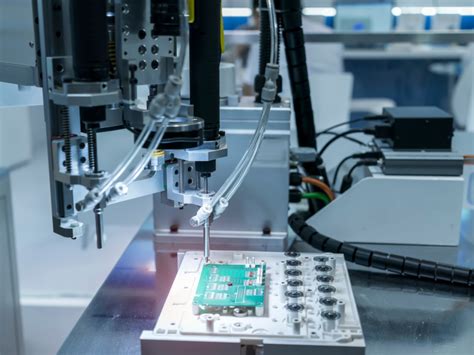
The integration of smart automation into PCB assembly workflows has revolutionized electronics manufacturing by enhancing precision and scalability. Advanced robotic systems, such as high-speed pick-and-place machines, now handle component placement with micron-level accuracy, reducing human error and accelerating production cycles. These systems are often synchronized with PCBA-specific software that optimizes material routing and component sequencing, ensuring seamless transitions between assembly stages.
A key innovation lies in the adoption of IoT-enabled sensors embedded within production lines, which collect real-time data on machine performance and environmental conditions. This data feeds into centralized control systems, enabling dynamic adjustments to parameters like temperature and solder paste application. By automating repetitive tasks, manufacturers achieve 20-35% faster throughput while maintaining stringent quality standards.
Moreover, machine learning algorithms analyze historical PCB assembly data to predict equipment maintenance needs, minimizing unplanned downtime. Such predictive capabilities are critical for high-mix, low-volume production environments, where flexibility and rapid turnaround are paramount. As factories transition toward lights-out manufacturing models, the role of smart automation in PCBA processes will continue to expand, setting the stage for deeper integration with AI-driven quality assurance systems.
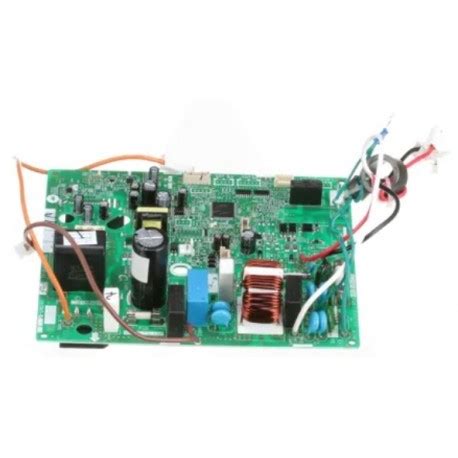
IoT-Driven PCB Assembly Monitoring
The integration of IoT (Internet of Things) technologies into PCB assembly workflows has revolutionized how manufacturers track, analyze, and optimize production cycles. By embedding smart sensors across PCBA lines, real-time data on temperature, humidity, vibration, and component placement accuracy can be streamed to centralized dashboards. This enables operators to detect anomalies—such as solder paste misapplication or conveyor speed inconsistencies—before they escalate into costly defects.
For example, IoT-enabled devices in PCB assembly facilities often leverage protocols like MQTT or OPC-UA to synchronize data across equipment from multiple vendors. A typical monitoring framework might include:
| Parameter | Traditional Monitoring | IoT-Driven Monitoring |
|---|---|---|
| Defect Detection | Manual inspections | Automated, real-time alerts |
| Data Granularity | Hourly samples | Continuous (per-second) |
| Response Time | 2–4 hours | <5 minutes |
Such systems not only reduce downtime but also support predictive maintenance by correlating equipment performance trends with historical failure patterns. Additionally, cloud-based analytics platforms empower cross-site comparisons, allowing manufacturers to benchmark PCBA line efficiency against global standards. As IoT adoption grows, its role in minimizing human error and accelerating process standardization will remain pivotal to achieving leaner, more agile electronics manufacturing ecosystems.
AI Quality Control in PCB Assembly
The integration of AI-driven systems into PCB assembly workflows is redefining quality assurance standards for modern electronics manufacturing. By leveraging machine learning algorithms and computer vision, manufacturers can detect microscopic defects—such as solder bridging, misaligned components, or trace fractures—with unprecedented accuracy. These systems analyze thousands of PCBA units in real time, comparing each product against digital twins or golden samples to identify deviations as small as 10 microns.
Advanced AI quality control tools also employ predictive analytics to flag potential failures before they occur. For instance, neural networks trained on historical production data can correlate specific soldering temperatures or component placement speeds with defect rates, enabling preemptive adjustments. This reduces scrap by up to 30% while accelerating inspection cycles by 40%, according to industry benchmarks.
Crucially, these systems integrate seamlessly with IoT-driven monitoring platforms (discussed earlier), creating closed-loop feedback mechanisms. Real-time data from AI inspections informs upstream processes like stencil printing or pick-and-place operations, ensuring continuous optimization. However, implementing such solutions requires robust datasets and computational infrastructure to maintain low-latency processing—a challenge smaller manufacturers must navigate strategically.
As PCB assembly grows more complex with miniaturized components and high-density designs, AI-powered quality control becomes indispensable for balancing precision, speed, and scalability in electronics production.
Automating PCB Assembly via IoT
The integration of IoT (Internet of Things) technologies is revolutionizing PCB assembly workflows by enabling seamless connectivity between equipment, processes, and quality systems. By embedding smart sensors across PCBA production lines—from solder paste printers to reflow ovens—manufacturers gain real-time visibility into machine performance, environmental conditions, and material usage. These sensors transmit data to centralized platforms, where analytics tools identify bottlenecks, predict equipment wear, and automate adjustments to maintain optimal throughput. For instance, adaptive thermal profiling in reflow ovens dynamically adjusts heating zones based on live feedback, ensuring consistent solder joint quality across diverse board designs.
IoT-driven automation also enhances traceability in PCB assembly by tagging each unit with digital identifiers. This allows manufacturers to monitor individual boards through every stage, flagging deviations in real time and triggering corrective workflows without manual intervention. Furthermore, predictive maintenance algorithms analyze vibration, temperature, and power consumption patterns to schedule servicing before failures occur, minimizing downtime. As IoT networks grow more sophisticated, they enable tighter synchronization between PCBA processes and supply chains, automatically reordering components when stock levels dip below thresholds. This interconnected ecosystem not only accelerates production cycles but also elevates precision, laying the groundwork for fully autonomous smart factories.
Boosting PCB Efficiency With AI
The integration of artificial intelligence (AI) into PCB assembly workflows is revolutionizing how manufacturers achieve precision and speed. By leveraging machine learning algorithms, PCBA production lines can autonomously identify defects in real time, reducing manual inspection by up to 70%. For instance, AI-powered optical inspection systems analyze solder joint quality and component alignment at micron-level accuracy, flagging anomalies faster than human operators.
Beyond defect detection, AI optimizes material usage and process parameters. Predictive models analyze historical PCB assembly data to recommend ideal soldering temperatures, conveyor speeds, or stencil pressure settings, minimizing waste and rework. This data-driven approach also enables adaptive scheduling—dynamic algorithms adjust production sequences based on machine availability, component shortages, or order priority shifts.
Crucially, AI complements existing IoT-driven monitoring systems (discussed earlier) by transforming raw sensor data into actionable insights. For example, vibration patterns from pick-and-place machines can predict motor failures before they disrupt PCBA workflows. As a result, manufacturers report 15–25% improvements in throughput and 30% reductions in downtime, creating a compounding effect on overall operational efficiency.
These advancements position AI as a cornerstone of modern electronics manufacturing, seamlessly bridging quality control and process optimization in PCB assembly ecosystems.
Real-Time Analytics for PCB Production
The integration of real-time analytics into PCB assembly workflows is revolutionizing how manufacturers monitor and optimize production lines. By leveraging IoT-enabled sensors embedded across PCBA equipment, factories now capture granular data on parameters like solder paste viscosity, component placement accuracy, and thermal profiles during reflow processes. This continuous stream of metrics is processed through machine learning algorithms, enabling immediate identification of deviations—such as misaligned components or temperature fluctuations—before they escalate into costly defects.
Advanced analytics platforms transform raw data into actionable insights, allowing engineers to adjust machine settings dynamically and maintain tight tolerances across high-volume PCB assembly runs. For instance, predictive models correlate historical defect patterns with real-time sensor readings to refine inspection protocols, reducing false positives by up to 30%. Additionally, dashboards visualize key performance indicators (KPIs) like cycle times and yield rates, fostering cross-departmental alignment between design, production, and quality assurance teams.
By embedding analytics directly into PCBA workflows, manufacturers achieve unprecedented visibility into process bottlenecks while ensuring compliance with industry standards. This data-driven approach not only accelerates root-cause analysis but also lays the foundation for adaptive manufacturing systems capable of self-optimization in response to shifting demand or design complexities.
PCB Assembly Predictive Maintenance
Modern PCB assembly lines are shifting from reactive to data-driven maintenance strategies, leveraging IoT sensors and AI analytics to anticipate equipment failures before they disrupt production. By embedding smart sensors in pick-and-place machines, reflow ovens, and inspection systems, manufacturers collect real-time data on parameters like vibration, temperature, and component wear. Machine learning algorithms process this information to identify patterns indicative of potential malfunctions, enabling preemptive repairs during scheduled downtime. For instance, a PCBA line using predictive models might detect abnormal thermal fluctuations in a soldering zone, triggering maintenance before defective joints compromise batch quality.
This approach reduces unplanned stoppages by up to 30–50%, according to industry benchmarks, while extending the lifespan of critical machinery. Advanced systems even correlate equipment performance with AI quality control outcomes, refining predictions based on historical defect rates. Transitioning to predictive maintenance requires integrating IoT-driven monitoring platforms with existing automation infrastructure, ensuring seamless data flow from assembly stages to analytics dashboards. As a result, PCB assembly workflows achieve higher operational continuity and lower long-term maintenance costs, aligning with the broader shift toward smart, adaptive manufacturing ecosystems.
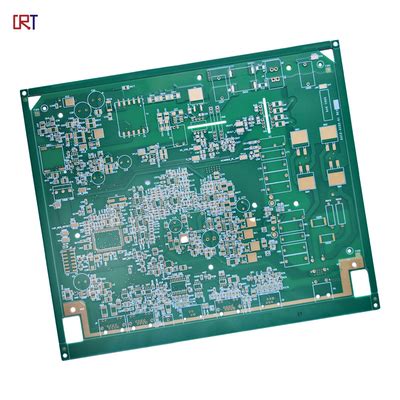
Future Trends in PCB Manufacturing
The evolution of PCB assembly processes is accelerating as manufacturers adopt technologies poised to redefine electronics production. Emerging innovations like 3D printed electronics and flexible hybrid electronics (FHE) are expanding design possibilities, enabling PCBA integration into unconventional form factors such as wearable devices and foldable gadgets. Simultaneously, advancements in nanomaterial-based soldering and direct-write additive manufacturing are reducing material waste while enhancing circuit density.
A critical shift lies in the convergence of IoT-driven monitoring and edge computing, which allows real-time adjustments during PCB assembly without relying on centralized systems. Factories are also exploring quantum computing applications for optimizing complex routing algorithms, slashing design iteration times by up to 40%. Moreover, sustainability initiatives are driving adoption of bio-based substrates and closed-loop recycling systems, aligning PCBA workflows with circular economy principles.
As these technologies mature, interoperability between AI-powered defect detection and autonomous robotic assembly lines will become seamless, creating self-optimizing production ecosystems. This transition not only elevates precision but also positions PCB assembly as a strategic enabler for next-gen smart manufacturing frameworks.
Conclusion
The evolution of PCB assembly workflows reflects a broader industrial shift toward intelligent manufacturing. By integrating smart automation, IoT-driven monitoring, and AI-powered quality control, manufacturers are achieving unprecedented levels of precision and efficiency in PCBA production. These technologies not only reduce human error but also enable real-time adjustments to process parameters, ensuring optimal yield rates even in complex electronics manufacturing.
As adoption grows, the synergy between automated PCB assembly systems and predictive maintenance frameworks is minimizing downtime while extending equipment lifespans. The use of cloud-connected analytics further strengthens decision-making by transforming raw production data into actionable insights. Looking ahead, advancements in AI-driven defect detection and adaptive machine learning models will continue to refine PCBA workflows, bridging gaps between design intent and manufacturing execution.
To remain competitive, manufacturers must prioritize scalability and interoperability when modernizing their PCB assembly lines. This requires investing in modular systems that can seamlessly incorporate emerging tools like digital twins or edge computing. Ultimately, the convergence of these innovations positions PCBA production as a cornerstone of next-generation electronics manufacturing, where agility and precision define operational success.
Frequently Asked Questions
How does automation enhance precision in PCB assembly workflows?
Modern PCBA lines leverage robotic placement systems and machine vision to achieve micron-level component alignment, reducing human error by up to 85%. Automated optical inspection (AOI) systems further validate solder joint quality in real time.
What role does IoT monitoring play in electronics production?
Embedded IoT sensors track temperature, vibration, and humidity across PCB assembly stages, enabling predictive adjustments. This data-driven approach minimizes downtime and improves yield rates by 20–30% in high-volume manufacturing.
Can AI-driven quality control replace manual inspections entirely?
While AI algorithms detect defects 40% faster than human technicians, hybrid models combining machine learning with expert oversight deliver optimal results. Critical applications still require human validation for complex failure analysis.
How do real-time analytics benefit PCB production scalability?
Continuous data streams from IoT-driven assembly lines allow manufacturers to identify bottlenecks within seconds. This enables dynamic resource allocation, reducing lead times by up to 35% for high-mix PCBA orders.
What emerging trends will shape PCB manufacturing in 2024–2025?
Advancements in digital twin simulations and self-optimizing assembly workflows are gaining traction. These technologies enable virtual prototyping of PCB designs, cutting development cycles by 50% while maintaining compliance with ISO 9001 standards.
Optimize Your PCB Assembly Workflow Today
For tailored solutions integrating AI quality control, IoT monitoring, and automated PCBA systems, please click here to consult with industry specialists.