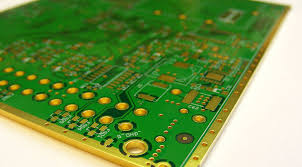
Mouser pcb assembly
Understanding The Basics Of Mouser PCB Assembly
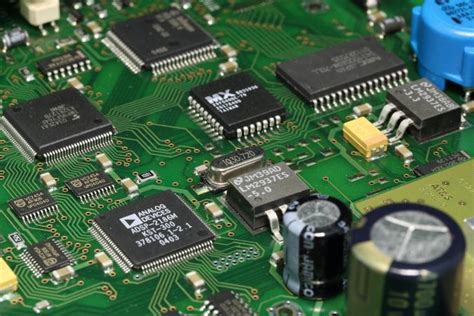
Mouser PCB assembly is a critical component in the electronics manufacturing industry, serving as a bridge between design and functional electronic devices. Understanding the basics of this process is essential for anyone involved in electronics design, engineering, or production. Printed Circuit Boards (PCBs) are the backbone of most electronic devices, providing the necessary pathways for electrical currents to flow between various components. Mouser Electronics, a well-known distributor of electronic components, plays a significant role in the PCB assembly process by supplying a wide range of components required for assembling these boards.
To begin with, the PCB assembly process involves several key steps, starting with the design phase.
Engineers use specialized software to create a schematic of the circuit, which is then translated into a layout that specifies the placement of components on the board. This layout is crucial as it determines the efficiency and functionality of the final product. Once the design is finalized, the next step is to procure the necessary components. This is where Mouser Electronics comes into play, offering a vast catalog of components that can be sourced quickly and efficiently. Their extensive inventory ensures that designers have access to the latest and most reliable components, which is vital for maintaining the quality and performance of the final product.
Following the procurement of components, the actual assembly process begins
This typically involves two main techniques: Surface Mount Technology (SMT) and Through-Hole Technology (THT). SMT is the more modern approach, where components are mounted directly onto the surface of the PCB. This method is favored for its efficiency and ability to accommodate smaller and more complex components. On the other hand, THT involves inserting component leads through holes in the PCB and soldering them in place. While THT is less common in modern electronics, it is still used for components that require a stronger mechanical bond.
As the assembly process progresses, quality control becomes paramount.
Each assembled PCB must undergo rigorous testing to ensure it meets the required specifications and functions correctly. This involves both visual inspections and automated testing procedures, such as Automated Optical Inspection (AOI) and In-Circuit Testing (ICT). These tests help identify any defects or issues that could compromise the performance of the final product. Mouser Electronics supports this phase by providing components that meet high-quality standards, thereby reducing the likelihood of defects.
Moreover, the role of Mouser in PCB assembly extends beyond just supplying components.
They also offer valuable resources and support to engineers and designers. This includes access to technical datasheets, application notes, and design tools that can aid in the development process. By providing these resources, Mouser helps streamline the design and assembly process, enabling faster time-to-market for new products.
In conclusion, understanding the basics of Mouser PCB assembly involves recognizing the importance of each step in the process, from design and component procurement to assembly and quality control. Mouser Electronics plays a pivotal role by supplying high-quality components and offering essential resources that support engineers and designers throughout the process. As technology continues to evolve, the demand for efficient and reliable PCB assembly will only increase, making it crucial for those in the industry to stay informed about the latest advancements and best practices.

The Role Of Mouser In Streamlining PCB Assembly Processes
Mouser Electronics has established itself as a pivotal player in the electronics industry, particularly in the realm of printed circuit board (PCB) assembly. As the demand for more sophisticated and compact electronic devices continues to rise, the need for efficient and reliable PCB assembly processes becomes increasingly critical. Mouser’s role in streamlining these processes cannot be overstated, as it provides a comprehensive suite of services and products that cater to the diverse needs of engineers and manufacturers alike.
To begin with, Mouser’s extensive catalog of electronic components is a cornerstone of its contribution to PCB assembly.
By offering a vast array of components from leading manufacturers, Mouser ensures that engineers have access to the latest and most advanced technologies. This accessibility is crucial for the design and development of cutting-edge PCBs, as it allows for the integration of innovative features and functionalities. Moreover, Mouser’s commitment to maintaining a robust inventory minimizes lead times, thereby expediting the assembly process and enabling faster time-to-market for new products.
In addition to its expansive product offerings, Mouser provides invaluable support through its technical resources and customer service.
The company’s website is a treasure trove of information, featuring detailed datasheets, application notes, and design tools that assist engineers in selecting the right components for their specific needs. This wealth of information empowers engineers to make informed decisions, reducing the likelihood of errors and rework during the assembly process. Furthermore, Mouser’s knowledgeable customer service team is readily available to provide expert guidance and address any queries, ensuring a smooth and efficient assembly experience.
Another significant aspect of Mouser’s role in streamlining PCB assembly is its focus on fostering innovation through collaboration.
By partnering with industry leaders and participating in various initiatives, Mouser stays at the forefront of technological advancements. This proactive approach enables the company to anticipate emerging trends and adapt its offerings accordingly, ensuring that its customers are always equipped with the tools and components necessary to stay competitive in a rapidly evolving market. Additionally, Mouser’s collaborations often result in the development of new standards and best practices, further enhancing the efficiency and reliability of PCB assembly processes.
Moreover, Mouser’s commitment to quality assurance plays a vital role in optimizing PCB assembly.
The company adheres to stringent quality control measures, ensuring that all components meet the highest standards of performance and reliability. This dedication to quality not only enhances the overall integrity of the assembled PCBs but also reduces the risk of costly failures and recalls. By providing components that engineers can trust, Mouser instills confidence in the assembly process, allowing manufacturers to focus on innovation and growth.
In conclusion, Mouser Electronics serves as an indispensable partner in the PCB assembly landscape, offering a comprehensive range of products, resources, and support that streamline the entire process. Through its extensive catalog, technical expertise, collaborative initiatives, and unwavering commitment to quality, Mouser empowers engineers and manufacturers to overcome the challenges of modern PCB assembly. As the electronics industry continues to evolve, Mouser’s role in facilitating efficient and reliable assembly processes will undoubtedly remain crucial, driving innovation and progress across the sector.
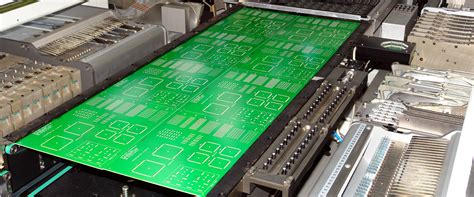
Innovations In Mouser PCB Assembly Technology
Mouser PCB assembly technology has witnessed significant advancements in recent years, driven by the relentless pursuit of efficiency, precision, and reliability in electronic manufacturing. As the demand for more sophisticated electronic devices continues to grow, the need for innovative solutions in printed circuit board (PCB) assembly becomes increasingly critical. One of the most notable innovations in this field is the integration of automation and robotics, which has revolutionized the assembly process by enhancing speed and accuracy. Automated systems are now capable of performing complex tasks such as component placement and soldering with remarkable precision, reducing the likelihood of human error and ensuring consistent quality across large production volumes.
In addition to automation, the development of advanced materials and components has played a crucial role in the evolution of Mouser PCB assembly technology.
The introduction of high-performance substrates and conductive materials has enabled the creation of PCBs that can withstand extreme conditions, such as high temperatures and mechanical stress. This advancement is particularly important for industries such as aerospace and automotive, where reliability and durability are paramount. Furthermore, the miniaturization of components has allowed for the design of more compact and efficient PCBs, meeting the ever-increasing demand for smaller and more powerful electronic devices.
Another significant innovation in Mouser PCB assembly technology is the # implementation of sophisticated design software and simulation tools.
These tools allow engineers to create detailed models of PCBs and simulate their performance under various conditions before actual production begins. This capability not only accelerates the design process but also helps identify potential issues early, reducing the risk of costly errors and rework. By optimizing the design phase, manufacturers can achieve faster time-to-market and maintain a competitive edge in the rapidly evolving electronics industry.
Moreover, the adoption of environmentally friendly practices in PCB assembly has gained momentum, reflecting a broader trend towards sustainability in manufacturing.
Innovations such as lead-free soldering and the use of recyclable materials are becoming standard practices, driven by both regulatory requirements and consumer demand for greener products. These sustainable approaches not only minimize the environmental impact of PCB production but also enhance the overall efficiency of the assembly process by reducing waste and energy consumption.
The integration of the Internet of Things (IoT) and Industry 4.0 technologies into Mouser PCB assembly processes represents another frontier of innovation.
By leveraging data analytics, machine learning, and real-time monitoring, manufacturers can optimize production lines, predict maintenance needs, and improve quality control. This data-driven approach enables a more agile and responsive manufacturing environment, capable of adapting to changing market demands and technological advancements.
In conclusion, the landscape of Mouser PCB assembly technology is continuously evolving, driven by innovations that enhance automation, material science, design, sustainability, and connectivity. These advancements not only improve the efficiency and reliability of PCB assembly but also open new possibilities for the development of cutting-edge electronic devices. As the industry continues to advance, it is essential for manufacturers to embrace these innovations to remain competitive and meet the growing demands of a technology-driven world. The future of Mouser PCB assembly technology promises to be an exciting journey, marked by continued progress and the exploration of new frontiers in electronic manufacturing.
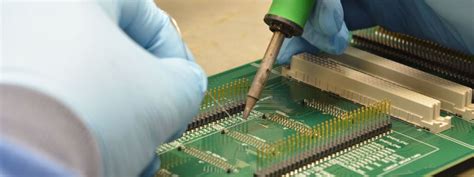
How To Choose The Right Components For Mouser PCB Assembly
When embarking on a project that involves Mouser PCB assembly, selecting the right components is a critical step that can significantly influence the performance and reliability of the final product. The process of choosing components requires careful consideration of several factors, each of which plays a pivotal role in ensuring that the assembly meets the desired specifications and functions optimally.
To begin with, understanding the specific requirements of your project is essential.
This involves a thorough analysis of the electrical and mechanical specifications that the PCB must adhere to. By clearly defining these parameters, you can narrow down the list of potential components, focusing only on those that meet the necessary criteria. For instance, if your project demands high-speed data processing, selecting components with appropriate speed ratings and signal integrity is crucial.
Once the project requirements are established, the next step is to consider the availability and sourcing of components.
Mouser Electronics, known for its extensive catalog, offers a wide range of components that cater to various needs. However, it is important to verify the availability of these components to avoid potential delays in the assembly process. Checking the stock levels and lead times on Mouser’s platform can provide valuable insights into the feasibility of using certain components. Additionally, considering alternative components or suppliers can be a prudent strategy to mitigate risks associated with supply chain disruptions.
Another important aspect to consider is the compatibility of components with the PCB design.
This involves ensuring that the selected components fit within the physical constraints of the PCB layout and are compatible with the other components in the assembly. Utilizing design software tools can aid in visualizing the placement and routing of components, thereby helping to identify any potential conflicts or issues early in the design phase. Moreover, consulting with design engineers or utilizing Mouser’s technical support can provide additional guidance in making informed decisions.
Cost is also a significant factor in component selection. While it may be tempting to opt for the least expensive components to minimize costs, it is important to balance cost considerations with quality and reliability. In many cases, investing in higher-quality components can lead to better performance and longevity, ultimately resulting in cost savings over the product’s lifecycle. Conducting a cost-benefit analysis can help in determining the most cost-effective components that do not compromise on quality.
Furthermore, considering the environmental and regulatory compliance of components is increasingly important.
Ensuring that components meet industry standards and regulations, such as RoHS or REACH, is essential for both legal compliance and environmental responsibility. Mouser provides detailed information on the compliance status of its components, making it easier for designers to make informed choices.
In conclusion, selecting the right components for Mouser PCB assembly involves a comprehensive evaluation of project requirements, component availability, compatibility, cost, and compliance. By carefully considering these factors and utilizing the resources available through Mouser, designers can make informed decisions that enhance the performance and reliability of their PCB assemblies. This meticulous approach not only ensures the success of the current project but also lays a solid foundation for future endeavors in the ever-evolving field of electronics.