Multilayer pcb prepreg
Understanding the Role of Prepreg in Multilayer PCB Fabrication
In the realm of modern electronics, multilayer printed circuit boards (PCBs) have become indispensable due to their ability to support complex circuitry in a compact form. A critical component in the fabrication of these multilayer PCBs is the prepreg, a material that plays a pivotal role in ensuring the structural integrity and electrical performance of the final product. Understanding the function and importance of prepreg in multilayer PCB fabrication is essential for appreciating how these intricate devices are constructed.
Prepreg, short for pre-impregnated, refers to a composite material consisting of a reinforcing fabric, typically fiberglass, that is pre-coated with a resin system.
This resin is partially cured, allowing the prepreg to remain flexible and tacky, which facilitates its handling and application during the PCB manufacturing process. The choice of resin and fabric in prepreg is crucial, as it determines the mechanical, thermal, and electrical properties of the final PCB. Commonly used resins include epoxy, polyimide, and cyanate ester, each offering distinct advantages in terms of temperature resistance, dielectric properties, and cost.
In the fabrication of multilayer PCBs, prepreg serves as the adhesive layer that bonds the individual layers of copper-clad laminates together.
This bonding process is achieved through a combination of heat and pressure, which fully cures the resin in the prepreg, transforming it from a pliable state to a rigid, solid form. The curing process not only solidifies the structure but also ensures that the layers are electrically insulated from one another, a critical requirement for the proper functioning of the PCB.
Moreover, the use of prepreg in multilayer PCBs allows for the creation of complex, high-density interconnects.
As electronic devices continue to shrink in size while increasing in functionality, the demand for PCBs with multiple layers and intricate routing has surged. Prepreg materials enable the stacking of numerous layers without compromising the board’s reliability or performance. This capability is particularly important in applications such as smartphones, computers, and aerospace technology, where space is at a premium and performance cannot be sacrificed.
Transitioning from the structural role of prepreg, it is also important to consider its impact on the electrical characteristics of a multilayer PCB.
The dielectric properties of the prepreg material influence signal integrity, affecting parameters such as impedance, signal speed, and crosstalk. Engineers must carefully select prepreg materials that align with the specific electrical requirements of their designs to ensure optimal performance. This selection process often involves balancing trade-offs between cost, performance, and manufacturability.
Furthermore, advancements in prepreg technology continue to drive innovation in PCB fabrication.
New formulations and manufacturing techniques are being developed to enhance the thermal management capabilities of PCBs, a critical consideration as electronic devices generate increasing amounts of heat. Improved prepreg materials can help dissipate this heat more effectively, thereby extending the lifespan and reliability of the device.
In conclusion, prepreg is an essential component in the fabrication of multilayer PCBs, providing both structural support and influencing electrical performance. Its role in bonding layers, enabling high-density interconnects, and affecting signal integrity underscores its importance in modern electronics manufacturing. As technology continues to evolve, the development of advanced prepreg materials will undoubtedly play a key role in meeting the ever-growing demands for smaller, faster, and more reliable electronic devices.
Key Considerations for Selecting Prepreg Materials in Multilayer PCBs
When designing multilayer printed circuit boards (PCBs), selecting the appropriate prepreg materials is a critical decision that can significantly impact the performance, reliability, and cost-effectiveness of the final product. Prepreg, a composite material consisting of a reinforcing fabric impregnated with a resin system, serves as the insulating layer between the conductive layers in a multilayer PCB. As such, it plays a vital role in determining the electrical, thermal, and mechanical properties of the board. Therefore, understanding the key considerations for selecting prepreg materials is essential for engineers and designers aiming to optimize their PCB designs.
To begin with, the electrical properties of the prepreg material are of paramount importance.
The dielectric constant (Dk) and dissipation factor (Df) are two critical parameters that influence signal integrity and transmission speed. A lower dielectric constant is generally preferred for high-frequency applications, as it reduces signal delay and minimizes crosstalk between adjacent traces. Similarly, a low dissipation factor is desirable to minimize signal loss and ensure efficient power distribution. Consequently, selecting a prepreg material with suitable electrical properties is crucial for maintaining the performance of high-speed and high-frequency circuits.
In addition to electrical considerations, thermal properties are equally significant when choosing prepreg materials.
The coefficient of thermal expansion (CTE) and glass transition temperature (Tg) are key factors that determine the thermal stability of the PCB. A low CTE is essential to prevent mechanical stress and potential delamination during thermal cycling, especially in applications involving extreme temperature variations. Moreover, a high Tg is necessary to ensure that the prepreg material remains stable and does not soften or deform at elevated temperatures. Therefore, evaluating the thermal characteristics of prepreg materials is vital for ensuring the long-term reliability of multilayer PCBs.
Furthermore, mechanical properties such as tensile strength, flexural strength, and peel strength should not be overlooked.
These properties influence the structural integrity and durability of the PCB, particularly in applications subject to mechanical stress or vibration. A prepreg material with high tensile and flexural strength can withstand mechanical loads without cracking or breaking, while good peel strength ensures robust adhesion between layers. Thus, considering the mechanical attributes of prepreg materials is essential for designing PCBs that can endure demanding operational environments.
Cost considerations also play a significant role in the selection process.
While high-performance prepreg materials may offer superior electrical, thermal, and mechanical properties, they often come at a higher cost. Balancing performance requirements with budget constraints is a common challenge faced by designers. It is important to conduct a thorough cost-benefit analysis to determine the most cost-effective solution that meets the specific needs of the application.
Finally, environmental and regulatory factors should be taken into account.
With increasing emphasis on sustainability and compliance with environmental regulations, selecting prepreg materials that are environmentally friendly and meet industry standards is becoming increasingly important. This includes considering materials that are halogen-free, lead-free, and compliant with RoHS (Restriction of Hazardous Substances) directives.
In conclusion, selecting the right prepreg materials for multilayer PCBs involves a careful evaluation of electrical, thermal, mechanical, cost, and environmental factors. By considering these key aspects, designers can make informed decisions that enhance the performance, reliability, and sustainability of their PCB designs, ultimately leading to successful and efficient electronic products.
The Impact of Prepreg Thickness on Multilayer PCB Performance
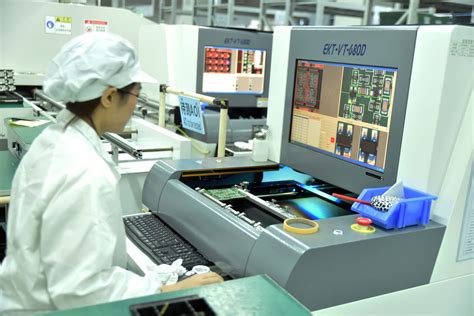
In the realm of electronics manufacturing, multilayer printed circuit boards (PCBs) are pivotal components that enable the complex interconnections required in modern devices. A critical element in the construction of these multilayer PCBs is the prepreg, a composite material that serves as an insulating layer between the conductive copper layers. The thickness of the prepreg plays a significant role in determining the overall performance of the PCB, influencing factors such as signal integrity, thermal management, and mechanical stability.
To begin with, the thickness of the prepreg directly affects the electrical performance of a multilayer PCB.
As electronic devices continue to shrink in size while increasing in functionality, the demand for high-speed signal transmission has intensified. Thinner prepreg layers can reduce the dielectric constant, which in turn minimizes signal delay and attenuation. This is particularly crucial in high-frequency applications where maintaining signal integrity is paramount. Conversely, thicker prepreg layers may introduce greater signal loss and crosstalk, potentially degrading the performance of the PCB. Therefore, selecting the appropriate prepreg thickness is essential to ensure optimal electrical characteristics.
In addition to electrical performance, thermal management is another critical aspect influenced by prepreg thickness.
As electronic components operate, they generate heat, which must be effectively dissipated to prevent overheating and ensure reliability. Thicker prepreg layers can provide better thermal insulation, reducing the risk of heat-induced failures. However, this can also impede heat dissipation, leading to potential hotspots within the PCB. On the other hand, thinner prepreg layers may facilitate more efficient heat transfer, but they might not offer sufficient insulation to protect sensitive components. Thus, a careful balance must be struck to achieve effective thermal management without compromising the PCB’s performance.
Moreover, the mechanical stability of a multilayer PCB is also contingent upon the thickness of the prepreg.
Thicker prepreg layers can enhance the structural integrity of the PCB, providing greater resistance to mechanical stresses such as bending and vibration. This is particularly important in applications where the PCB is subject to harsh environmental conditions or frequent handling. However, increased thickness can also lead to a heavier and bulkier PCB, which may not be suitable for all applications. Conversely, thinner prepreg layers can contribute to a lighter and more compact design, but they may compromise the mechanical robustness of the PCB. Therefore, the choice of prepreg thickness must consider the specific mechanical requirements of the application.
Furthermore, the manufacturing process itself is influenced by the thickness of the prepreg.
Thicker layers may require longer curing times and higher temperatures, potentially increasing production costs and time. Additionally, variations in prepreg thickness can lead to challenges in achieving uniform layer stacking, which is crucial for maintaining the dimensional accuracy of the PCB. Consequently, manufacturers must carefully control the prepreg thickness to ensure consistent quality and performance.
In conclusion, the thickness of the prepreg in multilayer PCBs is a critical parameter that impacts various aspects of the board’s performance, including electrical characteristics, thermal management, mechanical stability, and manufacturing efficiency. As such, it is imperative for designers and manufacturers to carefully consider the specific requirements of their applications when selecting the appropriate prepreg thickness. By doing so, they can optimize the performance and reliability of their multilayer PCBs, ultimately contributing to the advancement of electronic technology.
Innovations in Prepreg Technology for Advanced Multilayer PCB Designs
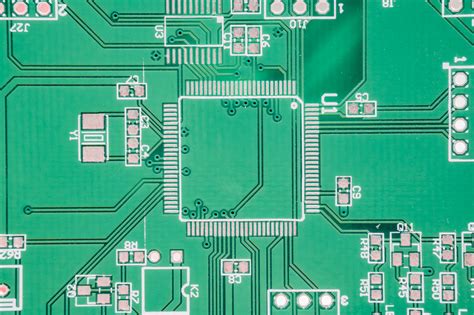
In the rapidly evolving field of electronics, the demand for more compact, efficient, and high-performance devices has led to significant advancements in multilayer printed circuit board (PCB) technology. A critical component in these advanced designs is the prepreg, a material that plays a pivotal role in the construction and functionality of multilayer PCBs. Prepreg, short for pre-impregnated, refers to a composite material consisting of a reinforcing fabric impregnated with a resin system. This material is essential in bonding the layers of a PCB together, providing both structural integrity and electrical insulation. As the complexity of electronic devices increases, so too does the need for innovative prepreg technologies that can meet the demands of modern multilayer PCB designs.
One of the most significant innovations in prepreg technology is the development of high-frequency and low-loss materials.
As electronic devices operate at increasingly higher frequencies, the dielectric properties of the materials used in PCBs become crucial. Traditional prepreg materials may not perform adequately at these frequencies, leading to signal loss and reduced performance. To address this, manufacturers have developed prepregs with advanced resin systems that offer low dielectric constants and low dissipation factors. These materials minimize signal loss and ensure that high-frequency signals are transmitted efficiently across the PCB, making them ideal for applications such as 5G telecommunications and high-speed computing.
In addition to improved dielectric properties, thermal management is another critical area where prepreg technology has seen significant advancements.
As electronic devices become more powerful, they generate more heat, which can adversely affect performance and reliability. To mitigate this, new prepreg materials have been engineered to offer enhanced thermal conductivity. These materials help dissipate heat more effectively, ensuring that the PCB and its components remain within safe operating temperatures. This innovation is particularly important for applications in automotive electronics and aerospace, where reliability and performance are paramount.
Moreover, the trend towards miniaturization in electronics has driven the need for thinner and more flexible prepreg materials.
As devices become smaller, the PCBs within them must also shrink, necessitating thinner layers and more compact designs. Advanced prepreg materials have been developed to meet these requirements, offering flexibility and reduced thickness without compromising on performance or reliability. This has enabled the production of smaller, lighter, and more efficient electronic devices, catering to the growing consumer demand for portable and wearable technology.
Sustainability is another area where prepreg technology is making strides.
With increasing awareness of environmental issues, there is a push towards more sustainable manufacturing processes and materials. Innovations in prepreg technology have led to the development of eco-friendly materials that reduce the environmental impact of PCB production. These materials are designed to be more easily recyclable and to minimize the use of hazardous substances, aligning with global efforts to promote sustainability in the electronics industry.
In conclusion, the innovations in prepreg technology are playing a crucial role in advancing multilayer PCB designs. By addressing key challenges such as high-frequency performance, thermal management, miniaturization, and sustainability, these advancements are enabling the development of next-generation electronic devices. As the demand for more sophisticated and efficient electronics continues to grow, the importance of cutting-edge prepreg materials in the design and manufacture of multilayer PCBs cannot be overstated. These innovations not only enhance the performance and reliability of electronic devices but also contribute to a more sustainable future for the electronics industry.