OEM PCB Manufacturing: Key Benefits for Electronics Brands
Key Takeaways
When exploring PCB manufacturing partnerships, you gain access to specialized expertise that reduces PCB manufacturing cost while maintaining precision. Leading PCB manufacturing companies leverage advanced technologies like automated assembly and multilayer fabrication, ensuring your designs meet IPC Class III standards for high-reliability applications. By outsourcing to an established PCB manufacturing business, you eliminate capital investments in equipment and training, freeing resources for R&D or market expansion.
Tip: Prioritize OEM partners with certifications like ISO 9001 and AS9100 to ensure consistent quality across production batches.
Scalable EMS solutions allow you to adjust order volumes without compromising lead times—critical for adapting to fluctuating demand. Rigorous testing protocols, including AOI and X-ray inspections, minimize defects, while real-time supply chain visibility helps avoid component shortages. This operational efficiency not only accelerates time-to-market but also strengthens your brand’s reputation for delivering durable electronics.
By aligning with partners who offer end-to-end services—from prototyping to bulk production—you streamline workflows and focus on innovation. Whether you’re entering new markets or scaling existing lines, strategic PCB manufacturing collaborations provide the agility to stay competitive in dynamic industries.
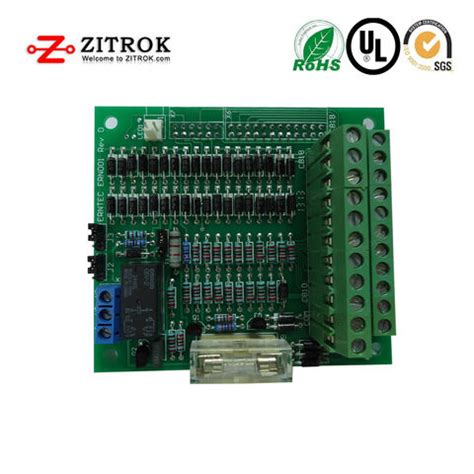
Cost-Effective PCB Solutions for OEMs
When scaling your electronics brand, managing PCB manufacturing costs without compromising quality is critical. Partnering with specialized PCB manufacturing companies allows you to leverage economies of scale, advanced fabrication techniques, and bulk material sourcing—all factors that directly reduce per-unit expenses. For instance, high-volume orders often unlock tiered pricing models, while optimized panelization designs minimize material waste.
A key advantage lies in balancing technical specifications with cost efficiency. For example:
| Cost Factor | Standard PCB Manufacturing | OEM-Optimized Approach |
|---|---|---|
| Material Sourcing | Generic substrates | High-volume discounts |
| Design Complexity | Manual adjustments | DFM-guided layouts |
| Production Volume | Low-volume premiums | Scalable tiered pricing |
By aligning your PCB manufacturing business needs with a partner’s capabilities, you avoid over-engineering or underutilizing resources. Advanced EMS providers (https://www.andwinpcba.com)) further streamline processes like component procurement and testing, eliminating hidden fees. This approach ensures predictable PCB manufacturing cost structures, freeing capital for R&D or market expansion.
Ultimately, the right collaboration transforms PCB manufacturing from a cost center to a strategic asset, enabling you to deliver competitive pricing while maintaining profit margins.
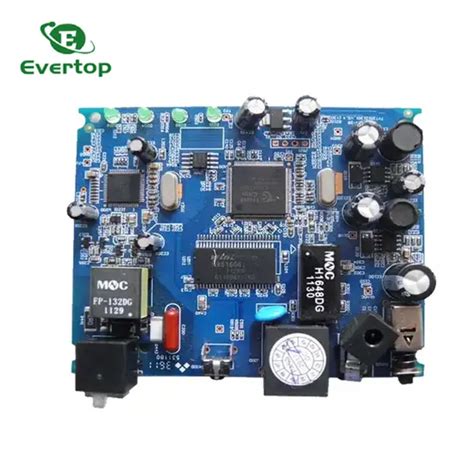
IPC Class III Compliance in PCB Manufacturing
When partnering with PCB manufacturing companies, ensuring adherence to IPC Class III standards is critical for electronics brands targeting high-reliability applications. Unlike Class I or II, IPC Class III mandates stricter tolerances, superior material quality, and rigorous testing protocols—factors that directly influence PCB manufacturing cost but deliver unmatched performance in aerospace, medical devices, or mission-critical systems. By prioritizing compliance, you mitigate risks like signal interference or component failure, which can compromise product longevity and brand reputation.
While some PCB manufacturing providers may focus on cost-cutting for consumer-grade products, IPC Class III-certified partners align their processes to meet exacting requirements. This includes advanced inspection techniques, such as automated optical testing (AOT) and X-ray analysis, to ensure defect-free boards. Though initial investments in compliance might elevate PCB manufacturing business expenses, the long-term savings from reduced recalls and warranty claims often justify the upfront costs. Moreover, working with certified manufacturers streamlines regulatory approvals, accelerating time-to-market for industries where reliability isn’t negotiable.
By integrating IPC Class III compliance into your supply chain strategy, you future-proof your electronics against evolving industry demands while maintaining alignment with global quality benchmarks.
Scalable EMS Partnerships for Brand Growth
When aligning with PCB manufacturing companies that offer scalable EMS partnerships, you gain the agility to adapt production volumes to market demands without compromising quality. These partnerships enable you to manage PCB manufacturing cost fluctuations effectively, as experienced providers optimize material sourcing, labor allocation, and logistics. By leveraging their expertise in PCB manufacturing business workflows, you can minimize upfront capital investments while scaling up or down based on seasonal trends or product lifecycle stages.
A strategic EMS partner integrates advanced PCB manufacturing processes with your brand’s unique requirements, ensuring seamless transitions from prototyping to mass production. For instance, they might deploy modular production lines or flexible inventory management systems to accommodate sudden order surges. This scalability isn’t just about capacity—it’s about maintaining consistent quality across batches, even during rapid expansion.
Moreover, such collaborations free your team to focus on innovation and market penetration, knowing that backend operations align with IPC and ISO standards. Whether you’re entering new regions or launching product variants, scalable partnerships future-proof your supply chain, turning PCB manufacturing cost efficiencies into competitive pricing and faster time-to-market. The result? A stronger brand reputation built on reliability and adaptability.
Quality Assurance in OEM PCB Production
When selecting PCB manufacturing companies for your electronics brand, rigorous quality assurance protocols directly impact product performance and market reputation. Leading OEM partners implement multi-stage inspection systems that begin with raw material verification and extend through final product testing. By adhering to IPC Class III standards—the highest reliability grade for mission-critical electronics—manufacturers ensure your boards withstand extreme operating conditions while maintaining signal integrity.
Advanced PCB manufacturing processes integrate automated optical inspection (AOI) and X-ray testing to detect micro-defects invisible to the naked eye, reducing field failure rates by up to 67% compared to manual checks. These protocols not only safeguard against recalls but also optimize PCB manufacturing cost by minimizing material waste and rework. For brands scaling their PCB manufacturing business, consistent quality metrics enable faster regulatory approvals and smoother transitions to high-volume production.
Proven quality frameworks also strengthen supply chain transparency, allowing you to trace component-level data across batches. This becomes critical when updating designs or addressing potential compliance shifts. By prioritizing partners with certified quality management systems (QMS), you transform assurance from a cost center into a strategic asset—one that protects margins while accelerating time-to-market.
Streamlining Electronics Production with OEMs
When optimizing your electronics production, partnering with PCB manufacturing companies can significantly reduce operational complexities. By leveraging their expertise in PCB manufacturing, you eliminate the need for in-house infrastructure investments, allowing your team to focus on core competencies like product design and market strategy. These providers specialize in balancing PCB manufacturing cost efficiency with precision, ensuring rapid prototyping and bulk production scalability.
A streamlined supply chain is critical in the PCB manufacturing business, where delays directly impact time-to-market. OEMs offer standardized workflows, from component sourcing to quality testing, minimizing bottlenecks. Advanced manufacturers also deploy automation and real-time monitoring systems, reducing human error while maintaining IPC Class III standards for high-reliability applications.
Transitioning to OEM partnerships doesn’t just cut costs—it future-proofs your operations. As demand fluctuates, scalable EMS solutions enable seamless adjustments to production volumes without compromising quality. This agility ensures your brand can respond swiftly to market trends while maintaining consistent product reliability, a key advantage in competitive industries.
OEM PCB Manufacturing for Market Expansion
Expanding into new markets requires balancing technical capabilities with financial agility—a challenge where partnering with PCB manufacturing specialists becomes transformative. By collaborating with established PCB manufacturing companies, you gain access to geographically distributed production hubs, enabling faster entry into regional markets without the overhead of building local facilities. This approach directly addresses PCB manufacturing cost barriers, as economies of scale from high-volume orders reduce per-unit expenses, freeing capital for market-specific R&D or marketing campaigns.
For electronics brands eyeing international growth, IPC Class III-compliant PCB manufacturing ensures products meet stringent reliability standards demanded by industries like automotive or medical devices—a critical advantage when entering regulated markets. Additionally, PCB manufacturing business models often include value-added services like logistics optimization and certification support (e.g., CE or UL), streamlining compliance across borders.
Scalability remains central to market expansion strategies. Leading PCB manufacturing companies offer flexible order volumes, allowing you to test demand in emerging markets without overcommitting resources. This agility, combined with shared expertise in design-for-manufacturability (DFM), accelerates time-to-market while maintaining consistency—key factors in building brand credibility during geographic or vertical expansion.
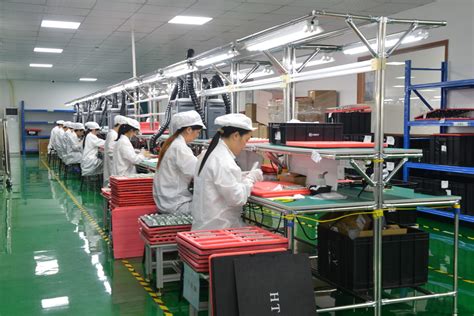
Enhancing Product Reliability with OEM PCBs
When building electronics that withstand real-world demands, partnering with specialized PCB manufacturing companies ensures your products meet rigorous quality benchmarks. These providers leverage advanced design validation processes and automated optical inspection systems to identify potential flaws early, reducing failure rates in finished devices. By optimizing PCB manufacturing cost through economies of scale and refined production workflows, OEMs allocate resources toward reliability-enhancing measures like thermal stress testing or conformal coating—features that might otherwise strain budgets for smaller brands.
Established PCB manufacturing partners adhere to IPC-6012 and ISO 9001 standards, ensuring consistent material quality and traceability across batches. This standardization minimizes variability, a critical factor for high-reliability applications such as medical devices or automotive systems. Additionally, their expertise in signal integrity optimization and EMI shielding directly impacts long-term performance, particularly for complex multilayer boards.
For brands scaling their PCB manufacturing business, reliability translates to reduced warranty claims and stronger market credibility. Proactive failure mode analysis, paired with lifecycle testing, helps preempt field issues before they escalate. By aligning with OEMs that prioritize these practices, you secure a supply chain foundation that protects your brand’s reputation while accommodating future technical advancements.
Strategic Benefits of OEM PCB Partnerships
Collaborating with specialized PCB manufacturing companies unlocks competitive advantages that extend far beyond basic production. By outsourcing PCB manufacturing to established partners, you gain access to advanced engineering expertise without the overhead of maintaining in-house facilities. This allows your team to focus on core competencies like product design while leveraging your partner’s knowledge of design-for-manufacturability (DFM) principles to minimize PCB manufacturing cost and accelerate time-to-market.
Strategic partnerships also enable scalable resource allocation—critical for managing fluctuating demand in the PCB manufacturing business. Whether ramping up for seasonal peaks or prototyping new designs, OEM providers offer flexible capacity and supply chain transparency. Additionally, their adherence to industry-leading quality frameworks ensures consistent output, reducing risks of defects or delays. By aligning with a partner that prioritizes technological innovation, you position your brand to adapt swiftly to evolving market requirements, turning PCB manufacturing from a logistical task into a growth catalyst.
Conclusion
When evaluating PCB manufacturing partnerships, aligning with established PCB manufacturing companies ensures you leverage specialized expertise while maintaining focus on core competencies. By optimizing PCB manufacturing cost structures through economies of scale and advanced production techniques, these collaborations enable you to allocate resources strategically—balancing quality, compliance, and innovation.
A well-chosen PCB manufacturing business acts as an extension of your team, integrating seamlessly with your supply chain to mitigate risks and accelerate time-to-market. This approach not only enhances product reliability but also strengthens your brand’s position in competitive markets. As you scale, the flexibility of such partnerships supports dynamic demand shifts without compromising on IPC Class III standards or traceability protocols.
Ultimately, the strategic alignment with OEM partners transforms PCB manufacturing from a transactional process into a growth accelerator. By prioritizing scalable solutions and rigorous quality frameworks, you secure a foundation for sustained innovation and market leadership in the electronics industry.

FAQs
How do PCB manufacturing partnerships reduce upfront costs for electronics brands?
By collaborating with specialized PCB manufacturing companies, you avoid capital investments in equipment and engineering teams. These partners leverage economies of scale to lower PCB manufacturing cost while maintaining quality, allowing you to allocate resources to R&D or marketing.
What should you prioritize when selecting a PCB manufacturing business for compliance-critical projects?
Ensure the partner adheres to IPC Class III standards for high-reliability applications. Reputable PCB manufacturing providers will offer traceable documentation, rigorous testing protocols, and certifications relevant to your industry’s regulatory requirements.
Can PCB manufacturing companies scale production during peak demand cycles?
Yes, established partners integrate flexible EMS solutions to adjust output volumes without compromising turnaround times. This scalability ensures consistent supply chain performance, even during rapid market expansion or seasonal spikes.
How do quality assurance processes differ among PCB manufacturing partners?
Top-tier providers employ automated optical inspection (AOI), X-ray testing, and functional testing at multiple production stages. Always verify their defect rates (typically measured in parts per million) and request case studies demonstrating zero-defect manufacturing for comparable projects.
Ready to Streamline Your PCB Supply Chain?
For tailored PCB manufacturing solutions that align with your brand’s growth goals, please click here to explore partnership opportunities with industry-leading expertise.