Optimizing Circuit Board Assembly for Enhanced Efficiency and Quality
Key Takeaways
Optimizing pcb assembly processes is essential for manufacturers striving to achieve a balance between efficiency and quality. One of the primary takeaways from recent advancements is the incorporation of lean principles that target waste reduction in the assembly workflow. Implementing these principles can significantly enhance production speed while maintaining the necessary standards for quality assurance. Additionally, leveraging emerging technologies such as automated inspection systems and advanced soldering techniques can lead to a more reliable product, enabling manufacturers to meet customer demand more effectively. Another important point is the adoption of digital tools and data analytics, which provide insights into production bottlenecks, guiding decision-making to streamline operations. Equally crucial is the focus on employee training in pcba techniques, as skillful operators are integral to minimizing errors and maximizing output. Thus, a holistic approach that includes both technological investments and workforce development can dramatically improve overall assembly performance, positioning companies competitively in the landscape of electronics manufacturing.
Introduction to Circuit Board Assembly Optimization
Efficient pcb assembly is critical in today’s fast-paced electronics market where demand for high-quality and reliable products continues to grow. This article will delve into the multifaceted approaches that can be employed to optimize pcba processes for enhanced efficiency and quality. Effective circuit board assembly involves not just the physical assembly of components, but also a keen focus on workflow dynamics, resource allocation, and quality assurance. By integrating best practices such as lean manufacturing principles and just-in-time inventory management, businesses can significantly reduce waste while improving throughput. Moreover, the incorporation of emerging technologies like artificial intelligence and machine learning can revolutionize traditional assembly processes by predicting failures before they occur and enabling smart decision-making.
“Continuous improvement is not just a goal; it is a necessity in achieving excellence in circuit board assembly.”
Additionally, harnessing automation tools can streamline routine tasks, minimize human error, and free up personnel for more complex problem-solving roles. As manufacturers navigate common challenges like fluctuating demand and supply chain disruptions, embracing these optimization strategies will ensure they remain competitive in an ever-evolving landscape. Ultimately, a methodical approach to pcb assembly optimization not only enhances operational synergy but also contributes to superior product quality that meets or exceeds market expectations.
Best Practices for Streamlining Assembly Processes
To enhance the efficiency and quality of pcb assembly, implementing best practices is essential. One fundamental approach is to establish a standardized workflow that minimizes variability and maximizes consistency. This can be achieved by utilizing detailed process documentation, which outlines the steps involved in every phase of the pcba process. Furthermore, conducting regular training sessions for personnel ensures that all team members are well-versed in techniques and tools, thereby reducing errors and increasing overall productivity.
Another effective strategy is the integration of real-time monitoring systems that provide immediate feedback on production performance. This allows operators to detect issues proactively, ensuring that the assembly lines remain efficient and responsive. Implementing a Lean manufacturing approach can further streamline operations by identifying and eliminating waste throughout the circuit board assembly process.
Moreover, investing in high-quality materials and components plays a crucial role in enhancing the outcome of pcb assembly projects. Using top-tier supplies not only boosts final product quality but also minimizes rework and returns due to defects.
The following table highlights key practices for optimizing circuit board assembly processes:
| Best Practice | Description |
|---|---|
| Standardized Workflow | Establish clear procedures to enhance consistency and reduce errors. |
| Real-Time Monitoring | Implement systems that offer immediate feedback on production efficiency. |
| Employee Training | Regular training ensures team members are skilled in current techniques. |
| Lean Manufacturing | Identify and eliminate waste to increase operational efficiency. |
| Quality Materials | Use high-grade components to improve product reliability and reduce defects. |
By employing these best practices, organizations can significantly boost their operational performance regarding pcb assembly, ensuring both enhanced efficiency and superior quality in their final products.
Emerging Technologies in Circuit Board Production
The field of pcb assembly is witnessing remarkable advancements driven by emerging technologies that are reshaping production methodologies. As an integral component of modern electronics, pcba processes are evolving with the introduction of innovative materials and techniques that enhance efficiency and quality. One of the pivotal technologies gaining traction is automated optical inspection (AOI), which utilizes machine vision systems to detect defects at an unprecedented speed and accuracy. Additionally, the integration of Internet of Things (IoT) solutions provides real-time data analytics, facilitating proactive decision-making and minimizing downtime during assembly processes. New manufacturing techniques, such as additive manufacturing—commonly known as 3D printing—are also being explored to create complex PCB geometries that were previously unattainable, thereby optimizing space and reducing material waste. Furthermore, the implementation of flexible circuits offers versatility in design, allowing for lightweight assemblies that can conform to various shapes and applications. With these technologies at the forefront, manufacturers are not only improving production rates but also reinforcing overall product reliability and customer satisfaction within the realm of pcb assembly. By embracing these advancements, companies can achieve a competitive edge in a rapidly evolving marketplace while ensuring high standards in their pcba performance.
Techniques for Enhancing Quality Control
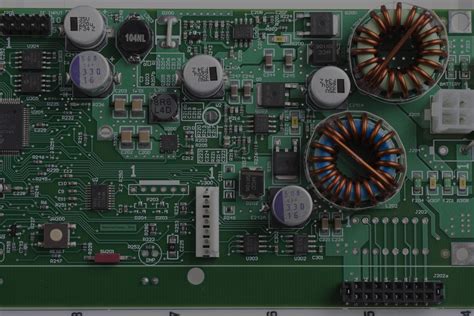
In the realm of pcb assembly, quality control plays a crucial role in ensuring both the reliability and performance of the final product. To elevate quality control processes in pcba, several innovative techniques can be employed. One effective method is the implementation of automated optical inspection (AOI) systems, which utilize advanced imaging technology to detect defects at various stages of assembly. This not only reduces human error but also significantly speeds up the inspection process, allowing for a higher throughput and reduced cycle time. Additionally, enhancing training for assembly line workers on best practices in handling components can lead to fewer mistakes and improved workmanship. Another technique involves integrating real-time monitoring systems that provide instant feedback on assembly line performance, helping to identify potential issues before they escalate into more significant problems. Furthermore, conducting regular audits and using statistical process control (SPC) can help ensure that all elements of the pcb assembly process meet established quality standards. By applying these techniques, organizations can achieve meticulous quality assurance in pcba, yielding products that not only meet customer expectations but also promote brand trust and longevity in competitive markets.

The Role of Automation in Circuit Board Assembly
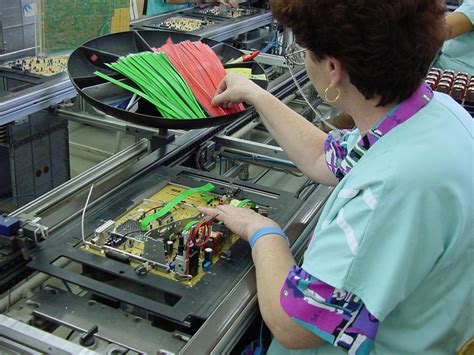
In the realm of pcb assembly, automation plays a pivotal role in transforming traditional assembly lines into highly efficient production hubs. By implementing advanced robotic systems and automated machinery, manufacturers can significantly enhance pcba processes, resulting in reduced labor costs and minimized human error. Automation facilitates precise component placement and soldering, which is crucial for achieving high-quality assembly outputs. The integration of smart technology not only accelerates production speed but also allows real-time monitoring of the assembly process, ensuring consistent quality control. Additionally, automated systems can seamlessly adapt to varying levels of production demand, providing flexibility that is vital in today’s rapidly changing market landscape. Organizations that leverage automation in circuit board assembly will not only optimize efficiency but also position themselves to meet the evolving needs of their clientele while maintaining high standards for reliability and performance in their pcba products.
Addressing Common Challenges in Assembly Efficiency
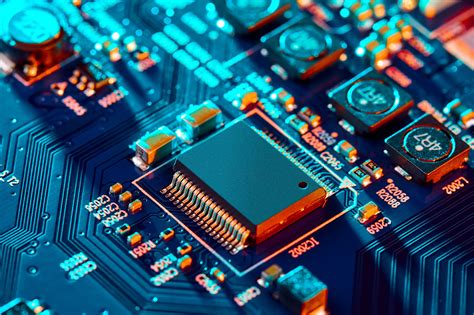
In the realm of pcb assembly, maximizing efficiency while maintaining high standards of quality can often present a multitude of challenges. One significant hurdle is the complexity of electronic components, which can vary widely in size, shape, and solderability. This variability requires that manufacturers develop robust processes tailored for each particular pcba order, which can lead to inconsistent workflow if not managed effectively. Additionally, manual handling during assembly can introduce human error, resulting in rework or defective products. To combat this issue, adopting automated systems is crucial; they enhance precision and reduce cycle times. Another common challenge relates to supply chain delays which can hinder the timely availability of parts needed for pcb assembly. Implementing just-in-time (JIT) strategies and establishing strong relationships with suppliers can mitigate these risks by ensuring that components arrive when needed without excess inventory costs. Furthermore, implementing continuous training programs for personnel guarantees that all employees are adept at using the latest assembly technologies and techniques effectively. By addressing these common challenges head-on, manufacturers can streamline their pcba processes, thereby enhancing overall efficiency and product quality in a competitive market landscape.
Case Studies: Successful Implementations of Optimized Processes
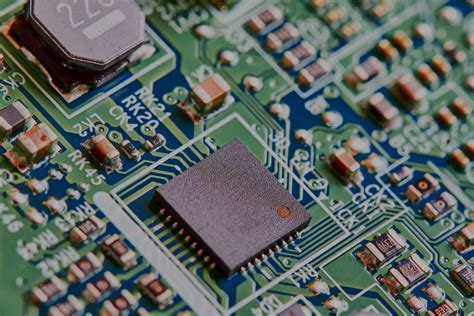
In recent years, several organizations have successfully implemented pcb assembly optimization strategies that significantly improved their production lines. For instance, one leading electronics manufacturer adopted a multi-faceted approach by integrating emerging technologies such as machine learning and data analytics into their pcba processes. This allowed for real-time monitoring and adjustments, ultimately boosting efficiency by 30%, while also enhancing quality control measures that ensured defect rates dropped substantially. Another case involved a small-scale startup that redesigned its assembly line layout based on lean manufacturing principles, which led to a reduction in cycle time and minimized waste during production. By focusing on these best practices, they were able to scale their operations without compromising quality, which is crucial in the competitive realm of circuit board assembly. These examples illustrate the effectiveness of optimized processes in achieving significant advancements not only in productivity but also in maintaining high standards of quality in pcb assembly operations. Companies looking to enhance their performance would do well to analyze these successful implementations for valuable insights and inspiration.
Future Trends in Circuit Board Assembly Optimization
As the demand for more sophisticated electronic devices continues to escalate, pcb assembly processes are evolving rapidly to meet these challenges through innovative solutions. Upcoming trends in pcba optimization highlight the integration of advanced technologies such as artificial intelligence and machine learning, which enable predictive analytics to streamline production. These technologies allow for real-time monitoring of assembly lines, thus identifying inefficiencies and potential errors before they escalate into costly issues. Furthermore, the adoption of 3D printing techniques for creating custom components is reshaping the landscape of circuit board assembly. This allows manufacturers to achieve greater design flexibility and reduce lead times significantly. Additionally, enhanced automation tools are being implemented to improve precision and reduce human error in assembly tasks. It is crucial for organizations to embrace these trends while focusing on sustainability measures—such as using eco-friendly materials and reducing waste—ensuring that future pcb assembly practices are not only efficient but also environmentally responsible. By keeping an eye on these advancements, manufacturers can achieve superior quality control, ultimately leading to more reliable and high-performing electronic products.
Conclusion
In summary, optimizing pcb assembly processes is crucial for achieving substantial improvements in both efficiency and quality within the electronics manufacturing industry. The integration of emerging technologies like IoT and AI-driven analytics can significantly enhance the decision-making capabilities throughout the pcba workflow. By adopting best practices such as lean manufacturing principles and implementing rigorous quality control measures, companies can streamline their assembly lines, reducing production costs while ensuring superior product reliability. Moreover, automation remains a key player, offering valuable solutions that address common challenges—including labor shortages and production delays—often encountered in traditional assembly methods. As industries continue to evolve, keeping an eye on future trends will be vital for adapting to changing market demands and maintaining a competitive edge in the ever-advancing world of circuit board assembly.
FAQs
What is PCB assembly and why is it important?
PCB assembly refers to the process of connecting electronic components to a printed circuit board (PCB). This process is crucial as it directly impacts the performance and reliability of electronic devices.
What are common challenges faced in PCB assembly?
Common challenges include managing component placement, ensuring solder quality, and minimizing defects during production. Addressing these challenges is essential for enhancing overall quality and efficiency.
How can automation help in PCB assembly?
Automation streamlines processes such as component placement and soldering, which not only increases speed but also improves accuracy in pcba. This technological advancement minimizes human errors and enhances process consistency.
What best practices can improve the efficiency of PCB assembly?
Implementing a lean manufacturing approach, maintaining clear communication among team members, and utilizing advanced technologies such as machine vision for inspection are effective strategies for improving efficiency in pcba.
What role do emerging technologies play in enhancing PCB assembly processes?
Emerging technologies like Internet of Things (IoT) integrations, advanced robotics, and artificial intelligence can predict failures, optimize workflows, and enable real-time monitoring, significantly enhancing both efficiency and quality.
Explore More on PCB Assembly
For more detailed insights into optimizing your circuit board production processes, please click here.