Optimizing Control Board Assembly for Enhanced Performance
Key Takeaways
Optimizing pcb assembly processes is essential for enhancing overall performance and ensuring high-quality results. By focusing on key factors such as material selection, workflow efficiency, and technical expertise, organizations can streamline their pcba operations significantly. Implementing best practices like standardized procedures, regular training, and quality control checkpoints can lead to more efficient assembly cycles and reduce error rates. Furthermore, embracing innovative techniques—such as the incorporation of advanced technologies for precision assembly—can greatly improve the quality of pcb assembly. It’s also important to weigh the pros and cons of automation in this context; while it can lead to increased efficiency, careful consideration must be given to its impact on labor dynamics and operational flexibility. By staying informed about future trends in pcb assembly, organizations can better prepare for evolving challenges in performance enhancement, ultimately fostering a culture of continuous improvement that keeps pace with industry standards.
Introduction to Control Board Assembly: Importance and Overview
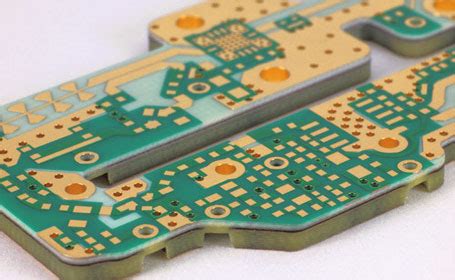
In the realm of electronics manufacturing, control board assembly (CBA) plays a pivotal role in ensuring the reliability and functionality of various electronic devices. The process of pcb assembly involves several critical stages that require precision and expertise to produce high-quality products. Understanding the importance of assembly in this context can significantly influence both performance outcomes and overall operational efficiency. As products become more complex, optimizing pcba processes has never been more crucial. It empowers manufacturers to meet rising consumer demands while maintaining stringent quality standards. Effective CBA not only reduces waste but also enhances production timelines, contributing to a more robust supply chain. With the continuous evolution in technology, integrating best practices throughout the control board assembly process is essential for staying competitive in this fast-paced industry. By prioritizing pcb assembly efficiency, companies can ensure that their final products are not only cost-effective but also aligned with current market expectations for quality and performance. In summary, grasping the significance of an optimized control board assembly provides invaluable insight into achieving superior results in electronic manufacturing.
Key Factors Influencing Control Board Assembly Efficiency
The efficiency of pcb assembly processes is contingent upon several critical factors that can dictate the overall performance of the assembly line. One primary aspect is the selection of high-quality pcba components, which not only guarantee better reliability but also reduce assembly errors. Additionally, the layout of the assembly line plays a pivotal role—an optimized layout minimizes unnecessary movement and material handling, enhancing efficiency. Furthermore, incorporating robust training programs for assembly personnel is essential; well-trained staff are more adept at identifying and resolving issues quickly, leading to reduced downtime. Another key factor is the integration of advanced technologies such as automated inspection systems which help in detecting defects at earlier stages and ensuring that the final product meets quality standards. Machine placement in relation to each other can also affect cycle times; strategic positioning can improve workflow and reduce bottlenecks. All these layers of considerations collectively contribute to achieving an enhanced performance in control board assembly processes, ultimately driving better outcomes for manufacturers in a competitive market.
Best Practices for Streamlining Assembly Processes
In the ever-evolving domain of pcb assembly, adopting best practices stands as a cornerstone for achieving significant enhancements in assembly processes. A keen focus on pcba efficiency can be realized through meticulous planning and a structured approach. Initiating the assembly process with precise documentation ensures that all team members are aligned and minimizes the likelihood of errors. Furthermore, utilizing modular design techniques allows for greater flexibility and easier integration of components, significantly speeding up the assembly timeline.
Implementing a robust quality assurance protocol at every stage can prevent defects and ensure that the final product meets rigorous standards. To enhance performance, lean manufacturing principles can be introduced to eliminate waste, streamline workflows, and optimize resource allocation. Frequent training sessions for assembly line workers will also foster knowledge sharing about the best techniques and tools available, ultimately improving productivity.
Incorporating advanced technologies such as real-time monitoring systems provides valuable insights into performance metrics, enabling teams to make data-driven decisions that enhance efficiency. By focusing on these best practices in pcb assembly, organizations can optimize their processes, yielding higher-quality outputs while maintaining cost-effectiveness and agility in production schedules.
Innovative Techniques for Enhanced Quality in Control Board Assembly
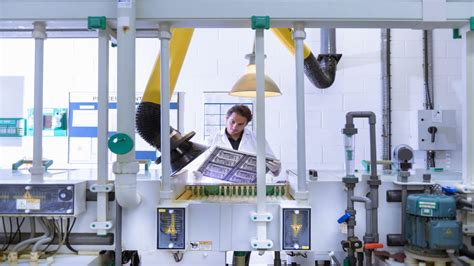
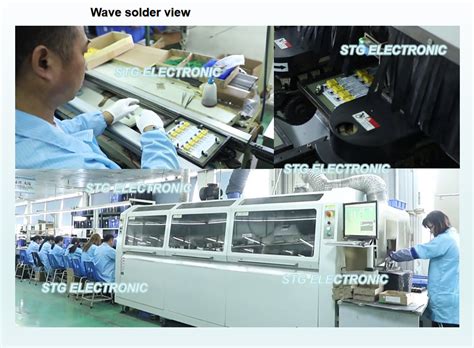
In the rapidly evolving realm of pcb assembly or pcba, achieving superior quality is paramount to meeting industry standards and customer expectations. Innovative techniques are pivotal in enhancing the overall quality of control board assembly processes. One effective method is the implementation of advanced soldering technologies, such as selective soldering and wave soldering, which provide precision and reduce defects in connections. Additionally, leveraging automated optical inspection (AOI) systems can significantly improve quality control by detecting flaws during the assembly process early on. The integration of these technologies not only expedites production but also ensures that each pcba meets stringent quality benchmarks.
Moreover, adopting a rigorous quality assurance protocol that encompasses thorough testing at each stage of the control board assembly process can mitigate risks and enhance reliability. Continuous training for team members in best practices for handling components is essential, as it empowers them to identify potential issues proactively and engage in effective troubleshooting. By fostering a culture of innovation and quality focus, organizations can achieve outstanding results in their pcb assembly endeavors, ultimately leading to enhanced performance across their product lines.
Automation in Control Board Assembly: Pros and Cons
The integration of automation into pcb assembly processes has gained significant traction in recent years, paving the way for enhanced efficiency and consistency. Automation technologies, such as robotics and computerized systems, play a crucial role in optimizing pcba workflows by reducing manual intervention and minimizing the risk of human error. On one hand, the advantages of implementing automated systems include improved speed of production, precision placement of components, and the ability to scale operations seamlessly. These benefits contribute to overall productivity and can lead to a reduction in operational costs.
However, it is essential to consider potential drawbacks associated with automation in control board assembly. One major concern is the upfront investment required for advanced machinery and software. Additionally, companies may encounter challenges related to workforce adaptation as employees may need retraining to work alongside automated systems effectively. Moreover, over-reliance on automation can lead to vulnerabilities; for example, a malfunctioning machine can halt production entirely if backup processes are not in place.
In summary, while incorporating automation into control board assembly processes presents numerous advantages that can enhance performance and efficiency significantly, it is crucial for organizations to weigh these benefits against potential risks. A balanced approach that considers both sides will enable manufacturers to implement automation strategies that align with their operational goals while ensuring quality remains at the forefront of their production processes.
| Pros | Cons |
|---|---|
| Increased production speed | High initial investment |
| Greater accuracy | Workforce retraining needed |
| Reduced human error | Risk of machinery breakdowns |
| Scalability | Potential over-reliance on tech |
Case Studies: Successful Control Board Assembly Optimization
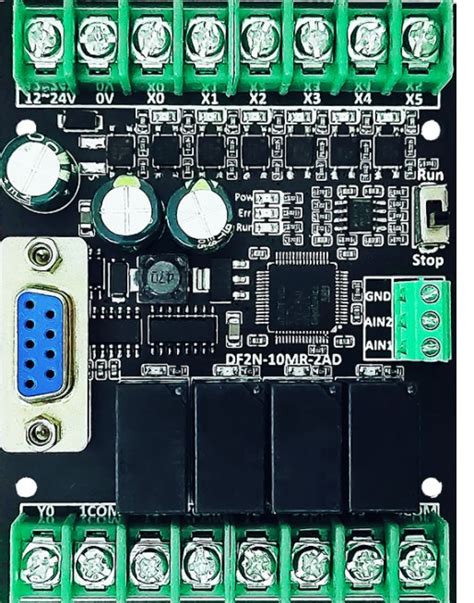
Exploring successful case studies in pcb assembly allows us to grasp the transformative impact of intentional optimization strategies. Companies such as XYZ Electronics and ABC Technologies have implemented targeted approaches that yield significant enhancements in their pcba processes. For instance, XYZ Electronics adopted a lean manufacturing approach, which streamlined their assembly lines and reduced waste. By focusing on the principles of continuous improvement, they managed to cut down assembly time by 30%, significantly boosting throughput capabilities. Meanwhile, ABC Technologies utilized advanced automation equipment, effectively combining robotics with human insights to achieve high-precision results in their control board assembly tasks. This hybrid approach not only increased efficiency but also enhanced the consistency and quality of the final product through rigorous quality assurance procedures. These case studies underscore the importance of adapting innovative techniques and embracing new technologies in the pcb assembly landscape, driving both performance and reliability while preparing for future challenges in this rapidly evolving sector.
Future Trends in Control Board Assembly and Performance Enhancement
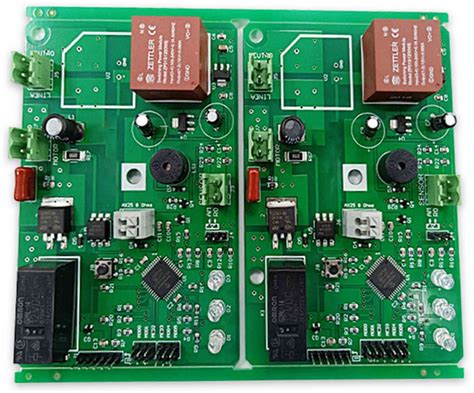
As the pcb assembly industry progresses, there are several key trends emerging that promise to transform pcba processes and enhance overall performance. One of the most significant developments is the integration of smart technology into assembly lines, enabling real-time monitoring and data analytics to identify bottlenecks and inefficiencies. This shift towards more automated solutions allows companies to optimize their workflows, significantly improving production speed without sacrificing quality. Moreover, advances in materials science are leading to improved components, allowing for more miniaturized designs without compromising performance.
Additionally, the adoption of eco-friendly practices is gaining momentum within the industry. Companies are increasingly recognizing the need for sustainable production methods that not only reduce waste but also enhance brand reputation among environmentally conscious consumers. As a forward-looking suggestion, organizations should consider investing in training their workforce on these new technologies and materials to fully embrace these trends.
“Staying ahead means adapting to change; embracing technology is critical for future success.”
By focusing on these future trends in control board assembly, manufacturers can ensure they remain competitive in an ever-evolving market while enhancing both efficiency and quality in their output.
Conclusion: Summarizing Strategies for Optimal Control Board Assembly
In the quest for achieving superior pcb assembly processes, it is essential to consider the myriad strategies that contribute to enhanced performance and quality. By concentrating on critical factors such as component placement accuracy, thermal management, and the reduction of production variances, companies can significantly improve their pcba outcomes. Implementing best practices like regular training for technicians, strict adherence to standards, and the introduction of real-time monitoring systems further bolsters the assembly process. Moreover, innovative techniques such as automated optical inspection (AOI) and statistical process control (SPC) can identify defects early in the production cycle, leading to higher quality levels in finished assemblies. Lastly, leveraging advanced technologies such as robotics and AI-driven workflows not only accelerates production but also enhances precision in control board assembly. By synergizing these methods, organizations can ensure that their assembly processes are not merely adequate but optimal for meeting today’s demanding performance standards.
Conclusion: Summarizing Strategies for Optimal Control Board Assembly
In conclusion, optimizing control board assembly processes is crucial for achieving enhanced performance and improving overall efficiency in the manufacturing of PCB assemblies (PCBA). By implementing best practices such as meticulous design reviews, precise component sourcing, and effective workflow management, companies can significantly reduce errors and waste. The integration of innovative technologies, including automation and advanced diagnostic tools, allows for superior quality control throughout the assembly line. Furthermore, it is essential to foster a culture of continuous improvement among the workforce to ensure that all personnel are engaged in refining processes and tackling challenges. In a rapidly evolving industry landscape, staying abreast of trends such as modular PCB designs or advanced soldering techniques can provide a competitive edge. Ultimately, these strategies collectively contribute to achieving an efficient and reliable control board assembly that meets both consumer demands and quality standards.
FAQs
What is PCB assembly and why is it important?
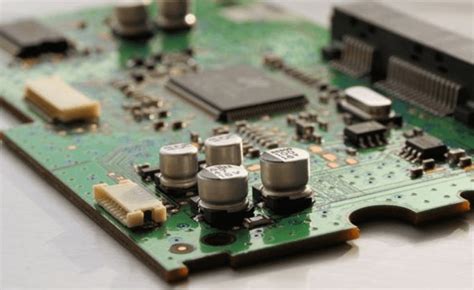
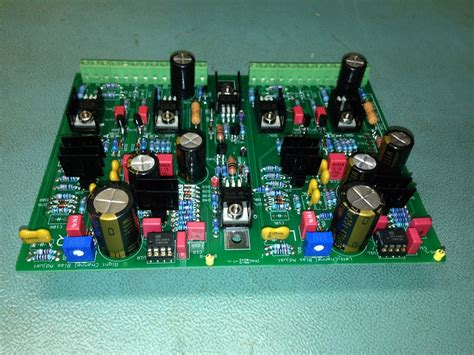
PCB assembly, commonly referred to as PCBA, is a critical step in the manufacturing of electronic devices. It involves the process of soldering electronic components onto a printed circuit board (PCB). This process ensures that electrical connections are made securely, which is essential for the proper functioning of electronic devices.
How can I improve the efficiency of my control board assembly process?
To enhance efficiency in control board assembly, consider implementing best practices such as optimizing workflow, reducing component handling time, and utilizing appropriate tools and machinery. Additionally, training staff on the latest techniques can significantly improve both speed and quality.
What are some innovative techniques for enhancing quality in PCB assembly?
Innovative techniques for improving quality in PCB assembly include using automated inspection systems, implementing real-time monitoring during the assembly process, and adopting advanced soldering technologies. These methods help identify defects early and ensure that each assembly meets high-quality standards.
Is automation beneficial for PCB assembly? What are its downsides?
Automation in PCBA offers numerous benefits, such as increased consistency, reduced labor costs, and enhanced production speed. However, it can also involve substantial initial investment costs and may lead to a dependency on technology that requires regular maintenance.
What future trends can we expect in control board assembly?
Future trends in control board assembly include increased automation, the integration of artificial intelligence for predictive maintenance, and sustainable practices aimed at reducing waste. These developments will likely enhance performance while being mindful of environmental impacts.
For more information on optimizing your pcb assembly, please click here: https://www.andwinpcb.com/pcb-assembly/.