Optimizing Efficiency with a PCB Assembly Rack Solution
Key Takeaways
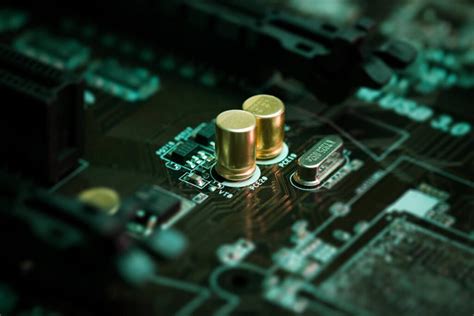
Understanding the importance of PCB assembly racks in the manufacturing process is crucial for enhancing operational efficiency. These specialized racks are designed to support the PCBA workflow by providing a structured and organized environment for assembling printed circuit boards. An optimized PCB assembly rack not only minimizes the risk of component damage but also streamlines access to materials and tools, leading to improved turnaround times. Moreover, implementing best practices such as regularly adjusting rack configurations and ensuring that all equipment is maintained can significantly enhance the overall workflow. By examining case studies, one can appreciate how different companies have successfully integrated PCB assembly racks into their operations. Such integration has demonstrated quantifiable improvements, showcasing how an effective PCBA rack solution elevates production quality while reducing waste and downtime. Furthermore, it’s essential to compare different types of PCB assembly racks in order to identify which fits a specific manufacturing environment best—ultimately revealing that technology plays a pivotal role in advancing modern PCB assembly rack solutions. Thus, measuring efficiency gains can be directly linked to informed decisions regarding the selection and implementation of these critical tools in today’s manufacturing landscape.
Understanding the Importance of PCB Assembly Racks in Manufacturing
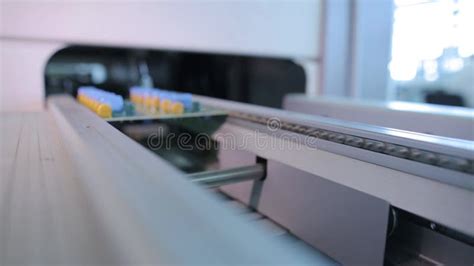
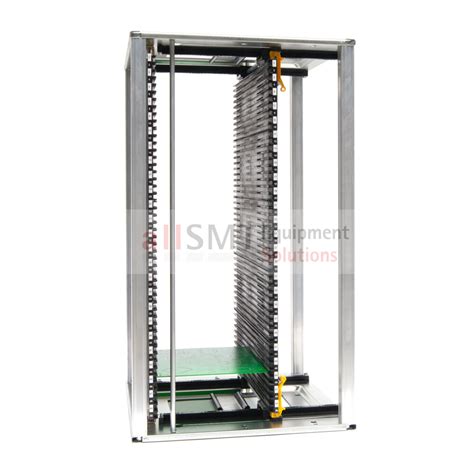
In the realm of PCB assembly, efficiency is paramount, and the integration of PCB assembly racks serves as a cornerstone for any effective manufacturing process. These racks facilitate a streamlined workflow, accommodating various stages of the assembly process while minimizing clutter and reducing physical strain on operators. By employing an optimized PCBA environment, manufacturers can enhance their operational performance significantly.
The importance of these racks extends beyond basic organization; they enable a systematic approach to handling materials and components, allowing for quick access and reducing downtime. With features designed to hold multiple boards securely, PCB assembly racks also help protect sensitive components from damage during transit and processing.
Beyond protective elements, incorporating an effective rack system can result in considerable gains in productivity. For instance:
| Benefit | Description |
|---|---|
| Space Optimization | Better use of floor space leading to increased capacity |
| Time Efficiency | Streamlined processes reduce cycle time |
| Improved Safety | Reducing clutter minimizes hazards and operational risks |
Investing in high-quality pcb assembly solutions provides manufacturers not only with these clear logistical benefits but also with the potential for long-term improvements in quality control and operational sustainability. As such, understanding the significance of PCB assembly racks is essential for companies aiming to elevate their manufacturing capabilities within a competitive market.

Key Features of an Optimized PCB Assembly Rack
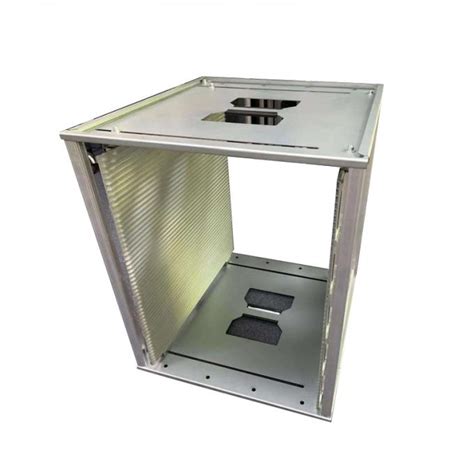
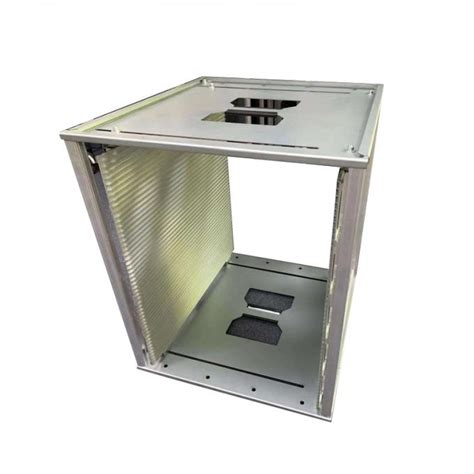
An optimized PCB assembly rack is essential for enhancing the overall efficiency of the manufacturing process. Key features that define such a rack include versatility, durability, and ease of integration into existing workflows. Firstly, versatility in design allows the rack to accommodate various sizes and types of PCBA boards, enabling manufacturers to adapt quickly to different production runs. Additionally, high-quality materials ensure durability, which contributes to a longer lifespan and reduced maintenance costs.
Another significant aspect is the organization and accessibility of components. An optimized pcb assembly rack is designed to hold all necessary tools and materials within easy reach, minimizing the time spent searching for parts. This leads to smoother workflows and faster turnaround times.
“Streamlined processes are the backbone of effective manufacturing,” as optimizing your tools can greatly influence productivity.
Moreover, an integrated PCB assembly rack facilitates better collaboration among team members by providing a central location for assemblies and components, allowing operators to communicate effectively without unnecessary interruptions. With features such as adjustable shelving or modular designs, manufacturers can tailor their racks to fit specific operational needs.
Incorporating these essential features into an optimized pcba assembly rack not only improves production efficiency but also enhances worker satisfaction by creating an organized and user-friendly environment. Ultimately, these elements contribute toward achieving lean manufacturing principles by reducing waste and maximizing throughput.
Best Practices for Implementing PCB Assembly Racks
When integrating PCB assembly racks into your production environment, establishing best practices is essential for maximizing efficiency and ensuring seamless operation. One of the primary steps is to evaluate your existing workflow and identify areas where the pcba process can benefit from enhanced organization. Implementing modular designs can greatly aid flexibility, as these racks can accommodate various types of components and assemblies, thereby ensuring that you’re equipped for changing production needs. Additionally, maintaining a clear labeling system on your racks can significantly reduce the time spent searching for components, streamlining the workflow and enhancing productivity.
Regular training sessions for your team on proper usage and maintenance of these racks are crucial. This ensures all operators understand the best practices in handling materials while minimizing potential damage to sensitive components during assembly. By integrating feedback from manufacturing staff who interact with these systems daily, companies can continuously improve their PCB assembly processes.
Moreover, leveraging technology, such as automated inventory management systems, can provide real-time data on component usage and availability, thereby aiding in proactive inventory management. Ultimately, a focus on continual improvement and collaboration among all team members is vital in effectively implementing PCB assembly rack solutions that bolster overall manufacturing efficiency.
Enhancing Workflow: Case Studies on PCB Assembly Rack Integration
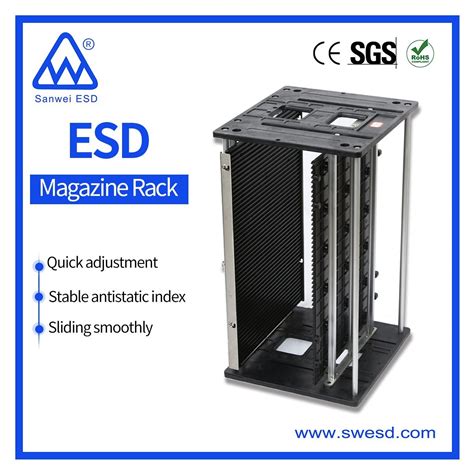
The integration of a PCB assembly rack into manufacturing operations has proven to significantly enhance workflow efficiency. Various case studies illustrate how companies have successfully implemented PCBA solutions, resulting in remarkable productivity improvements. For instance, a leading electronics manufacturer faced challenges with disorganized assembly areas, leading to delays in production. By adopting an optimized pcb assembly rack, they were able to streamline their processes, reduce the time spent searching for components, and improve overall organization on the assembly line. Another case study highlighted the experience of a smaller firm that utilized a customized pcb assembly solution designed to fit specific workflow requirements, leading to higher throughput and minimized waste during production. These examples underscore the importance of selecting the right pcb assembly rack, as well as tailoring it to meet individual manufacturing needs. Through these integrations, businesses not only benefit from enhanced efficiency but also foster an overall improvement in employee morale due to a more structured and less chaotic working environment. The effective use of pcba technology continues to set standards for what manufacturers can achieve when optimizing their workflows through well-designed assembly solutions.
Comparing Different Types of PCB Assembly Racks
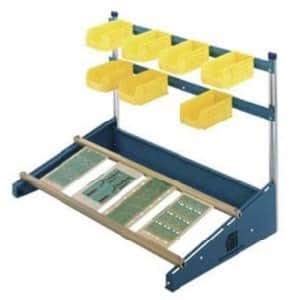
When evaluating the various types of PCB assembly racks available, it is essential to consider their design, functionality, and adaptability to different production environments. Standard racks provide a basic structure for organizing PCBA components but may lack advanced features that enhance workflow efficiency. In contrast, modular racks offer versatility and can be customized based on specific manufacturing needs, allowing for adjustments as production requirements change. Another option is the automated assembly rack, which integrates technology to streamline processes, minimize manual handling, and increase throughput. These high-tech solutions can significantly reduce the risk of errors during assembly while enhancing safety. Additionally, some racks are designed with ergonomic principles in mind, ensuring that they optimize usability for operators and diminish fatigue during long production runs. Ultimately, the choice of a suitable PCB assembly rack hinges on evaluating these characteristics against the specific needs of your manufacturing process, aiming to create a setup that promotes maximum efficiency and productivity in every stage of assembly.
The Role of Technology in Modern PCB Assembly Rack Solutions
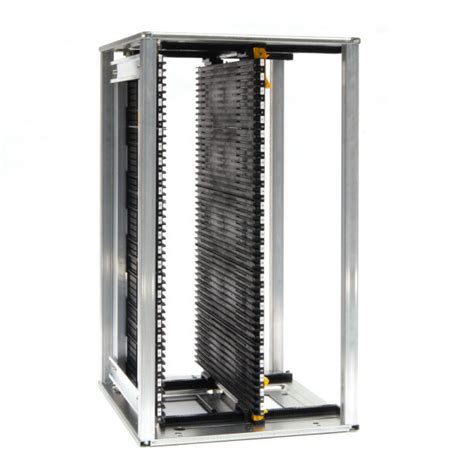
In today’s fast-paced manufacturing landscape, the integration of technology into PCB assembly processes is vital for maximizing productivity and efficiency. Modern PCB assembly racks are designed to support advanced technologies such as automation and real-time monitoring, which significantly enhance the workflow of PCBA operations. The advent of smart manufacturing has revolutionized how these racks function, allowing for precise tracking of components and minimizing the risks of human error. Features like adjustable shelving and optimized layouts not only accommodate varying sizes of printed circuit boards but also facilitate easier access to parts and tools. Furthermore, the incorporation of data analytics enables manufacturers to assess performance metrics, thereby continuously refining their approaches. Ultimately, leveraging technology within PCB assembly rack solutions contributes to a streamlined manufacturing process, providing competitive advantages in the market. Embracing such innovations can lead to substantial gains in both efficiency and cost-effectiveness, positioning businesses for long-term success in an ever-evolving industry.
Measuring Efficiency Gains with PCB Assembly Racks
Implementing PCB assembly racks can significantly impact operational efficiency, transforming the way manufacturing processes are executed. By creating a structured environment for printed circuit board assembly (PCBA), these racks facilitate streamlined workflows, allowing for quicker access to materials and tools. One key benefit of using an optimized PCB assembly rack is the reduction of manual handling, which minimizes the potential for errors and product damage. Additionally, an organized rack system ensures that components are readily available, thus speeding up production cycles. Companies that have adopted this technology often report measurable gains in productivity and a decrease in bottlenecks during the manufacturing process. This combination of factors leads to a more agile operation where lead times are shortened, and throughput is enhanced. Ultimately, careful measurement of these efficiencies helps manufacturers benchmark performance improvements directly attributable to the integration of PCB assembly racks into their workflows.
Conclusion
In summary, the integration of a PCB assembly rack into the manufacturing process can significantly streamline operations and enhance productivity. By organizing components and tools systematically, a well-optimized pcb assembly solution not only reduces clutter but also minimizes the time spent searching for necessary items. This enhanced organization leads to quicker turnaround times for pcba projects, benefiting the overall efficiency of manufacturing workflows. Moreover, companies that adopt these innovative solutions often report measurable improvements in quality control and production accuracy. As highlighted in various case studies, implementing best practices when incorporating a pcb assembly rack can lead to notable advances in both process efficiency and employee morale, creating a more harmonious working environment. Ultimately, recognizing the value of an optimized pcb assembly solution is vital for companies looking to maintain competitiveness in an ever-evolving market landscape.
FAQs
What is a PCB assembly rack and how does it work?
A PCB assembly rack is designed to hold and organize printed circuit boards (PCBs) efficiently during the manufacturing process. It allows for easy access, minimizes the risk of damage, and helps streamline workflows by keeping pcba components organized.
What are the key benefits of using an optimized PCB assembly rack?
Using an optimized PCB assembly rack enhances efficiency by promoting better organization, reducing setup times, and improving overall production quality. It can also lead to increased worker safety by minimizing clutter.
How can I implement a PCB assembly rack in my facility effectively?
To implement a PCB assembly rack, assess your current workflow and space requirements first. Next, customize the layout of the rack to suit your specific needs. Training employees on best practices will also maximize its effectiveness.
Are there different types of PCB assembly racks available?
Yes, there are several types of pcb assembly racks, including static racks, adjustable racks, and automated solutions. Each type offers unique benefits depending on manufacturing needs and constraints.
How do I measure the efficiency gains from using PCB assembly racks?
To measure efficiency gains from utilizing pcb assembly racks, track production output before and after implementation. Key metrics may include reduced cycle times, increased throughput, and lower defect rates in assembled boards.