Optimizing Electronic Assembly Manufacturing Processes for Peak Efficiency
Key Takeaways
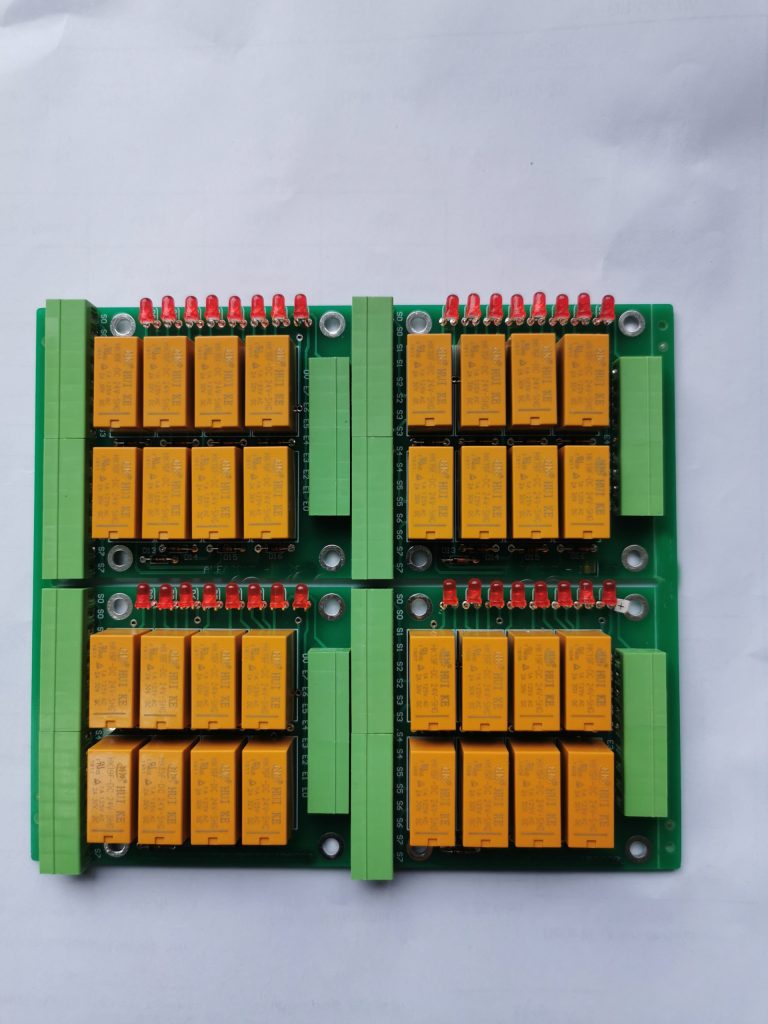
Optimizing electronic assembly manufacturing requires a strategic blend of automation, lean principles, and advanced technologies. Central to this effort is streamlining PCB assembly (printed circuit board assembly) workflows, where automated pick-and-place systems and AI-driven inspection tools minimize errors and accelerate throughput. For PCBA (printed circuit board assembly) processes, integrating smart sensors and IoT-enabled devices enables real-time monitoring, ensuring precision while reducing material waste.
A critical focus lies in balancing cost-efficiency with quality. Implementing just-in-time inventory management reduces component storage costs, while standardized testing protocols for PCB assembly lines enhance defect detection rates. Consider the following comparison of traditional vs. optimized approaches:
| Factor | Traditional Approach | Optimized Approach |
|---|---|---|
| Cycle Time | 12–18 hours | 6–8 hours (with automation) |
| Defect Rate | 2.5% | 0.8% (AI-powered QA) |
| Labor Utilization | 70% manual tasks | 30% manual, 70% automated processes |
Additionally, adopting data analytics uncovers bottlenecks in PCBA workflows, enabling proactive adjustments. Cross-training technicians in both hardware integration and software diagnostics further ensures operational agility. By prioritizing these strategies, manufacturers achieve scalable efficiency without compromising on reliability or innovation.
Enhancing Efficiency with Automated Assembly Systems
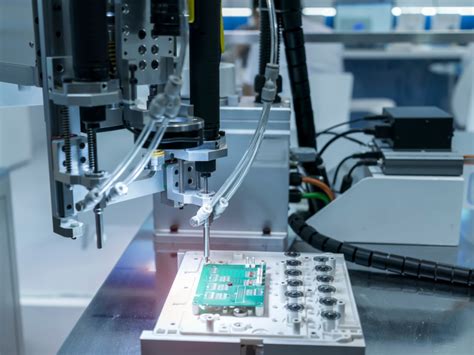
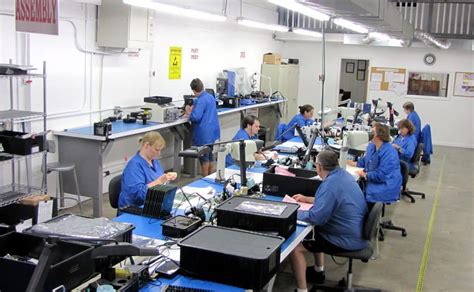
Modern PCB assembly workflows increasingly rely on automated assembly systems to address the complexities of high-volume production while maintaining precision. By integrating robotics and programmable machinery, manufacturers can achieve faster cycle times, reduced human error, and consistent output across PCBA (printed circuit board assembly) processes. For instance, automated pick-and-place machines streamline component mounting by operating at speeds unattainable through manual labor, directly reducing bottlenecks in surface-mount technology (SMT) lines.
Advanced systems also incorporate real-time monitoring tools, such as vision inspection modules, to identify defects in PCB assembly at micron-level accuracy. This proactive approach minimizes rework costs and ensures compliance with stringent quality standards. Additionally, automated conveyor systems synchronized with PCBA stations enable seamless material flow, eliminating idle time between production stages.
To maximize ROI, companies are adopting modular automation solutions that scale with evolving product designs. For example, reprogrammable robotic arms can adapt to new component layouts without requiring full system overhauls. Pairing these technologies with IoT-enabled sensors further optimizes maintenance schedules, predicting equipment failures before they disrupt PCB assembly timelines.
By prioritizing automation in PCBA workflows, manufacturers not only accelerate throughput but also free skilled technicians to focus on higher-value tasks like process optimization and innovation. This strategic shift lays the groundwork for leaner, more agile operations across the electronics manufacturing lifecycle.
Implementing Lean Manufacturing in Electronics Production
Adopting lean manufacturing principles in PCB assembly and PCBA workflows drives operational efficiency by eliminating waste and optimizing resource allocation. Central to this approach is value stream mapping, which identifies non-value-added steps—such as excess inventory or redundant movements—in electronics production lines. By integrating Just-in-Time (JIT) methodologies, manufacturers reduce material stockpiles while ensuring components arrive precisely when needed, minimizing storage costs and obsolescence risks.
Tip: Cross-functional teams should conduct regular kaizen workshops to identify bottlenecks in PCB assembly processes, fostering continuous improvement cycles.
Advanced tools like automated optical inspection (AOI) systems align with lean goals by detecting defects early, preventing rework delays. Simultaneously, standardized work instructions ensure consistency across PCBA stages, reducing variability and training time. A key success factor lies in balancing automation with human expertise: while robotic soldering improves precision, skilled technicians remain critical for troubleshooting complex assemblies.
Transitioning to lean practices requires cultural shifts, including empowering frontline workers to suggest process refinements. Metrics such as cycle time reduction and first-pass yield rates provide tangible benchmarks for progress. When paired with IoT-enabled real-time monitoring, manufacturers gain visibility into machine utilization patterns, enabling data-driven adjustments that sustain efficiency gains.
Advanced Technology Integration for Smarter Assembly Lines
The integration of cutting-edge technologies is redefining efficiency in PCB assembly and PCBA workflows. By embedding IoT-enabled sensors into production equipment, manufacturers gain real-time visibility into machine performance, material flow, and environmental conditions. This data-driven approach enables predictive maintenance, reducing unplanned downtime by up to 30% in high-precision electronic assembly manufacturing processes. Machine learning algorithms further optimize component placement accuracy, particularly in surface-mount technology (SMT) applications, ensuring micron-level precision for complex circuits.
Robotic process automation (RPA) streamlines repetitive tasks such as solder paste application and component insertion, minimizing human error while accelerating throughput. For PCBA lines, adaptive vision systems paired with AI-powered inspection tools detect defects at speeds unattainable through manual checks, achieving near-zero defect rates in final product validation. Modular production designs, enhanced by digital twin simulations, allow rapid reconfiguration of assembly lines for diverse product batches without compromising quality standards.
These technological advancements create a symbiotic relationship between hardware and software, where cloud-based analytics platforms continuously refine operational parameters. As smart factories evolve, the seamless interoperability of PCB assembly tools with enterprise resource planning (ERP) systems ensures just-in-time material replenishment, eliminating bottlenecks in multi-stage production cycles.
Cost-Reduction Strategies in Electronic Component Manufacturing
Reducing costs in electronic component manufacturing requires a multifaceted approach that balances material efficiency, process optimization, and technology adoption. One effective method involves optimizing PCB assembly workflows by integrating automated pick-and-place systems, which minimize manual labor and reduce errors in PCBA (printed circuit board assembly) stages. Just-in-time (JIT) inventory management further lowers warehousing expenses while ensuring component availability, particularly for high-mix production environments.
Adopting design-for-manufacturability (DFM) principles early in product development can significantly cut material waste. For example, standardizing component sizes across PCB assembly projects reduces procurement complexity and bulk purchasing costs. Additionally, leveraging supply chain analytics helps identify cost-effective suppliers without compromising quality—a critical factor for PCBA reliability.
Energy-efficient manufacturing practices, such as transitioning to renewable energy sources or optimizing reflow oven settings, also contribute to long-term savings. Pairing these strategies with predictive maintenance for assembly-line machinery ensures uninterrupted production, minimizing downtime-related losses. By aligning these tactics with lean manufacturing frameworks, manufacturers achieve sustainable cost reductions while maintaining competitive product quality.
Boosting Quality Control Through Process Optimization
Effective quality control in PCB assembly and PCBA relies on systematic process refinements that address both design and production variables. By integrating real-time monitoring systems into assembly lines, manufacturers can detect deviations in soldering accuracy, component placement, or material integrity at critical stages. For example, automated optical inspection (AOI) tools paired with machine learning algorithms enable rapid identification of defects in high-density interconnect (HDI) boards, reducing rework cycles by up to 40%.
Adopting statistical process control (SPC) methodologies further strengthens consistency, ensuring tolerances remain within predefined thresholds across surface-mount technology (SMT) workflows. Process optimization also extends to supplier collaboration—standardizing component specifications and conducting rigorous pre-assembly testing minimize variability in raw materials. Additionally, modular design frameworks allow faster adjustments to PCBA layouts, accommodating last-minute engineering changes without compromising throughput.
To maintain alignment with broader efficiency goals, cross-functional teams should analyze defect patterns using root-cause analysis, linking quality metrics to lean manufacturing KPIs. This approach not only elevates product reliability but also reinforces traceability, a critical factor in industries like aerospace and medical electronics where component failure risks carry significant consequences.
Leveraging Data Analytics for Manufacturing Efficiency Gains
Integrating data analytics into PCB assembly and PCBA workflows unlocks actionable insights that drive operational improvements. By analyzing real-time production data, manufacturers can identify bottlenecks in solder paste application or component placement, enabling faster cycle times and reduced material waste. Predictive maintenance models, powered by machine learning algorithms, forecast equipment failures before they disrupt high-volume PCBA lines, minimizing downtime by up to 30%. Additionally, granular tracking of defect rates across batches allows teams to pinpoint root causes—such as temperature fluctuations during reflow soldering—and implement corrective measures swiftly.
Advanced analytics platforms also optimize inventory management by correlating historical demand patterns with supplier lead times, ensuring just-in-time delivery of critical components like microcontrollers or connectors. This reduces excess stock costs while maintaining assembly line continuity. Furthermore, cross-functional data sharing between design and manufacturing teams fosters collaborative problem-solving, aligning PCB assembly parameters with product performance requirements. By embedding analytics into every stage—from prototyping to final testing—manufacturers achieve a 15–20% improvement in overall equipment effectiveness (OEE), solidifying competitiveness in precision-driven electronics markets.
Optimizing Workforce Training for Peak Operational Performance
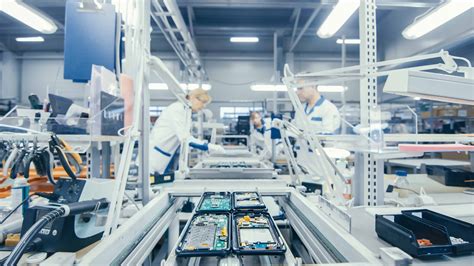
While automated systems and advanced technologies drive efficiency in PCB assembly and PCBA workflows, human expertise remains irreplaceable for maintaining precision and adaptability. Effective workforce training programs must address both technical proficiency and evolving process requirements to align with modern manufacturing demands. Cross-training technicians in surface-mount technology (SMT), automated optical inspection (AOI), and PCBA rework protocols ensures flexibility across production stages, minimizing bottlenecks during high-volume orders.
Integrating augmented reality (AR) simulations into training modules allows employees to practice complex soldering or component placement tasks in risk-free environments, reducing errors in live PCB assembly lines. Real-time performance analytics further identify skill gaps, enabling targeted upskilling. For instance, data showing recurring defects in solder paste application can trigger refresher courses on stencil printing techniques.
Collaboration with equipment vendors to standardize operational workflows ensures that staff training aligns with the specific capabilities of pick-and-place machines or reflow ovens. This harmonization between human skills and machinery optimizes throughput while maintaining the stringent quality standards required in PCBA manufacturing. By prioritizing continuous learning, manufacturers create a workforce capable of adapting to emerging technologies, sustaining operational excellence even as production scales.
Conclusion
Achieving peak efficiency in electronic assembly manufacturing requires a balanced synthesis of innovation, precision, and strategic foresight. By integrating automation with lean methodologies, manufacturers can eliminate redundancies in PCB assembly workflows while maintaining rigorous quality standards. For instance, advanced PCBA systems now leverage real-time analytics to identify bottlenecks, enabling dynamic adjustments that reduce cycle times and material waste. Similarly, adopting smart manufacturing frameworks ensures seamless coordination between design, component sourcing, and assembly phases—critical for scaling high-mix, low-volume production.
Equally vital is fostering a culture of continuous improvement, where workforce expertise aligns with evolving technologies like AI-driven inspection tools or IoT-enabled supply chain platforms. This holistic approach not only elevates product reliability but also positions organizations to adapt swiftly to market shifts. Ultimately, the convergence of PCB assembly optimization, PCBA innovation, and data-driven decision-making transforms operational efficiency from a goal into a sustainable competitive advantage, driving long-term value in an increasingly complex industry landscape.
Frequently Asked Questions
How does automation impact PCB assembly efficiency?
Automation reduces manual intervention in high-precision tasks like soldering and component placement, minimizing errors and accelerating throughput. Integrated systems enable real-time adjustments, ensuring consistent quality in PCBA workflows while lowering labor costs.
What lean principles apply to electronics manufacturing?
Adopting value-stream mapping identifies waste in material handling and inventory management. For PCB assembly, just-in-time delivery of components and standardized workstations streamline processes, reducing lead times by up to 30% in optimized setups.
Which technologies enhance PCBA quality control?
Machine vision systems detect microscopic defects in solder joints, while AI-driven analytics predict equipment maintenance needs. Combining IoT sensors with statistical process control ensures traceability across production batches, critical for high-reliability applications.
How can manufacturers reduce costs without compromising quality?
Strategic supplier partnerships for bulk component purchases lower material expenses. Implementing design-for-manufacturability (DFM) principles in PCB assembly minimizes rework, while energy-efficient machinery cuts operational overhead.
Why is workforce training vital for modern assembly lines?
Cross-training technicians in automation programming and troubleshooting ensures adaptability as systems evolve. Specialized certifications in PCBA standards, like IPC-A-610, reduce defect rates by aligning practices with industry benchmarks.
Explore Customized Solutions for Your Production Needs
To discover how advanced PCB assembly services can optimize your manufacturing workflow, please click here for tailored strategies and real-time support.