Optimizing Electronic Component Assembly for Efficiency and Quality
Key Takeaways
In the realm of pcb assembly and pcba, understanding the essential elements that contribute to efficient and high-quality production is crucial. This involves recognizing not only the basic processes involved in electronic component assembly but also the various challenges that may arise, such as component misalignment, soldering defects, and workflow inefficiencies. Implementing best practices can vastly enhance these processes; for instance, utilizing automated inspection technologies can mitigate errors significantly. Additionally, embracing innovative technologies like AI-driven assembly lines or robotic automation fosters a more streamlined workflow, enabling manufacturers to achieve higher throughput without compromising on quality.
In terms of precision manufacturing, it plays an instrumental role in ensuring that each component meets stringent quality standards. An emphasis on accuracy during the pcb assembly process can prevent costly rework and improve overall product reliability. Thus, it becomes imperative for organizations to invest in advanced training for their workforce as well as state-of-the-art equipment.
Below is a summary table that outlines some of the key strategies for optimizing electronic component assembly:
| Strategy | Description |
|---|---|
| Automation | Utilization of machines to reduce manual errors and increase speed. |
| Quality Control Checks | Regular inspections at various stages of production. |
| Employee Training | Investing in workforce skills to enhance productivity. |
| Lean Manufacturing Techniques | Streamlining processes to eliminate waste and improve efficiency. |
The successful integration of these strategies can lead to transformative improvements in pcba operations, reinforcing the importance of precision and innovation in today’s competitive manufacturing landscape.
Understanding the Basics of Electronic Component Assembly
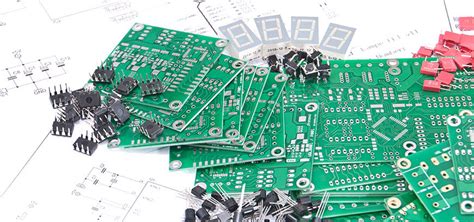
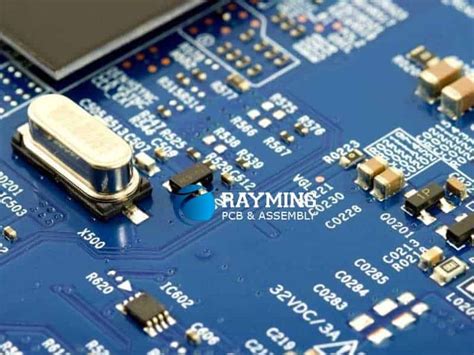
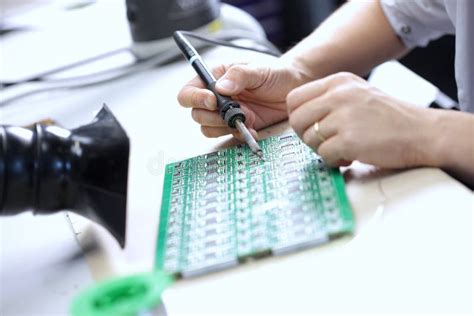
Electronic component assembly, often referred to in the industry as pcb assembly or pcba, is a critical process in the manufacturing of electronic devices. This process involves several stages, from placing components onto printed circuit boards (PCBs) to soldering them in place, ultimately culminating in a fully functional electronic module. Understanding the fundamentals of electronic component assembly is essential for both manufacturers and engineers as it directly impacts both efficiency and quality.
The assembly begins with the careful design of the PCB layout, which serves as a blueprint for where components will be placed. This stage is crucial because improper placement can lead to issues in functionality and reliability. Once the layout is established, precision machinery like pick-and-place robots are employed for accurate component placement. These machines enhance efficiency by significantly reducing assembly time compared to manual processes.
Additionally, implementing best practices such as using automated soldering techniques can further streamline production while ensuring that connections remain robust. The integration of advanced inspection technologies, like Automated Optical Inspection (AOI), ensures that any defects are caught early, maintaining high quality standards throughout the manufacturing process. As such, understanding these basic principles not only highlights the importance of precision but is also vital in reducing waste and optimizing overall workflow efficiency in pcba production.

Key Challenges in Electronic Component Assembly Processes
In the realm of pcb assembly and pcba, several key challenges can impede the efficiency and quality of manufacturing processes. One significant hurdle is the increasing complexity of electronic designs, which can lead to difficulties in maintaining precision during assembly. As component sizes shrink and pin counts rise, ensuring reliable connections becomes more challenging. Moreover, variations in component quality can introduce inconsistencies; thus, manufacturers must navigate supply chain complexities that impact the delivery of quality components.
Another critical challenge is workforce skill gaps. As technology evolves, so too does the need for specialized skills in handling advanced machinery and software used for assembly. This necessitates ongoing training and development programs to ensure that personnel are equipped with current knowledge and competencies.
“Investing in employee training not only mitigates errors but significantly boosts overall productivity,” highlight experts in the industry.
Additionally, maintaining a balance between automation and manual intervention is vital. While automation enhances efficiency, it can overlook delicate tasks requiring human dexterity, particularly in high-precision pcba applications. Furthermore, adhering to stringent regulatory standards while striving for efficiency adds another layer of complexity that organizations must overcome.
Ultimately, addressing these challenges requires a strategic approach focused on continuous improvement and adaptation to technological advancements. Implementing robust quality control measures will not only tackle operational pitfalls but also reinforce the significance of precision in achieving superior outcomes within electronic component assembly processes.
Best Practices for Enhancing Efficiency in Assembly Techniques
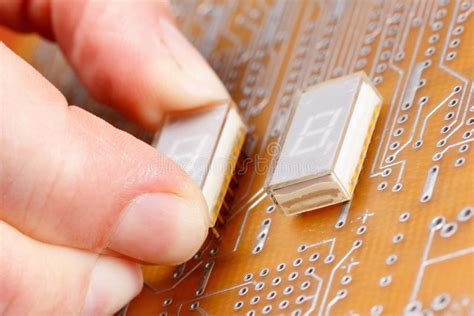
In today’s fast-paced manufacturing environment, optimizing pcb assembly processes is crucial for achieving both efficiency and quality. Adopting best practices can significantly streamline operations, reduce errors, and enhance overall productivity. One effective strategy is the implementation of lean manufacturing principles. These principles focus on minimizing waste while maximizing output, ensuring that each step in the pcba process adds value. Moreover, utilizing automation can vastly improve consistency and speed in assembly lines; machines designed for specific tasks can perform repetitive actions with precision that human operators may struggle to match.
Training personnel in the right techniques and skills is another pivotal aspect of enhancing efficiency. Regular workshops and updates on the latest assembly technology not only keep the workforce informed but also inspire innovation in problem-solving approaches. Additionally, investing in high-quality materials and components ensures that the assembly process runs smoothly without interruptions caused by defective parts.
Lastly, fostering a culture of continuous improvement encourages teams to regularly assess their workflows and adopt new strategies or technologies that enhance performance. By focusing on these best practices—lean principles, automation, skilled workforce training, quality materials, and a culture of improvement—manufacturers can achieve a more efficient and high-quality pcb assembly process that meets the ever-growing demands of the market.
Innovative Technologies Revolutionizing Electronic Component Assembly
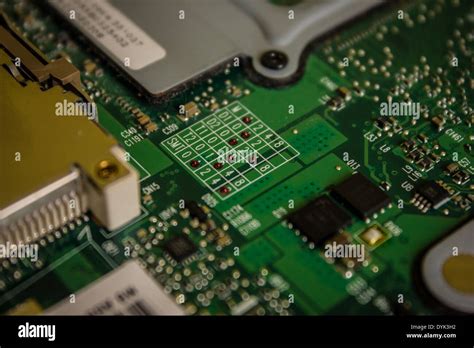
The realm of pcb assembly has witnessed unprecedented advancements due to innovative technologies that enhance the overall production process. Automation stands at the forefront, with machinery and robots streamlining the pcba process, significantly reducing manual intervention and potential for human error. This shift towards automation not only accelerates production rates but also ensures a higher level of consistency in the assembly of electronic components. Furthermore, the integration of advanced software solutions offers real-time monitoring and management, enabling manufacturers to swiftly identify and rectify potential issues before they escalate. Another major breakthrough is the adoption of 3D printing technologies, which facilitate rapid prototyping and allow for more intricate designs without compromising on structural integrity. Additionally, AI-driven analytics play a crucial role in optimizing workflows by analyzing production data to uncover patterns that drive efficiencies. As these innovative technologies continue to evolve, they pave the way for significant improvements in both efficiency and quality in electronic component assembly, establishing new benchmarks in the industry. By embracing these advancements, manufacturers can not only enhance their operational capabilities but also uphold rigorous standards necessary for quality assurance in their pcb assembly processes.
The Role of Precision Manufacturing in Quality Assurance
In the landscape of electronic component assembly, the importance of precision manufacturing in ensuring quality assurance cannot be overstated. As products become increasingly complex, the pcb assembly process must uphold strict standards to guarantee optimal performance and reliability. Precision refers not only to the accuracy of manufacturing but also encompasses the alignment, soldering, and placement processes involved in pcba. By integrating advanced technologies, such as automated optical inspection and robotic assembly, manufacturers can significantly reduce variability in production outcomes. This is crucial, as even minor deviations can lead to substantial issues in functional integrity. Moreover, implementing thorough quality checks at each stage of the electronic component assembly process fosters a culture of accountability and promotes continuous improvement. When meticulous attention is given to every detail—from component sourcing to final testing—the end result is a high-quality product that meets consumer expectations and industry standards. Ultimately, maintaining a focus on precision not only enhances quality but also improves efficiency, as fewer errors mean less rework and reduced costs. This integrative approach ensures that as technology advances, manufacturers are well-equipped to meet both current demands and future challenges in the ever-evolving realm of electronic component assembly.
Streamlining Workflow for Optimal Assembly Performance
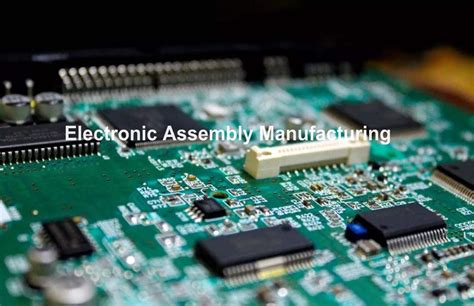
In the realm of pcb assembly, optimizing the workflow is crucial for enhancing overall assembly performance. Streamlined processes not only save time but also minimize the risk of errors that can occur during pcba operations. One effective strategy involves breaking down the assembly tasks into smaller, manageable steps. This method allows teams to focus on each component’s specific requirements, ensuring that all pieces fit together seamlessly. Moreover, incorporating lean manufacturing principles can lead to significant reductions in waste and inefficiencies, allowing resources to be allocated more effectively.
Implementing automation in certain stages of the pcb assembly process enhances speed and accuracy. Automated systems can perform repetitive tasks with precision, thus freeing human operators to focus on more complex assembly challenges that require creative problem-solving skills. Furthermore, regular training sessions for employees engaged in pcba help maintain high standards of craftsmanship and attention to detail, reinforcing the importance of quality throughout all assembly phases.
Utilizing real-time data analytics allows teams to monitor workflow efficiency continuously. By gathering insights into production rates and identifying bottlenecks, companies can adapt their strategies promptly, further enhancing productivity. Ultimately, fostering a culture of continuous improvement not only boosts team morale but also encourages innovation in assembly practices, leading to superior efficiencies in electronic component manufacturing.
Case Studies: Successful Transformation in Electronic Component Assembly
Throughout the industry, a number of organizations have embarked on transformative journeys to enhance their pcb assembly processes, resulting in notable improvements in both efficiency and quality. One such case is a leading manufacturer that implemented advanced pcba techniques by integrating automated assembly lines and utilizing high-precision machinery. By adopting these innovative solutions, they reduced production time by 30% and significantly minimized defects in their output. Another example involves a smaller firm that leveraged data analytics to assess bottlenecks in their assembly workflow. By analyzing real-time data, they were able to streamline processes and achieve a 40% reduction in lead times, while ensuring that the dimensional tolerances were upheld, thus fostering greater customer satisfaction. These case studies highlight the importance of continuous improvement and adaptation of best practices within electronic component assembly, demonstrating how embracing both technology and strategic planning can drive successful outcomes. The lessons learned from these transformations underscore the pivotal role that quality assurance plays in the overall effectiveness of PCB production methodologies, making precision not just an optional upgrade but a necessity for competitive advantage.
Future Trends in Electronic Component Assembly and Manufacturing
As the landscape of pcb assembly continues to evolve, several emergent trends are shaping the future of pcba and electronic component assembly. One significant advancement is the integration of automation and robotics, which enhances not only speed but also accuracy in the assembly process. Companies are increasingly adopting automated systems for tasks such as soldering, pick-and-place, and inspection. These innovations help minimize human error and reduce production time, making the manufacturing process more efficient overall. Furthermore, the rise of Industry 4.0 principles is encouraging a shift toward smart manufacturing techniques, where data analytics and machine learning play crucial roles in optimizing workflows and predicting maintenance needs.
In addition to automation, there is a growing emphasis on sustainable practices in electronic component assembly. Companies are exploring eco-friendly materials that can meet industry demands while minimizing environmental impact. This trend not only aligns with global sustainability goals but also appeals to consumers increasingly concerned with ethical manufacturing processes. Lastly, advancements in miniaturization technologies are leading to smaller components with higher density, posing new challenges for pcb assembly techniques but also opening up innovative possibilities for product design and functionality.
With these shifts on the horizon, staying informed about future trends in electronic component assembly becomes critical for companies aiming to maintain a competitive edge while ensuring quality and efficiency in their manufacturing practices.
Conclusion
In summary, optimizing pcb assembly processes is crucial for meeting the growing demands of the electronics industry, where both efficiency and quality are paramount. The strategic implementation of best practices and innovative technologies can significantly enhance the overall performance of pcba operations. By focusing on meticulous planning and adopting a streamlined workflow, manufacturers can identify and mitigate challenges that may hinder productivity. Furthermore, embracing precision manufacturing not only contributes to higher quality outputs but also ensures that the components meet stringent specifications. As outlined throughout this article, understanding the nuances of electronic component assembly is fundamental in navigating future trends in this rapidly evolving sector. By continuously adapting to advancements and refining techniques, organizations can secure their competitiveness in a market that increasingly values innovation and unwavering quality standards.
FAQs
What is electronic component assembly?
Electronic component assembly, commonly known as pcba, refers to the process of connecting electronic components onto a printed circuit board (PCB) to create a functional electronic device. This process involves various techniques including soldering, surface mounting, and through-hole methods.
What are the common challenges in pcb assembly?
Challenges in pcb assembly can include managing component placement accuracy, ensuring solder quality, and preventing defects such as bridging or tombstoning. Additionally, managing production timelines and material costs can also pose significant obstacles.
How can efficiency be improved in electronic component assembly?
To enhance efficiency in pcba, implementing Lean manufacturing principles is crucial. Optimizing the workflow by minimizing waste, adopting automation technologies, and continuously training personnel on best practices can significantly boost productivity.
What innovative technologies are currently impacting pcba?
Innovative technologies like robotics for precision placement, automated optical inspection (AOI), and advanced soldering techniques are transforming the pcb assembly landscape. These advancements enable faster production times while maintaining high-quality standards.
Why is precision manufacturing important in quality assurance for pcba?
Precision manufacturing plays a vital role in quality assurance for pcba, as it ensures that all components are placed accurately and securely on the PCB. This minimization of errors leads to enhanced performance, reliability, and longevity of electronic products.