Optimizing PCB Assembly for Enhanced Company Performance
Key Takeaways
Optimizing pcb assembly processes is essential for enhancing overall company performance in the electronics manufacturing sector. By understanding the intricacies of pcba, organizations can identify areas for improvement that significantly impact productivity and cost efficiency. Adopting best practices in pcb assembly not only streamlines workflows but also reduces operation time and minimizes potential errors during production. The integration of automation technologies plays a crucial role in elevating the efficiency of pcb assembly, allowing companies to benefit from faster production cycles and consistent quality output. Furthermore, innovative technologies such as advanced software solutions and AI-driven systems are transforming traditional pcba operations, enabling organizations to stay competitive in a rapidly evolving marketplace. Cost reduction strategies focused on optimizing material usage, labor efficiency, and supply chain management are vital components that can lead to substantial savings without compromising quality. Ultimately, implementing these insights into pcb assembly can drive significant performance improvements, foster business growth, and ensure long-term sustainability in the industry.
Understanding the Importance of PCB Assembly in Company Operations
In the realm of electronics manufacturing, PCB assembly—often referred to as PCBA—plays a pivotal role in determining overall company performance and product reliability. The assembly process is not merely a technical requirement; it is a strategic component that directly influences quality, cost, and time-to-market. A well-optimized PCB assembly system ensures that circuit boards are assembled efficiently, reducing unnecessary waste while enhancing productivity. Companies that prioritize streamlined pcb assembly processes benefit from not only improved operational efficiency but also from greater customer satisfaction due to higher-quality products.
To illustrate the significance of effective PCBA, consider the following table which outlines key performance indicators (KPIs) associated with optimized assembly practices:
| KPI | Impact on Company Operations |
|---|---|
| Time-to-Market | Decreased lead times for product launches |
| Production Yield | Increased quality and reduced rework rates |
| Cost per Unit | Lower manufacturing expenses |
| Customer Satisfaction | Enhanced brand reputation and loyalty |
“The best investment in your production line is a commitment to optimizing your PCB assembly process.”
Focusing on these critical metrics while implementing best practices allows organizations to unlock significant potential within their operations. Incorporating innovative technologies further amplifies these benefits, ensuring that companies stay competitive in an ever-evolving marketplace. As such, embracing the importance of pcb assembly processes is not just an operational necessity; it is essential for achieving long-term business success and maintaining a competitive edge.
Key Challenges in PCB Assembly Processes
The pcb assembly process encompasses a range of complexities that can pose significant challenges for companies in the electronics manufacturing sector. One of the primary difficulties is managing the increasing demand for more complex and compact designs, which often require advanced pcba techniques. This trend can lead to issues with component placement accuracy and soldering quality, ultimately affecting product reliability. Additionally, supply chain disruptions may arise due to sourcing difficulties for specialized components, complicating inventory management and production scheduling. Companies must also contend with the rapid pace of technological advancements, which necessitate continuous training and skill development for personnel involved in pcb assembly. Moreover, maintaining effective communication across different teams is vital yet challenging, as it ensures that all departments are aligned on project requirements and timelines. Implementing robust quality control measures is essential to mitigate risks associated with defects and rework, yet this can add to overall production costs. By acknowledging these key challenges, companies can devise more effective strategies tailored to enhance their pcb assembly processes and improve overall operational efficiency.
Best Practices for Streamlining PCB Assembly
To achieve optimal results in pcb assembly, companies must focus on several key practices that enhance efficiency and productivity. First and foremost, establishing a well-defined workflow is critical. This involves mapping out every step of the pcba process, from initial component sourcing to final assembly, ensuring that each phase operates smoothly and within time constraints. Additionally, training employees on best practices can significantly minimize errors during assembly, thereby improving overall accuracy. Implementing lean manufacturing techniques can also help eliminate waste, streamline operations, and enhance teamwork on the production line.
Moreover, adopting advanced tools such as real-time monitoring systems can provide valuable insights into the pcb assembly process. These technologies allow for quick identification of bottlenecks and facilitate immediate adjustments to improve efficiency. Regular maintenance of machinery is crucial as well; ensuring that all equipment operates optimally can prevent unforeseen downtimes that disrupt production schedules. Another valuable strategy in enhancing the pcba process is fostering open communication among team members to address issues promptly and share insights that lead to continuous improvement.
Ultimately, focusing on these best practices not only streamlines pcb assembly processes but also aligns with the overarching goal of enhancing company performance through increased efficiency and cost-effectiveness. By integrating innovative approaches with traditional methods, businesses in the electronics manufacturing sector stand to gain a competitive advantage while delivering superior levels of quality in their products.
The Role of Automation in Enhancing PCB Assembly Efficiency
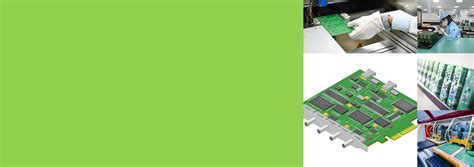
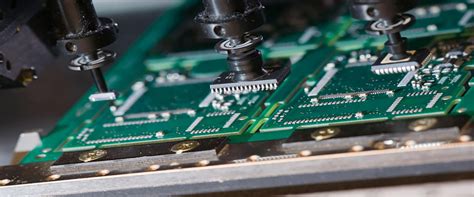
In today’s fast-paced electronics manufacturing environment, automation plays a crucial role in optimizing pcb assembly processes. By integrating automated solutions, companies can significantly enhance the efficiency of their PCBA operations. Automated systems streamline various assembly tasks, from component placement to soldering and inspection, thereby reducing the potential for human error. This not only increases the speed of production but also improves the overall quality of the final products. Moreover, automation allows for more consistent results and high precision, which are essential in maintaining quality standards within pcb assembly operations. The adoption of robotics, automated optical inspection (AOI) systems, and other technological advancements enables companies to adapt to complex designs and rapid market changes efficiently. Ultimately, incorporating such automation strategies helps businesses lower labor costs and improve turnaround times while elevating their competitive edge in the marketplace.
Innovative Technologies Transforming PCB Assembly
The landscape of PCB assembly is evolving rapidly, driven by the integration of innovative technologies that significantly enhance operational efficiency and performance. One notable advancement is the utilization of automated assembly systems, which streamline the production line, reduce human error, and accelerate assembly times. Moreover, machine learning algorithms are being employed to analyze data from previous PCBA processes, enabling companies to predict potential failures and optimize workflows in real-time. Another cutting-edge technology is the implementation of 3D printing, which facilitates rapid prototyping and the creation of complex circuit designs that would be difficult or impossible to achieve through traditional methods. Smart factories, equipped with interconnected devices and IoT (Internet of Things) capabilities, allow for greater data exchange and monitoring throughout the PCB assembly process. These systems enhance communication between different stages of production, enabling quicker decision-making that ultimately boosts productivity. As companies adopt these transformative technologies, they not only improve their manufacturing processes but also gain a competitive edge in a fast-paced electronics market, paving the way for innovations that can drive down costs while maintaining high-quality standards in their PCBA outputs.
Cost Reduction Strategies in PCB Manufacturing
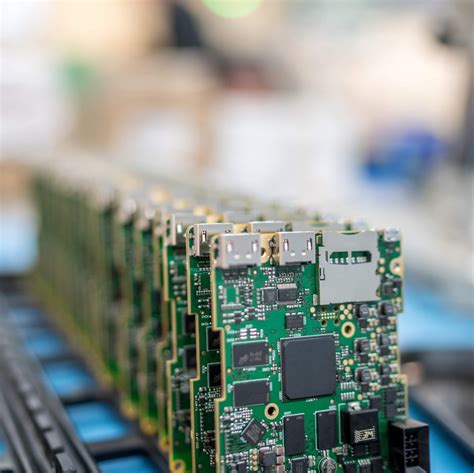
In the competitive landscape of electronics manufacturing, implementing effective cost reduction strategies in PCB assembly processes is essential for enhancing overall company performance. One primary approach is the optimization of supply chain management. By establishing strong relationships with reliable suppliers, companies can negotiate better prices for components used in PCBA, ultimately reducing material costs. Additionally, adopting lean manufacturing principles can significantly streamline operations; this involves identifying and eliminating waste throughout the PCB assembly process, thereby increasing productivity without compromising quality.
Another effective strategy is investing in automation technology. Automated systems can help minimize labor costs and reduce production cycle times while maintaining consistent quality standards in pcb assembly operations. Moreover, integrating real-time monitoring and data analytics allows companies to identify inefficiencies promptly, allowing for immediate corrective actions that save time and resources.
Training employees on best practices is also vital for cost management in PCBA. By empowering teams with the knowledge to spot potential issues early on—ranging from design flaws to production errors—companies can mitigate costly rework and ensure that assembly processes are as efficient as possible. Lastly, embracing innovative technologies such as additive manufacturing or advanced soldering techniques can lead to significant reductions in both materials usage and labor costs, positioning companies favorably within an ever-evolving market environment.
In summary, a multi-faceted approach that includes optimizing supplier relationships, embracing automation, training staff effectively, and leveraging cutting-edge technologies will not only reduce costs but also enhance the effectiveness of pcb assembly processes.
Quality Control Measures for Superior PCB Assembly
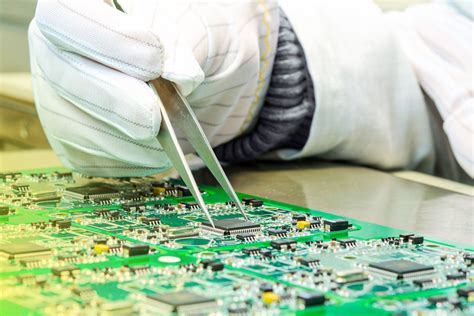
In the realm of pcb assembly, ensuring high-quality standards is paramount to achieving optimal performance and reliability in electronic products. Implementing robust quality control measures not only safeguards the integrity of the pcba (printed circuit board assembly) but also enhances overall operational efficiency. Establishing a systematic approach to quality assurance involves several key strategies. First, in-process inspections should be conducted at various stages of the assembly line to identify and rectify defects early. The use of automated optical inspection (AOI) systems can drastically improve defect detection rates, reducing the risk of faulty products reaching customers. Furthermore, integrating a traceability system can help monitor each component’s journey through the manufacturing process, facilitating easy identification of issues and enabling corrective actions swiftly.
Training operators thoroughly in best practices related to pcb assembly is another critical aspect. Empowering staff with knowledge about faulty soldering techniques or improper component placement ensures that everyone involved understands their role in maintaining quality standards. Additionally, fostering a culture of continuous improvement encourages employees to advocate for enhancements in processes or materials that could lead to better product outcomes.
Finally, conducting regular audits and maintaining certifications such as ISO standards can fortify a company’s commitment to quality control in pcba manufacturing, ensuring that high performance and low defect rates become intrinsic outcomes rather than mere targets. By adopting these measures, companies can expect not only improved product reliability but also heightened customer satisfaction and loyalty within the competitive electronics sector.
Future Trends in PCB Assembly and Their Impact on Company Performance
As the landscape of electronics manufacturing continues to evolve, the pcb assembly process is poised to experience significant transformations that will impact overall company performance. One of the most notable trends is the increasing integration of advanced manufacturing technologies, such as Industry 4.0 principles, which focus on interconnectivity and real-time data analysis. This shift enables companies to implement predictive maintenance practices that can significantly enhance pcba efficiency and minimize downtime. Additionally, the rise of smart factories equipped with IoT devices allows for streamlined communication across supply chains, thereby driving more informed decision-making and better resource allocation.
Moreover, sustainability is becoming a critical factor in pcb assembly, as companies strive to reduce their environmental footprint. Implementing eco-friendly materials and processes not only complies with regulations but also appeals to environmentally conscious consumers and investors, which can enhance a company’s reputation and financial performance. In tandem with this focus on sustainability, there is also an increased emphasis on automation in the pcb assembly process, where robotic systems are employed to improve precision and speed while reducing labor costs.
These trends collectively suggest that companies embracing innovative technologies in their pcba operations are better positioned to achieve competitive advantages in an increasingly crowded market. By anticipating these future developments and adapting accordingly, businesses can enhance their efficiency, reduce costs, and ultimately drive superior performance outcomes in the thriving electronics manufacturing sector.
Conclusion
In summary, optimizing PCB assembly processes is vital for enhancing company performance in the electronics manufacturing sector. This involves a thorough understanding of the role that pcba plays in the overall operational efficiency of a business. Companies that implement best practices and integrate innovative technologies can significantly improve their pcb assembly lines. Automation has emerged as a key driver, fostering not only consistency and speed in production but also contributing to cost savings. Moreover, as companies strive to maintain high quality standards, establishing robust quality control measures becomes essential to ensure that each product meets rigorous specifications. Looking ahead, embracing future trends such as eco-friendly materials and advanced data analytics will pave the way for even greater enhancements in pcb assembly, ultimately leading to sustained growth and competitiveness within the industry. By focusing on these pivotal areas, companies can effectively navigate challenges and unlock the full potential of their manufacturing processes.
FAQs
What is PCB assembly (PCBA)?
PCB assembly, often referred to as PCBA, is the process of connecting electronic components to a printed circuit board (PCB) to create a fully functioning electronic device. It includes soldering components onto the board and can involve both manual and automated methods.
Why is optimizing PCB assembly important for companies?
Optimizing PCB assembly processes is crucial for companies because it enhances productivity and overall efficiency. Streamlined processes lead to quicker turnaround times, reduced costs, and improved product quality, resulting in a competitive edge in the electronics manufacturing sector.
What are some common challenges in PCB assembly?
Some common challenges include managing component variances, ensuring quality control, minimizing production costs, and maintaining efficient workflow. Companies often face difficulties in keeping up with technological advancements while adhering to required standards.
How can automation improve PCB assembly efficiency?
Automation in pcb assembly can significantly improve efficiency by reducing manual errors, increasing production speed, and allowing for better scalability of manufacturing processes. Automated systems facilitate precise component placement and soldering, ensuring consistent quality across batches.
What innovative technologies are currently transforming PCB assembly?
Innovative technologies such as robotics, artificial intelligence (AI), and machine learning are revolutionizing pcb assembly by enabling predictive maintenance, enhancing quality checks, and streamlining workflow automation. These advancements lead to smarter manufacturing processes.
What strategies can companies implement to reduce costs in PCB manufacturing?
To reduce costs in PCBA, companies can adopt practices such as bulk purchasing of components, optimizing production layouts for efficiency, employing lean manufacturing techniques, and utilizing cost-effective materials without compromising quality.
For more detailed insights into the latest trends and strategies regarding pcb assembly, please click here: Andwin PCB Assembly