PCB Aging Test Standard: Ensuring Long-Term Reliability in Electronic Devices
Introduction
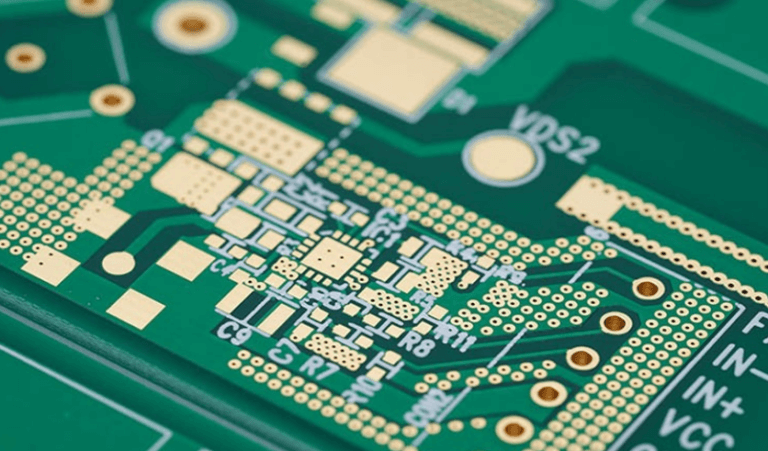
Printed Circuit Boards (PCBs) are the backbone of modern electronic devices, providing mechanical support and electrical connections for components. As electronic systems become more complex and are deployed in harsh environments, ensuring the long-term reliability of PCBs is critical. Aging tests are essential to evaluate how PCBs perform over time under various stress conditions, including temperature, humidity, mechanical stress, and electrical load.
This article explores PCB aging test standards, their importance, common test methods, industry standards, and best practices for ensuring PCB reliability.
The Importance of PCB Aging Tests
Aging tests simulate the effects of long-term use on PCBs to identify potential failure modes before they occur in real-world applications. These tests help manufacturers:
- Predict Lifespan – By subjecting PCBs to accelerated aging conditions, manufacturers can estimate their operational lifespan.
- Identify Weaknesses – Aging tests reveal design flaws, material degradation, and manufacturing defects.
- Ensure Compliance – Many industries require adherence to specific aging test standards for reliability certification.
- Reduce Field Failures – By detecting issues early, manufacturers can improve product quality and reduce warranty claims.
Common PCB Aging Test Methods
Several test methods are used to evaluate PCB aging, each focusing on different stress factors:
1. Thermal Aging (High-Temperature Aging)
Thermal aging tests expose PCBs to elevated temperatures to accelerate material degradation. Common approaches include:
- High-Temperature Storage Test – PCBs are stored at high temperatures (e.g., 85°C, 125°C) for extended periods to observe changes in insulation resistance, solder joint integrity, and substrate stability.
- Thermal Cycling Test – PCBs undergo repeated temperature variations (e.g., -40°C to +125°C) to assess thermal expansion-induced failures.
Standards: IPC-TM-650, JEDEC JESD22-A104
2. Humidity and Temperature Aging (Damp Heat Test)
Humidity tests evaluate PCB performance in moist environments, which can cause corrosion, delamination, and conductive anodic filament (CAF) growth.
- 85°C/85% RH Test – A common test where PCBs are exposed to 85°C temperature and 85% relative humidity for hundreds or thousands of hours.
- HAST (Highly Accelerated Stress Test) – Uses higher temperatures (110°C–130°C) and humidity (85%–100% RH) to accelerate failures.
Standards: JEDEC JESD22-A101, IPC-TM-650 2.6.3
3. Electrical Aging (Power Cycling & Bias Testing)
Electrical aging tests assess how PCBs perform under continuous or cyclic electrical loads.
- Power Cycling Test – Repeatedly turning power on/off to simulate real-world usage.
- DC/AC Bias Humidity Test – Applying voltage bias in humid conditions to detect electrochemical migration.
Standards: IPC-9701, JEDEC JESD22-A104
4. Mechanical Aging (Vibration & Bend Testing)
Mechanical stress tests simulate physical wear and tear, including:
- Vibration Testing – Evaluates solder joint reliability under mechanical vibration.
- Flex/Bend Testing – Assesses flexible PCBs’ durability under repeated bending.
Standards: IPC-9701, MIL-STD-810
5. Chemical Exposure Aging
Tests PCB resistance to chemicals, such as solvents, fluxes, and cleaning agents, which may cause corrosion or material breakdown.
Standards: IPC-TM-650 2.3.28
Key Industry Standards for PCB Aging Tests
Several organizations provide guidelines for PCB aging tests, including:
1. IPC Standards
- IPC-TM-650 – Test methods for evaluating PCB reliability, including thermal, humidity, and mechanical tests.
- IPC-9701 – Focuses on solder joint reliability under thermal cycling.
- IPC-A-600 – Defines acceptability criteria for PCBs after aging tests.
2. JEDEC Standards
- JESD22-A104 (Thermal Cycling)
- JESD22-A101 (Steady-State Temperature Humidity Bias Life Test)
- JESD22-A110 (HAST)
3. MIL-STD Standards (Military & Aerospace)
- MIL-STD-202 – Environmental test methods for electronic components.
- MIL-STD-810 – Vibration and mechanical stress testing.
4. IEC Standards
- IEC 60068 – Environmental testing standards, including thermal shock and humidity resistance.
Best Practices for PCB Aging Testing
To ensure accurate and meaningful aging test results, manufacturers should follow these best practices:
- Define Test Objectives – Determine whether the test evaluates solder joints, substrate integrity, or electrochemical migration.
- Select Appropriate Test Conditions – Use industry-standard temperature, humidity, and electrical stress levels.
- Use Control Samples – Compare aged PCBs with fresh ones to identify degradation patterns.
- Monitor Key Parameters – Track insulation resistance, solder joint cracks, delamination, and electrical performance.
- Perform Failure Analysis – Use microscopy, X-ray, and cross-sectioning to examine failure mechanisms.
- Document Results Thoroughly – Maintain detailed records for compliance and continuous improvement.
Conclusion
PCB aging tests are crucial for ensuring the long-term reliability of electronic devices in industries ranging from consumer electronics to aerospace. By following standardized test methods such as IPC, JEDEC, and MIL-STD, manufacturers can identify potential failure modes, improve product design, and meet regulatory requirements. Implementing best practices in aging testing helps enhance PCB durability, reduce field failures, and increase customer satisfaction.
As electronic devices continue to evolve, aging test standards must also adapt to address new materials, higher power densities, and harsher operating environments. Manufacturers who prioritize rigorous aging testing will gain a competitive edge by delivering more reliable and long-lasting products.
This article provides a comprehensive overview of PCB aging test standards, covering key methods, industry guidelines, and best practices. Let me know if you’d like any modifications or additional details!