Pcb application
Medical Devices And PCB Applications
Printed Circuit Boards (PCBs) have become indispensable in the realm of medical devices, playing a crucial role in the advancement of healthcare technology. As the demand for more sophisticated and reliable medical equipment grows, the integration of PCBs into these devices has become increasingly prevalent. This integration is not only enhancing the functionality of medical devices but also ensuring their reliability and efficiency.
One of the primary applications of PCBs in medical devices is in diagnostic equipment.
Devices such as MRI machines, CT scanners, and ultrasound equipment rely heavily on PCBs to function accurately. These boards are responsible for managing the complex electronic signals that these machines generate and process. By ensuring precise signal transmission and reception, PCBs help in producing high-quality images and data, which are critical for accurate diagnosis. Furthermore, the miniaturization of PCBs has allowed for the development of more compact and portable diagnostic devices, making it easier for healthcare professionals to conduct tests and obtain results quickly.
In addition to diagnostic equipment, PCBs are also integral to therapeutic devices.
For instance, pacemakers, which are essential for patients with heart conditions, utilize PCBs to regulate heartbeats. The reliability and durability of PCBs are paramount in such life-sustaining devices, as any malfunction could have severe consequences. Similarly, infusion pumps, which deliver precise doses of medication to patients, depend on PCBs for their accurate operation. The ability of PCBs to handle complex programming and control functions ensures that these therapeutic devices perform their tasks with utmost precision.
Moreover, PCBs are also found in monitoring devices, which are crucial for patient care.
Devices such as blood glucose monitors, blood pressure monitors, and wearable health trackers all incorporate PCBs to monitor and record vital signs. The data collected by these devices is essential for healthcare providers to make informed decisions about patient care. The reliability and accuracy of PCBs in these monitoring devices ensure that the data is trustworthy and can be used to track patient health over time.
Another significant application of PCBs in medical devices is in surgical instruments.
Modern surgical tools, such as endoscopes and robotic surgical systems, rely on PCBs to provide the necessary control and precision. These boards enable the integration of advanced features such as high-definition imaging and real-time data transmission, which are essential for successful surgical outcomes. The use of PCBs in these instruments has revolutionized surgical procedures, making them less invasive and more efficient.
Furthermore, the development of flexible PCBs has opened new possibilities in the design of medical devices.
Flexible PCBs can be bent and shaped to fit into compact and irregular spaces, making them ideal for use in wearable devices and implants. This flexibility allows for the creation of more ergonomic and patient-friendly devices, enhancing patient comfort and compliance.
In conclusion, the application of PCBs in medical devices is vast and varied, encompassing diagnostic, therapeutic, monitoring, and surgical equipment. The reliability, precision, and miniaturization capabilities of PCBs have made them a cornerstone of modern medical technology. As advancements in PCB technology continue, we can expect even more innovative and efficient medical devices to emerge, further improving patient care and outcomes. The integration of PCBs into medical devices is a testament to the critical role that electronics play in advancing healthcare and enhancing the quality of life for patients worldwide.
Automotive Industry And PCB Innovations
The automotive industry has undergone significant transformations over the past few decades, driven by advancements in technology and the increasing demand for more efficient, reliable, and intelligent vehicles. One of the pivotal components in this evolution is the printed circuit board (PCB), which has become indispensable in modern automotive design and manufacturing. PCBs serve as the backbone of electronic systems, enabling the integration of various functionalities that enhance vehicle performance, safety, and user experience.
Initially, PCBs were primarily used in simple automotive applications such as lighting and basic control systems.
However, with the advent of more sophisticated electronics, their role has expanded dramatically. Today, PCBs are integral to a wide array of automotive systems, including engine control units (ECUs), infotainment systems, advanced driver-assistance systems (ADAS), and electric vehicle (EV) power management. This expansion is largely due to the miniaturization of electronic components and the ability of PCBs to support complex circuitry in a compact form factor.
One of the most significant innovations in automotive PCBs is their application in ADAS.
These systems rely on a network of sensors, cameras, and radar units to provide real-time data that assists drivers in making informed decisions. PCBs facilitate the seamless integration of these components, ensuring that data is processed quickly and accurately. This capability is crucial for features such as adaptive cruise control, lane-keeping assistance, and automatic emergency braking, which enhance both safety and convenience.
Moreover, the rise of electric vehicles has further underscored the importance of PCBs in the automotive sector.
EVs require sophisticated battery management systems (BMS) to monitor and control the performance of lithium-ion batteries. PCBs in BMS applications must be designed to handle high currents and voltages while maintaining reliability and efficiency. Additionally, they play a critical role in the power electronics that manage the conversion and distribution of electrical energy within the vehicle. This includes inverters, converters, and onboard chargers, all of which rely on robust PCB designs to function effectively.
In addition to performance and safety, the automotive industry is also focused on enhancing the user experience through advanced infotainment systems.
Modern vehicles are equipped with touchscreens, navigation systems, and connectivity features that require complex electronic architectures. PCBs enable the integration of these diverse functionalities into a cohesive system, providing users with a seamless and intuitive interface. The ability to support high-speed data transmission and wireless communication is particularly important in this context, as it ensures that infotainment systems remain responsive and reliable.
Furthermore, the development of flexible and rigid-flex PCBs has opened new possibilities for automotive design.
These PCBs can be bent and shaped to fit into unconventional spaces, allowing for more innovative and compact designs. This flexibility is especially beneficial in applications where space is at a premium, such as in the dashboards and control panels of modern vehicles. By enabling more efficient use of space, flexible PCBs contribute to the overall aesthetic and functional design of the vehicle.
In conclusion, the application of PCBs in the automotive industry has revolutionized vehicle design and functionality. From enhancing safety through ADAS to supporting the transition to electric vehicles and improving user experience with advanced infotainment systems, PCBs are at the heart of modern automotive innovation. As technology continues to evolve, the role of PCBs in the automotive sector is expected to grow even further, driving new advancements and setting new standards for performance, safety, and user satisfaction.
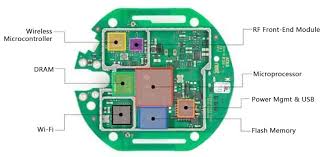
PCB Applications In Consumer Electronics
Printed Circuit Boards (PCBs) have become an integral component in the realm of consumer electronics, serving as the backbone for a multitude of devices that have become indispensable in modern life. The versatility and efficiency of PCBs have revolutionized the way electronic devices are designed and manufactured, leading to significant advancements in technology and user experience.
One of the primary applications of PCBs in consumer electronics is in smartphones.
These ubiquitous devices rely heavily on PCBs to interconnect various components such as processors, memory chips, and sensors. The compact and intricate design of modern smartphones is made possible by multi-layer PCBs, which allow for the integration of numerous functionalities within a limited space. This not only enhances the performance of the device but also contributes to its sleek and lightweight design, which is highly valued by consumers.
In addition to smartphones, PCs and laptops also benefit greatly from the use of PCBs.
The motherboard, which is the central hub of any computer system, is essentially a large PCB that houses the CPU, RAM, and other critical components. The efficient layout of these components on the PCB ensures optimal performance and reliability. Furthermore, advancements in PCB technology have enabled the development of smaller and more powerful computing devices, such as tablets and ultrabooks, which offer high performance in a portable form factor.
Another significant application of PCBs is in the realm of wearable technology.
Devices such as smartwatches and fitness trackers rely on flexible PCBs, which can be bent and shaped to fit the contours of the human body. This flexibility is crucial for ensuring comfort and durability, as these devices are often subjected to various physical stresses during daily use. Moreover, the integration of sensors and wireless communication modules on the PCB allows for real-time monitoring and data transmission, enhancing the functionality and user experience of wearable devices.
The impact of PCBs extends beyond personal gadgets to include home entertainment systems as well.
Televisions, gaming consoles, and audio equipment all utilize PCBs to manage and process signals, ensuring high-quality output and seamless operation. For instance, modern smart TVs incorporate PCBs that enable internet connectivity, app integration, and advanced display technologies, transforming the traditional television into a multifunctional entertainment hub.
Furthermore, the role of PCBs in consumer electronics is not limited to high-end devices.
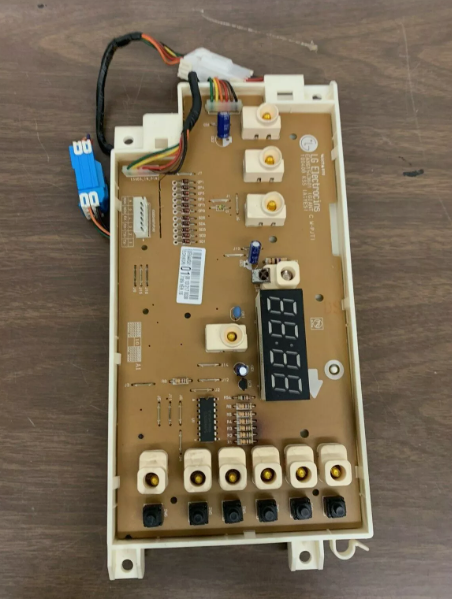
Everyday household appliances such as microwaves, washing machines, and refrigerators also incorporate PCBs to control various functions and improve energy efficiency. The use of PCBs in these appliances allows for precise control over operations, leading to enhanced performance and reduced energy consumption, which is increasingly important in today’s environmentally conscious society.
In conclusion, the application of PCBs in consumer electronics is vast and varied, encompassing a wide range of devices that have become essential in our daily lives. The continuous advancements in PCB technology have enabled the development of more compact, efficient, and powerful electronic devices, driving innovation and improving user experience. As technology continues to evolve, the role of PCBs in consumer electronics is expected to expand further, paving the way for new and exciting developments in the industry.
Aerospace And Defense PCB Technologies
Printed Circuit Boards (PCBs) have become indispensable in the aerospace and defense sectors, where reliability, precision, and durability are paramount. These industries demand advanced PCB technologies to meet stringent performance standards and withstand harsh environmental conditions. The application of PCBs in aerospace and defense encompasses a wide range of uses, from avionics and communication systems to missile guidance and radar systems.
In the aerospace industry, PCBs are integral to the operation of aircraft and spacecraft.
Avionics systems, which include navigation, communication, and control systems, rely heavily on PCBs to function effectively. These systems require PCBs that can endure extreme temperatures, high altitudes, and significant vibrations. To address these challenges, aerospace PCBs are often designed with high-temperature laminates and specialized materials that provide thermal stability and mechanical strength. Additionally, the use of advanced manufacturing techniques, such as surface mount technology (SMT) and through-hole technology, ensures that these PCBs can handle the rigorous demands of aerospace applications.
Similarly, in the defense sector, PCBs are crucial for the functionality of various military equipment and systems.
For instance, radar systems, which are essential for surveillance and target detection, depend on high-frequency PCBs to process and transmit signals accurately. These PCBs must exhibit low signal loss and high reliability to ensure optimal performance. Moreover, defense applications often require PCBs with multiple layers to accommodate complex circuitry and enhance signal integrity. The use of advanced materials, such as polytetrafluoroethylene (PTFE) and ceramic-filled laminates, further enhances the performance of these high-frequency PCBs.
Transitioning to the topic of durability, it is important to note that both aerospace and defense PCBs must be designed to withstand harsh environmental conditions.
This includes exposure to moisture, chemicals, and radiation. To achieve this, manufacturers employ various protective measures, such as conformal coatings and encapsulation. Conformal coatings, which are thin layers of protective material applied to the PCB surface, provide a barrier against moisture and contaminants. Encapsulation, on the other hand, involves enclosing the entire PCB in a protective casing, offering enhanced protection against physical damage and environmental stressors.
Furthermore, the miniaturization of electronic components has led to the development of more compact and lightweight PCBs, which are particularly beneficial for aerospace and defense applications.
The reduction in size and weight not only improves the efficiency of these systems but also contributes to fuel savings and increased payload capacity in aircraft and spacecraft. Advanced fabrication techniques, such as microvia technology and high-density interconnect (HDI) PCBs, enable the creation of smaller and more efficient PCBs without compromising performance.
In addition to these technological advancements, the aerospace and defense industries also prioritize stringent quality control and testing procedures to ensure the reliability of PCBs.
This includes rigorous testing for thermal cycling, vibration, and shock resistance, as well as electrical performance. Compliance with industry standards, such as IPC-6012DS for aerospace and MIL-PRF-31032 for defense, is essential to guarantee the quality and reliability of PCBs used in these critical applications.
In conclusion, the application of PCB technologies in the aerospace and defense sectors is characterized by a focus on reliability, precision, and durability. Through the use of advanced materials, manufacturing techniques, and protective measures, PCBs are able to meet the demanding requirements of these industries. As technology continues to evolve, the development of more sophisticated and resilient PCBs will undoubtedly play a crucial role in advancing aerospace and defense capabilities.