PCB Assembly Price: Optimizing Costs in Electronic Manufacturing

Key Takeaways
Understanding the PCB assembly process and its cost drivers is essential for optimizing expenses in electronics production. The price of PCBA (Printed Circuit Board Assembly) hinges on multiple variables, including component availability, design complexity, and order volume. Below are critical insights to guide cost-effective decisions:
| Factor | Impact on Cost | Optimization Method |
|---|---|---|
| Component Sourcing | High (30–50% of total) | Bulk purchasing, alternate suppliers |
| Order Volume | Medium to High | Tiered pricing models |
| Design Efficiency | Moderate | DFM (Design for Manufacturability) |
Strategic PCB assembly partnerships can unlock volume discounts, while simplifying layouts reduces material waste and labor time. For instance, selecting standardized components over custom parts often lowers unit costs without compromising performance. Additionally, aligning design choices with PCBA capabilities minimizes rework delays. By prioritizing these levers, manufacturers can achieve a balance between quality and budget—a theme explored in depth throughout this guide.
Key Factors Driving PCB Assembly Costs
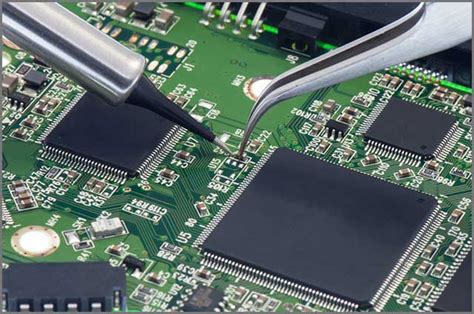
The PCB assembly process involves multiple variables that directly influence pricing, making it critical to understand where costs originate. Component selection stands out as a primary driver—high-demand or specialized parts, such as ball grid array (BGA) chips or surface-mount technology (SMT) resistors, often carry premium pricing due to scarcity or technical requirements. Another critical element is board complexity, where layers, trace density, and miniaturization demands escalate production time and material usage. For instance, a 12-layer PCBA with embedded components will inherently cost more than a simpler 2-layer design.
Production volume also plays a pivotal role: low-volume runs typically incur higher per-unit costs due to setup fees and machinery calibration, while economies of scale reduce expenses significantly in bulk orders. Labor costs, though less impactful in automated workflows, still affect pricing in regions with higher wage standards or specialized technical oversight. Finally, design efficiency—or the lack thereof—can introduce hidden costs through rework, such as when poor PCB assembly alignment or inadequate solder mask spacing leads to defects. By addressing these factors early, manufacturers can better forecast and control expenses without compromising quality.
Component Sourcing Strategies to Cut Costs
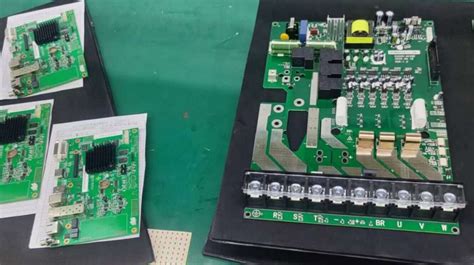
Strategic component sourcing is foundational to controlling PCB assembly expenses without compromising quality. Standardization of parts—such as opting for commonly used resistors or capacitors—reduces procurement complexity and leverages bulk purchasing power. Partnering with authorized distributors or verified suppliers ensures access to genuine components, minimizing risks of counterfeit parts that could escalate costs through rework or failures.
One proven approach involves design-for-manufacturability (DFM) principles, which align component choices with availability. For instance, substituting hard-to-source ICs with equivalent, widely stocked alternatives can prevent delays and inflated prices. Additionally, consolidating orders for multiple PCBA projects under a single supplier often unlocks volume-based discounts.
Proactive inventory management tools, like just-in-time (JIT) delivery or vendor-managed inventory (VMI), further optimize cash flow by aligning component shipments with production schedules. For high-mix projects, leveraging multisourcing—distributing orders across multiple vendors for critical parts—mitigates supply chain disruptions. Finally, monitoring global market trends, such as semiconductor shortages, allows manufacturers to preemptively secure components at stable rates, avoiding last-minute price surges. By integrating these strategies, businesses achieve a balance between cost efficiency and reliable PCB assembly outcomes.
Leveraging Volume Pricing in PCB Assembly
Scaling production volumes remains one of the most effective strategies for reducing PCB assembly costs. Manufacturers typically offer tiered pricing models, where higher order quantities trigger significant per-unit savings by amortizing fixed expenses like PCBA setup fees, solder paste stencils, and programming time across more units. For instance, a 1,000-unit order might reduce per-board costs by 15–25% compared to a 100-unit batch, depending on the complexity of the design.
To maximize these benefits, align production schedules with demand forecasts. Bulk orders not only secure better pricing but also minimize logistical overheads, such as repeated shipping or component re-sourcing. However, overestimating volume risks excess inventory, so data-driven planning is critical. Some suppliers offer flexible consignment models or volume-based rebates for repeat orders, further enhancing cost efficiency.
Transitioning from prototyping to mass production? Consider negotiating long-term contracts with PCB assembly partners. These agreements often lock in favorable rates while ensuring consistent quality—a balance that becomes vital as projects scale. By strategically timing large-scale orders and collaborating closely with suppliers, businesses can turn volume into a competitive advantage without compromising on turnaround times or component availability.
Design Efficiency’s Impact on PCB Costs
PCB assembly costs are significantly influenced by design choices, making design efficiency a critical factor in cost optimization. A well-optimized layout reduces material waste, minimizes production errors, and accelerates manufacturing timelines. For instance, adhering to Design for Manufacturability (DFM) principles ensures components are spaced appropriately, traces are routed efficiently, and board layers are minimized—all of which lower PCBA expenses. Overly complex designs, by contrast, often require specialized equipment or additional labor, driving up costs.
Strategic placement of components to avoid cross-talk or signal interference can also reduce the need for costly shielding materials. Similarly, standardizing pad sizes and footprints simplifies PCB assembly processes, enabling manufacturers to use automated systems more effectively. Designers should prioritize common component orientations and avoid mixing surface-mount (SMD) and through-hole (THT) parts unnecessarily, as this complicates soldering workflows.
Additionally, integrating testability features like test points or boundary scans during the design phase reduces post-assembly quality control expenses. By collaborating early with PCBA partners, engineers can identify cost-saving opportunities, such as panelization strategies or material substitutions. This proactive approach ensures designs align with both technical requirements and budget constraints, creating a smoother transition to volume production phases.
PCB Cost Optimization: Proven Techniques
Effective PCB assembly cost management requires a combination of technical foresight and supply chain intelligence. One foundational strategy involves standardizing design parameters to reduce complexity, which minimizes material waste and accelerates production timelines. For instance, aligning component footprints with commonly available parts prevents delays caused by sourcing specialized or obsolete items. Engineers can further reduce PCBA expenses by optimizing panelization layouts—maximizing board yield per panel lowers per-unit costs without compromising quality.
Another critical approach is implementing design for manufacturability (DFM) principles early in development. Proactively addressing potential fabrication issues—like tight tolerances or unnecessary via layers—reduces rework rates and material scrap. Additionally, leveraging automated assembly processes for high-volume orders ensures consistency while cutting labor expenses. For mixed-batch production, hybrid workflows combining manual and automated steps offer flexibility without inflating budgets.
Component substitution also plays a pivotal role. Identifying functionally equivalent alternatives to high-cost ICs or connectors—while maintaining performance—can yield immediate savings. Partnering with PCB assembly suppliers offering value-added services, such as bulk purchasing programs or consignment inventory models, further stabilizes pricing. Finally, lifecycle management tools help avoid last-minute component shortages, which often lead to costly expedited shipping fees. By integrating these techniques, manufacturers achieve a balanced equation of efficiency, reliability, and cost-effectiveness in PCBA workflows.
PCB Assembly Supplier Pricing Comparisons
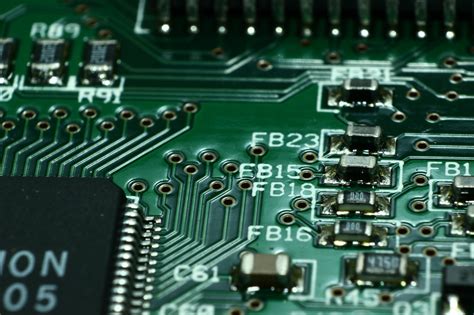
When evaluating PCB assembly suppliers, understanding price differentials requires analyzing multiple variables beyond base quotes. Component procurement networks play a pivotal role—suppliers with established relationships for high-demand parts (e.g., microcontrollers, connectors) often secure better rates, directly lowering PCBA costs. Additionally, geographical factors influence labor and logistics expenses: regions with lower manufacturing overheads may offer competitive pricing, but trade-offs in lead times or quality controls must be weighed.
Volume tiers remain a key lever—suppliers frequently adjust per-unit pricing based on order quantities, with discounts escalating at 500+, 1,000+, or 5,000+ unit thresholds. However, hidden costs like tooling fees, testing setups, or expedited service charges can offset apparent savings. For accurate comparisons, request itemized quotes that break down PCB assembly stages, including solder paste application, pick-and-place, and post-reflow inspections.
Certifications (e.g., ISO, IPC-A-610) also impact pricing structures. Suppliers adhering to stricter quality standards may charge premiums, but this reduces risks of field failures and rework. Finally, consider supplier flexibility—partners willing to optimize panelization layouts or suggest alternative materials often deliver long-term cost efficiencies without compromising reliability. By cross-referencing these variables, manufacturers can align supplier selection with both budget constraints and technical requirements.
Smart Material Choices Lower Assembly Costs
Material selection plays a pivotal role in balancing performance and affordability in PCB assembly. Opting for cost-effective yet reliable substrates, such as FR-4 instead of high-frequency laminates, can reduce baseline expenses by up to 30% without compromising functionality for standard applications. Thermal management properties and signal integrity requirements should guide choices—using aluminum-backed boards for heat dissipation, for instance, eliminates the need for additional cooling components in power electronics.
Equally critical is the strategic use of surface finishes. While ENIG (Electroless Nickel Immersion Gold) offers superior corrosion resistance, HASL (Hot Air Solder Leveling) provides a more budget-friendly option for prototypes or non-critical devices. Designers can further cut costs by specifying industry-standard solder mask colors (green remains the most economical) and avoiding exotic via fill materials unless high-density interconnects are mandatory.
Component packaging also influences PCBA pricing. Leveraging surface-mount devices (SMDs) over through-hole parts reduces manual labor, while selecting common package sizes (e.g., 0402 resistors instead of 0201 packages) minimizes machine recalibration time. By aligning material specifications with actual performance needs, manufacturers achieve cost predictability without triggering over-engineering penalties—a key strategy in competitive electronics markets.
Balancing Quality and Budget in PCB Assembly
Achieving the optimal balance between PCB assembly quality and budget requires a nuanced approach to decision-making. While cost reduction is critical in competitive markets, compromising on critical components or processes can lead to higher long-term expenses from field failures or redesigns. A key strategy involves prioritizing high-reliability parts for mission-critical circuit functions while considering cost-effective alternatives for non-essential sections of the PCBA.
"Implementing tiered component qualification standards allows manufacturers to maintain performance benchmarks without over-specifying materials for less demanding applications."
Three essential considerations drive this balance:
- Supplier certifications (e.g., ISO 9001, IPC-A-610 compliance) that ensure baseline quality without premium pricing
- Design-for-manufacturability (DFM) adjustments that reduce assembly complexity
- Strategic use of automated optical inspection (AOI) versus full functional testing
Manufacturers should conduct failure mode analysis during prototyping to identify where budget-friendly materials can safely substitute premium options. For instance, selecting FR-4 substrates with appropriate Tg ratings instead of high-frequency laminates for standard applications. Transition phrases like "conversely" or "in parallel" help maintain logical flow when discussing these trade-offs.
By aligning material specifications with actual performance requirements and leveraging volume pricing structures, businesses can achieve 15-25% cost savings on PCB assembly projects without sacrificing operational reliability. This approach requires continuous collaboration between design engineers and PCBA suppliers to identify optimization opportunities throughout the product lifecycle.

Conclusion
Navigating PCB assembly costs requires a balanced approach that integrates technical expertise with supply chain intelligence. While PCBA pricing structures remain sensitive to global component markets and production scales, manufacturers can achieve measurable savings through strategic design iterations and supplier collaboration. Prioritizing standardized component libraries reduces procurement complexities, while panelization strategies optimize material utilization during fabrication. For high-volume projects, consolidated orders often unlock tiered pricing benefits, though prototyping phases demand flexibility to accommodate design refinements. Crucially, automated testing integration minimizes post-assembly defects, preventing costly rework cycles. As supply chains evolve, real-time component substitution alerts and inventory forecasting tools are becoming critical for maintaining budget predictability. By aligning design-for-manufacturability principles with dynamic sourcing protocols, businesses can sustainably reduce PCB assembly expenses while meeting stringent quality benchmarks in competitive electronics markets.
Frequently Asked Questions
What factors most significantly impact PCB assembly costs?
The primary cost drivers include component sourcing complexity, labor-intensive processes, and PCBA testing requirements. Board complexity (layer count, size) and material choices also play critical roles in final pricing.
How can component sourcing strategies reduce expenses?
Procuring common or standardized components from verified suppliers lowers acquisition costs. Leveraging PCB assembly partners with existing supplier networks often yields better pricing through consolidated purchasing power.
Does order volume truly affect per-unit PCB costs?
Yes, volume pricing typically reduces per-unit expenses by 18-35% in medium-to-large batches (500+ units). This scales with material procurement efficiencies and optimized production line utilization.
What design modifications improve cost efficiency?
Implementing DFM (Design for Manufacturing) principles reduces PCBA expenses by 22% on average. Simplifying board layouts, standardizing component footprints, and minimizing special processes (like gold plating) prove particularly effective.
How do material choices influence assembly pricing?
Selecting FR-4 substrates over specialized materials can cut costs by 15-25% without compromising functionality. However, high-frequency or extreme-environment applications may require pricier dielectric materials.
Can quality be maintained while reducing PCB assembly costs?
Strategic partnerships with IPC-certified assemblers ensure quality control through automated optical inspection (AOI) and functional testing protocols, balancing reliability with budget considerations.
Explore Customized PCB Assembly Solutions
Ready to implement these cost-optimization strategies in your next project? Click here to request a tailored PCB assembly quote from industry-certified manufacturing experts.