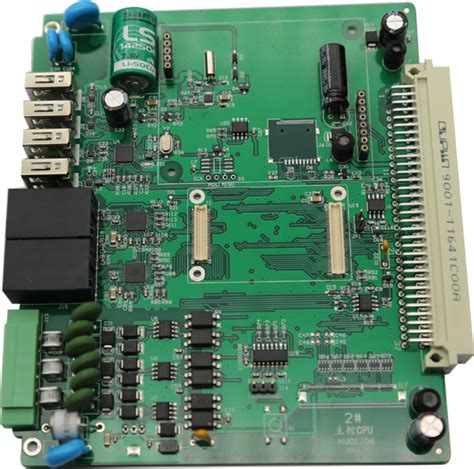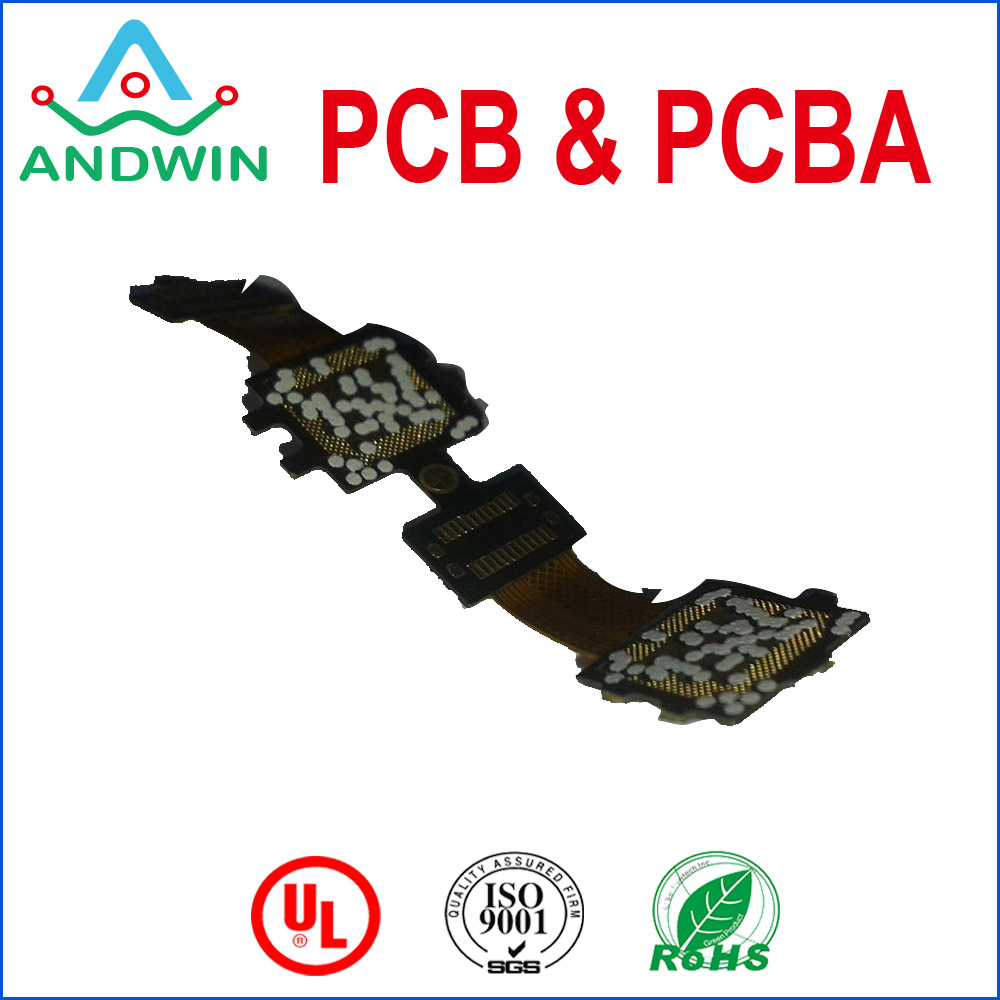
PCB assembly services are one of the most critical aspects of electronic manufacturing
In today’s world, electronic devices are an integral part of our lives.
From smartphones to laptops, from cars to home appliances, everything is powered by electronics.
As a result, the demand for electronic manufacturing services has skyrocketed in recent years.
PCB assembly services are one of the most critical aspects of electronic manufacturing,
and they play a crucial role in the success of any electronic product.
What is PCB Assembly?
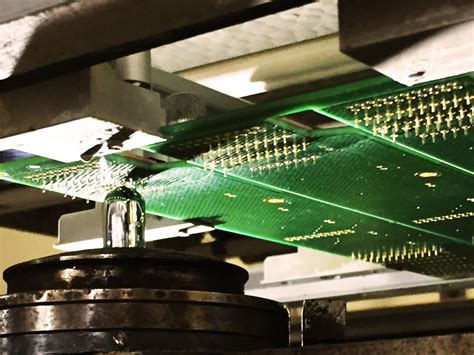
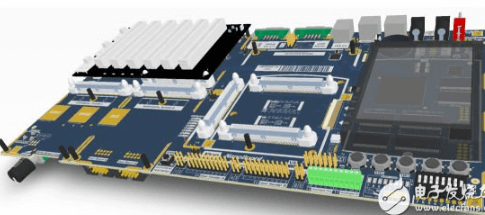
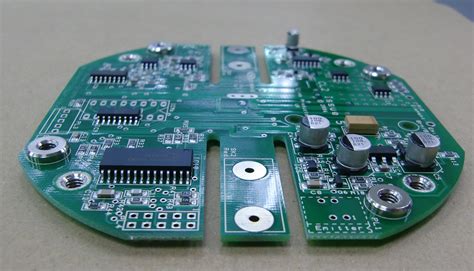
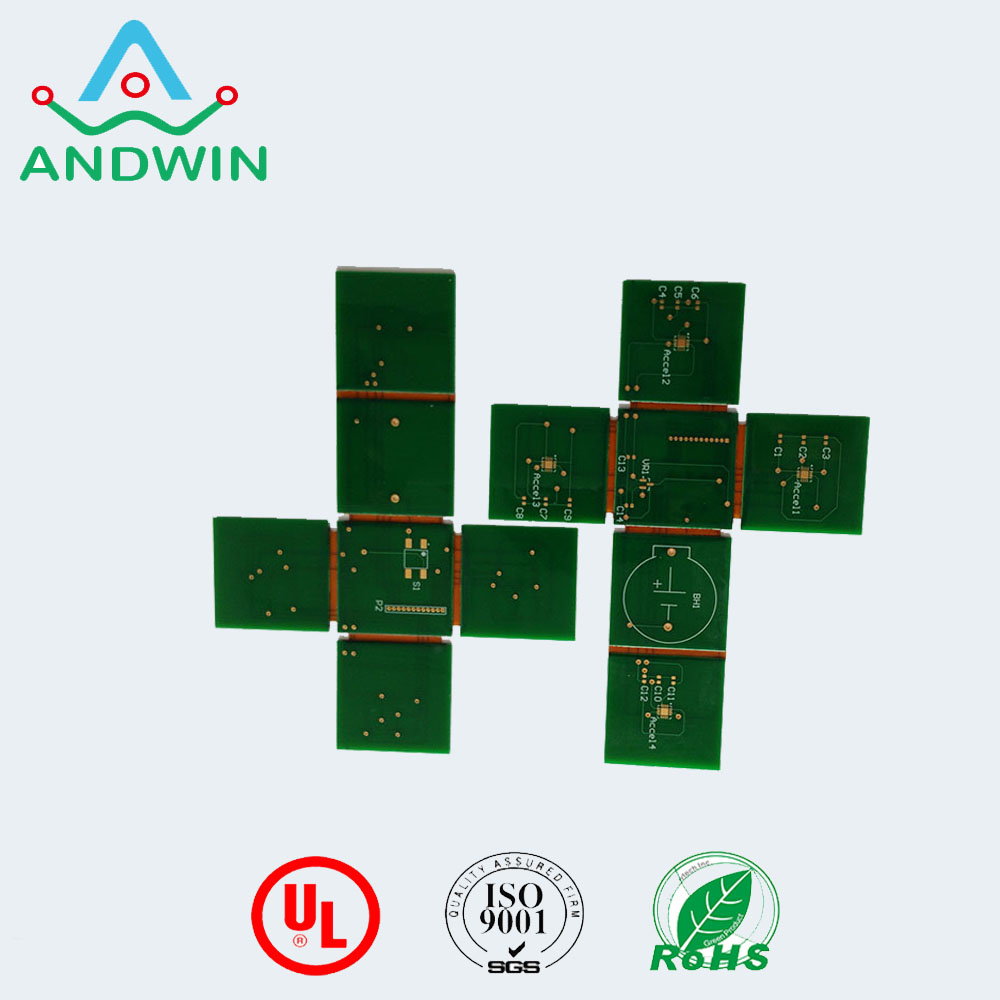
PCB assembly is the process of assembling electronic components onto a printed circuit board (PCB).
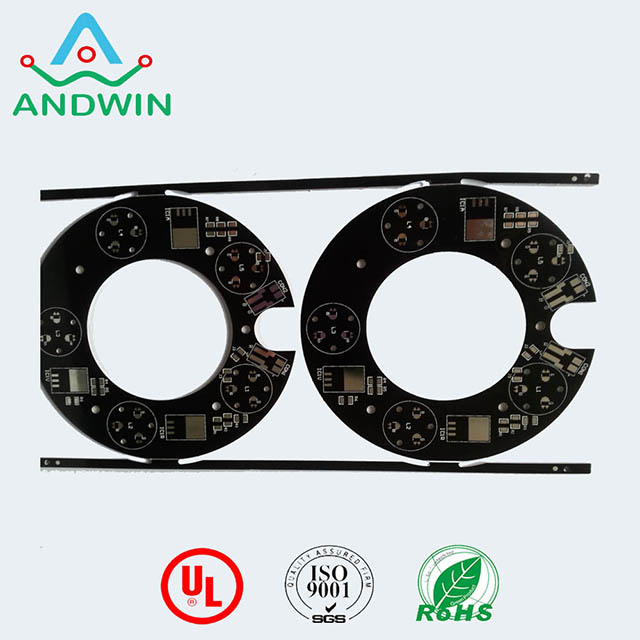
The PCB is a board made of insulating material with conductive pathways etched onto it.
The electronic components are then soldered onto the PCB to create a functional electronic device.
PCB assembly services are essential for any electronic manufacturing company as they provide a cost-effective
and efficient way to assemble electronic components onto a PCB.
These services are typically provided by specialized companies that have the expertise
and equipment needed to perform the assembly process.

Types of PCB Assembly Services
There are two main types of PCB assembly services: surface mount technology (SMT) and through-hole technology (THT).
Surface Mount Technology (SMT)
SMT is a modern PCB assembly technique that involves mounting electronic components directly onto the surface of the PCB.
This technique is widely used in electronic manufacturing as it allows for smaller and more compact electronic devices.
SMT is also faster and more efficient than THT, making it the preferred choice for high-volume production.
Through-Hole Technology (THT)
THT is an older PCB assembly technique that involves mounting electronic components through holes drilled into the PCB.
This technique is less common than SMT but is still used in some electronic products.
THT is typically used for larger components that require more robust connections to the PCB.
Benefits of PCB Assembly Services
There are many benefits of using PCB assembly services for your electronic manufacturing needs, including:
1. Cost-Effective
PCB assembly services are cost-effective as they allow for high-volume production at a lower cost than manual assembly.
This is because the assembly process is automated, which reduces labor costs and increases efficiency.
2. High-Quality
PCB assembly services provide high-quality assembly as they use advanced equipment
and techniques to ensure the components are mounted correctly.
This reduces the risk of defects and ensures the electronic device functions correctly.
3. Quick Turnaround Time
PCB assembly services provide quick turnaround times as they use automated assembly processes
that are faster than manual assembly. This allows for faster production and delivery of electronic devices.
4. Expertise
PCB assembly services provide expertise in electronic manufacturing as they have specialized knowledge
and equipment needed to perform the assembly process correctly.
This reduces the risk of errors and ensures the electronic device functions correctly.
5. Scalability
PCB assembly services provide scalability as they can handle high-volume production with ease.
This allows for the production of large quantities of electronic devices quickly and efficiently.

Conclusion
PCB assembly services are a crucial aspect of electronic manufacturing
and are essential for the production of high-quality electronic devices.
These services provide cost-effective, high-quality, and efficient assembly of electronic components onto a PCB.
If you’re looking for electronic manufacturing services, consider using PCB assembly services for your next project.
With their expertise and advanced equipment, they can help you create a successful electronic device that meets your needs.