PCB benchmark
Understanding PCB Benchmarking: Key Metrics and Methods
Printed Circuit Board (PCB) benchmarking is a critical process in the electronics industry, serving as a means to evaluate and compare the performance, quality, and cost-effectiveness of different PCB designs and manufacturers. As the demand for more sophisticated electronic devices continues to grow, understanding the key metrics and methods involved in PCB benchmarking becomes increasingly important for engineers, designers, and manufacturers alike. This process not only aids in selecting the most suitable PCB for a specific application but also drives innovation and improvement in PCB design and manufacturing processes.
To begin with, one of the primary metrics in PCB benchmarking is performance.
Performance evaluation involves assessing the electrical characteristics of a PCB, such as signal integrity, power distribution, and thermal management. Signal integrity is crucial, as it ensures that the electrical signals transmitted across the PCB maintain their integrity without distortion or loss.
This is particularly important in high-speed applications where even minor signal degradation can lead to significant performance issues. Power distribution, on the other hand, focuses on the efficient delivery of power to various components on the PCB, ensuring that each component receives the necessary power without causing voltage drops or overheating. Thermal management is equally vital, as it involves the dissipation of heat generated by the components on the PCB, preventing overheating and ensuring reliable operation.
In addition to performance, quality is another essential metric in PCB benchmarking.
Quality assessment typically involves evaluating the materials used in the PCB, the precision of the manufacturing process, and the reliability of the final product. High-quality materials, such as advanced laminates and copper foils, contribute to the durability and longevity of the PCB. The precision of the manufacturing process is also critical, as it affects the accuracy of the PCB’s dimensions and the alignment of its layers, which in turn impacts the board’s overall performance. Reliability testing, including environmental and stress testing, ensures that the PCB can withstand various operating conditions and maintain its functionality over time.
Cost-effectiveness is the third key metric in PCB benchmarking.
This involves analyzing the cost of materials, manufacturing, and assembly, as well as the overall value provided by the PCB. While it is important to minimize costs, it is equally important to ensure that cost-cutting measures do not compromise the performance or quality of the PCB. Therefore, a balanced approach is necessary, where cost considerations are weighed against performance and quality requirements.
To effectively benchmark PCBs, several methods are employed.
Comparative analysis is a common approach, where different PCBs are evaluated against each other based on the aforementioned metrics. This method provides a clear picture of how different designs and manufacturers stack up against one another. Additionally, simulation and modeling tools are often used to predict the performance of a PCB design before it is physically manufactured. These tools allow designers to identify potential issues and optimize the design for better performance and cost-effectiveness.
In conclusion, PCB benchmarking is an indispensable process in the electronics industry, providing valuable insights into the performance, quality, and cost-effectiveness of different PCB designs and manufacturers. By understanding and applying the key metrics and methods involved in PCB benchmarking, stakeholders can make informed decisions that lead to the development of superior electronic products. As technology continues to advance, the importance of effective PCB benchmarking will only grow, driving further innovation and improvement in the field.
The Role of PCB Benchmarking in Quality Assurance
In the ever-evolving landscape of electronics manufacturing, ensuring the quality and reliability of printed circuit boards (PCBs) is paramount. As the backbone of electronic devices, PCBs must meet stringent standards to function effectively in various applications, from consumer electronics to critical aerospace systems. One of the most effective methods to ensure this level of quality is through PCB benchmarking, a process that plays a crucial role in quality assurance.
PCB benchmarking involves evaluating a PCB’s performance against established standards or comparing it to similar products in the market.
This process is essential for manufacturers aiming to maintain competitive advantage and ensure their products meet or exceed industry expectations. By systematically assessing various aspects of PCB performance, such as electrical characteristics, thermal management, and mechanical durability, manufacturers can identify areas for improvement and implement necessary changes to enhance product quality.
Moreover, PCB benchmarking serves as a valuable tool for identifying potential design flaws or manufacturing defects early in the production process.
By comparing a PCB’s performance against benchmarks, manufacturers can detect inconsistencies that may lead to failures in the field. This proactive approach not only helps in reducing the risk of costly recalls or repairs but also enhances customer satisfaction by delivering reliable products.
Transitioning from the identification of defects, PCB benchmarking also facilitates continuous improvement in manufacturing processes.
By regularly updating benchmarks to reflect the latest technological advancements and industry standards, manufacturers can ensure that their production techniques remain cutting-edge. This commitment to continuous improvement is vital in an industry characterized by rapid technological change and increasing consumer demands for more sophisticated electronic devices.
Furthermore, PCB benchmarking is instrumental in fostering innovation within the electronics industry.
By analyzing benchmark data, manufacturers can gain insights into emerging trends and technologies, enabling them to develop new products that meet evolving market needs. This forward-thinking approach not only drives innovation but also positions companies as leaders in their field, capable of setting new standards for quality and performance.
In addition to its role in product development and process improvement, PCB benchmarking is also critical in regulatory compliance. Many industries, such as automotive and medical devices, are subject to strict regulations regarding the safety and performance of electronic components. By adhering to established benchmarks, manufacturers can demonstrate compliance with these regulations, thereby avoiding potential legal issues and ensuring their products are safe for consumer use.
Moreover, PCB benchmarking provides a framework for effective communication between manufacturers and their clients.
By presenting benchmark data, manufacturers can offer transparent evidence of their products’ quality and reliability, building trust and confidence with their clients. This transparency is particularly important in sectors where the stakes are high, and the cost of failure is significant.
In conclusion, PCB benchmarking is an indispensable component of quality assurance in the electronics manufacturing industry. By providing a systematic approach to evaluating and improving PCB performance, benchmarking helps manufacturers maintain high standards of quality, foster innovation, and ensure regulatory compliance. As the demand for reliable and sophisticated electronic devices continues to grow, the role of PCB benchmarking in quality assurance will only become more critical, driving the industry towards greater excellence and innovation.
How PCB Benchmarking Drives Innovation in Electronics
In the rapidly evolving world of electronics, innovation is the cornerstone of progress. One of the critical tools driving this innovation is PCB (Printed Circuit Board) benchmarking. This process involves evaluating the performance, cost, and efficiency of PCBs against industry standards or competitors’ products. By systematically assessing these factors, companies can identify areas for improvement, optimize their designs, and ultimately deliver superior products to the market.
PCB benchmarking serves as a vital mechanism for fostering competition and encouraging continuous improvement.
It provides a structured approach to understanding how a company’s products stack up against others in the industry. By comparing key performance indicators such as thermal management, signal integrity, and power distribution, manufacturers can pinpoint specific areas where their PCBs may fall short. This insight is invaluable, as it not only highlights weaknesses but also reveals opportunities for innovation and differentiation.
Moreover, the benchmarking process is instrumental in cost management.
In an industry where margins can be razor-thin, understanding the cost implications of design choices is crucial. By analyzing the cost-performance ratio of their PCBs, companies can make informed decisions about materials, manufacturing processes, and design features. This not only helps in reducing production costs but also ensures that the final product offers the best value to customers. Consequently, this cost-effectiveness can be a significant competitive advantage in the marketplace.
In addition to performance and cost considerations, PCB benchmarking also plays a crucial role in ensuring compliance with industry standards and regulations.
As electronic devices become more complex and integrated, adhering to standards such as IPC (Institute for Printed Circuits) specifications is essential. Benchmarking provides a framework for assessing compliance, ensuring that products meet the necessary safety, reliability, and quality requirements. This not only mitigates the risk of product failures and recalls but also enhances the brand’s reputation for quality and reliability.
Furthermore, PCB benchmarking is a catalyst for technological advancement.
By identifying gaps in current technology, it drives research and development efforts towards innovative solutions. For instance, if benchmarking reveals that a competitor’s PCB has superior thermal management capabilities, a company may invest in developing new materials or design techniques to enhance their own products. This iterative process of evaluation and improvement accelerates the pace of technological progress, leading to more advanced and efficient electronic devices.
The insights gained from PCB benchmarking also facilitate strategic decision-making.
By understanding market trends and competitor capabilities, companies can align their product development strategies with customer needs and industry demands. This strategic alignment is crucial for maintaining a competitive edge and ensuring long-term success in the dynamic electronics market.
In conclusion, PCB benchmarking is an indispensable tool for driving innovation in the electronics industry. It provides a comprehensive framework for evaluating performance, managing costs, ensuring compliance, and fostering technological advancement. By leveraging the insights gained from benchmarking, companies can optimize their products, enhance their competitive position, and deliver greater value to their customers. As the electronics industry continues to evolve, the role of PCB benchmarking in shaping the future of technology will undoubtedly remain pivotal.
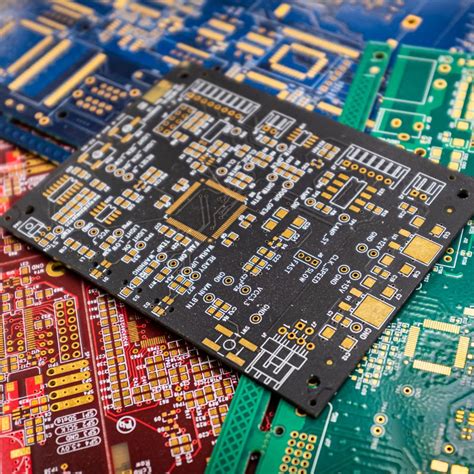
Comparing PCB Benchmarking Tools: A Comprehensive Guide
In the rapidly evolving world of electronics, printed circuit boards (PCBs) serve as the backbone of countless devices, from simple gadgets to complex machinery. As the demand for more efficient and reliable PCBs grows, so does the need for effective benchmarking tools that can evaluate their performance. PCB benchmarking tools are essential for designers and engineers to ensure that their products meet industry standards and perform optimally under various conditions. This article delves into the intricacies of comparing PCB benchmarking tools, providing a comprehensive guide to understanding their functionalities and applications.
To begin with, PCB benchmarking tools are designed to assess various parameters of a PCB, including signal integrity, thermal performance, and power distribution.
These tools are crucial in identifying potential issues that could affect the overall performance of the electronic device. For instance, signal integrity analysis helps in detecting problems related to electromagnetic interference and crosstalk, which can degrade the quality of the signals transmitted across the board. By using benchmarking tools, engineers can simulate different scenarios and make necessary adjustments to the design before the actual production process begins.
Moreover, thermal performance is another critical aspect that PCB benchmarking tools evaluate.
As electronic devices become more compact and powerful, managing heat dissipation becomes increasingly challenging. Benchmarking tools can simulate thermal conditions and predict how a PCB will behave under various temperature ranges. This information is vital for ensuring that the board does not overheat, which could lead to component failure or reduced lifespan. By comparing different tools, engineers can select the one that provides the most accurate thermal analysis, thereby enhancing the reliability of their designs.
In addition to signal integrity and thermal performance, power distribution is a key factor that PCB benchmarking tools assess.
Efficient power distribution is essential for the optimal functioning of electronic components. Benchmarking tools can analyze the power flow across the board, identifying areas where power loss may occur. This analysis allows engineers to optimize the layout and design of the PCB to minimize power wastage and improve energy efficiency. By comparing various tools, designers can choose the one that offers the most comprehensive power distribution analysis, ensuring that their PCBs meet the desired performance criteria.
Furthermore, the user interface and ease of use are important considerations when comparing PCB benchmarking tools.
A tool that is intuitive and easy to navigate can significantly enhance productivity, allowing engineers to focus on design improvements rather than struggling with complex software. Additionally, the availability of customer support and training resources can influence the choice of a benchmarking tool. Tools that offer robust support and comprehensive documentation can help users quickly resolve any issues they encounter, ensuring a smoother design process.
In conclusion, comparing PCB benchmarking tools involves evaluating their capabilities in signal integrity, thermal performance, and power distribution analysis. By understanding these aspects, engineers can select the most suitable tool for their specific needs, ultimately leading to the development of more efficient and reliable PCBs. As technology continues to advance, the importance of effective benchmarking tools will only grow, making it essential for designers to stay informed about the latest developments in this field. Through careful comparison and selection, engineers can ensure that their PCBs not only meet industry standards but also exceed performance expectations