PCB Cleaning Recommendations
Types of Contaminants
This lists several contaminants that can affect the performance and life of PCBs. According to the lists , the following contaminants must be removed from circuit boards using cleaning techniques that are safe for workers and sustainable for the environment.
- l Polar residues – Etching materials, flux ingredients, chemicals in the substrate, etc.
- l Non-polar water-soluble residues – Soldering oils and waxes
- l Non-polar water-insoluble residues – SMT adhesives, synthetic resins, greases, and mold release agents.
- l Insoluble residues – Silica and clay-type fillers and glass fibers in laminates.
- l No-reflow solder paste
- l Reflow flux residues
- l Uncured (wet) SMT adhesives
IPC Recommendations on Cleaning Residues
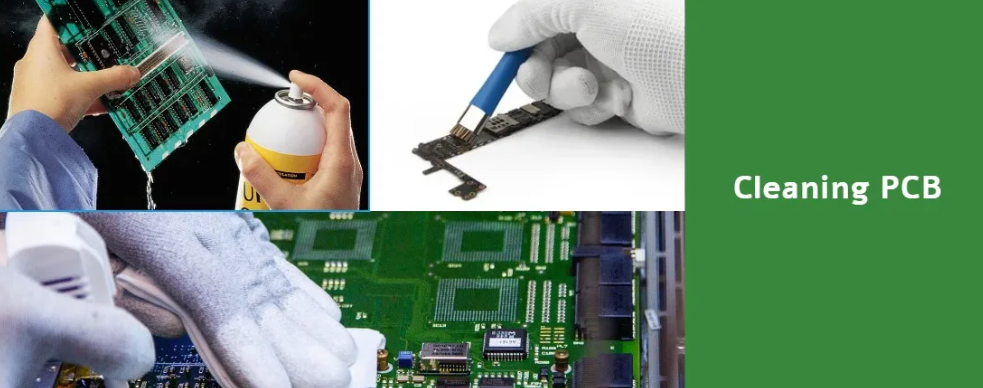
Consider the following when cleaning PCBs.
- l Make sure to clean both sides of the PCB. This is important, especially when using a spray air cleaning system.
- l Use a spray air cleaning system equipped with a filter. This helps remove fine particles from the cleaning solution, improving the quality of the cleaning process.
- lWhen cleaning internal electrical components, ensure that the flushing pressure and duration are properly maintained for thorough cleaning.
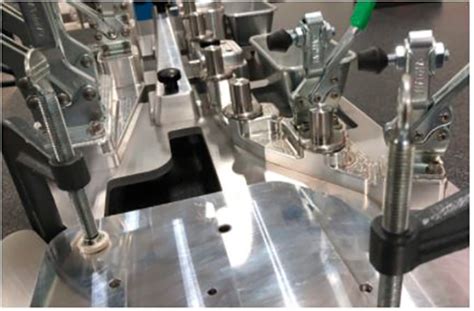
- lThroughout the cleaning process, the PCB must be properly positioned and properly secured. This allows for a smoother cleaning process while not damaging the PCB components due to any vibration or shock.
- lThe cleaning system using ultrasonic technology must have an ultrasonic frequency of 40 kHz or higher to ensure effective cleaning.
- lEnsure that there is no adhesive residue in the pads or vias. Vias are one of the hard-to-reach places that must be carefully cleaned.
Debris can hamper the operational excellence and efficiency of the PCB. Also, the clutter of the PCB can lead to its failure in the near future. Therefore, IPC strongly emphasizes on the need to clean the PCB while not damaging it in the process. You can follow manual or benchtop cleaning, ultrasonic and batch immersion cleaning, and air spray cleaning methods. However, the choice of cleaning process must depend on the type of PCB material, the assembly process used, and the type of components mounted.