PCB Coating Removal: Techniques, Challenges, and Best Practices
Introduction
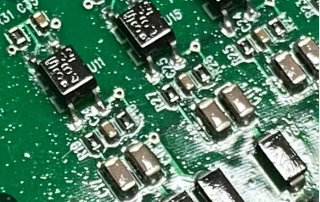
Printed Circuit Board (PCB) coating removal is a critical process in electronics manufacturing, repair, and rework. Conformal coatings are applied to PCBs to protect them from environmental factors such as moisture, dust, chemicals, and temperature extremes. However, there are numerous situations where these coatings must be removed—for component replacement, circuit modifications, failure analysis, or recycling purposes. This comprehensive article explores the various methods of PCB coating removal, their advantages and limitations, industry best practices, and emerging technologies in this specialized field.
Understanding PCB Conformal Coatings
Before discussing removal techniques, it’s essential to understand the types of coatings commonly used in PCB protection:
Common Coating Types
- Acrylic Resins (AR)
- Easy to apply and remove
- Good moisture resistance
- Limited chemical resistance
- Urethane Resins (UR)
- Excellent chemical resistance
- Good moisture protection
- More challenging to remove than acrylics
- Silicone Resins (SR)
- Superior high-temperature performance
- Excellent flexibility
- Difficult to remove completely
- Epoxy Resins (ER)
- Hard, durable coatings
- Excellent chemical and abrasion resistance
- Very difficult to remove without damaging the board
- Parylene (XY)
- Vapor-deposited polymer
- Ultra-thin, pinhole-free coating
- Requires specialized removal techniques
Each coating type presents unique challenges for removal, requiring different approaches based on the coating’s chemical composition and physical properties.
PCB Coating Removal Techniques
1. Chemical Removal Methods
Chemical stripping remains one of the most common approaches to coating removal, particularly for large-scale operations.
Solvent-Based Removers:
- Use organic solvents tailored to specific coating types
- Acrylic coatings typically removed with mild solvents like isopropanol
- Urethanes may require stronger solvents like dimethylformamide
- Epoxies need aggressive phenolic or methylene chloride-based strippers
Considerations:
- Environmental and health hazards
- Proper ventilation and PPE required
- Potential damage to board materials and components
- Disposal regulations for spent chemicals
Process:
- Application by brushing, dipping, or spraying
- Adequate dwell time for solvent penetration
- Mechanical agitation if needed (brushing, ultrasonic)
- Rinse with appropriate cleaner
- Thorough drying
2. Thermal Removal Methods
Thermal techniques use heat to degrade or soften coatings for removal.
Techniques Include:
- Hot air rework stations (targeted removal)
- Convection ovens (bulk processing)
- Laser ablation (precision removal)
Advantages:
- No chemical residues
- Precise control possible with laser systems
- Suitable for coatings resistant to chemical strippers
Limitations:
- Potential thermal damage to components and substrates
- May leave carbonized residues requiring secondary cleaning
- Energy intensive
Best Practices:
- Temperature profiling to minimize board damage
- Use of thermal barriers to protect sensitive components
- Proper ventilation for fume extraction
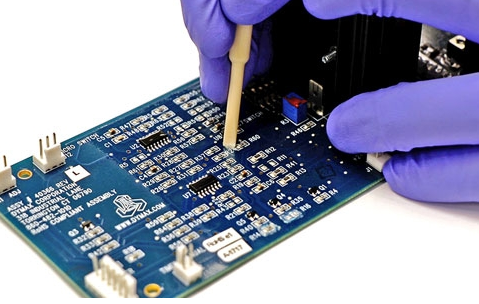
3. Mechanical Removal Methods
Physical methods involve abrasion or scraping to remove coatings.
Common Approaches:
- Micro-abrasive blasting (alumina, baking soda)
- Precision scraping tools
- Fiberglass brushes
- Peeling for thick, flexible coatings
Applications:
- Localized coating removal
- Touch-up after other methods
- Thick coating layers
Considerations:
- Risk of damaging circuit traces
- Particulate contamination concerns
- Labor intensive for large areas
4. Plasma Etching
An advanced technique using reactive gases in a plasma state to break down coatings.
Benefits:
- Highly precise
- No mechanical stress
- Clean process with minimal residues
Limitations:
- Requires specialized equipment
- Slower than chemical methods
- High initial investment
5. Combination Methods
Many practical applications use hybrid approaches:
- Chemical softening followed by mechanical removal
- Thermal activation of chemical strippers
- Plasma pretreatment to enhance chemical stripping
Factors Influencing Removal Method Selection
Choosing the appropriate coating removal technique requires careful consideration of multiple factors:
- Coating Type and Thickness
- Chemical compatibility
- Penetration requirements
- Board Characteristics
- Component density
- Thermal sensitivity
- Substrate material
- Area Requirements
- Global vs. selective removal
- Precision needs
- Environmental and Safety Considerations
- Fume extraction capabilities
- Chemical handling infrastructure
- Waste disposal options
- Economic Factors
- Process speed requirements
- Equipment costs
- Labor intensity
Challenges in PCB Coating Removal
Despite advances in removal technologies, several persistent challenges remain:
1. Complete Removal Without Residues
Many coatings leave microscopic residues that can interfere with soldering or testing operations. This is particularly problematic with:
- Silicone coatings (silicone migration)
- Cross-linked polymers
- Parylene films
2. Selective Removal Requirements
Modern high-density boards often require removal from specific areas without affecting adjacent components or coatings.
3. Environmental Regulations
Increasing restrictions on chemical solvents (e.g., Montreal Protocol, REACH) drive the need for alternative methods.
4. Miniaturization Challenges
Smaller components and finer pitch devices make traditional removal methods less effective and more risky.
5. Material Compatibility
New board materials and component packaging may be incompatible with traditional removal techniques.
Best Practices for Effective Coating Removal
Based on industry experience, these practices optimize removal processes:
1. Process Development
- Test removal methods on scrap boards first
- Document parameters for repeatability
- Establish quality control checkpoints
2. Equipment Selection
- Choose tools appropriate for the coating and board type
- Consider precision requirements
- Evaluate throughput needs
3. Operator Training
- Proper technique training
- Safety protocol education
- Defect recognition
4. Cleaning Verification
- Visual inspection under magnification
- Electrical testing
- Surface insulation resistance (SIR) testing when critical
5. Environmental Controls
- Proper fume extraction
- Chemical storage protocols
- Waste stream management
Emerging Technologies in Coating Removal
The field continues to evolve with new technological developments:
1. Laser-Based Systems
- Improved precision with UV lasers
- Computer-controlled pattern removal
- Reduced thermal effects with femtosecond lasers
2. Bio-Based Strippers
- Environmentally friendly formulations
- Reduced toxicity
- Biodegradable chemistries
3. Cryogenic Techniques
- Using extreme cold to embrittle coatings
- Subsequent mechanical removal
- Reduced thermal stress on components
4. Smart Chemical Delivery Systems
- Micro-droplet application
- Selective chemical deposition
- Reduced chemical usage
5. Automated Robotic Systems
- Vision-guided removal
- Process consistency
- Integration with other rework operations
Safety Considerations
PCB coating removal presents several safety hazards that must be addressed:
Chemical Hazards
- Solvent flammability
- Toxic fumes
- Skin irritants
Physical Hazards
- High-temperature operations
- Flying particles from mechanical methods
- Laser radiation
Administrative Controls
- Material Safety Data Sheets (MSDS) access
- Proper labeling
- Spill response plans
Personal Protective Equipment (PPE)
- Chemical-resistant gloves
- Eye protection
- Respiratory protection when needed
- Protective clothing
Environmental Impact and Sustainability
The environmental aspects of coating removal are increasingly important:
Waste Reduction Strategies
- Chemical recycling systems
- Solvent recovery units
- Minimal application techniques
Regulatory Compliance
- VOC emission controls
- Hazardous waste disposal
- Reporting requirements
Green Alternatives
- Aqueous-based strippers
- High-solid formulations
- Closed-loop systems
Quality Control and Verification
Ensuring complete coating removal is critical for subsequent operations:
Inspection Methods
- Optical microscopy
- UV fluorescence (for some coatings)
- SEM/EDS analysis for residues
Performance Testing
- Solderability tests
- Adhesion tests for reapplied coatings
- Electrical testing
Documentation
- Removal process parameters
- Inspection results
- Non-conformance reporting
Economic Considerations
The cost-effectiveness of removal processes depends on multiple factors:
Cost Drivers
- Chemical costs
- Labor intensity
- Equipment depreciation
- Waste disposal fees
- Yield losses
Value Engineering
- Process optimization
- Alternative method evaluation
- Lifecycle cost analysis
Case Studies
Case 1: Military Electronics Rework
Challenge: Remove urethane coating from high-reliability boards without damaging embedded components.
Solution: Developed a multi-stage process using:
- Controlled-temperature pre-bake
- Precision solvent application with micro-syringes
- Gentle mechanical agitation with specialized brushes
Result: 98% success rate in component replacement operations.
Case 2: Consumer Electronics Recycling
Challenge: Efficiently remove conformal coatings for component recovery.
Solution: Implemented an automated:
- Bulk thermal debonding process
- Followed by mechanical separation
- With optical sorting
Result: Increased component recovery rates by 40% while reducing processing costs.
Future Trends
The PCB coating removal field is evolving with several notable trends:
- Increased Automation
- Robotic systems with machine vision
- AI-assisted process optimization
- Greener Chemistry
- Bio-derived solvents
- Catalytic decomposition methods
- Precision Technologies
- Nanosecond laser systems
- Micro-plasma jets
- Inline Processing
- Integration with other rework steps
- Continuous flow systems
- Smart Coatings
- Designed for easier removal
- Stimuli-responsive materials
Conclusion
PCB coating removal remains a critical process in electronics manufacturing and maintenance, requiring careful consideration of technical requirements, safety protocols, and economic factors. As board designs become more complex and environmental regulations more stringent, the industry continues to develop innovative solutions for coating removal challenges. By understanding the full range of available techniques, their appropriate applications, and emerging technologies, electronics professionals can select the most effective approaches for their specific needs while maintaining high standards of quality, safety, and environmental responsibility.
The future of PCB coating removal lies in the development of smarter, more precise, and environmentally sustainable technologies that can keep pace with the rapid evolution of electronic devices and their protective coating systems. Continued research and process innovation in this field will be essential to support the electronics industry’s growing needs for repair, rework, and recycling operations.