PCB Coating Types: A Comprehensive Guide
Introduction to PCB Coatings
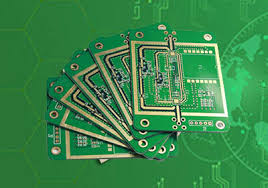
Printed Circuit Board (PCB) coatings play a critical role in protecting electronic assemblies from environmental factors that can degrade performance and reliability. These specialized coatings form a protective barrier that shields sensitive components and circuitry from moisture, dust, chemicals, thermal stress, and mechanical damage. As electronic devices become more prevalent in harsh environments—from automotive applications to industrial equipment and aerospace systems—the importance of proper PCB protection has grown significantly.
PCB coatings, also known as conformal coatings, are typically thin polymeric films applied to circuit boards after assembly. They conform to the board’s topography, protecting components and solder joints while allowing the electronics to maintain their functionality. The selection of an appropriate coating depends on numerous factors including the operating environment, performance requirements, manufacturing considerations, and regulatory compliance needs.
This article provides a detailed examination of the various types of PCB coatings available today, their unique properties, application methods, and selection criteria to help engineers and manufacturers make informed decisions about protecting their electronic assemblies.
Traditional PCB Coating Types
1. Acrylic Resin (AR) Coatings
Acrylic conformal coatings are among the most widely used PCB protective materials due to their excellent moisture resistance, ease of application, and straightforward reworkability. These coatings form a hard, transparent film that provides good protection against humidity, fungal growth, and mild chemical exposure.
Key Characteristics:
- Excellent moisture and humidity resistance
- Good dielectric strength (typically 1000-1500 volts/mil)
- UV fluorescent options available for inspection purposes
- Easy to apply by spraying, dipping, or brushing
- Can be removed with common solvents like toluene or xylene
- Operating temperature range: -40°C to +125°C
Advantages:
- Fast drying time (typically 10-30 minutes at room temperature)
- Excellent electrical insulation properties
- Good transparency for inspection of components
- Low cost compared to other coating types
- Minimal shrinkage during curing
Limitations:
- Limited resistance to solvents and chemicals
- Lower abrasion resistance compared to other coatings
- Can become brittle at extremely low temperatures
Typical Applications:
- Consumer electronics
- Indoor industrial controls
- Lighting systems
- General purpose electronics where harsh chemicals aren’t present
2. Urethane (Polyurethane) Coatings
Urethane conformal coatings offer superior chemical and solvent resistance compared to acrylics, making them ideal for applications where exposure to harsh substances is expected. These coatings form a tough, durable film that provides excellent protection against moisture, fuels, oils, and many industrial chemicals.
Key Characteristics:
- Excellent chemical and solvent resistance
- Good moisture protection
- Superior abrasion resistance
- Good dielectric properties
- Operating temperature range: -40°C to +130°C
Advantages:
- Outstanding resistance to a wide range of chemicals
- Durable, tough surface that withstands mechanical stress
- Good flexibility at low temperatures
- Excellent moisture barrier properties
- Can be formulated for either rigid or flexible films
Limitations:
- More difficult to rework (requires specialized solvents)
- Longer curing times compared to acrylics
- Potential yellowing with UV exposure
- Higher cost than acrylic coatings
Typical Applications:
- Automotive electronics
- Aerospace systems
- Industrial controls exposed to chemicals
- Marine electronics
- Oil and gas equipment
3. Silicone Coatings
Silicone conformal coatings excel in high-temperature applications and environments with extreme thermal cycling. Their exceptional flexibility and wide temperature range make them particularly suitable for applications subject to thermal stress or vibration.
Key Characteristics:
- Outstanding high-temperature performance
- Excellent flexibility and stress relief
- Superior moisture resistance
- Good chemical resistance
- Wide operating temperature range: -55°C to +200°C
Advantages:
- Maintains properties across extreme temperature ranges
- Excellent protection against thermal shock
- Good adhesion to most substrates
- Inherently flexible, even at low temperatures
- Good dielectric properties maintained at high temperatures
Limitations:
- Lower mechanical strength compared to other coatings
- Can be difficult to rework
- Potential for silicone migration in sensitive applications
- Higher cost than acrylic or urethane coatings
Typical Applications:
- High-temperature electronics
- Automotive under-hood applications
- Aerospace and avionics
- LED lighting systems
- Power electronics
4. Epoxy Coatings
Epoxy conformal coatings are known for their exceptional hardness and mechanical protection. These coatings form a thick, rigid film that provides superior protection against physical damage, moisture, and chemical exposure.
Key Characteristics:
- Extremely hard, durable finish
- Excellent moisture and chemical resistance
- Good dielectric strength
- High abrasion resistance
- Operating temperature range: -40°C to +150°C
Advantages:
- Superior mechanical protection
- Excellent resistance to solvents and chemicals
- Good moisture barrier properties
- High dielectric strength
- Long-term durability in harsh environments
Limitations:
- Very difficult to rework (often requires mechanical removal)
- Can be brittle and prone to cracking under thermal cycling
- Typically thicker than other coating types
- Limited flexibility
Typical Applications:
- High-reliability military electronics
- Industrial equipment in harsh environments
- Marine electronics
- Downhole oil and gas equipment
- Applications requiring maximum physical protection
5. Parylene Coatings
Parylene is a unique conformal coating applied through a vapor deposition process rather than conventional liquid application methods. This results in an ultra-thin, pinhole-free protective film that offers exceptional protection without adding significant weight or thickness.
Key Characteristics:
- Ultra-thin, uniform coating (typically 0.1-50 microns)
- Excellent chemical resistance
- Superior dielectric properties
- Pinhole-free barrier
- Operating temperature range: -200°C to +200°C
Advantages:
- Conforms perfectly to all surfaces, including crevices
- Does not affect component tolerances
- Excellent moisture and gas barrier properties
- Chemically inert
- Biocompatible (some types)
Limitations:
- Requires specialized vacuum deposition equipment
- High cost compared to other coatings
- Difficult to rework
- Limited thickness options
Typical Applications:
- Medical electronics and implants
- Aerospace and satellite electronics
- Miniature and microelectronics
- High-reliability military applications
- Sensors in harsh environments
Emerging and Specialized PCB Coating Technologies
1. Nano Coatings
Recent advancements in nanotechnology have led to the development of ultra-thin nano coatings that provide excellent protection while being virtually undetectable. These coatings typically measure just nanometers to a few microns in thickness and often employ unique chemistries like fluoropolymers or hydrophobic compounds.
Key Features:
- Molecular-level protection
- Extremely thin application (often <1 micron)
- Can provide hydrophobic or oleophobic properties
- Maintains component thermal characteristics
- Allows for breathability in some formulations
Benefits:
- Does not affect component heat dissipation
- Maintains original board dimensions
- Can repel both water and oils
- Suitable for high-frequency applications
- Often environmentally friendly formulations
Applications:
- High-frequency RF circuits
- Miniature and wearable electronics
- Applications where heat dissipation is critical
- Electronics requiring water and oil repellency
2. UV Cure Coatings
UV-curable conformal coatings offer rapid processing times by curing almost instantly when exposed to ultraviolet light. These coatings are typically acrylic or urethane-based with photoinitiators that trigger polymerization under UV exposure.
Key Features:
- Cures in seconds with UV exposure
- Low VOC content
- Can be formulated for shadow cure (areas not exposed to UV)
- Good chemical resistance
- Excellent clarity for inspection
Advantages:
- Dramatically reduced curing time
- Energy efficient process
- Consistent cure quality
- No solvent evaporation issues
- Good environmental profile
Considerations:
- Requires UV exposure equipment
- Shadow areas may need secondary cure mechanism
- Limited thickness per application
- Higher material cost
Applications:
- High-volume manufacturing
- Applications requiring fast throughput
- Sensitive components that can’t tolerate heat
- Environmentally conscious production
3. Water-Based Coatings
Water-based conformal coatings have gained popularity as environmentally friendly alternatives to solvent-based systems. These coatings use water as the primary carrier, significantly reducing VOC emissions during application and curing.
Key Features:
- Low VOC content
- Reduced flammability
- Easier cleanup with water
- Good environmental profile
- Typically acrylic or polyurethane chemistry
Advantages:
- Compliance with strict environmental regulations
- Safer working environment
- Reduced hazardous waste disposal
- Good performance characteristics
- Compatible with standard application methods
Challenges:
- Longer drying times (water evaporation required)
- Potential for moisture-sensitive components
- May require humidity control during curing
- Generally lower solids content than solvent-based
Applications:
- Consumer electronics
- Applications requiring RoHS compliance
- Manufacturing facilities with VOC restrictions
- Environmentally sensitive production areas
Selection Criteria for PCB Coatings
Choosing the appropriate PCB coating requires careful consideration of multiple factors to ensure optimal protection and performance. Key selection criteria include:
1. Environmental Factors
- Temperature extremes and thermal cycling requirements
- Humidity and moisture exposure
- Chemical or solvent exposure
- UV or ozone exposure
- Fungal or microbial growth potential
- Salt spray or corrosive atmospheres
2. Electrical Requirements
- Dielectric strength needs
- Surface insulation resistance requirements
- High-voltage considerations
- High-frequency signal integrity
3. Mechanical Considerations
- Vibration and mechanical shock exposure
- Abrasion resistance needs
- Flexibility requirements
- Coefficient of thermal expansion matching
4. Manufacturing Factors
- Application method compatibility (spray, dip, brush, etc.)
- Curing requirements and production throughput
- Compatibility with existing components and materials
- Rework and repair considerations
5. Regulatory Compliance
- RoHS compliance requirements
- REACH regulations
- IPC standards (IPC-CC-830, etc.)
- Industry-specific standards (automotive, aerospace, medical)
6. Cost Considerations
- Material costs
- Application equipment requirements
- Processing costs (curing time, energy use, etc.)
- Rework and repair costs
Application Methods for PCB Coatings
The method of applying conformal coating significantly affects the quality and effectiveness of the protection. Common application methods include:
1. Spray Coating
- Manual Spraying: Using aerosol cans or spray guns for low-volume production
- Automated Spraying: Programmable systems for consistent, high-volume application
- Selective Spraying: Masking or robotic systems to coat specific areas
2. Dip Coating
- Complete immersion of PCB into coating material
- Controlled withdrawal rate for consistent thickness
- Suitable for high-volume production
3. Brush Coating
- Manual application for rework or low-volume production
- Allows for precise application to specific areas
- Requires skilled operators for consistent results
4. Selective Coating
- Robotic systems that precisely apply coating only to desired areas
- Ideal for mixed technology boards with sensitive components
- Reduces masking requirements
5. Vapor Deposition (Parylene)
- Specialized vacuum chamber process
- Provides ultra-thin, pinhole-free coating
- Covers all surfaces uniformly, including crevices
Testing and Inspection of PCB Coatings
Proper testing and inspection ensure the coating meets its protective requirements:
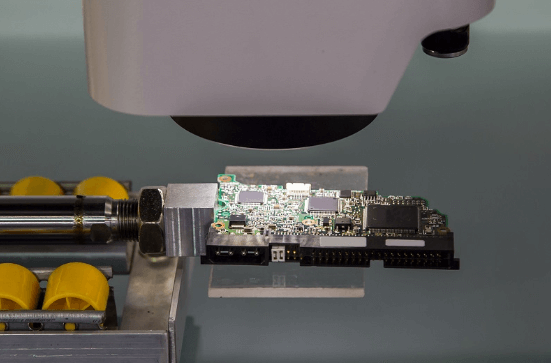
1. Visual Inspection
- Uniformity of coverage
- Presence of bubbles or pinholes
- Proper masking of excluded areas
2. Thickness Measurement
- Micrometer measurements
- Eddy current testing
- Optical interferometry
3. Adhesion Testing
- Tape tests (ASTM D3359)
- Cross-hatch adhesion tests
4. Electrical Testing
- Dielectric withstand testing
- Insulation resistance measurements
5. Environmental Testing
- Humidity exposure (85/85 testing)
- Thermal cycling
- Salt spray testing
- Chemical resistance testing
Conclusion
The selection of an appropriate PCB coating is a critical decision that significantly impacts the reliability and longevity of electronic assemblies. From traditional acrylic and urethane coatings to specialized parylene and emerging nano coatings, each type offers unique advantages for specific applications and environments.
As electronic devices continue to proliferate into more demanding environments—from automotive underhood applications to aerospace systems and medical implants—the importance of proper conformal coating selection grows accordingly. Engineers must carefully balance environmental protection needs with electrical requirements, manufacturing considerations, and cost factors to specify the optimal coating solution.
Future developments in PCB coating technology will likely focus on environmentally friendly formulations, advanced application techniques, and coatings that address emerging challenges such as higher operating temperatures, increased miniaturization, and more stringent reliability requirements. By staying informed about these developments and understanding the fundamental characteristics of available coating types, electronics manufacturers can ensure their products achieve the highest levels of performance and durability in even the most challenging operating environments.