PCB Design Vacancies: Opportunities and Trends in the Electronics Industry
Introduction
The electronics industry is rapidly evolving, driven by advancements in artificial intelligence (AI), the Internet of Things (IoT), 5G technology, and automation. As a result, the demand for skilled Printed Circuit Board (PCB) designers has surged. PCB design vacancies are increasing across various sectors, including consumer electronics, automotive, aerospace, medical devices, and industrial applications.
This article explores the current job market for PCB designers, the skills required, industry trends, and career opportunities. Whether you are an aspiring PCB designer or an employer looking to hire talent, understanding these dynamics is crucial.
1. The Growing Demand for PCB Designers
1.1 Expansion of the Electronics Industry
The global electronics market is projected to reach $3.3 trillion by 2030, with PCBs being a fundamental component in almost every electronic device. The rise of smart devices, electric vehicles (EVs), and wearable technology has created a significant need for PCB designers who can develop high-performance, compact, and energy-efficient boards.
1.2 Emerging Technologies Driving Demand
Several key technologies are influencing PCB design job opportunities:
- 5G and Telecommunications: High-frequency PCB designs are essential for 5G infrastructure.
- Automotive Electronics: Advanced Driver-Assistance Systems (ADAS) and EVs require complex multi-layer PCBs.
- Medical Devices: Wearable health monitors and diagnostic equipment need reliable, high-density PCB designs.
- AI and Edge Computing: AI-powered devices demand high-speed signal integrity and thermal management.
These trends are leading to a shortage of skilled PCB designers, making it a lucrative career path.
2. Key Skills Required for PCB Design Jobs
Employers seek candidates with a mix of technical expertise and practical experience. Below are the most in-demand skills for PCB design vacancies:
2.1 Technical Skills
- PCB Design Software Proficiency:
- Altium Designer
- Cadence Allegro
- KiCad (for open-source projects)
- Mentor Graphics Xpedition
- OrCAD
- Understanding of PCB Manufacturing Processes:
- Knowledge of fabrication (etching, drilling, plating)
- Assembly techniques (SMT, through-hole)
- Design for Manufacturability (DFM) and Design for Testability (DFT)
- Signal Integrity and EMI/EMC Considerations:
- High-speed digital design
- RF and microwave PCB design
- Electromagnetic compatibility (EMC) compliance
- Multi-layer and HDI (High-Density Interconnect) Design:
- Microvia technology
- Stack-up planning
2.2 Soft Skills
- Problem-Solving & Analytical Thinking – Debugging PCB issues and optimizing designs.
- Collaboration & Communication – Working with engineers, manufacturers, and clients.
- Attention to Detail – Ensuring error-free schematics and layouts.
3. Types of PCB Design Job Roles
PCB design vacancies span various job titles, each with different responsibilities:
3.1 Junior PCB Designer
- Entry-level role focusing on schematic capture and basic layout design.
- Requires knowledge of CAD tools and basic electronics.
3.2 Senior PCB Designer
- Leads complex projects involving high-speed and RF designs.
- Performs signal integrity analysis and thermal simulations.
3.3 PCB Design Engineer
- Combines electrical engineering knowledge with PCB layout skills.
- Works on power distribution, impedance control, and EMI mitigation.
3.4 Hardware Design Engineer
- Involves full product development, from schematic to PCB to testing.
- Often requires embedded systems knowledge.
3.5 PCB Manufacturing Specialist
- Focuses on optimizing designs for production.
- Works closely with fabrication and assembly houses.
4. Industries with PCB Design Vacancies
4.1 Consumer Electronics
- Smartphones, laptops, IoT devices.
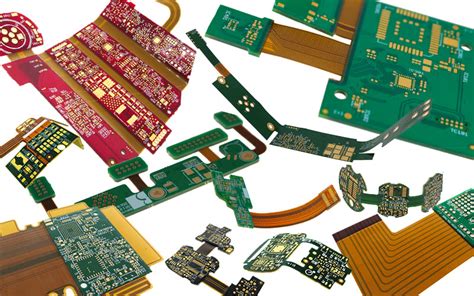
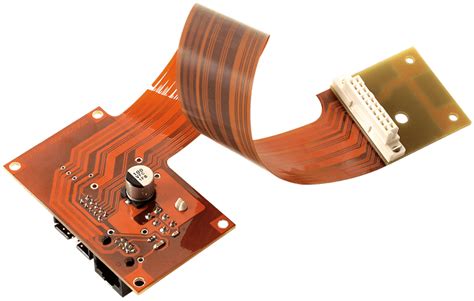
- Demand for miniaturization and flexible PCBs.
4.2 Automotive & Aerospace
- ADAS, infotainment systems, avionics.
- High-reliability designs with thermal and vibration resistance.
4.3 Medical Electronics
- Implantable devices, diagnostic equipment.
- Strict compliance with safety standards (e.g., FDA, ISO 13485).
4.4 Industrial & Robotics
- Automation controllers, motor drives.
- Ruggedized PCBs for harsh environments.
4.5 Defense & Military
- Secure communication systems, radar.
- MIL-STD and IPC Class 3 standards.
5. Salary Expectations for PCB Designers
Salaries vary based on experience, location, and industry:
| Position | Average Salary (USD) |
|---|---|
| Junior PCB Designer | $50,000 – $70,000 |
| Senior PCB Designer | $80,000 – $110,000 |
| PCB Design Engineer | $75,000 – $120,000 |
| Lead Hardware Engineer | $100,000 – $150,000 |
Note: Salaries in regions like Silicon Valley or Europe may be higher.
6. How to Land a PCB Design Job
6.1 Education & Certifications
- Degree in Electrical/Electronics Engineering or related field.
- Certifications like IPC CID (Certified Interconnect Designer) add value.
6.2 Building a Portfolio
- Showcase PCB projects (GitHub, personal website).
- Include schematics, layouts, and real-world applications.
6.3 Networking & Job Platforms
- LinkedIn, Indeed, Glassdoor.
- IEEE and IPC conferences for industry connections.
6.4 Internships & Freelancing
- Gain experience through internships.
- Platforms like Upwork offer freelance PCB design gigs.
7. Future Trends in PCB Design Careers
- AI-Assisted PCB Design: Machine learning for auto-routing and optimization.
- 3D Printed Electronics: Additive manufacturing for custom PCBs.
- Sustainable PCB Design: Eco-friendly materials and recycling initiatives.
Conclusion
The demand for PCB designers is at an all-time high, with opportunities across multiple high-growth industries. Aspiring designers should focus on mastering key software tools, understanding advanced design techniques, and staying updated with industry trends. For employers, attracting top talent requires offering competitive salaries, continuous learning opportunities, and involvement in cutting-edge projects.
Whether you’re entering the field or looking to hire, the future of PCB design is bright, with innovation driving new career possibilities.