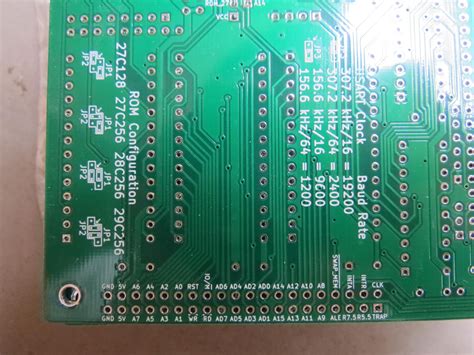
PCB Fab Services: Rapid Prototyping to High-Volume Manufacturing

Key Takeaways
When evaluating PCB manufacturing solutions, understanding core service differentiators helps optimize your project’s success. Leading PCB manufacturing companies prioritize speed without compromising quality—offering 2-day rapid prototyping alongside high-volume production capabilities. This flexibility ensures seamless scaling, whether you’re testing a prototype or ramping up for mass deployment.
A critical factor in selecting a partner is PCB manufacturing cost, which varies based on design complexity, materials, and testing requirements. Advanced providers integrate AOI (Automated Optical Inspection), X-ray, and SPI (Solder Paste Inspection) to minimize defects, aligning with IPC-3 certification standards for reliability. Transparent pricing models—starting as low as $2/5pcs for basic designs—enable precise budgeting while accommodating rigid, flex, or HDI (High-Density Interconnect) layouts.
For businesses managing a PCB manufacturing business, scalable turnkey assembly options streamline workflows by combining fabrication, component sourcing, and testing. This end-to-end approach reduces lead times and operational overhead, particularly for fast-track orders. By balancing speed, cost, and quality, you ensure your projects meet both technical specifications and market demands efficiently.
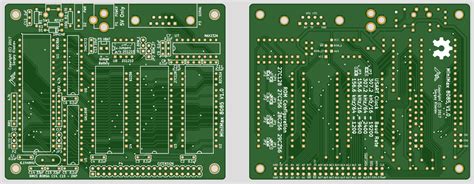
Rapid PCB Prototyping in 2 Days
When developing electronic products, time-to-market is critical. Leading PCB manufacturing companies now offer 2-day prototyping services, enabling you to iterate designs faster and validate functionality without delays. This accelerated process combines automated design checks, precision milling, and advanced plating technologies to produce functional prototypes that mirror final PCB manufacturing standards.
For projects requiring tight deadlines, many providers prioritize:
| Service Feature | Standard Prototyping | Expedited Prototyping |
|---|---|---|
| Turnaround Time | 5-7 days | 2 days |
| Layer Support | 1-12 layers | 1-6 layers |
| Testing Included | Basic Electrical | Full AOI/X-Ray |
| PCB Manufacturing Cost | $10/5pcs | $22/5pcs |
Tip: To minimize prototyping costs, ensure your design files adhere to your chosen manufacturer’s DFM guidelines. This reduces revision cycles and avoids delays.
By partnering with a PCB manufacturing business specializing in rapid services, you gain access to streamlined workflows and real-time production tracking. For example, advanced fabrication solutions leverage automated optical inspection (AOI) to catch defects early, ensuring reliability even under tight deadlines. Whether testing a rigid board or a complex HDI layout, 2-day prototyping bridges the gap between concept validation and high-volume production—without compromising quality.
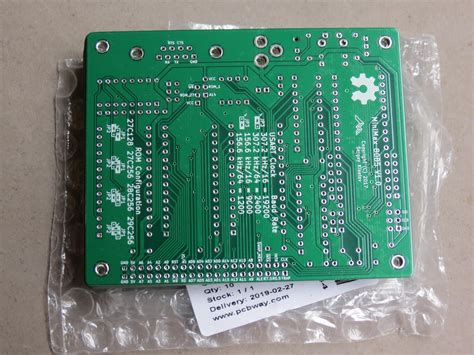
High-Volume PCB Manufacturing Solutions
When scaling up from prototypes to mass production, partnering with experienced PCB manufacturing companies ensures seamless transitions while maintaining quality and efficiency. High-volume PCB manufacturing demands precision at scale, requiring advanced processes like automated panelization and optimized material utilization to reduce PCB manufacturing cost without compromising performance. Rigorous process controls and IPC3-certified workflows guarantee consistency across thousands of units, whether you’re producing rigid boards, flex circuits, or HDI designs.
Cost efficiency in large-scale production hinges on factors like material selection, layer count, and surface finishes. By leveraging economies of scale, reputable providers lower per-unit expenses—critical for businesses balancing tight budgets with high-reliability requirements. Advanced testing protocols, including AOI and X-ray inspection, further minimize defects, ensuring compliance with automotive, medical, or industrial standards.
For enterprises managing a PCB manufacturing business, scalability is key. Turnkey solutions integrate fabrication, assembly, and testing, enabling faster time-to-market for consumer electronics, IoT devices, or telecom infrastructure. Transparent pricing models and dedicated engineering support simplify planning, whether you’re ordering 10,000 units or ramping up to million-piece runs. This approach not only streamlines operations but also future-proofs your supply chain against fluctuating demands.
IPC3-Certified Fab Service Quality
When choosing PCB manufacturing companies, certification standards like IPC Class 3 (IPC3) ensure your boards meet the highest reliability thresholds for critical applications. This certification mandates rigorous process controls, material traceability, and defect-free assembly—non-negotiables for industries like aerospace, medical devices, or automotive systems. IPC3-compliant workflows eliminate risks like micro-cracks or insufficient plating, which could compromise performance in harsh environments.
For PCB manufacturing cost optimization without sacrificing quality, IPC3-certified fabs leverage automated optical inspection (AOI), X-ray imaging, and solder paste inspection (SPI) to catch flaws early. These protocols reduce rework expenses and prevent costly delays in high-volume runs. Whether you’re scaling a PCB manufacturing business or prototyping advanced HDI designs, certified suppliers ensure consistent output by adhering to IPC-6012 and IPC-A-610 guidelines.
By prioritizing IPC3 standards, you gain access to traceable documentation and statistical process control (SPC) reports—essential for audits or compliance-driven projects. This level of accountability separates tier-one PCB manufacturing partners from generic vendors, ensuring your products withstand thermal cycling, vibration, and long-term operational stress.
AOI/X-Ray Testing for Reliable PCBs
When sourcing PCB manufacturing services, ensuring product reliability is non-negotiable. Advanced Optical Inspection (AOI) and X-ray testing act as critical checkpoints, identifying flaws like soldering defects, micro-cracks, or misalignments that escape visual scrutiny. Leading PCB manufacturing companies integrate these technologies to meet IPC3 standards, guaranteeing boards perform consistently in high-stress environments—from industrial automation to medical devices.
AOI systems scan layers at micron-level precision, flagging inconsistencies in pad alignment or solder paste distribution. Meanwhile, X-ray testing penetrates substrates to inspect hidden connections in HDI designs or BGA components, ensuring internal integrity. This dual-layer verification reduces field failures by up to 90%, directly lowering long-term PCB manufacturing cost through fewer recalls or reworks.
For businesses prioritizing quality, partnering with a PCB manufacturing business that automates these tests ensures scalability. Automated optical and X-ray inspections work seamlessly in high-volume runs, maintaining defect rates below 0.1% without slowing production cycles. By embedding these protocols early in fabrication, you mitigate risks while aligning with industry benchmarks for durability and performance.
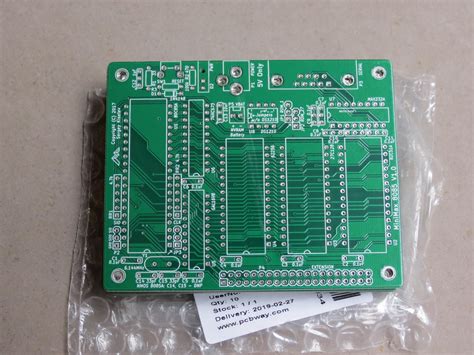
Affordable PCB Production From 2/5pcs
When scaling your project from prototype to full-scale production, managing PCB manufacturing cost becomes critical without compromising quality. Leading PCB manufacturing companies now offer tiered pricing models that align with your project’s stage—starting as low as $2 for 5 pieces in prototyping phases. This approach ensures accessibility for startups and SMEs, while high-volume discounts cater to enterprises optimizing PCB manufacturing business workflows.
Advanced fabrication techniques, such as automated panelization and bulk material sourcing, enable suppliers to reduce per-unit expenses. By leveraging economies of scale, even complex designs with tight tolerances or mixed surface finishes become cost-effective. Transparent pricing tools and instant quotes further simplify budgeting, allowing you to compare PCB manufacturing options based on layer counts, materials, and turnaround times.
For low-volume orders, modular production lines minimize setup fees, while scalable processes ensure seamless transitions to larger batches. Whether you’re testing market viability or ramping up output, modern PCB manufacturing solutions prioritize affordability without sacrificing reliability—delivering certified boards that meet IPC Class 3 standards, regardless of order size.
Flex & HDI Design PCB Support
When working with advanced PCB designs like flexible circuits or high-density interconnect (HDI) boards, choosing the right pcb manufacturing companies becomes critical. These specialized designs demand precise material selection, layered stacking, and microvia drilling—factors that directly influence pcb manufacturing cost and reliability. For flexible PCBs, manufacturers must balance durability with bend radius requirements, often using polyimide substrates to withstand repeated mechanical stress. HDI designs, on the other hand, require laser-drilled microvias and ultra-fine traces to accommodate complex, space-constrained layouts common in wearables or medical devices.
Reputable pcb manufacturing partners integrate advanced processes like sequential lamination and impedance control to ensure signal integrity, even as layer counts increase. This expertise minimizes risks of delamination or electrical failures, particularly vital for high-reliability industries like aerospace or automotive. While pcb manufacturing business expenses rise with design complexity, economies of scale in volume production help offset initial setup costs. Always verify that your supplier offers design-for-manufacturability (DFM) feedback early in prototyping—this proactive step prevents costly revisions and accelerates time-to-market for cutting-edge electronics.
By aligning your project’s technical needs with a manufacturer’s capabilities, you ensure seamless transitions from prototype validation to full-scale production, regardless of design sophistication.
Scalable Turnkey PCB Assembly Options
When scaling your electronics project from prototype to mass production, PCB manufacturing companies offering full turnkey solutions streamline the entire process. These services integrate design verification, component sourcing, assembly, and testing into a single workflow, eliminating the need to coordinate with multiple vendors. For startups or enterprises managing PCB manufacturing cost, this approach minimizes overhead while ensuring consistency across batches—whether you need 50 units or 50,000.
Advanced providers leverage automated systems to optimize material usage and reduce waste, directly lowering your PCB manufacturing business expenses. They also offer flexible scaling options, allowing you to adjust order volumes based on demand without compromising lead times. For example, just-in-time inventory management paired with dual-source component procurement mitigates supply chain risks.
Quality assurance remains critical at every stage. Reputable PCB manufacturing partners deploy AOI (Automated Optical Inspection) and X-ray testing to detect defects in real time, ensuring reliability even as production scales. Whether you’re refining a prototype or ramping up for high-volume orders, turnkey services provide the agility to adapt while maintaining cost-efficiency and quality—key factors in staying competitive.
Fast-Track PCB Fabrication Services
When evaluating PCB manufacturing companies, speed and precision often define project success. Modern fast-track fabrication eliminates traditional bottlenecks, enabling functional prototypes in as little as 48 hours while maintaining IPC3-certified quality standards. This approach optimizes PCB manufacturing cost by combining automated processes like AOI testing with lean inventory management, ensuring no compromise on reliability—even for complex HDI designs or flexible circuits.
For startups scaling their PCB manufacturing business, such agility is critical. By integrating real-time production tracking and dedicated engineering support, providers streamline transitions from low-volume batches to high-output runs. Advanced X-ray inspection and SPI validation further reduce defect risks, which is vital when iterating designs or meeting tight deadlines.
Your choice of partner directly impacts timelines and budgets. Leading services now offer tiered pricing models—like $2/5pcs entry points—to align with project phases, whether you’re validating a prototype or ramping up mass production. This flexibility ensures your PCB manufacturing strategy remains both cost-effective and scalable, adapting seamlessly to evolving technical demands.
Conclusion
When navigating the complexities of PCB manufacturing, partnering with experienced PCB manufacturing companies ensures you balance quality, speed, and PCB manufacturing cost effectively. Whether you require a handful of prototypes or millions of units, modern PCB manufacturing business models prioritize scalability, allowing seamless transitions between project phases without compromising reliability. By leveraging advanced testing protocols and adhering to industry certifications, these services mitigate risks while maintaining competitive pricing structures.
For businesses aiming to optimize budgets, understanding the variables influencing cost-efficiency—such as material selection, layer counts, and turnaround times—is critical. Equally important is choosing partners that support flexible design requirements and offer transparent communication throughout production cycles. This approach not only streamlines operations but also positions your projects to adapt swiftly to market demands. Ultimately, the right manufacturing strategy transforms technical specifications into functional, market-ready products, reinforcing the value of precision and partnership in electronics development.
Frequently Asked Questions
How quickly can you deliver prototype PCBs?
Most PCB manufacturing providers require 5-7 days, but specialized services offer 2-day turnaround for prototypes. This speed ensures you meet tight deadlines without compromising on IPC3-certified quality standards.
What drives the final pcb manufacturing cost?
Costs depend on material selection, layer count, and testing requirements. For example, AOI/X-ray/SPI inspections add value but may increase pricing. Volume discounts in high-volume PCB manufacturing often reduce per-unit expenses significantly.
Why choose IPC3-certified pcb manufacturing companies?
IPC3 certification guarantees adherence to industry benchmarks for reliability. This is critical for applications requiring HDI designs or flexible circuits, where precision directly impacts performance.
Can I scale from prototypes to mass production seamlessly?
Reputable pcb manufacturing business providers offer scalable solutions, transitioning from 10-piece prototypes to 10,000+ unit batches without redesigns. Integrated turnkey assembly options further streamline the process.
Do you support complex designs like rigid-flex or HDI?
Advanced manufacturers specialize in rigid-flex PCBs and high-density interconnect (HDI) layouts, ensuring signal integrity even in space-constrained applications.
Ready to Start Your Project?
For tailored pcb manufacturing solutions—from $2/5pcs prototypes to high-volume orders—please click here to request an instant quote or discuss your project requirements.