Pcb making online
Top Online Tools For PCB Design And Prototyping
Printed Circuit Boards (PCBs) are the backbone of modern electronic devices, and the process of designing and prototyping these intricate components has been revolutionized by online tools. These tools offer a range of functionalities that cater to both novice hobbyists and seasoned professionals, making PCB design and prototyping more accessible and efficient. As the demand for sophisticated electronic devices continues to grow, the importance of selecting the right online tools for PCB design and prototyping cannot be overstated.
One of the most widely recognized online tools for PCB design is Autodesk Eagle.
Known for its user-friendly interface and robust feature set, Eagle provides a comprehensive suite of tools for schematic capture, PCB layout, and design rule checking. Its extensive library of components and integration with other Autodesk products make it a preferred choice for many designers. Additionally, Eagle’s cloud-based collaboration features enable teams to work together seamlessly, regardless of their geographical locations.
Transitioning to another popular tool, KiCad stands out as an open-source alternative that offers a high level of customization and flexibility.
KiCad’s suite includes schematic capture, PCB layout, and a 3D viewer, allowing designers to visualize their boards in three dimensions. The open-source nature of KiCad means that it is continually being improved by a community of developers, ensuring that it remains up-to-date with the latest advancements in PCB design. Furthermore, KiCad’s lack of licensing fees makes it an attractive option for startups and educational institutions.
Moving on, Altium Designer is another powerful tool that is highly regarded in the industry.
Altium Designer offers an integrated environment that combines schematic capture, PCB layout, and advanced simulation capabilities. Its real-time 3D visualization and design rule checking help to minimize errors and streamline the design process. Altium Designer’s extensive component library and support for high-speed design make it suitable for complex projects. However, its premium pricing may be a consideration for smaller teams or individual designers.
In addition to these well-known tools, EasyEDA has gained popularity for its ease of use and online accessibility.
EasyEDA is a web-based tool that requires no installation, making it convenient for users to access their projects from any device with an internet connection. Its intuitive interface and comprehensive library of components make it suitable for both beginners and experienced designers. EasyEDA also offers seamless integration with popular PCB manufacturing services, allowing users to order prototypes directly from the platform.
Another noteworthy tool is CircuitMaker, which is also developed by Altium but is targeted at the maker community.
CircuitMaker provides a free, community-driven platform where users can share their designs and collaborate on projects. It offers many of the advanced features found in Altium Designer, such as schematic capture and PCB layout, but with a focus on accessibility and community engagement. This makes CircuitMaker an excellent choice for hobbyists and small teams looking to leverage the power of collaborative design.
In conclusion, the landscape of PCB design and prototyping has been significantly enhanced by the availability of online tools. Whether you are a professional engineer working on complex projects or a hobbyist exploring the world of electronics, there is a tool that can meet your needs. From the comprehensive features of Autodesk Eagle and Altium Designer to the open-source flexibility of KiCad and the user-friendly interfaces of EasyEDA and CircuitMaker, these tools provide the necessary resources to bring your PCB designs to life. As technology continues to evolve, these online tools will undoubtedly play a crucial role in shaping the future of electronic design and innovation.
Step-By-Step Guide To Ordering PCBs Online
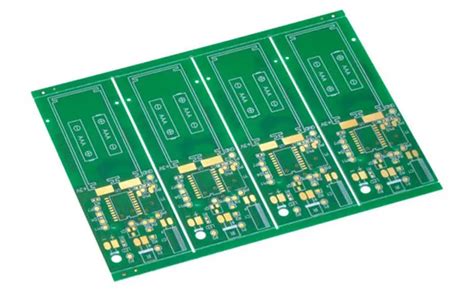
Ordering printed circuit boards (PCBs) online has become an increasingly popular option for both hobbyists and professionals due to its convenience and efficiency. The process, while straightforward, involves several critical steps that ensure the final product meets the required specifications. This guide aims to provide a comprehensive overview of the step-by-step process for ordering PCBs online, ensuring a seamless experience from start to finish.
To begin with, the initial step involves designing your PCB using specialized software.
Programs such as Eagle, KiCad, or Altium Designer are commonly used for this purpose. These tools allow you to create a schematic diagram and layout of your PCB, specifying the placement of components and the routing of electrical connections. It is crucial to double-check your design for errors, as any mistakes at this stage can lead to costly revisions later on.
Once your design is complete, the next step is to generate the necessary files for manufacturing.
The most important file format for PCB production is the Gerber file, which contains all the information needed to create the PCB layers. Additionally, you may need to provide a Bill of Materials (BOM) and a pick-and-place file if you require assembly services. These files should be carefully reviewed to ensure they accurately reflect your design specifications.
With your files ready, the next phase involves selecting a reputable online PCB manufacturer.
Numerous companies offer PCB fabrication services, each with varying capabilities, turnaround times, and pricing structures. It is advisable to research and compare different manufacturers, taking into account factors such as customer reviews, quality standards, and additional services offered. Once you have chosen a manufacturer, you will typically need to create an account on their website to proceed with your order.
After logging into your account, you will be prompted to upload your design files.
Most manufacturers provide a user-friendly interface for this purpose, allowing you to easily drag and drop your files. Following the upload, you will need to specify various parameters for your PCB, such as the number of layers, board dimensions, material type, and surface finish. These options can significantly impact the cost and performance of your PCB, so it is important to select them carefully based on your project requirements.
Upon finalizing your specifications, the next step is to review and confirm your order.
This stage often includes a design rule check (DRC) performed by the manufacturer to identify any potential issues with your design. If any problems are detected, you will be notified and given the opportunity to make necessary corrections. Once your design passes the DRC, you can proceed to the payment stage. Most manufacturers accept various payment methods, including credit cards, PayPal, and bank transfers.
Following payment, your order will enter the production phase.
The manufacturer will begin fabricating your PCB according to the specifications provided. Depending on the complexity of your design and the chosen turnaround time, this process can take anywhere from a few days to several weeks. Throughout this period, many manufacturers offer order tracking services, allowing you to monitor the progress of your PCB production.
Finally, once your PCBs are manufactured, they will be shipped to your specified address.
Upon receiving your order, it is advisable to inspect the PCBs for any defects or discrepancies. If any issues are found, most reputable manufacturers offer customer support and return policies to address such concerns.
In conclusion, ordering PCBs online involves a series of well-defined steps, from designing and generating files to selecting a manufacturer and finalizing your order. By following this guide, you can ensure a smooth and efficient process, resulting in high-quality PCBs tailored to your specific needs.

Comparing Online PCB Manufacturing Services
In recent years, the demand for printed circuit boards (PCBs) has surged, driven by the rapid advancement of technology and the proliferation of electronic devices. As a result, numerous online PCB manufacturing services have emerged, offering a range of options for hobbyists, engineers, and businesses alike. Comparing these services can be a daunting task, given the variety of factors to consider, such as cost, quality, turnaround time, and customer support. This article aims to provide a comprehensive comparison of online PCB manufacturing services, helping you make an informed decision.
To begin with, cost is often a primary consideration for many users.
Online PCB manufacturers typically offer competitive pricing, but the cost can vary significantly depending on the complexity of the design, the number of layers, and the quantity ordered. Some services provide instant quotes through their websites, allowing users to quickly compare prices. It is essential to consider not only the base price but also additional charges for features such as expedited shipping, special materials, or advanced manufacturing techniques. While some providers may offer lower prices, it is crucial to ensure that the cost savings do not come at the expense of quality.
Quality is another critical factor when selecting an online PCB manufacturing service.
The quality of a PCB can be assessed based on several criteria, including the precision of the etching, the accuracy of the drilling, and the reliability of the solder mask. Reputable manufacturers often provide detailed specifications and tolerances for their products, which can help users gauge the expected quality. Additionally, customer reviews and testimonials can offer valuable insights into the consistency and reliability of a manufacturer’s output. It is advisable to choose a service with a proven track record of delivering high-quality PCBs, as this can significantly impact the performance and longevity of the final product.
Turnaround time is also a vital consideration, particularly for projects with tight deadlines.
Online PCB manufacturers typically offer various production speeds, ranging from standard to expedited services. While standard production times may be sufficient for most projects, expedited options can be invaluable for urgent requirements. It is important to verify the estimated turnaround time before placing an order, as delays can disrupt project timelines and lead to increased costs. Some manufacturers also provide real-time tracking and updates, allowing users to monitor the progress of their orders and plan accordingly.
Customer support plays a crucial role in the overall experience of using an online PCB manufacturing service.
Effective communication and responsive support can help address any issues that may arise during the design, ordering, or production process. Many manufacturers offer multiple channels of support, including email, phone, and live chat, ensuring that users can quickly and easily obtain assistance. Additionally, some services provide design review and consultation, helping users optimize their designs for manufacturability and avoid potential pitfalls. A strong customer support team can significantly enhance the user experience and contribute to the successful completion of a project.
In conclusion, comparing online PCB manufacturing services involves evaluating several key factors, including cost, quality, turnaround time, and customer support. By carefully considering these aspects and conducting thorough research, users can select a service that best meets their needs and ensures the successful realization of their projects. As the demand for PCBs continues to grow, the availability and capabilities of online manufacturing services are likely to expand, offering even more options and opportunities for innovation in the field of electronics.
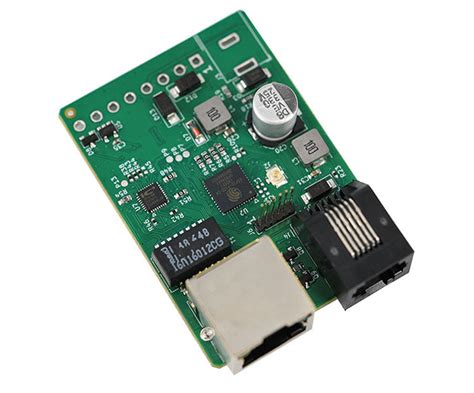
Tips For Reducing Costs When Making PCBs Online
When it comes to making printed circuit boards (PCBs) online, cost efficiency is a critical factor for both hobbyists and professionals. Reducing costs without compromising quality can be challenging, but with careful planning and strategic decisions, it is achievable. One of the first steps in reducing costs is to optimize the design of the PCB. By minimizing the size of the board and reducing the number of layers, you can significantly cut down on material costs. Additionally, simplifying the design by using standard components and avoiding custom parts can further reduce expenses.
Another effective way to lower costs is to take advantage of online PCB manufacturing services that offer competitive pricing.
Many online platforms provide instant quotes, allowing you to compare prices from different manufacturers. It is also beneficial to look for manufacturers that offer discounts for bulk orders or have special promotions. By ordering in larger quantities, you can often secure a lower price per unit, which can be particularly advantageous for large-scale projects.
Furthermore, selecting the right materials can have a substantial impact on the overall cost.
While high-quality materials are essential for ensuring the reliability and performance of the PCB, it is important to balance quality with cost. For instance, choosing a standard FR-4 substrate instead of a more expensive material can help reduce costs without significantly affecting the performance of the board. Additionally, opting for a lower copper thickness can also contribute to cost savings, provided it meets the requirements of your design.
In addition to material selection, the choice of manufacturing processes can influence the cost.
For example, using surface-mount technology (SMT) instead of through-hole technology can reduce assembly costs, as SMT components are generally easier and faster to place. Moreover, designing for automated assembly can further lower costs by minimizing the need for manual intervention. Ensuring that your design adheres to the manufacturer’s design rules and guidelines can also prevent costly errors and rework.
Another cost-saving tip is to consider the turnaround time for your PCB order.
While expedited services are convenient, they often come with a premium price. If your project timeline allows, opting for a standard or longer turnaround time can result in significant cost savings. Additionally, consolidating multiple orders into a single batch can reduce shipping costs and take advantage of economies of scale.
It is also worth exploring the possibility of using open-source design tools and software.
Many online platforms offer free or low-cost design tools that can help you create and optimize your PCB layout. By leveraging these resources, you can avoid the expense of purchasing expensive design software. Additionally, participating in online forums and communities can provide valuable insights and tips from other PCB designers, helping you identify cost-saving opportunities.
Lastly, maintaining clear communication with your manufacturer is crucial for avoiding misunderstandings and ensuring that your design is produced accurately. Providing detailed documentation and specifications can help prevent errors that could lead to costly revisions. Regularly reviewing and updating your design based on feedback from the manufacturer can also help identify potential cost-saving improvements.
In conclusion, reducing costs when making PCBs online requires a combination of strategic design choices, careful material selection, and effective use of manufacturing processes. By taking advantage of competitive pricing, optimizing your design for cost efficiency, and leveraging available resources, you can achieve significant cost savings while maintaining the quality and performance of your PCBs.