PCB Manufacturing: Automation Meets Human Expertise
Key Takeaways
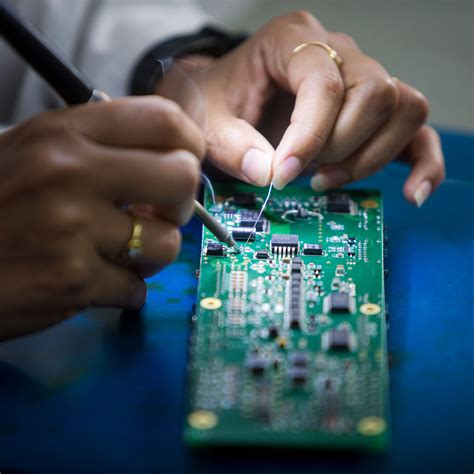
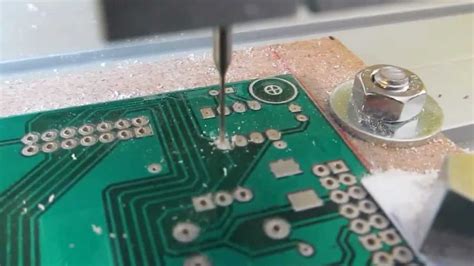
When navigating PCB manufacturing, understanding the balance between automated efficiency and human expertise is crucial. Modern PCB manufacturing companies leverage robotics for tasks like drilling and soldering, accelerating production while maintaining precision. However, human oversight remains essential for complex processes like multilayer alignment or troubleshooting subtle defects that machines might miss.
"Automation reduces PCB manufacturing cost by up to 30% in high-volume runs, but skilled technicians are irreplaceable for ensuring final product integrity," notes a veteran engineer in the PCB manufacturing business.
You’ll find that while automated systems excel at consistency, they require calibration by experienced professionals. For instance, automated optical inspection (AOI) tools flag potential errors, but final validation often relies on human judgment. This synergy allows manufacturers to optimize speed without compromising quality—a critical factor when balancing time-to-market pressures with reliability demands.
Transitioning between phases, consider how integrating robotics impacts workforce roles: technicians shift from repetitive tasks to supervising systems and addressing exceptions. This evolution not only boosts output but also elevates the value of specialized skills in the PCB manufacturing ecosystem. By prioritizing both technological advancement and craftsmanship, businesses can achieve scalable, cost-effective solutions that meet diverse client needs.
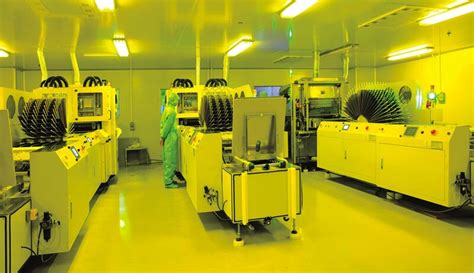
Automating PCB Production Lines Efficiently
When optimizing PCB manufacturing workflows, automation plays a pivotal role in balancing speed, precision, and scalability. Modern PCB manufacturing companies deploy robotic systems for tasks like solder paste application, component placement, and optical inspection—processes where millimeter-level accuracy is non-negotiable. These systems reduce PCB manufacturing cost by minimizing material waste and rework, while ensuring consistent output across high-volume orders.
However, automation doesn’t eliminate human input. Skilled engineers program and monitor these systems, adjusting parameters for complex designs or unconventional materials. For instance, while automated optical inspection (AOI) flags surface-level defects, subtle issues like thermal stress patterns or signal integrity anomalies still require expert analysis. This synergy allows PCB manufacturing business operations to scale without sacrificing quality.
Transitioning to automated lines also demands strategic investment. Companies must evaluate ROI timelines for machinery upgrades against long-term savings in labor and error reduction. Yet, when implemented thoughtfully, automation becomes a competitive differentiator—enabling faster turnaround for clients while maintaining the flexibility to handle specialized projects.
As you navigate this shift, remember that automation’s true value lies in augmenting human expertise, not replacing it. The next section explores how this balance extends to quality control, where technology and craftsmanship intersect to uphold industry standards.
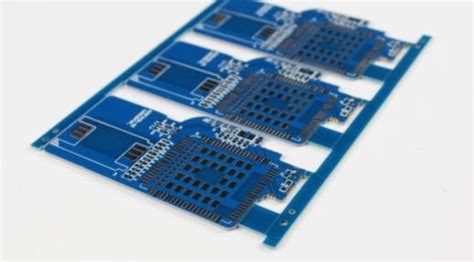
Human Oversight in Precision PCB Assembly
While automated systems handle high-speed component placement and soldering in PCB manufacturing, human expertise remains critical for ensuring micro-level precision. Advanced machinery may excel at repetitive tasks, but skilled technicians monitor processes like solder paste inspection and component alignment—areas where even sub-millimeter deviations impact performance. You’ll find PCB manufacturing companies often deploy cross-trained teams to audit automated outputs, catching subtle defects like micro-cracks or insufficient thermal relief that algorithms might overlook.
Consider this balance in action:
| Automated Task | Human Oversight Focus |
|---|---|
| Solder paste application | Void detection under X-ray |
| Pick-and-place operations | Rare component orientation checks |
| Wave soldering | Thermal profile validation |
This synergy directly affects PCB manufacturing cost by minimizing post-production rework. For instance, a technician spotting a misaligned BGA early prevents cascading failures in testing phases. In the PCB manufacturing business, integrating human judgment with robotics ensures compliance with aerospace or medical-grade standards, where purely automated systems lack contextual adaptability. Your design’s reliability hinges not just on machinery but on experts who interpret anomalies machines classify as “marginally acceptable.” By maintaining this equilibrium, manufacturers achieve both scale and precision—a necessity for next-gen electronics.
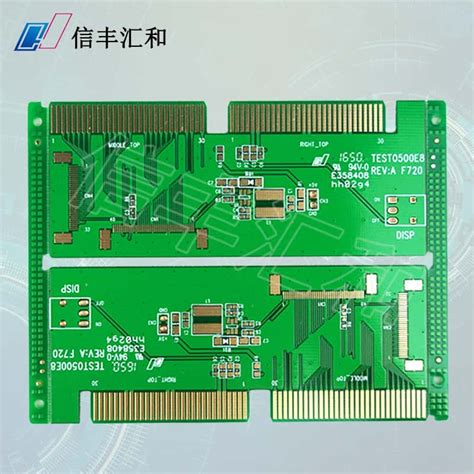
Quality Control in Modern PCB Manufacturing
When you examine how PCB manufacturing companies maintain reliability, you’ll find a hybrid approach combining automated systems with human-driven verification. Advanced optical inspection (AOI) machines scan boards at microscopic levels, flagging inconsistencies like misaligned traces or solder bridges—defects that could escalate PCB manufacturing costs if undetected. However, even the most precise algorithms can’t replicate the nuanced judgment of skilled technicians, who review flagged items to distinguish critical flaws from false positives.
This synergy ensures that PCB manufacturing doesn’t sacrifice quality for speed. For instance, automated X-ray inspection validates internal layer integrity in multilayer boards, while engineers cross-reference data against design files to catch subtle deviations. Rigorous testing protocols—thermal cycling, electrical performance checks—are then applied, blending repeatable processes with expert analysis.
For businesses, this balance directly impacts the PCB manufacturing business model. Over-reliance on automation risks overlooking complex failures, but excessive manual scrutiny slows production. Leading manufacturers optimize this equilibrium, using technology to handle repetitive tasks while deploying human expertise for decision-heavy stages. The result? Consistent output that meets both industry standards and client-specific requirements, all while controlling long-term operational expenses.
PCB Fabrication Speed vs Manual Expertise
When optimizing PCB manufacturing workflows, you face a critical balancing act: leveraging high-speed automation while preserving the irreplaceable value of human skill. Modern automated production lines excel at rapidly processing standardized designs, slashing PCB manufacturing cost by minimizing material waste and labor hours. Robotic systems can populate thousands of components per hour—a pace unmatched by manual assembly. However, niche projects requiring non-standard materials or intricate layouts often demand the adaptive problem-solving of experienced technicians.
Leading PCB manufacturing companies recognize that pure automation risks overlooking subtle defects in complex multilayer boards. While machines ensure consistency in bulk orders, skilled engineers intervene to validate impedance controls or troubleshoot thermal management issues in high-frequency designs. This hybrid approach allows businesses to scale PCB manufacturing business operations without sacrificing precision in mission-critical applications.
Your decision hinges on project specifics: automated lines dominate for high-volume, repeatable tasks, whereas manual expertise becomes indispensable when prototyping advanced architectures or handling rare substrates. The most cost-effective strategies integrate both realms, using automation for throughput and human oversight to safeguard quality in specialized scenarios.
Integrating Robotics in Circuit Board Creation
As you delve deeper into modern PCB manufacturing, the role of robotics becomes impossible to ignore. Automated systems now handle tasks like solder paste application and component placement with micron-level precision, significantly reducing pcb manufacturing cost while boosting throughput. However, this doesn’t eliminate human involvement—skilled engineers program these robots, ensuring they adapt to design complexities that demand contextual judgment. For pcb manufacturing companies, the challenge lies in harmonizing robotic efficiency with the nuanced expertise required for multilayer boards or high-frequency designs.
Advanced vision systems in robotic arms, for instance, can detect minute defects, but final validation often relies on technicians trained to spot subtle inconsistencies that machines might overlook. This synergy allows pcb manufacturing business operations to scale without sacrificing quality, particularly when producing prototypes or low-volume batches. Transitioning to automation also future-proofs production lines, enabling faster response to market shifts—a critical advantage in industries where lead times directly impact competitiveness. Yet, even here, human oversight ensures robotic workflows align with evolving client specifications, proving that technology and craftsmanship aren’t rivals but collaborators in precision engineering.
Skilled Technicians in PCB Error Detection
While automated systems excel at identifying common defects in PCB manufacturing, human expertise remains irreplaceable for detecting nuanced or intermittent flaws. You’ll find that even the most advanced vision systems might overlook subtle issues like micro-cracks, inconsistent solder mask textures, or thermal stress patterns—problems that skilled technicians can spot through years of hands-on experience. This hybrid approach allows PCB manufacturing companies to maintain rigorous quality standards without sacrificing throughput.
Technicians often cross-verify automated reports with manual inspections, especially for high-density or custom-designed boards where PCB manufacturing cost hinges on minimizing rework. For example, a misplaced via or poorly aligned layer registration might escape algorithmic scrutiny but become glaringly obvious under a trained eye. This dual-layer scrutiny ensures defects are caught early, reducing waste and preserving margins for PCB manufacturing business models.
By blending AI-driven tools with human judgment, manufacturers strike a balance between speed and precision—ensuring your boards meet both technical specifications and real-world reliability demands.
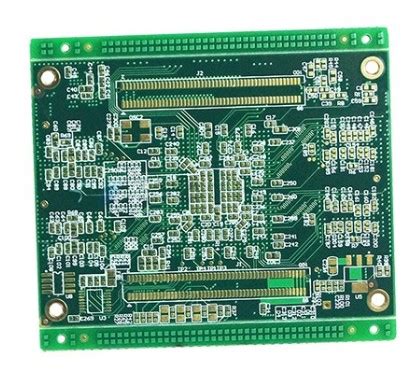
Balancing Tech and Craft in PCB Assembly
In PCB manufacturing, the interplay between automated systems and human skill defines modern production efficiency. While robotic arms handle repetitive tasks like solder paste application or component placement with micron-level accuracy, experienced technicians remain indispensable for overseeing complex processes. For instance, PCB manufacturing companies rely on engineers to program machinery for diverse board specifications, troubleshoot alignment issues, and validate outputs through manual inspections—especially for high-mix, low-volume batches.
Automation excels at minimizing PCB manufacturing cost through reduced material waste and faster cycle times, but it’s the craftsmanship of seasoned operators that ensures subtle design flaws or thermal inconsistencies don’t compromise reliability. You’ll notice this balance in scenarios like prototype adjustments, where technicians manually refine automated layouts to meet unique client requirements. Similarly, final quality audits often blend AI-powered optical scans with human-led cross-checks to catch anomalies machines might overlook.
For a sustainable PCB manufacturing business, investing in both advanced pick-and-place systems and continuous technician training isn’t optional—it’s strategic. The result? A workflow where precision robotics amplify productivity, while human expertise safeguards the nuanced decision-making that algorithms can’t replicate.
Cost Efficiency Through Automated PCB Processes
When optimizing PCB manufacturing operations, automated systems create significant cost advantages by reducing human error and material waste. By deploying robotic assembly lines for repetitive tasks like solder paste application and component placement, PCB manufacturing companies achieve consistent output while minimizing labor expenses. Advanced AI-driven inspection tools further slash pcb manufacturing cost by catching defects 10x faster than manual checks—critical when producing high-volume orders.
Yet true efficiency isn’t about replacing humans but strategically integrating their expertise. Automated workflows free skilled technicians to focus on complex troubleshooting, ensuring even the most cost-sensitive pcb manufacturing business maintains quality benchmarks. For example, while machines handle bulk etching and drilling, engineers monitor process parameters to adjust tolerances in real time—a balance that prevents over-engineering without compromising reliability.
Transitioning to automation also unlocks economies of scale. Modular equipment allows factories to scale production capacity up or down based on demand, avoiding the sunk costs of idle machinery. This agility lets you reinvest savings into R&D or customer-specific customization, turning pcb manufacturing cost reductions into long-term competitive advantages. The result? Faster turnaround times, tighter margins, and pricing models that attract both startups and enterprise clients.
Conclusion
When navigating the evolving landscape of PCB manufacturing, you’ll find that the synergy between automated systems and human expertise defines modern success. While PCB manufacturing companies rely on robotics for speed and consistency, skilled technicians remain indispensable for nuanced problem-solving and final quality assurance. This balance ensures that PCB manufacturing cost stays competitive without compromising precision—a critical factor for businesses aiming to scale their PCB manufacturing business sustainably.
Automation excels in repetitive tasks like solder paste application or component placement, but human oversight catches subtle defects that machines might overlook. Your choice of a manufacturing partner should prioritize this hybrid approach, where advanced technology complements craftsmanship. By integrating both elements, you not only streamline production but also future-proof operations against unforeseen challenges. Ultimately, the goal isn’t to replace human skill with machines but to create a workflow where each enhances the other’s strengths. This equilibrium is what separates leading PCB manufacturing companies from the rest, ensuring reliability in an industry where even minor errors carry significant consequences.
FAQs
How does PCB manufacturing balance automation with human expertise?
Modern PCB manufacturing companies combine robotic precision with skilled technicians to handle complex tasks. While automated systems excel at repetitive processes like drilling and solder paste application, human experts oversee critical stages such as multilayer alignment and functional testing, ensuring zero tolerance for errors.
What factors influence PCB manufacturing cost?
Costs depend on board complexity, material choices, and order volume. Automated production reduces labor expenses for high-volume orders, but specialized designs often require manual adjustments by experienced engineers—a key consideration when planning your PCB manufacturing business strategy.
Can automation replace quality checks in PCB manufacturing?
Even advanced vision systems can’t fully replicate human pattern recognition. Technicians perform final inspections for micro-cracks and solder bridging, complementing automated optical inspection (AOI) tools. This hybrid approach meets ISO-9001 standards while maintaining competitive PCB manufacturing cost structures.
How do PCB manufacturing companies ensure design-to-production accuracy?
Most firms use AI-driven DFM (Design for Manufacturability) analysis paired with manual design reviews. Engineers verify component clearances and thermal management requirements—a dual verification process that minimizes respins and accelerates time-to-market.
When should a PCB manufacturing business prioritize manual processes?
Low-volume prototypes and high-frequency RF boards often benefit from hands-on assembly. Skilled workers adjust impedance matching and shielding techniques more effectively than current robotic systems in these specialized scenarios.
Ready to Optimize Your Board Production?
Explore Advanced PCB Solutions Today
For tailored guidance on balancing automation and craftsmanship in your projects, please click here to consult our engineering team.