PCB Manufacturing with Components: The Complete Guide
Printed Circuit Boards (PCBs) are the backbone of modern electronics. They are used in
everything from smartphones and laptops to cars and airplanes. PCBs are made up of variouscomponents that work together to create a functional electronic device. In this article, wewill take a closer look at PCB manufacturing with components and provide a comprehensiveguide on how to create a PCB from scratch.
What is a PCB?
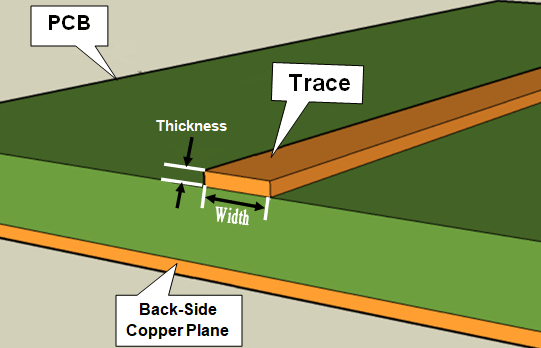
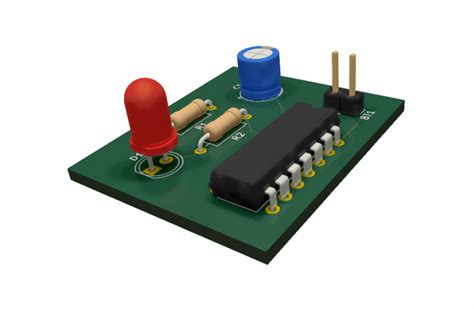
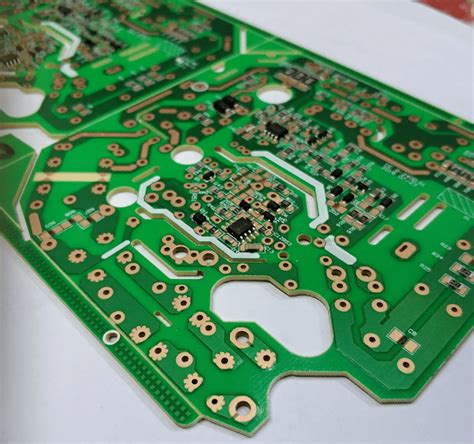
A PCB is a thin board made of insulating material (usually fiberglass or plastic) that isused to connect electronic components. The board contains a series of copper tracks thatact as wires to connect the components. These tracks are etched onto the board using achemical process. The components are then soldered onto the board to create a functionalcircuit.

The Benefits of PCBs
PCBs offer several benefits over traditional wiring methods. They are more reliable,efficient, and cost-effective. PCBs also allow for smaller and more complex circuits to becreated. They are also easier to repair and replace.
Types of PCBs
There are several types of PCBs, including single-sided, double-sided, and multi-layered.Single-sided PCBs have components on only one side of the board. Double-sided PCBs havecomponents on both sides of the board. Multi-layered PCBs have multiple layers of coppertracks and components.

PCB Manufacturing with Components
PCB manufacturing with components involves several steps. These steps include designing thecircuit, creating the PCB layout, printing the PCB, and assembling the components.
Designing the Circuit
The first step in PCB manufacturing with components is to design the circuit. This involvescreating a schematic of the circuit using a software program such as Altium Designer orEagle PCB. The schematic will show the connections between the components and the powersupply.
Creating the PCB Layout
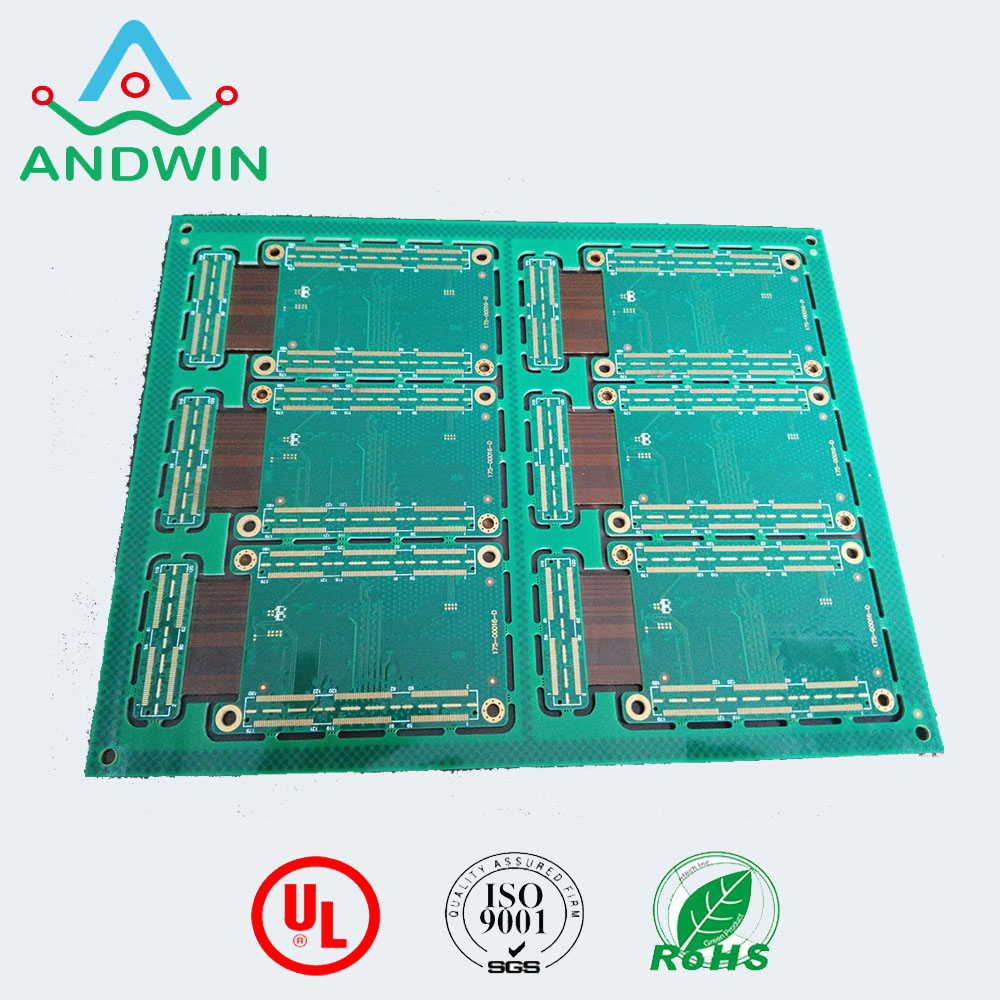
Once the schematic is complete, the next step is to create the PCB layout. This involvesplacing the components on the board and routing the copper tracks. The PCB layout can becreated using the same software program used to create the schematic.
Printing the PCB
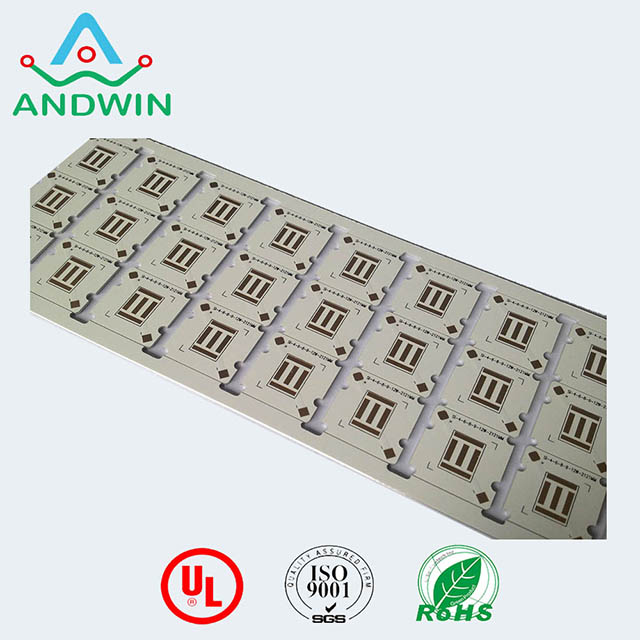
After the PCB layout is complete, the next step is to print the PCB. This involvestransferring the layout onto a copper-clad board using a process called photoetching. Theboard is coated with a light-sensitive material, and the layout is printed onto atransparency. The board is then exposed to UV light, which hardens the light-sensitivematerial. The unexposed material is then washed away, leaving behind the copper tracks.
Assembling the Components
The final step in PCB manufacturing with components is to assemble the components onto theboard. This involves soldering the components onto the board using a soldering iron. Oncethe components are soldered onto the board, the circuit is complete.
Conclusion
PCB manufacturing with components is a complex process that involves several steps.However, with the right tools and software, anyone can create a functional PCB fromscratch. PCBs offer several benefits over traditional wiring methods and are used in a widerange of electronic devices. If you are interested in learning more about PCB manufacturingwith components, there are several online resources available to help you get started.