Pcb prototype order
Understanding The Basics Of PCB Prototype Orders
Printed Circuit Boards (PCBs) are the backbone of modern electronic devices, serving as the foundation upon which electronic components are mounted and interconnected. Understanding the basics of PCB prototype orders is essential for engineers, designers, and businesses aiming to develop new electronic products. A PCB prototype is a preliminary version of a circuit board, created to test and validate the design before mass production. This process is crucial in identifying potential design flaws, ensuring functionality, and optimizing the overall design.
The first step in the PCB prototype order process involves designing the circuit layout using specialized software.
This design phase is critical, as it determines the placement of components and the routing of electrical connections. Engineers must consider various factors, such as signal integrity, power distribution, and thermal management, to ensure the board functions as intended. Once the design is finalized, it is converted into a format compatible with PCB manufacturing equipment, typically Gerber files.
Following the design phase, selecting a suitable PCB manufacturer is the next crucial step.
Manufacturers vary in their capabilities, turnaround times, and pricing, so it is important to choose one that aligns with the project’s specific requirements. Factors such as the complexity of the design, the number of layers, and the materials used can influence the choice of manufacturer. Additionally, some manufacturers offer value-added services, such as design reviews and testing, which can be beneficial in ensuring the prototype meets the desired specifications.
Once a manufacturer is selected, the order is placed, and the production process begins.
This involves several stages, including material preparation, layer imaging, etching, drilling, and plating. Each stage must be meticulously executed to ensure the prototype’s quality and reliability. For instance, during the etching process, unwanted copper is removed to create the desired circuit patterns. Any errors at this stage can lead to short circuits or open circuits, rendering the prototype unusable.
After the PCB is fabricated, it undergoes a series of inspections and tests to verify its functionality.
These tests may include electrical testing, where the board is checked for continuity and isolation, and functional testing, where the board is powered up to ensure it operates as expected. Identifying and addressing any issues at this stage is crucial, as it allows for design modifications before proceeding to mass production.
In addition to technical considerations, logistical aspects also play a significant role in PCB prototype orders.
Lead times, shipping options, and communication with the manufacturer are all factors that can impact the overall timeline and success of the project. Effective communication with the manufacturer is essential to address any issues promptly and ensure that the prototype meets the project’s requirements.
In conclusion, understanding the basics of PCB prototype orders involves a comprehensive approach that encompasses design, manufacturing, testing, and logistics. By carefully navigating each stage of the process, engineers and designers can develop reliable and efficient electronic products. As technology continues to advance, the demand for innovative and complex PCBs will only increase, making the knowledge of PCB prototype orders an invaluable asset in the field of electronics.
Top Tips For Streamlining Your PCB Prototype Order Process
When embarking on the journey of developing a new electronic product, the process of ordering a printed circuit board (PCB) prototype is a critical step that can significantly influence the project’s success. Streamlining this process not only saves time and resources but also enhances the overall quality of the final product. To achieve this, several key strategies can be employed, ensuring a smooth and efficient PCB prototype order process.
First and foremost, it is essential to have a clear and detailed design before placing an order.
This involves creating a comprehensive schematic and layout, which should be meticulously reviewed to avoid any errors. Utilizing design software that allows for simulation and testing can help identify potential issues early on. By addressing these problems at the design stage, you can prevent costly revisions later in the process. Furthermore, ensuring that the design adheres to the manufacturer’s specifications and capabilities is crucial. This includes understanding the limitations of the materials and technologies available, which can vary significantly between different manufacturers.
In addition to a well-prepared design, selecting the right manufacturer is a pivotal decision.
It is advisable to conduct thorough research and compare various manufacturers based on their expertise, reliability, and customer reviews. Engaging with a manufacturer that has a proven track record in producing high-quality PCB prototypes can make a substantial difference. Moreover, establishing clear communication with the manufacturer is vital. This involves discussing your specific requirements, timelines, and any potential challenges that may arise. By fostering a collaborative relationship, you can ensure that both parties are aligned and working towards the same objectives.
Another important aspect to consider is the choice of materials and components.
Opting for readily available and standardized components can significantly reduce lead times and costs. It is also beneficial to maintain a flexible approach, as certain components may become obsolete or face supply chain disruptions. By having alternative options in place, you can mitigate potential delays in the production process. Additionally, understanding the environmental and regulatory requirements for your product is essential. Ensuring compliance with relevant standards not only facilitates a smoother production process but also enhances the marketability of the final product.
Furthermore, efficient project management plays a crucial role in streamlining the PCB prototype order process.
This involves setting realistic timelines and milestones, as well as allocating resources effectively. Utilizing project management tools can aid in tracking progress and identifying any bottlenecks that may occur. Regularly reviewing the project’s status and making necessary adjustments can help keep the process on track and within budget.
Finally, it is important to conduct thorough testing and validation of the prototype once it is received.
This step is critical in identifying any defects or areas for improvement before proceeding to mass production. By implementing a robust testing protocol, you can ensure that the prototype meets all functional and performance requirements. Additionally, gathering feedback from stakeholders and end-users can provide valuable insights that can be incorporated into the final design.
In conclusion, streamlining the PCB prototype order process requires careful planning, effective communication, and strategic decision-making. By focusing on these key areas, you can enhance the efficiency and quality of your PCB prototypes, ultimately contributing to the success of your electronic product development.
Common Mistakes To Avoid When Placing A PCB Prototype Order
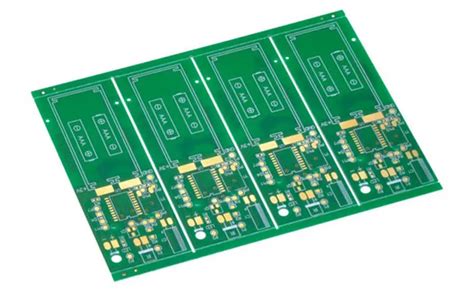
When placing a PCB prototype order, it is crucial to approach the process with precision and attention to detail. This ensures that the final product meets the desired specifications and functions as intended. However, several common mistakes can occur during this process, potentially leading to costly delays and unsatisfactory results. By understanding these pitfalls, one can take proactive steps to avoid them, thereby streamlining the development cycle and enhancing the overall quality of the prototype.
One of the most frequent errors is the lack of clear and comprehensive design documentation.
Inadequate documentation can lead to misinterpretations and errors during the manufacturing process. It is essential to provide detailed schematics, layout files, and a bill of materials (BOM) that clearly outline all necessary components and specifications. Furthermore, ensuring that these documents are up-to-date and accurately reflect the latest design changes is vital. This attention to detail helps prevent misunderstandings and ensures that the manufacturer has all the information needed to produce the prototype correctly.
Another common mistake is neglecting to verify the design for manufacturability (DFM).
DFM is a critical step that evaluates whether a design can be manufactured efficiently and cost-effectively. Failing to conduct a thorough DFM analysis can result in designs that are difficult or impossible to produce, leading to increased costs and extended lead times. By collaborating with the manufacturer early in the design process, potential issues can be identified and addressed before production begins, thus avoiding unnecessary complications.
In addition to design-related issues, communication breakdowns between the customer and the manufacturer can also lead to problems.
Clear and consistent communication is essential to ensure that both parties are aligned on expectations and requirements. This includes discussing timelines, budget constraints, and any specific needs or preferences. Regular updates and feedback loops can help maintain this alignment and allow for adjustments to be made as needed. By fostering a collaborative relationship, both parties can work together more effectively to achieve the desired outcome.
Moreover, overlooking the importance of selecting the right materials and components can have significant repercussions.
The choice of materials can impact the performance, durability, and cost of the prototype. It is important to consider factors such as thermal properties, electrical conductivity, and mechanical strength when selecting materials. Additionally, ensuring that components are readily available and not subject to long lead times or obsolescence is crucial. This foresight can prevent delays and ensure that the prototype is built with reliable and high-quality components.
Finally, failing to conduct thorough testing and quality assurance can undermine the entire prototyping process.
Testing is essential to verify that the prototype functions as intended and meets all specified requirements. Skipping or rushing this step can result in undetected flaws that may lead to failures in the field. Implementing a robust testing protocol, including functional testing, environmental testing, and reliability testing, can help identify and rectify issues before they become problematic.
In conclusion, placing a PCB prototype order involves several critical steps that require careful consideration and attention to detail. By avoiding common mistakes such as inadequate documentation, neglecting DFM, poor communication, improper material selection, and insufficient testing, one can significantly enhance the likelihood of a successful outcome. Through diligent planning and collaboration with the manufacturer, the prototyping process can be optimized, leading to a high-quality product that meets all expectations.

How To Choose The Right Supplier For Your PCB Prototype Order
When embarking on the journey of developing a new electronic product, one of the critical steps involves creating a printed circuit board (PCB) prototype. This stage is crucial as it allows for testing and validation of the design before mass production. Selecting the right supplier for your PCB prototype order is a decision that can significantly impact the success of your project. Therefore, it is essential to consider several factors to ensure you choose a supplier that aligns with your needs and expectations.
To begin with, evaluating the supplier’s experience and expertise in the field is paramount.
A supplier with a proven track record in PCB prototyping is more likely to deliver high-quality products. They should have a comprehensive understanding of various design requirements and the ability to handle complex projects. Additionally, an experienced supplier is often better equipped to provide valuable insights and suggestions that can enhance your design, potentially saving time and resources in the long run.
Moreover, the technological capabilities of the supplier should not be overlooked.
It is important to ensure that the supplier is equipped with the latest technology and machinery to produce PCBs that meet your specifications. This includes the ability to handle different materials, layer counts, and board thicknesses. A technologically advanced supplier can offer a wider range of options and greater flexibility, which is particularly beneficial if your project involves unique or challenging requirements.
Furthermore, the quality assurance processes implemented by the supplier are a critical consideration.
A reliable supplier should have stringent quality control measures in place to ensure that each PCB prototype meets the highest standards. This includes thorough testing and inspection procedures to identify and rectify any defects before delivery. By choosing a supplier with robust quality assurance protocols, you can minimize the risk of errors and ensure that your prototype functions as intended.
In addition to quality, the supplier’s ability to deliver on time is another crucial factor.
Delays in receiving your PCB prototype can disrupt your project timeline and lead to increased costs. Therefore, it is advisable to select a supplier known for their punctuality and reliability in meeting deadlines. This can often be gauged by reviewing customer testimonials and feedback, which provide insights into the supplier’s track record in terms of delivery performance.
Cost is inevitably a consideration in any business decision, and PCB prototyping is no exception.
While it may be tempting to opt for the lowest-priced supplier, it is important to balance cost with quality and reliability. A supplier offering significantly lower prices may compromise on materials or processes, leading to subpar prototypes. Therefore, it is advisable to obtain quotes from multiple suppliers and compare them, taking into account the quality of service and product offered.
Lastly, effective communication and customer support are essential attributes of a good supplier.
Throughout the prototyping process, you may need to discuss design changes, address concerns, or seek technical support. A supplier that is responsive and communicative can greatly enhance the overall experience, ensuring that any issues are promptly resolved and that you are kept informed at every stage.
In conclusion, choosing the right supplier for your PCB prototype order involves careful consideration of several factors, including experience, technological capabilities, quality assurance, delivery reliability, cost, and communication. By thoroughly evaluating potential suppliers against these criteria, you can make an informed decision that supports the success of your project.