PCB Rigid Boards vs. FPC Flexible Circuits: A Comprehensive Comparison
Introduction
Printed Circuit Boards (PCBs) are essential components in modern electronics, providing mechanical support and electrical connections for electronic components. Two major types of PCBs are Rigid PCBs (Hard Boards) and Flexible Printed Circuits (FPCs or Soft Boards). While both serve similar fundamental purposes, they differ significantly in material composition, design flexibility, manufacturing processes, and applications.
This article provides an in-depth comparison between Rigid PCBs and Flexible PCBs, covering their structural differences, advantages, limitations, and typical use cases.
1. Structural and Material Differences
1.1 Rigid PCBs (Hard Boards)
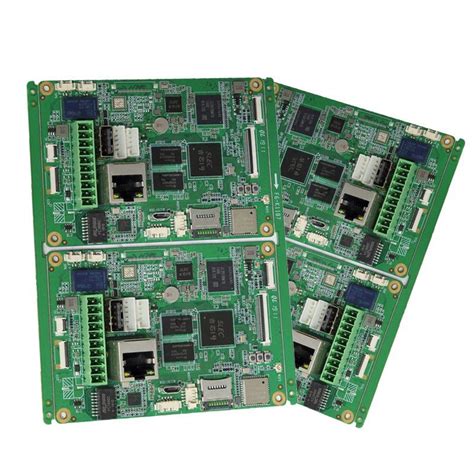
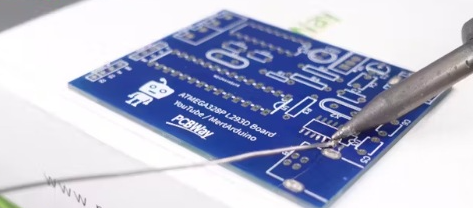
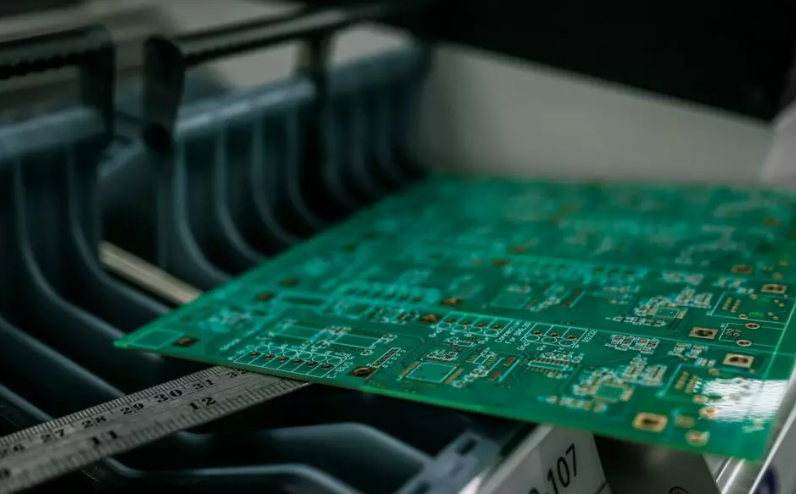
Rigid PCBs are constructed using solid, inflexible substrates, typically made of:
- FR4 (Flame Retardant 4) – A glass-reinforced epoxy laminate, the most common material.
- Metal Core (e.g., Aluminum, Copper) – Used for high thermal dissipation.
- Ceramic-Based Substrates – For high-frequency and high-power applications.
Key Characteristics:
- Rigid Structure: Cannot bend or flex without damage.
- Multi-Layer Capability: Supports complex designs with multiple conductive layers.
- High Mechanical Strength: Suitable for heavy components.
1.2 Flexible PCBs (FPCs, Soft Boards)
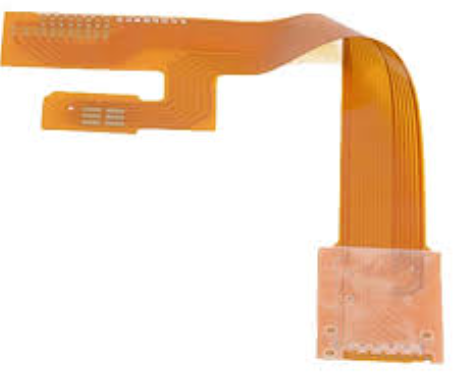
Flexible PCBs use bendable materials, allowing them to conform to different shapes. Common materials include:
- Polyimide (PI) Film – High heat resistance and flexibility.
- Polyester (PET) Film – Lower cost but less durable than PI.
- Adhesives & Copper Foils – Thin conductive layers laminated onto flexible substrates.
Key Characteristics:
- Bendable & Foldable: Can be bent repeatedly without breaking.
- Lightweight & Thin: Ideal for compact and portable devices.
- Dynamic Flex Capability: Can withstand continuous movement.
2. Manufacturing Process Comparison
2.1 Rigid PCB Manufacturing
- Substrate Preparation: Cutting FR4 or metal-core laminates.
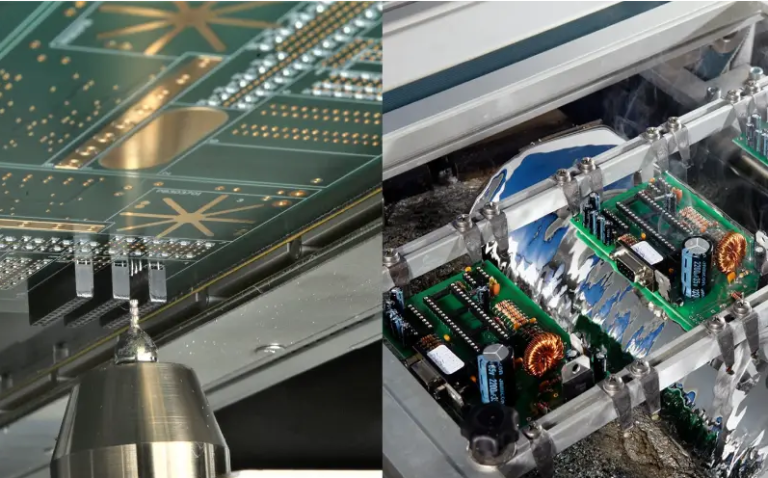
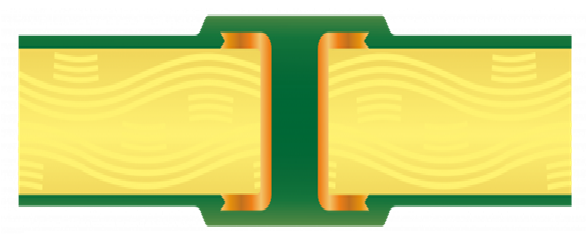
- Drilling & Plating: Creating vias and through-holes.
- Etching: Removing unwanted copper to form traces.
- Solder Mask & Silkscreen Application: Protecting circuits and adding labels.
- Surface Finishing: HASL, ENIG, or OSP coatings for solderability.
Challenges:
- Limited flexibility in design modifications after production.
- Higher material costs for high-layer-count boards.
2.2 Flexible PCB Manufacturing
- Material Selection: Choosing PI or PET films.
- Circuit Patterning: Laser or chemical etching for fine traces.
- Coverlay Application: Replaces solder mask for flexibility.
- Stiffener Attachment (if needed): Reinforces areas for component mounting.
- Cutting & Forming: Precision laser cutting for complex shapes.
Challenges:
- More delicate handling required.
- Higher initial tooling costs for custom designs.
3. Performance & Reliability Comparison
| Parameter | Rigid PCBs | Flexible PCBs |
|---|---|---|
| Mechanical Strength | High | Moderate (unless reinforced) |
| Flexibility | None | Excellent |
| Weight | Heavier | Lightweight |
| Thermal Resistance | Good (depends on material) | Excellent (PI-based) |
| Vibration Resistance | Moderate | High (absorbs shocks) |
| Repairability | Easier | More challenging |
| Cost (High Volume) | Lower | Higher |
3.1 Advantages of Rigid PCBs
- Better for High-Power Applications: Handles higher currents due to thicker copper.
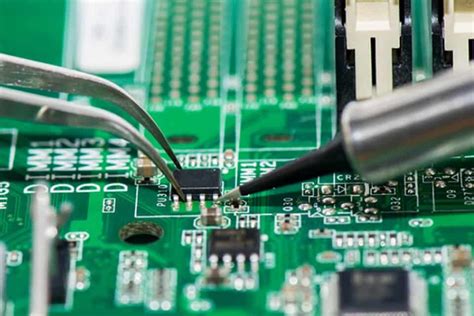
- Easier Assembly: More stable for automated pick-and-place machines.
- Lower Cost for Simple Designs.
3.2 Advantages of Flexible PCBs
- Space-Saving: Can be folded or bent to fit tight spaces.
- Improved Durability in Moving Parts: Ideal for wearables, hinges, and robotics.
- Reduced Wiring Complexity: Fewer connectors needed.
4. Applications: Where Each Type Excels
4.1 Common Uses of Rigid PCBs
- Consumer Electronics: Motherboards, TVs, and power supplies.
- Automotive Systems: Engine control units (ECUs), infotainment.
- Industrial Equipment: Heavy machinery, power converters.
- Aerospace & Defense: Avionics, radar systems.
4.2 Common Uses of Flexible PCBs
- Wearable Devices: Smartwatches, fitness trackers.
- Medical Devices: Hearing aids, endoscopes.
- Foldable Electronics: Foldable smartphones, rollable displays.
- Automotive Flex Circuits: Dashboard sensors, LED lighting.
5. Hybrid Solutions: Rigid-Flex PCBs
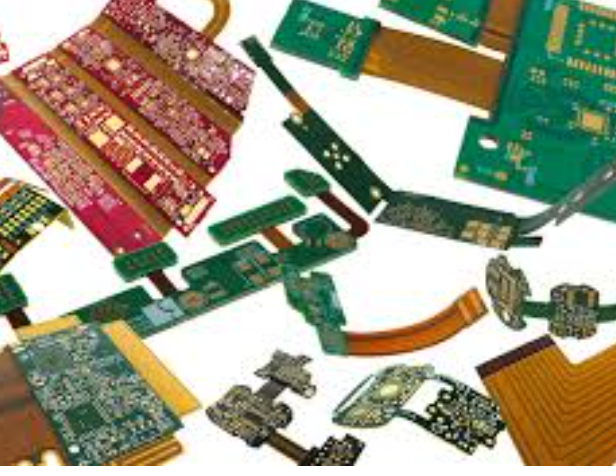
A combination of rigid and flexible PCBs (Rigid-Flex) is increasingly popular in advanced electronics. These boards integrate the best of both technologies:
- Rigid Sections: Provide structural support for components.
- Flexible Sections: Allow dynamic movement and space optimization.
Applications:
- Military & aerospace systems.
- High-end medical imaging devices.
- Foldable and rollable consumer electronics.
6. Cost Considerations
- Rigid PCBs: Generally cheaper for standard designs but cost increases with layer count.
- Flexible PCBs: Higher initial cost due to specialized materials and processes but can reduce overall system costs by eliminating connectors and cables.
7. Future Trends
- Miniaturization: FPCs will dominate ultra-thin devices.
- High-Speed Flexible Circuits: For 5G and IoT applications.
- Sustainable Materials: Eco-friendly substrates for both rigid and flex PCBs.
Conclusion
The choice between Rigid PCBs and Flexible PCBs depends on the application requirements.
- Rigid PCBs are ideal for high-power, stable environments.
- Flexible PCBs excel in compact, dynamic, and lightweight designs.
- Rigid-Flex PCBs offer a balanced solution for advanced applications.
As technology evolves, the demand for flexible and hybrid PCBs will grow, driven by innovations in wearables, foldable electronics, and automotive advancements. Engineers must carefully evaluate design constraints, performance needs, and cost factors when selecting the right PCB type.