PCB Router Machine: A Comprehensive Guide
Introduction to PCB Router Machines
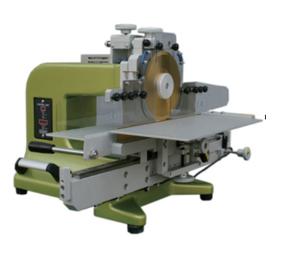
Printed Circuit Board (PCB) router machines are specialized computer-controlled cutting machines designed specifically for the electronics manufacturing industry. These precision machines play a crucial role in the production of PCBs by performing several essential functions including depaneling, profiling, and creating intricate cutouts in circuit boards. As electronic devices continue to shrink in size while increasing in complexity, the demand for high-precision PCB routing solutions has grown exponentially.
PCB router machines differ from conventional CNC routers in their specialized design for handling delicate electronic materials. They offer superior precision, typically measured in microns rather than millimeters, and incorporate features specifically tailored for PCB manufacturing such as dust extraction systems, vision alignment capabilities, and specialized spindle designs for handling fiberglass-reinforced materials.
Types of PCB Router Machines
1. Mechanical Routing Machines
Mechanical routing machines represent the most common type of PCB routers. These systems use high-speed spindles (typically ranging from 30,000 to 150,000 RPM) with carbide cutting tools to physically remove material from the PCB substrate. They offer excellent precision and can handle a wide range of materials including FR-4, Rogers, polyimide, and metal-core boards.
Key advantages include:
- Ability to create complex board outlines and cutouts
- Precise depth control for blind routing and scoring applications
- Compatibility with various board thicknesses
- Cost-effective operation compared to laser alternatives
2. Laser Routing Machines
Laser-based PCB routers use high-powered lasers (typically CO₂ or UV lasers) to vaporize material rather than cutting mechanically. These systems provide exceptional precision, especially for ultra-fine features and delicate materials that might chip or crack with mechanical routing.
Advantages of laser routing:
- No physical tool wear or breakage
- Extremely fine feature capability (down to 25μm)
- Cleaner cuts with minimal debris
- Ability to process unconventional materials like flexible circuits
Disadvantages include higher equipment costs and limitations with certain materials like thick metal-core boards that may reflect or absorb laser energy inefficiently.
3. Punch Routers
Punch routers combine mechanical routing with punching capability for specific standardized cutouts. These hybrid machines offer high throughput for certain applications where a combination of custom routing and standardized holes or cutouts are required.
Key Components of PCB Router Machines
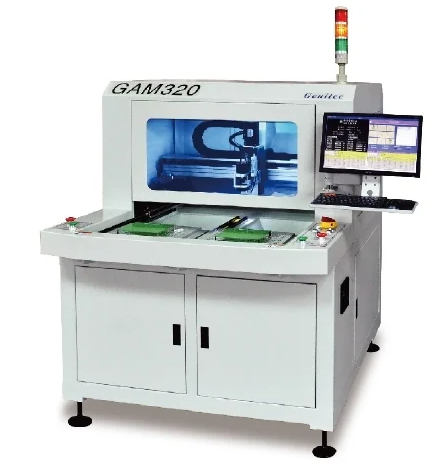
1. Machine Frame and Motion System
The foundation of any PCB router is its rigid frame and precision motion system. High-quality machines use granite or polymer concrete bases for vibration damping and thermal stability. Linear guides and ball screws (or in high-end machines, linear motors) provide precise X-Y-Z movement with positioning accuracy typically in the ±10μm range.
2. Spindle System
The spindle is the heart of a mechanical PCB router. Key spindle characteristics include:
- High rotational speed (up to 150,000 RPM for micro-routing)
- Precise runout control (<1μm TIR for high-quality cuts)
- Automatic tool changing capability
- Air or liquid cooling systems
- Power ranging from 0.5kW to 3kW depending on application
3. Vision and Alignment Systems
Modern PCB routers incorporate advanced vision systems for:
- Fiducial recognition and board alignment
- Tool measurement and breakage detection
- Route path verification
- Post-process inspection
These systems typically use high-resolution CCD cameras with sophisticated image processing software to achieve alignment accuracies of ±5μm or better.
4. Dust Collection and Vacuum Systems
Effective dust extraction is critical in PCB routing to:
- Maintain clean cutting conditions
- Protect sensitive machine components
- Ensure operator safety from fiberglass and copper particulate
- Prevent static buildup
High-performance systems use multi-stage filtration including HEPA filters and often incorporate ionized air systems for static control.
5. Control System and Software
The brains of the operation include:
- High-performance motion controller
- Dedicated routing software with CAD/CAM integration
- User interface (often touchscreen-based)
- Network connectivity for factory integration
Advanced software features may include automatic toolpath optimization, predictive maintenance alerts, and machine learning capabilities for process improvement.
Applications of PCB Router Machines
1. Depaneling
One of the primary uses of PCB routers is separating individual boards from production panels. Modern depaneling requires:
- High precision to avoid damaging delicate components
- Clean cuts to prevent fiberglass fraying
- Minimal mechanical stress to prevent component or solder joint damage
2. Profiling and Outline Cutting
Creating precise board outlines, including:
- Complex non-rectangular shapes
- Castellated holes for module mounting
- Interlocking board designs
- Custom edge connectors
3. Slot and Cutout Creation
Producing various internal features:
- Mounting holes
- Heat sink cutouts
- RF shielding compartments
- Flexible circuit transition areas
4. V-Scoring
Creating partial-depth grooves for later breaking of panels, offering:
- High throughput for simple board separation
- Minimal waste material
- Clean break edges
5. Stencil Cutting
Some PCB routers can also produce solder paste stencils from various materials including stainless steel and polyimide.
Selection Criteria for PCB Router Machines
When selecting a PCB router, consider these key factors:
1. Technical Specifications
- Positioning accuracy and repeatability
- Maximum spindle speed and power
- Table size and working envelope
- Tool capacity and changing system
- Minimum tool diameter capability
2. Material Compatibility
- Types of substrates to be processed
- Maximum and minimum board thickness
- Metal-core or exotic material capability
- Flexible circuit handling
3. Production Requirements
- Throughput (panels per hour)
- Automation compatibility (loader/unloader)
- Uptime and reliability
- Maintenance requirements
4. Software and Integration
- CAD/CAM software compatibility
- Factory communication protocols
- Data import/export formats
- Ease of programming
5. Support and Service
- Manufacturer reputation
- Local service availability
- Training offerings
- Spare parts availability
Advanced Features in Modern PCB Routers
Recent technological advancements have introduced several innovative features:
1. Adaptive Routing Technology
Using real-time spindle load monitoring to:
- Automatically adjust feed rates
- Detect tool wear or breakage
- Compensate for material inconsistencies
2. Multi-head Configurations
Some high-end routers feature multiple independent routing heads for:
- Simultaneous processing of multiple boards
- Dedicated heads for different tool types
- Improved throughput
3. In-process Metrology
Integrated measurement systems for:
- Post-cut inspection
- Tool length verification
- Board thickness measurement
4. Industry 4.0 Connectivity
Smart factory features including:
- Predictive maintenance
- Remote monitoring
- Process data analytics
- Cloud-based management
Maintenance and Best Practices
Proper maintenance is essential for maintaining routing precision and machine longevity:
1. Regular Maintenance Tasks
- Daily: Clean machine, check air filters, verify vacuum system
- Weekly: Lubricate guideways, inspect spindle runout
- Monthly: Check belt tensions, calibrate vision system
- Quarterly: Verify machine geometry, replace worn components
2. Tool Management
- Proper tool storage to prevent damage
- Regular inspection for wear
- Optimal tool selection for each material
- Proper collet maintenance
3. Process Optimization
- Regular review of routing parameters
- Material-specific process development
- Continuous improvement programs
Future Trends in PCB Routing Technology
The PCB routing landscape continues to evolve with several emerging trends:
1. Increased Automation
- Robotic loading/unloading integration
- Automated tool changing
- Lights-out operation capabilities
2. Enhanced Precision
- Improved motion control systems
- Sub-micron positioning capabilities
- Advanced vibration damping
3. Hybrid Processing
- Combined laser and mechanical routing
- Integrated drilling and routing
- Additive and subtractive process combinations
4. Sustainable Practices
- Reduced energy consumption
- Improved dust collection efficiency
- Recyclable waste material systems
5. AI and Machine Learning
- Adaptive process optimization
- Predictive quality control
- Automated troubleshooting
Conclusion
PCB router machines represent a critical technology in modern electronics manufacturing, enabling the production of increasingly complex and miniaturized circuit boards. From basic depaneling to sophisticated high-density interconnect (HDI) board processing, these machines continue to evolve to meet the industry’s demanding requirements.
Understanding the various types of PCB routers, their components, applications, and selection criteria is essential for manufacturers looking to optimize their production processes. As electronic devices continue to advance, PCB routing technology will undoubtedly keep pace, incorporating more automation, intelligence, and precision to meet future challenges.
Investment in the right PCB routing solution can significantly impact product quality, production efficiency, and ultimately, a company’s bottom line. By carefully evaluating needs against available technologies and staying abreast of emerging trends, electronics manufacturers can ensure they have the routing capabilities required for both current and future production requirements.