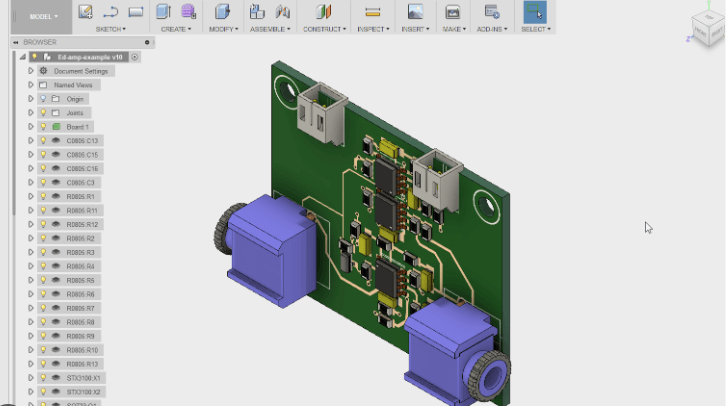
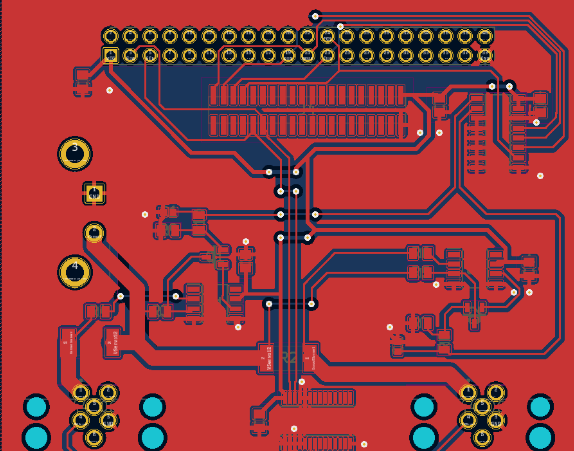
Pcb sample hs code
Understanding The Importance Of PCB Sample HS Code In International Trade
In the realm of international trade, the classification of goods is a critical aspect that ensures smooth and efficient transactions across borders. One such classification system is the Harmonized System (HS) code, which is used globally to identify products in international commerce. For businesses dealing with printed circuit boards (PCBs), understanding the significance of the PCB sample HS code is paramount. This code not only facilitates the seamless movement of goods but also ensures compliance with international trade regulations.
The HS code is a standardized numerical method of classifying traded products, developed and maintained by the World Customs Organization (WCO).
It is used by customs authorities around the world to identify products when assessing duties and taxes, and for gathering trade statistics. The HS code for PCB samples is a specific subset within this broader system, and it plays a crucial role in the import and export of these electronic components.
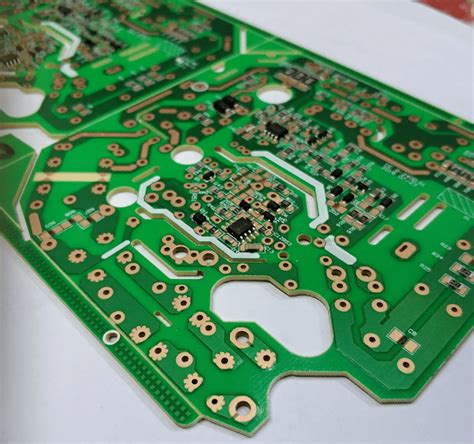
PCBs are the backbone of modern electronic devices, serving as the foundation upon which electronic components are mounted.
Given their ubiquitous presence in a wide range of products, from consumer electronics to industrial machinery, the accurate classification of PCBs under the HS code system is essential. The PCB sample HS code typically falls under Chapter 85 of the HS nomenclature, which covers electrical machinery and equipment and parts thereof. More specifically, PCBs are often classified under heading 8534, which pertains to printed circuits.
The importance of correctly identifying the PCB sample HS code cannot be overstated.
Firstly, it ensures that the correct duties and taxes are applied, thereby preventing any potential legal issues or financial penalties. Misclassification can lead to significant delays in customs clearance, which can disrupt supply chains and result in increased costs for businesses. Moreover, accurate classification under the HS code system aids in the collection of trade data, which is vital for economic analysis and policy-making.
Furthermore, the PCB sample HS code is instrumental in ensuring compliance with various international trade agreements and regulations.
Many countries have specific requirements for the import and export of electronic components, including PCBs. By using the correct HS code, businesses can ensure that they meet these regulatory requirements, thereby avoiding potential trade barriers and facilitating smoother transactions.
In addition to regulatory compliance, the PCB sample HS code also plays a role in the protection of intellectual property rights.
Counterfeit electronic components are a significant concern in the global market, and accurate classification helps customs authorities identify and intercept counterfeit goods. This not only protects the interests of legitimate businesses but also ensures the safety and reliability of electronic products in the market.
Moreover, the use of the correct HS code for PCB samples can enhance the efficiency of logistics and supply chain management.
By providing a standardized method of identifying products, the HS code system enables better tracking and management of shipments. This can lead to improved inventory control, reduced lead times, and ultimately, greater customer satisfaction.
In conclusion, the PCB sample HS code is a vital element in the international trade of printed circuit boards. It ensures the correct application of duties and taxes, facilitates compliance with trade regulations, protects intellectual property rights, and enhances supply chain efficiency. For businesses involved in the import and export of PCBs, a thorough understanding of the HS code system is essential to navigate the complexities of international trade successfully.

How To Classify Your PCB Samples Correctly Using HS Codes
Classifying printed circuit board (PCB) samples correctly using Harmonized System (HS) codes is a crucial step in international trade. The HS code system, developed by the World Customs Organization (WCO), is a standardized numerical method of classifying traded products.
This system is used by customs authorities around the world to identify products for the application of tariffs, taxes, and regulations. Therefore, understanding how to classify your PCB samples accurately is essential for compliance and to avoid potential delays or penalties.
To begin with, it is important to understand what HS codes are and how they are structured.
HS codes are composed of six digits, which are universally recognized. The first two digits represent the chapter, the next two digits represent the heading, and the final two digits represent the subheading. Some countries may extend these codes further to eight or ten digits for more specific classification. For PCB samples, the relevant chapter is typically Chapter 85, which covers electrical machinery and equipment and parts thereof.
Within Chapter 85, PCBs generally fall under heading 8534, which pertains to printed circuits.
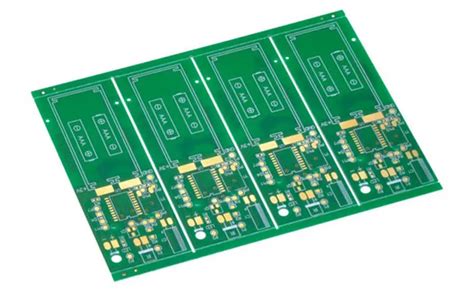
The subheading 8534.00 specifically refers to printed circuits, which are defined as circuits obtained by forming a conductive pattern on a base, usually of insulating material, by various methods such as printing, etching, or deposition. It is important to note that this subheading does not cover assembled electronic circuits, which fall under different headings.
When classifying your PCB samples, it is essential to consider the specific characteristics of the product.
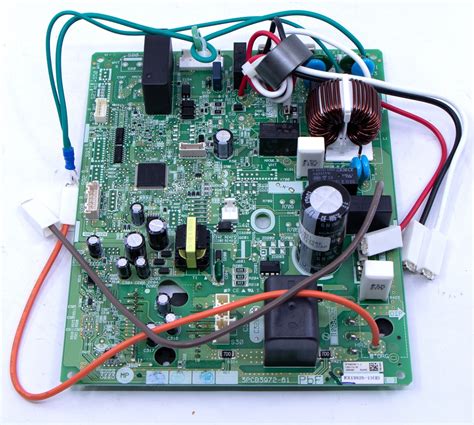
For instance, if the PCB is populated with electronic components, it may no longer be classified under heading 8534 but rather under headings that pertain to assembled electronic circuits or other electronic apparatus. Additionally, the intended use of the PCB can influence its classification. For example, PCBs designed for specific applications such as telecommunications or automotive electronics may fall under different subheadings within Chapter 85.
To ensure accurate classification, it is advisable to consult the Explanatory Notes to the Harmonized System, which provide detailed descriptions and guidelines for each heading and subheading.
These notes can help clarify any ambiguities and ensure that your PCB samples are classified correctly. Furthermore, it is beneficial to seek guidance from customs authorities or trade experts who can provide insights and assistance in navigating the complexities of HS code classification.
In addition to understanding the HS code structure and consulting relevant resources, maintaining accurate and detailed documentation is crucial.
This includes providing a clear description of the PCB sample, its composition, and its intended use. Proper documentation not only facilitates the classification process but also ensures compliance with customs regulations and smoothens the clearance process.
Moreover, it is important to stay updated with any changes or amendments to the HS code system.
The WCO periodically reviews and updates the HS codes to reflect technological advancements and changes in trade patterns. Staying informed about these updates can help you avoid misclassification and ensure that your PCB samples are always classified correctly.
In conclusion, classifying your PCB samples correctly using HS codes is a vital aspect of international trade. By understanding the structure of HS codes, consulting relevant resources, maintaining accurate documentation, and staying updated with changes, you can ensure compliance with customs regulations and facilitate the smooth clearance of your PCB samples. Accurate classification not only helps in avoiding delays and penalties but also contributes to the efficient and effective management of your international trade operations.
Common Mistakes To Avoid When Assigning HS Codes To PCB Samples
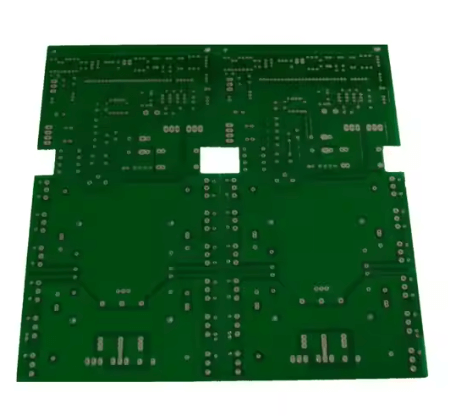
Assigning Harmonized System (HS) codes to printed circuit board (PCB) samples is a critical task in international trade, as it ensures compliance with customs regulations and facilitates smooth cross-border transactions. However, this process is fraught with potential pitfalls that can lead to delays, fines, and other complications.
One common mistake is the misclassification of PCB samples due to a lack of understanding of the specific HS codes applicable to electronic components.
The HS code system is intricate, with numerous subcategories that can easily confuse even experienced professionals. Therefore, it is essential to thoroughly research and verify the correct code before proceeding.
Another frequent error is the assumption that all PCBs fall under a single, generic HS code.
In reality, the classification can vary significantly based on the PCB’s design, functionality, and the components it incorporates. For instance, a PCB designed for a simple consumer electronic device may have a different HS code than one intended for a complex industrial machine. This distinction is crucial because incorrect classification can result in improper duty assessments and potential legal issues. To avoid this, it is advisable to consult the latest version of the HS code directory and, if necessary, seek expert advice.
In addition to misclassification, another common mistake is neglecting to update HS codes in response to changes in international trade regulations.
The HS code system is periodically revised to reflect technological advancements and shifts in global trade patterns. Failing to stay current with these updates can lead to the use of outdated codes, which may no longer be valid. This oversight can cause significant delays at customs checkpoints and may even result in the rejection of the shipment. To mitigate this risk, companies should establish a routine for reviewing and updating their HS code assignments.
Furthermore, inaccuracies in documentation can also pose significant challenges.
Incomplete or incorrect information on shipping documents, such as invoices and packing lists, can lead to discrepancies that complicate the customs clearance process. It is imperative to ensure that all documentation is meticulously prepared and accurately reflects the assigned HS codes. This includes double-checking all entries for consistency and correctness before submission.
Another aspect that often goes overlooked is the importance of understanding the specific requirements of the destination country.
Different countries may have unique regulations and interpretations of HS codes, which can affect the classification and treatment of PCB samples. Ignoring these nuances can result in unexpected complications, such as additional inspections or reclassification by local customs authorities. To prevent such issues, it is beneficial to conduct thorough research on the import regulations of the destination country and, if possible, engage with local customs experts.
Lastly, it is crucial to recognize the value of training and continuous education for personnel involved in the classification process.
Given the complexity and ever-evolving nature of the HS code system, ongoing training can help ensure that staff remain knowledgeable and proficient in accurately assigning codes. This investment in education can pay significant dividends by reducing errors and enhancing the efficiency of the customs clearance process.
In conclusion, while assigning HS codes to PCB samples may seem straightforward, it is a task that requires careful attention to detail and a thorough understanding of the relevant regulations. By avoiding common mistakes such as misclassification, neglecting updates, inaccuracies in documentation, overlooking destination-specific requirements, and insufficient training, companies can streamline their international trade operations and avoid costly disruptions.
The Role Of HS Codes In Streamlining PCB Sample Import And Export Processes
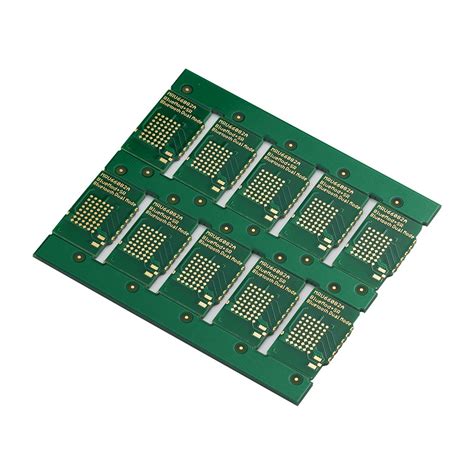
In the intricate world of international trade, the Harmonized System (HS) code plays a pivotal role in streamlining the import and export processes of various goods, including printed circuit board (PCB) samples. The HS code, an internationally standardized system of names and numbers, is used to classify traded products. This classification is crucial for ensuring that goods are accurately identified, which in turn facilitates the smooth movement of products across borders. For PCB samples, the HS code not only aids in proper documentation but also helps in determining applicable tariffs, taxes, and regulations.
The significance of HS codes in the import and export of PCB samples cannot be overstated.
These codes provide a universal language for traders, customs authorities, and other stakeholders involved in international trade. By assigning a specific HS code to PCB samples, it becomes easier to communicate product details without ambiguity. This clarity is essential for avoiding delays and misunderstandings that could arise from misclassification. For instance, the HS code for PCB samples typically falls under the broader category of electronic circuits, which helps customs officials quickly identify the nature of the product and apply the relevant rules and regulations.
Moreover, the use of HS codes in the trade of PCB samples ensures compliance with international trade agreements and standards.
Many countries have specific regulations regarding the import and export of electronic components, including PCBs. By using the correct HS code, exporters and importers can ensure that they are adhering to these regulations, thereby avoiding potential legal issues and penalties. This compliance is particularly important in the electronics industry, where stringent standards are often in place to ensure product safety and quality.
In addition to regulatory compliance, HS codes also play a crucial role in determining the tariffs and taxes applicable to PCB samples.
Different countries impose varying levels of duties on imported goods, and the HS code helps in accurately calculating these charges. For businesses, understanding the tariff implications of the HS code assigned to their PCB samples is vital for cost management and pricing strategies. By accurately classifying their products, companies can avoid unexpected costs and ensure that their pricing remains competitive in the global market.
Furthermore, the use of HS codes facilitates efficient customs clearance processes.
When PCB samples are shipped internationally, they must pass through customs checkpoints where they are inspected and documented. The HS code provides customs officials with a quick reference to the product’s classification, which speeds up the inspection process. This efficiency is particularly beneficial for businesses that rely on timely delivery of PCB samples for product development and testing. Delays in customs clearance can disrupt production schedules and lead to increased costs, making the accurate use of HS codes a critical component of supply chain management.
In conclusion, the role of HS codes in streamlining the import and export processes of PCB samples is multifaceted and indispensable.
These codes provide a standardized method for classifying products, ensuring clear communication, regulatory compliance, accurate tariff calculation, and efficient customs clearance. For businesses involved in the international trade of PCB samples, understanding and utilizing the correct HS codes is essential for maintaining smooth operations and achieving success in the global market. As international trade continues to evolve, the importance of HS codes in facilitating seamless transactions will only grow, underscoring their enduring relevance in the world of commerce.