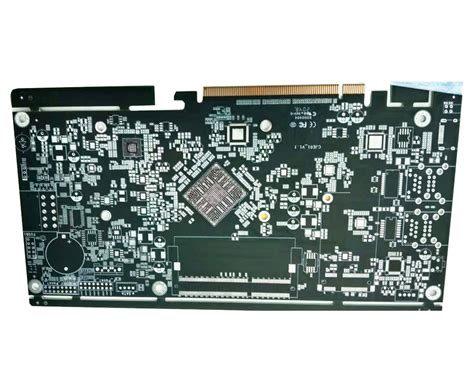
PCB Sheet Metal: Design, Manufacturing, and Applications
1. Introduction
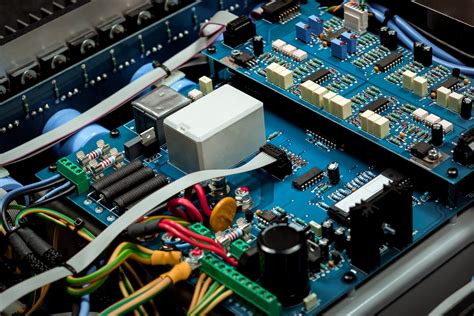
Printed Circuit Boards (PCBs) and sheet metal fabrication are two critical components in modern electronics and mechanical engineering. While PCBs serve as the foundation for electronic circuits, sheet metal provides structural support, shielding, and thermal management. Combining these two technologies—referred to as PCB sheet metal—enables the creation of robust, high-performance electronic assemblies used in industries such as aerospace, automotive, medical devices, and consumer electronics.
This article explores the design considerations, manufacturing processes, and applications of PCB sheet metal, highlighting key challenges and best practices.
2. PCB Sheet Metal: Definition and Importance
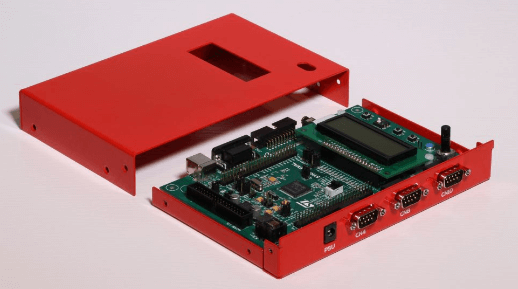
PCB sheet metal refers to the integration of PCBs with metal enclosures, brackets, or chassis. This combination ensures:
- Mechanical Stability: Protects delicate electronic components from physical stress.
- Electromagnetic Shielding (EMI/RFI): Prevents interference from external signals.
- Thermal Management: Dissipates heat generated by high-power components.
- Environmental Protection: Shields PCBs from moisture, dust, and corrosive elements.
Common metals used in PCB sheet metal fabrication include:
- Aluminum: Lightweight, corrosion-resistant, and excellent for heat dissipation.
- Steel (Stainless or Carbon): High strength and durability.
- Copper: Superior electrical and thermal conductivity (often used in shielding).
3. Design Considerations for PCB Sheet Metal
Designing a PCB sheet metal assembly requires careful planning to ensure functionality, manufacturability, and cost-efficiency. Key factors include:
3.1 Mechanical Integration
- Mounting Holes: PCB must align precisely with sheet metal screw holes or standoffs.
- Clearance & Tolerances: Account for thermal expansion and vibration.
- Bend Radii: Avoid sharp bends in sheet metal that could stress PCB components.
3.2 Electrical Considerations
- Grounding: Proper grounding between PCB and metal chassis prevents noise.
- Shielding: Metal enclosures must form a Faraday cage to block EMI.
- Insulation: Prevent short circuits by using insulating washers or coatings.
3.3 Thermal Management
- Heat Sinks: Metal enclosures can act as passive heat sinks.
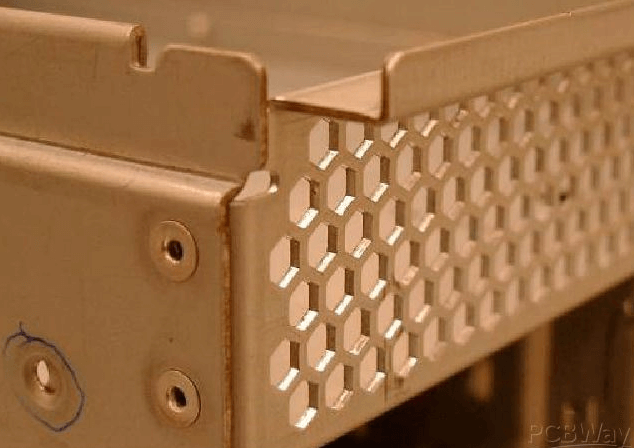
- Ventilation: Strategically placed vents or fans prevent overheating.
- Thermal Pads/Adhesives: Improve heat transfer between PCB and metal.
3.4 Manufacturing Constraints
- Material Thickness: Thicker metals provide strength but increase weight.
- Fabrication Techniques: Laser cutting, CNC punching, bending, and welding must align with PCB assembly.
- Surface Finishes: Anodizing, powder coating, or plating improves durability.
4. Manufacturing Processes for PCB Sheet Metal
The production of PCB sheet metal assemblies involves multiple steps:
4.1 Sheet Metal Fabrication
- Laser Cutting/CNC Punching: Precise cutting of metal sheets.
- Bending & Forming: Using press brakes to create 3D enclosures.
- Welding/Riveting: Joining metal parts securely.
- Surface Treatment: Coating for corrosion resistance (e.g., powder coating).
4.2 PCB Assembly
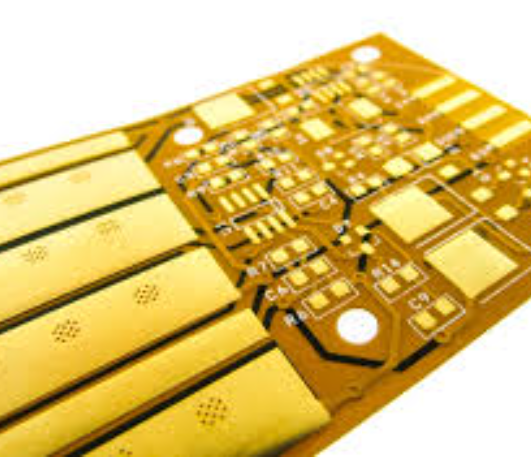
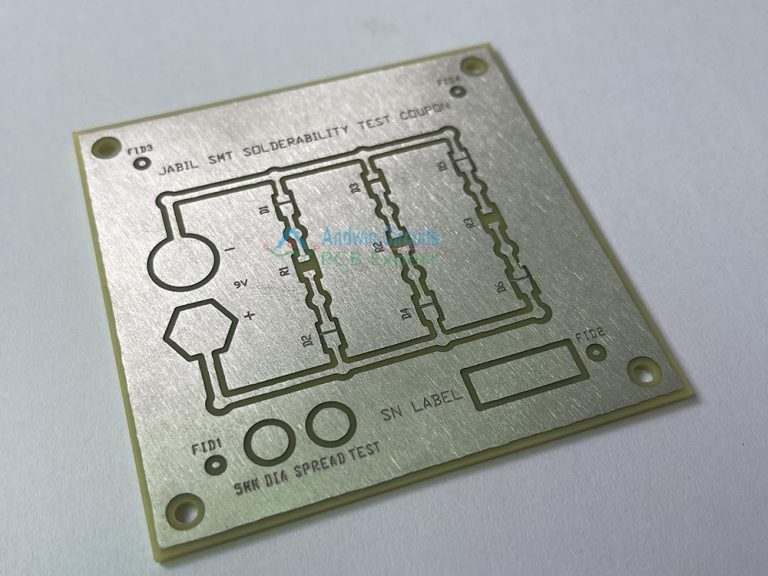
- PCB Fabrication: Etching, drilling, and layering conductive traces.
- Component Placement: SMT (Surface Mount Technology) or through-hole assembly.
- Soldering: Reflow or wave soldering for electrical connections.
4.3 Integration & Testing
- Mechanical Fit Check: Ensure PCB aligns with mounting points.
- Electrical Testing: Verify grounding, shielding, and signal integrity.
- Environmental Testing: Assess resistance to vibration, humidity, and temperature extremes.
5. Applications of PCB Sheet Metal
PCB sheet metal assemblies are widely used in industries requiring reliability and durability:
5.1 Aerospace & Defense
- Avionics systems require EMI shielding and vibration resistance.
- Military-grade electronics use ruggedized metal enclosures.
5.2 Automotive Electronics
- Engine control units (ECUs) need thermal management.
- Infotainment systems use shielded metal housings.
5.3 Medical Devices
- MRI machines and surgical tools require EMI shielding.
- Portable medical devices use lightweight aluminum enclosures.
5.4 Industrial Automation
- PLCs (Programmable Logic Controllers) rely on robust metal-PCB assemblies.
- Robotics use sheet metal for structural support.
5.5 Consumer Electronics
- Smartphones and laptops use thin metal frames for EMI protection.
- High-power gaming PCs utilize heat sinks integrated with metal chassis.
6. Challenges and Solutions
6.1 Thermal Expansion Mismatch
- Problem: Different expansion rates of PCB and metal can cause warping.
- Solution: Use flexible mounting points or thermal interface materials.
6.2 EMI Leakage
- Problem: Poor shielding leads to signal interference.
- Solution: Ensure continuous conductive contact between PCB ground and enclosure.
6.3 Cost Optimization
- Problem: High precision increases manufacturing costs.
- Solution: Use standardized designs and modular components.
7. Future Trends
- Additive Manufacturing: 3D-printed metal enclosures with integrated PCB mounts.
- Smart Enclosures: Embedded sensors in metal housings for real-time monitoring.
- Lightweight Materials: Advanced alloys and composites for aerospace applications.
8. Conclusion
PCB sheet metal plays a crucial role in modern electronics by combining electrical functionality with mechanical robustness. Proper design, material selection, and manufacturing processes ensure reliability in demanding environments. As technology advances, innovations in materials and fabrication techniques will further enhance the performance and applications of PCB sheet metal assemblies.
By understanding the principles discussed in this article, engineers and manufacturers can optimize their designs for better efficiency, durability, and cost-effectiveness.