PCB SMT Assembly Techniques for Streamlined Production
Key Takeaways
Understanding the pivotal aspects of PCB SMT assembly can significantly enhance production efficiency in electronics manufacturing. The adoption of Surface Mount Technology (SMT) brings forth numerous advantages. For one, it allows for a more compact design in PCB assemblies, facilitating increased circuit density without compromising performance. The use of automated machinery in the pcba process can lead to accelerated production rates, reducing the time to market for new products.
To streamline PCB assembly, it’s paramount to utilize the right tools and equipment. Key devices such as pick-and-place machines, stencil printers, and reflow ovens play a crucial role in optimizing workflows. Moreover, innovative techniques such as area array packaging and fine pitch components can further enhance efficiency by minimizing soldering errors and ensuring uniform part placement.
Implementing best practices in quality control remains essential. Regular inspections using automated optical inspection (AOI) systems help catch discrepancies early, reducing rework rates and ensuring reliable functionality. The table below outlines essential tools alongside their respective functions:
| Tool/Equipment | Function |
|---|---|
| Pick-and-Place Machine | Precisely places components on the PCB |
| Solder Paste Printer | Applies solder paste on required pads |
| Reflow Oven | Melts solder paste to bond components |
Furthermore, staying abreast of advanced technologies—such as the integration of artificial intelligence in production lines—can equip manufacturers with unprecedented insights into process optimization for their pcba projects. This ensures that stakeholders are not only meeting current demand but also anticipating market trends. Emphasizing these core elements will contribute significantly to achieving a robust and efficient assembly line while maintaining cost-effectiveness in PCB SMT assembly operations.
Introduction to PCB SMT Assembly
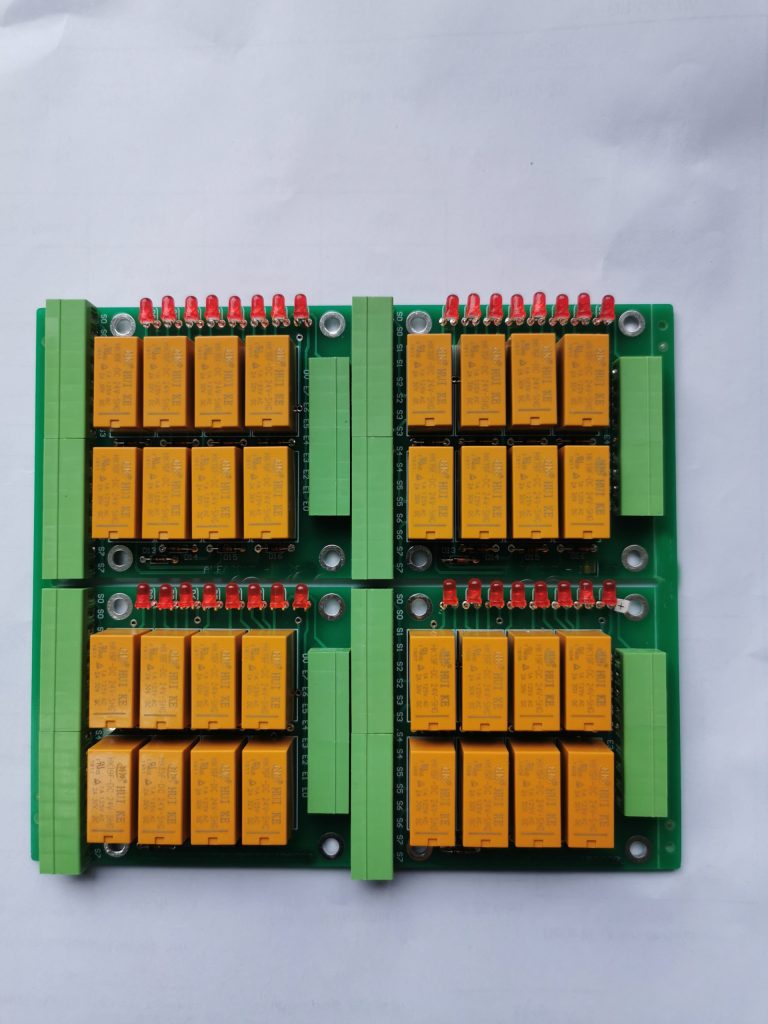
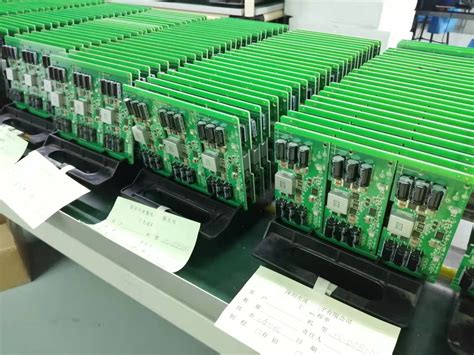
PCB SMT assembly represents a cutting-edge approach integral to modern electronics manufacturing. As the demand for smaller, more efficient devices continues to rise, Surface Mount Technology (SMT) emerges as a pivotal solution in pcb assembly. Unlike traditional methods, where components are inserted into pre-drilled holes on a circuit board, SMT allows components to be mounted directly onto the surface, significantly reducing space and enhancing connectivity. This advancement in technology not only optimizes the layout of circuits but also paves the way for high-density packaging. In today’s manufacturing landscape, employing SMT can yield substantial benefits, including decreased production times and lowered costs associated with both materials and labor.
Moreover, the precision and automation involved in pcb assembly and PCBA (Printed Circuit Board Assembly) processes ensure that high-quality standards are maintained throughout production. Utilizing state-of-the-art equipment such as solder paste printers and pick-and-place machines can further streamline operations, allowing for faster turnaround times while minimizing errors. As companies continue to adopt innovative techniques in their assembly workflows, the efficiency gained through SMT technology is undeniable.
In summary, embracing PCB SMT assembly equips manufacturers with the tools needed for optimal performance in an increasingly competitive environment. The focus on innovative methods during this phase of production lays a strong foundation for quality electronics that meet consumer demands effectively.
Key Benefits of SMT Technology
Surface Mount Technology (SMT) has revolutionized the PCB assembly process by providing significant advantages over traditional through-hole methods. One of the primary benefits of SMT is its ability to save space on the circuit board, allowing for more components to be densely packed into a smaller area. This increased density not only optimizes the PCB layout but also contributes to overall weight reduction, which is crucial for portable electronic devices. Additionally, this technology enhances production efficiency by enabling faster assembly speeds, leading to shorter manufacturing cycles.
Another key advantage lies in the improved electrical performance that SMT components offer. These components have shorter lead lengths that reduce signal distortion and make them ideal for high-frequency applications. Enhanced thermal performance is also a noteworthy benefit; SMT permits better heat distribution and management within compact spaces, promoting reliability and longevity of the final product.
Moreover, the utilization of automated assembly lines, which are often associated with SMT, can further streamline production processes. Automation minimizes human error while maximizing precision and reproducibility in component placement. This level of efficiency can reduce production costs significantly and ultimately result in higher profit margins for manufacturers.
Overall, the transition to SMT technology presents an opportunity for organizations engaged in pcb assembly to enhance their production capabilities while delivering high-quality electronic solutions that meet the demands of modern consumers. The adoption of this technology not only benefits manufacturers but also supports advancements in various applications ranging from consumer electronics to industrial machinery.
Essential Tools and Equipment for SMT Assembly
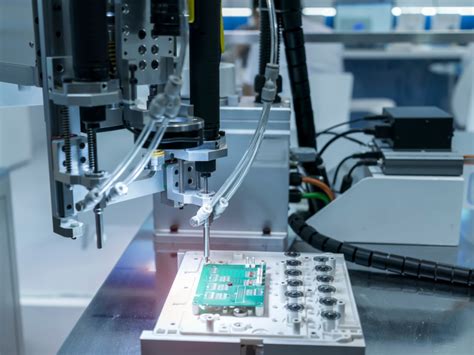
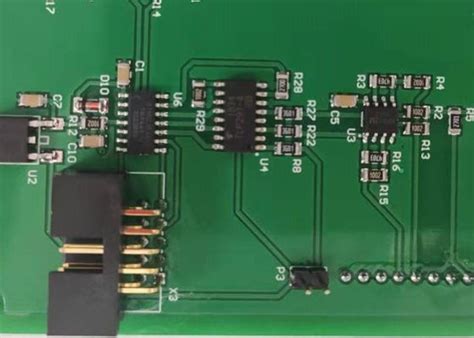
Effective PCB SMT assembly hinges on the utilization of the right tools and equipment. To achieve streamlined production, it is vital to understand and integrate various essential elements into the assembly process. One of the primary tools required in this high-precision environment is the pick-and-place machine. This device automates the placement of surface-mount components onto printed circuit boards, thereby enhancing efficiency and accuracy in PCBA.
In addition to pick-and-place machinery, a reliable reflow oven plays a crucial role in the soldering process. By applying heat uniformly, it creates strong connections between components and the PCB, ensuring durability in various applications. Furthermore, inspection equipment such as automated optical inspection (AOI) systems ensures that manufactured boards meet quality standards by detecting defects early in the production cycle.
Another critical tool is a screen printer, which allows for precise application of solder paste onto circuit boards prior to component placement. A well-calibrated printer ensures that solder paste is applied uniformly, reducing errors that could lead to rework or product failure.
Moreover, investing in quality handling equipment such as trays and fixtures is essential for maintaining efficiency during assembly processes. Proper handling prevents damage to delicate components and ensures safe movement through each stage of production.
"Choosing the right tools not only speeds up production but also guarantees higher quality outcomes for your PCBA projects."
Overall, integrating these essential tools into your SMT assembly line will significantly enhance productivity while maintaining rigorous quality standards necessary for modern electronics manufacturing.
Innovative Techniques for Improved Workflow
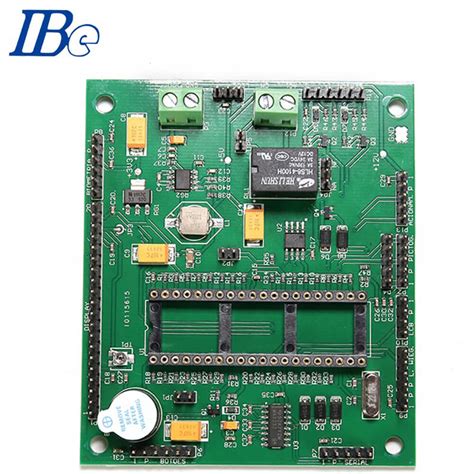
In the realm of PCB assembly, embracing innovative techniques can significantly enhance the workflow of the SMT assembly process. One pivotal method is the use of automated assembly systems, which leverage advanced robotics and precision placement technologies. These systems not only increase speed and accuracy but also reduce the potential for human error, thereby improving overall production quality. Additionally, implementing real-time data analytics helps monitor each stage of the PCBA process, allowing for immediate adjustments and optimizing resource allocation.
Another effective technique is to adopt a modular design approach in which circuit boards are designed with separate components that can be individually tested. This facilitates a more efficient troubleshooting procedure and enhances product reliability during production. Furthermore, incorporating continuous flow assembly rather than batch processing can greatly reduce lead times and inventory costs, leading to a leaner operation.
Moreover, utilizing advanced software solutions for design validation and simulation plays a crucial role in minimizing production errors before physical assembly begins. By ensuring that all components are verified virtually, companies can save time and money as well as decrease the likelihood of defects in the final product. These innovative techniques not only streamline the workflow but also contribute to achieving higher efficiency levels in PCB assembly, making it essential for manufacturers aiming to maintain a competitive edge in today’s fast-paced market.
Best Practices for Quality Control in SMT Assembly
Ensuring the highest standards of quality control in PCB SMT assembly is crucial for maintaining operational efficiency and product reliability. One of the primary best practices involves regularly calibrating equipment to guarantee precision in the placement and soldering of components. This step not only minimizes defects but also enhances overall throughput in the pcb assembly process. Furthermore, implementing a robust inspection system—such as automated optical inspection (AOI)—can significantly detect potential faults early in the production cycle, thus saving time and resources.
Equally important to quality control are comprehensive training programs for operators. Skilled and knowledgeable personnel are more likely to recognize and address inconsistencies or issues that may arise during assembly. By fostering an environment focused on continuous learning and improvement, teams can effectively reduce error rates within the pcba workflow.
Additionally, maintaining a clean and organized workspace is fundamental in preventing contamination of components, which can lead to malfunctions post-assembly. Lean manufacturing principles can be applied here, promoting efficiency through waste reduction while ensuring that all tools and materials are readily accessible.
Finally, meticulous documentation throughout the assembly process allows for tracking performance metrics over time. This data not only contributes to identifying recurring issues but also supports informed decision-making for future projects. By adhering to these best practices in quality control, manufacturers can elevate their SMT assembly processes, resulting in superior products that meet customer expectations and market demands effectively.
Advanced Technologies Revolutionizing SMT Production
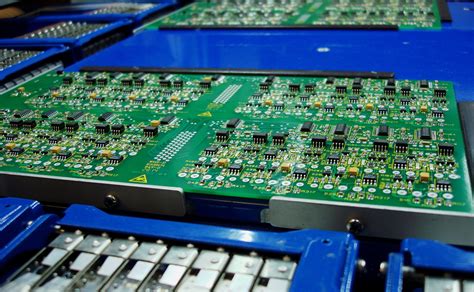
The landscape of pcb assembly is rapidly evolving, spurred by advancements in technology that enhance production capabilities and efficiency. One major innovation is the use of automated optical inspection (AOI) systems, which are vital for ensuring quality control in pcba processes. These systems utilize high-resolution cameras to detect defects on printed circuit boards, significantly reducing the likelihood of errors that can arise during assembly. Additionally, the integration of cloud computing allows manufacturers to analyze data in real-time, facilitating quick decision-making regarding assembly line operations.
Another pivotal technology reshaping SMT (Surface Mount Technology) production is the adoption of robotic placement machines. These machines increase precision and speed during the placement of components on PCBs, leading to improved accuracy and reduced production times. Alongside robotics, additive manufacturing is gaining traction in creating prototypes, enabling rapid iteration while decreasing material waste.
Furthermore, the implementation of Internet of Things (IoT) devices within the assembly line provides real-time monitoring and management capabilities. By connecting machinery and tools to a network, manufacturers can optimize workflow and predict maintenance needs proactively, all while gathering valuable insights into production efficiency.
Overall, embracing these pioneering technologies ensures that manufacturers not only enhance their operational efficiency but also maintain competitive edge in a constantly advancing market focused on quality and cost-effectiveness in the realm of pcba.
Cost-Effective Strategies for Optimizing PCB Assembly
Achieving cost-effectiveness in PCB assembly is crucial for manufacturers aiming to enhance productivity while maintaining quality. One effective approach is to implement design for manufacturability (DFM) principles early in the design stage, as this can significantly reduce production complexities and minimize waste. Additionally, utilizing pick and place machines with advanced software capabilities allows for faster setup times and improved accuracy during placement, ultimately lowering the overall cost of production. The integration of automated inspection systems can also help in maintaining high standards of quality without incurring substantial labor costs. By adopting modular or flexible assembly lines, manufacturers can adapt more quickly to varying production demands, optimizing resource allocation and reducing idle time. Another strategy involves leveraging real-time data analytics; analyzing production metrics can help identify bottlenecks and inefficiencies, leading to informed decisions that enhance the overall effectiveness of the PCBA process. Employing these strategies not only streamlines operations but also contributes to a more competitive edge in today’s fast-paced electronics market.
Future Trends in PCB SMT Assembly Techniques
The landscape of PCB SMT assembly is continually evolving, driven by advancements in technology and the demands of the market. One of the most significant trends is the integration of artificial intelligence (AI) and machine learning into the assembly process. These technologies enable predictive maintenance, reducing downtime and enhancing production efficiency. Additionally, smart manufacturing systems are emerging, allowing real-time monitoring and data analysis, which aids in optimizing workflows and improving overall pcba quality.
Another notable trend is the increasing adoption of automation in PCB assembly. Robotic systems are now capable of performing complex tasks traditionally handled by manual labor. This shift not only accelerates production but also minimizes human error, thereby enhancing consistency in quality. Furthermore, advancements in motion control technology have led to greater precision in component placement during SMT assembly, making it easier to handle smaller and more intricate components.
Sustainability also plays a critical role in shaping future trends. The industry is moving towards more environmentally friendly practices, including minimizing waste and utilizing eco-friendly materials for both pcb assembly processes and components. Companies are investing in energy-efficient machines and embracing practices that reduce their carbon footprint.
Lastly, we see an increase in customization options for clients who require unique solutions tailored to specific needs. This trend towards flexibility indicates that manufacturers are ready to adapt their processes to accommodate diverse product requirements while maintaining efficiency.
As these trends continue to unfold, staying abreast of innovations will be essential for manufacturers aiming to maintain a competitive edge within the dynamic realm of PCB SMT assembly.
Conclusion
In summary, leveraging pcb assembly techniques is crucial for ensuring a streamlined production process. The implementation of SMT (Surface Mount Technology) not only maximizes efficiency but also significantly reduces production costs. By focusing on the integration of essential tools and equipment, manufacturers can effectively enhance their pcba processes. Moreover, adopting innovative methods allows for improved workflow, ultimately resulting in superior product quality. Embracing the latest technologies further enables organizations to stay competitive in a rapidly evolving market. As the industry continues to advance, staying informed about emerging trends in PCB SMT assembly will be vital to maintaining optimal performance and achieving cost-effectiveness. Therefore, it is imperative for companies to continually invest in their assembly processes to remain at the forefront of technological advancements and operational excellence.
FAQs
What is PCB SMT assembly?
PCB SMT assembly refers to the process of mounting surface mount technology (SMT) components directly onto printed circuit boards (PCBs) to create electronic circuits. This method enables higher component density and faster assembly times compared to traditional through-hole techniques.
What are the advantages of using SMT in PCB assembly?
The advantages of using SMT in PCB assembly include reduced size and weight of the final product, increased reliability, faster production times, and lower manufacturing costs. Additionally, surface mount components often support automated placement, enhancing production efficiency.
What tools are essential for SMT assembly?
Key tools for effective SMT assembly include a pick-and-place machine for accurately placing components, a reflow oven for soldering connections, and inspection equipment such as X-ray machines or optical inspection systems to ensure quality and precision.
How can I improve my PCB assembly workflow?
To improve your PCB assembly workflow, consider implementing lean manufacturing principles, optimizing your component layout for accessibility during the assembly process, and regular training programs for your staff to ensure they are knowledgeable about the latest techniques and technologies.
What quality control practices are important for SMT assembly?
Implementing rigorous quality control practices is crucial in SMT assembly. This includes visual inspections, automated optical inspection (AOI), statistical process control (SPC), and using prototype testing to identify potential issues before mass production begins.