PCBA Board: The Backbone of Modern Electronics
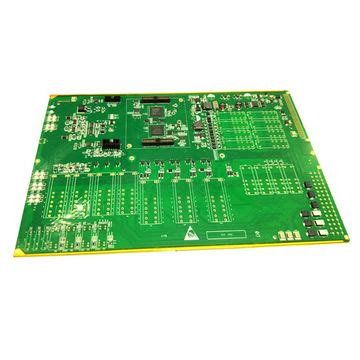
In the world of modern electronics, the Printed Circuit Board Assembly (PCBA) board is the backbone that holds everything together.
From smartphones to computers, from automobiles to medical equipment,
every electronic device we use today relies on a PCBA board to function. In this article,
we will explore the importance of PCBA boards, their construction, and their applications.
What is a PCBA Board?
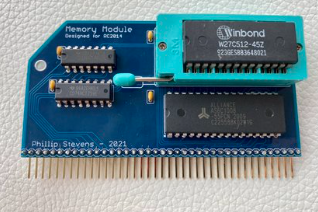
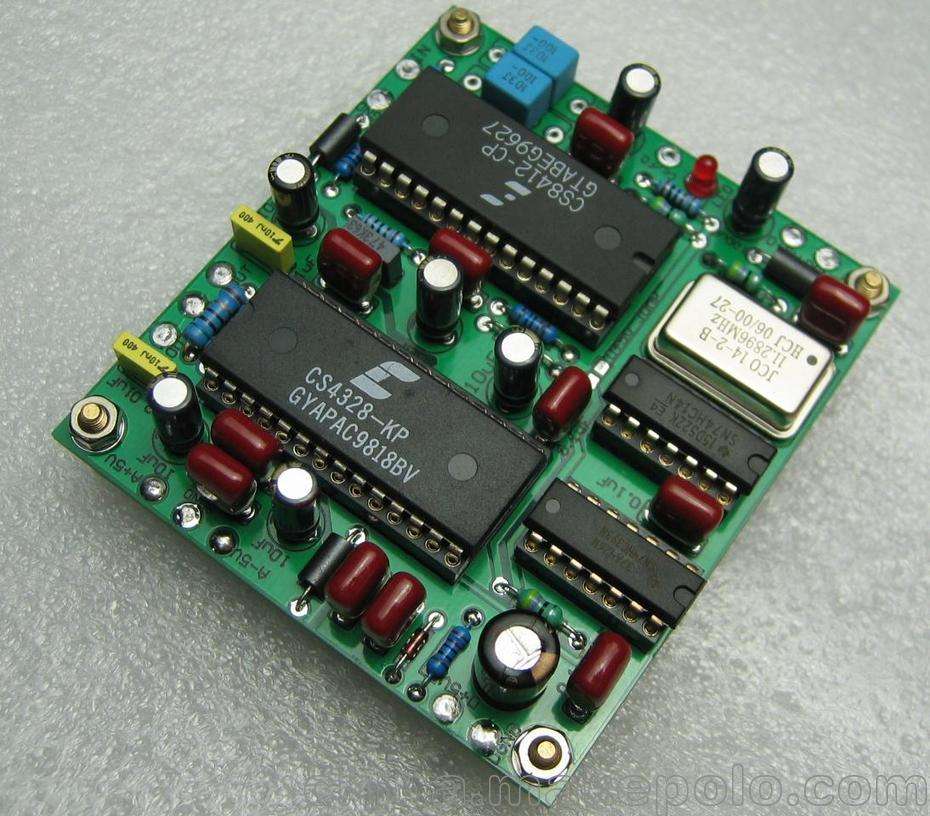
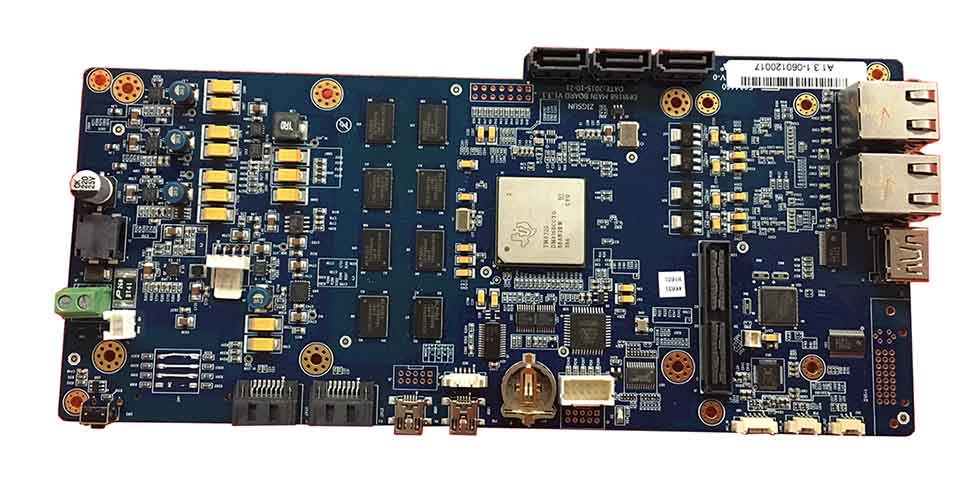
A PCBA board is a circuit board that contains electronic components such as resistors, capacitors, diodes, transistors,
and integrated circuits. These components are mounted on the board using surface mount technology (SMT) or through-hole technology (THT).
The board is then connected to other electronic devices using soldered connections or connectors.
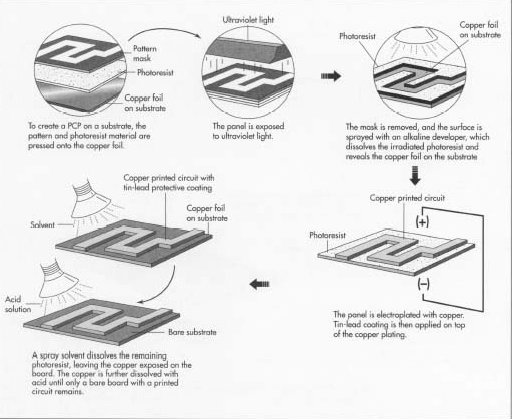
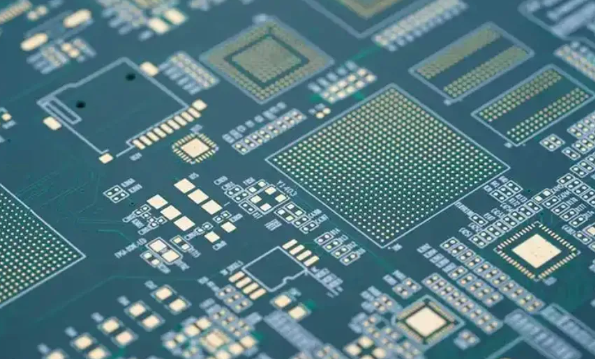
The construction of a PCBA board involves multiple layers of copper traces and insulating layers.
The copper traces provide the electrical connections between the components, while the insulating layers prevent short circuits.
The layers are bonded together using a process called lamination.
The final board is then coated with a layer of solder mask to protect the copper traces and provide insulation.
Applications of PCBA Boards
PCBA boards are used in a wide range of electronic devices, including:
1. Smartphones:
The PCBA board in a smartphone contains the processor, memory, sensors,
and other components that allow the device to function.
2. Computers:
The PCBA board in a computer contains the processor, memory, storage,
and other components that allow the device to function.
3. Automobiles:
The PCBA board in an automobile contains the electronic control units (ECUs) that control the engine,
transmission, and other systems.
4. Medical Equipment:
The PCBA board in medical equipment contains the sensors, processors,
and other components that allow the equipment to function.
5. Industrial Equipment:
The PCBA board in industrial equipment contains the sensors, controllers,
and other components that allow the equipment to function.
Advantages of PCBA Boards
PCBA boards offer several advantages over traditional wiring methods, including:
1. Reduced Size:
PCBA boards allow electronic devices to be made smaller and more compact.
2. Reduced Cost:
PCBA boards allow for mass production of electronic devices, reducing the cost of production.
3. Increased Reliability:
PCBA boards are more reliable than traditional wiring methods, as they are less prone to errors and short circuits.
4. Faster Assembly:
PCBA boards can be assembled quickly and efficiently using automated assembly equipment.
5. Improved Performance:
PCBA boards allow for improved performance of electronic devices,
as they provide more accurate and precise connections between components.
Conclusion
PCBA boards are the backbone of modern electronics,
providing the electrical connections and components necessary for electronic devices to function.
From smartphones to medical equipment, PCBA boards are used in a wide range of applications.
They offer several advantages over traditional wiring methods, including reduced size, cost, and increased reliability.
As technology continues to advance, PCBA boards will continue to play a vital role in the development of new electronic devices.