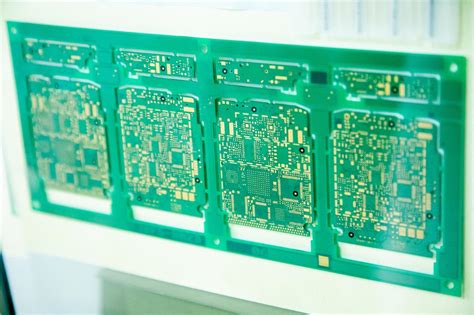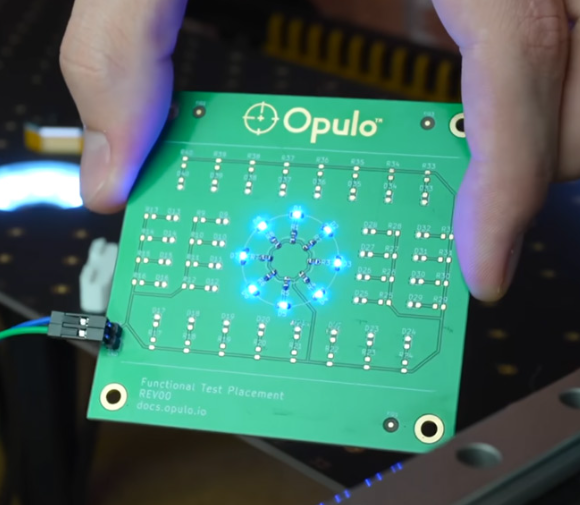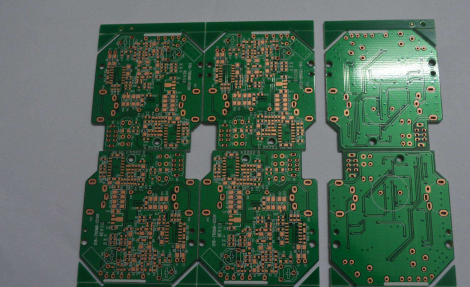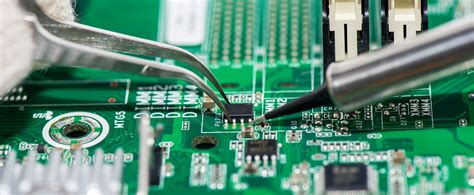
Pcba printed circuit board assembly
Innovations In PCBA Technology
Printed Circuit Board Assembly (PCBA) is a critical process in the electronics manufacturing industry, serving as the backbone for a wide array of electronic devices. As technology continues to advance at a rapid pace, innovations in PCBA technology are essential to meet the growing demands for more efficient, compact, and reliable electronic products. These innovations not only enhance the performance of electronic devices but also contribute to the sustainability and cost-effectiveness of manufacturing processes.
One of the most significant innovations in PCBA technology is the development of surface mount technology (SMT).
SMT has revolutionized the way components are mounted onto PCBs, allowing for smaller and more densely packed boards. This technology replaces the traditional through-hole mounting method, which required drilling holes into the board for component leads. By eliminating the need for these holes, SMT enables the placement of components on both sides of the board, significantly increasing the board’s functionality and reducing its size. Consequently, SMT has become the standard in modern PCBA, facilitating the production of compact and lightweight electronic devices.
In addition to SMT, advancements in materials used for PCBA have also played a crucial role in enhancing the performance and reliability of electronic devices.
The introduction of high-performance substrates, such as polyimide and ceramic-based materials, has improved the thermal and mechanical properties of PCBs. These materials offer superior heat resistance and dimensional stability, which are essential for high-frequency and high-power applications. Furthermore, the use of lead-free soldering materials, driven by environmental regulations, has led to the development of more sustainable and eco-friendly PCBA processes.
Another noteworthy innovation in PCBA technology is the integration of automated assembly processes.
Automation has transformed the PCBA industry by increasing production efficiency and reducing human error. Automated pick-and-place machines, for instance, can accurately position thousands of components per hour, ensuring consistent quality and precision. Moreover, automated optical inspection (AOI) systems have become indispensable in detecting defects and ensuring the integrity of assembled boards. These systems use advanced imaging technologies to identify issues such as misaligned components, soldering defects, and other anomalies, thereby enhancing the overall quality control process.
Furthermore, the rise of the Internet of Things (IoT) and the demand for smart devices have spurred innovations in PCBA design and functionality.
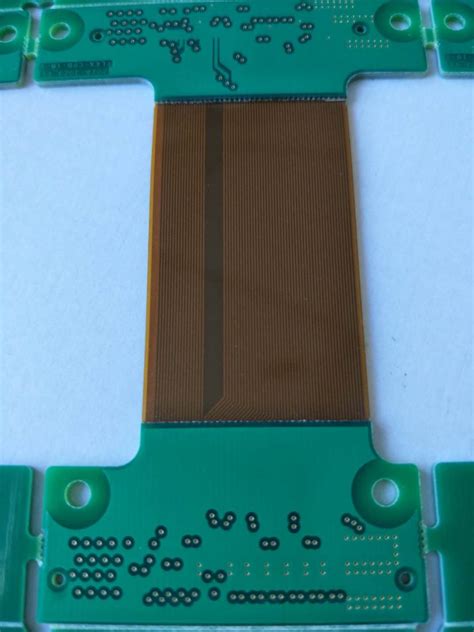
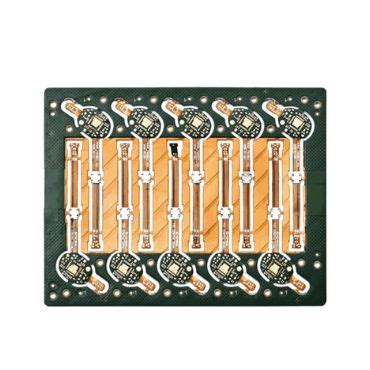
Flexible PCBs, for example, have gained popularity due to their ability to bend and conform to various shapes, making them ideal for wearable technology and other compact applications. Additionally, the integration of advanced sensors and wireless communication modules into PCBs has enabled the development of more intelligent and interconnected devices, paving the way for a new era of smart electronics.
In conclusion, innovations in PCBA technology are pivotal in driving the evolution of the electronics industry. From the adoption of surface mount technology and advanced materials to the implementation of automated assembly processes and the development of flexible PCBs, these advancements have significantly enhanced the capabilities and efficiency of electronic devices. As the demand for more sophisticated and sustainable electronics continues to grow, ongoing research and development in PCBA technology will undoubtedly play a crucial role in shaping the future of electronic manufacturing. Through these innovations, the industry is poised to meet the challenges of tomorrow, delivering cutting-edge solutions that cater to the ever-evolving needs of consumers and businesses alike.
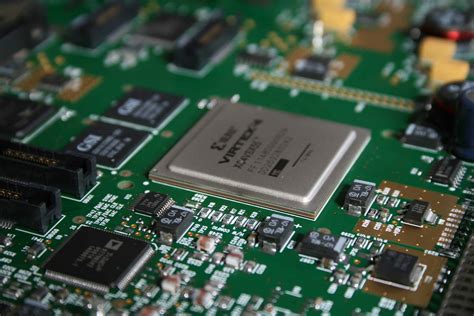
Best Practices For PCBA Design
Printed Circuit Board Assembly (PCBA) is a critical process in the manufacturing of electronic devices, where various electronic components are mounted onto a printed circuit board (PCB) to create a functional electronic assembly. To ensure the reliability and efficiency of the final product, adhering to best practices in PCBA design is essential. These practices not only enhance the performance of the electronic device but also streamline the manufacturing process, reduce costs, and minimize the risk of errors.
To begin with, one of the fundamental best practices in PCBA design is to prioritize a clear and comprehensive schematic design.
A well-documented schematic serves as the blueprint for the entire assembly process, providing detailed information about the connections and interactions between components. This clarity is crucial for both the design and manufacturing teams, as it minimizes the likelihood of misinterpretations and errors during assembly. Furthermore, using standardized symbols and notations in the schematic can facilitate communication and collaboration among different stakeholders involved in the project.
In addition to a robust schematic, component selection plays a pivotal role in PCBA design.
Selecting components that are readily available and compatible with the intended application can significantly reduce lead times and costs. It is advisable to work closely with suppliers to ensure that the chosen components meet the necessary specifications and are not subject to obsolescence. Moreover, considering the thermal and electrical characteristics of components during selection can prevent potential issues related to overheating or signal interference, thereby enhancing the overall reliability of the assembly.
Another critical aspect of PCBA design is the layout of the PCB itself.
An efficient layout not only optimizes the use of space but also improves the electrical performance of the assembly. To achieve this, designers should focus on minimizing the length of signal paths, which can reduce signal delay and potential interference. Additionally, paying attention to the placement of components can aid in effective heat dissipation, which is vital for maintaining the longevity and performance of the assembly. Utilizing design software with simulation capabilities can provide valuable insights into the thermal and electrical behavior of the PCB, allowing for informed design decisions.
Transitioning from design to manufacturing, it is essential to consider the assembly process during the design phase.
Designing for manufacturability (DFM) involves creating a PCB layout that is easy to assemble and test, thereby reducing production time and costs. This includes ensuring adequate spacing between components to accommodate automated assembly equipment and designing test points for easy access during quality control inspections. By incorporating DFM principles, designers can facilitate a smoother transition from prototype to mass production.
Furthermore, collaboration and communication among the design, engineering, and manufacturing teams are paramount throughout the PCBA process.
Regular meetings and reviews can help identify potential issues early in the design phase, allowing for timely adjustments and preventing costly rework. Utilizing collaborative design tools and platforms can enhance information sharing and ensure that all stakeholders are aligned with the project goals and timelines.
In conclusion, adhering to best practices in PCBA design is essential for creating reliable and efficient electronic assemblies. By focusing on clear schematic documentation, careful component selection, efficient PCB layout, and designing for manufacturability, designers can optimize the performance and cost-effectiveness of their products. Moreover, fostering collaboration among all involved teams can further enhance the success of the PCBA process, ultimately leading to high-quality electronic devices that meet the demands of today’s technology-driven world.
Common Challenges In PCBA Manufacturing
Printed Circuit Board Assembly (PCBA) is a critical process in the electronics manufacturing industry, involving the mounting of electronic components onto a printed circuit board (PCB). Despite its significance, PCBA manufacturing is fraught with challenges that can impact the quality, efficiency, and cost-effectiveness of the final product. Understanding these challenges is essential for manufacturers aiming to optimize their processes and deliver high-quality electronic assemblies.
One of the foremost challenges in PCBA manufacturing is the complexity of modern electronic designs.
As consumer demand for more compact and multifunctional devices increases, PCBs have become more intricate, with higher component densities and multilayer configurations. This complexity necessitates precise assembly techniques and advanced equipment, which can be costly and require specialized expertise. Consequently, manufacturers must invest in state-of-the-art technology and skilled personnel to meet these demands, which can strain resources, particularly for smaller companies.
In addition to design complexity, component miniaturization presents another significant challenge.
The trend towards smaller, more efficient components means that manufacturers must handle and place tiny parts with extreme precision. This requires sophisticated pick-and-place machines and inspection systems to ensure accuracy and prevent defects. However, even with advanced machinery, the risk of misalignment or damage during assembly remains, necessitating rigorous quality control measures. Implementing such measures can be resource-intensive, but it is crucial for maintaining product reliability and customer satisfaction.
Moreover, the rapid pace of technological advancement in the electronics industry poses a continuous challenge for PCBA manufacturers.
As new technologies emerge, manufacturers must adapt quickly to incorporate these innovations into their processes. This often involves updating equipment, retraining staff, and revising production methodologies, all of which can be disruptive and costly. Staying abreast of technological trends and maintaining flexibility in operations are essential strategies for overcoming this challenge.
Another critical issue in PCBA manufacturing is supply chain management.
The global nature of the electronics industry means that manufacturers often source components from various suppliers worldwide. This can lead to challenges related to component availability, lead times, and quality consistency. Supply chain disruptions, such as those caused by geopolitical tensions or natural disasters, can further exacerbate these issues, leading to production delays and increased costs. To mitigate these risks, manufacturers must establish robust supply chain strategies, including diversifying suppliers and maintaining adequate inventory levels.
Furthermore, ensuring compliance with industry standards and regulations is a persistent challenge in PCBA manufacturing.
Regulations such as the Restriction of Hazardous Substances (RoHS) and the Waste Electrical and Electronic Equipment (WEEE) directives impose strict requirements on the materials and processes used in electronic assembly. Non-compliance can result in significant penalties and damage to a company’s reputation. Therefore, manufacturers must implement comprehensive compliance programs and stay informed about regulatory changes to avoid potential pitfalls.
In conclusion, PCBA manufacturing is a complex and dynamic process that presents numerous challenges. From managing design complexity and component miniaturization to navigating technological advancements and supply chain issues, manufacturers must employ strategic approaches to overcome these obstacles. By investing in advanced technology, maintaining flexibility, and ensuring regulatory compliance, companies can enhance their manufacturing processes and deliver high-quality electronic products to the market.

The Future Of PCBA In The Electronics Industry
The future of Printed Circuit Board Assembly (PCBA) in the electronics industry is poised for significant transformation, driven by technological advancements and evolving market demands. As the backbone of electronic devices, PCBA plays a crucial role in the functionality and reliability of modern electronics. With the rapid pace of innovation, the industry is witnessing a shift towards more sophisticated and efficient assembly processes, which are essential to meet the growing complexity of electronic products.
One of the key trends shaping the future of PCBA is the increasing demand for miniaturization.
As consumer electronics become more compact and portable, the need for smaller and more densely packed circuit boards is paramount. This trend is pushing manufacturers to adopt advanced techniques such as surface mount technology (SMT) and high-density interconnect (HDI) to accommodate more components in a limited space. Consequently, the industry is investing heavily in research and development to enhance these technologies, ensuring that they can support the next generation of electronic devices.
Moreover, the rise of the Internet of Things (IoT) is significantly impacting the PCBA landscape.
IoT devices require highly reliable and efficient circuit boards to function seamlessly in various environments. This demand is driving the development of PCBA processes that can produce boards with enhanced durability and performance. Additionally, the integration of wireless communication capabilities into PCBA is becoming increasingly important, as IoT devices rely on connectivity to operate effectively. As a result, manufacturers are focusing on incorporating advanced materials and innovative design techniques to meet these requirements.
In addition to technological advancements, the future of PCBA is also being shaped by the growing emphasis on sustainability.
The electronics industry is under increasing pressure to reduce its environmental footprint, and PCBA is no exception. Manufacturers are exploring eco-friendly materials and processes to minimize waste and energy consumption during assembly. For instance, the adoption of lead-free soldering and the use of recyclable materials are becoming more prevalent. Furthermore, the implementation of circular economy principles, such as designing for disassembly and recycling, is gaining traction, ensuring that PCBA contributes to a more sustainable electronics industry.
Another significant factor influencing the future of PCBA is the advent of Industry 4.0.
The integration of digital technologies, such as artificial intelligence (AI), machine learning, and the Internet of Things (IoT), into manufacturing processes is revolutionizing PCBA. These technologies enable real-time monitoring and optimization of assembly lines, resulting in improved efficiency and reduced production costs. Additionally, the use of AI-driven analytics allows manufacturers to predict and address potential issues before they arise, enhancing the overall quality and reliability of the final product.
Furthermore, the globalization of the electronics industry is leading to increased collaboration and standardization in PCBA.
As companies seek to streamline their supply chains and reduce costs, there is a growing emphasis on establishing common standards and practices across the industry. This trend is facilitating greater interoperability and compatibility between different components and systems, ultimately benefiting consumers with more reliable and versatile electronic products.
In conclusion, the future of PCBA in the electronics industry is characterized by a convergence of technological innovation, sustainability efforts, and global collaboration. As manufacturers continue to push the boundaries of what is possible, PCBA will remain a critical component in the development of cutting-edge electronic devices. By embracing these changes, the industry is well-positioned to meet the challenges and opportunities of the future, ensuring that PCBA continues to play a vital role in the evolution of electronics.