PCBA Prototyping: A Comprehensive Guide
Introduction
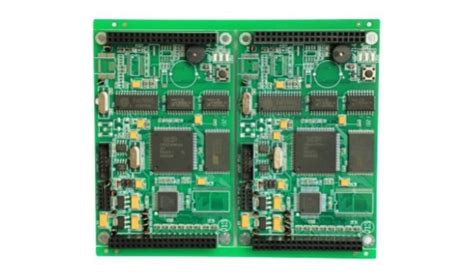
Printed Circuit Board Assembly (PCBA) prototyping is a critical phase in the development of electronic products. It involves the creation of a functional prototype of a printed circuit board (PCB) that integrates all the necessary components to validate the design, functionality, and performance of the electronic device. PCBA prototyping is an essential step in the product development lifecycle, as it allows engineers and designers to identify and rectify design flaws, optimize performance, and ensure that the final product meets the desired specifications.
This article provides a comprehensive overview of PCBA prototyping, covering its importance, the prototyping process, key considerations, and the challenges associated with it. Additionally, it explores the various methods and technologies used in PCBA prototyping, as well as best practices for achieving successful prototypes.
The Importance of PCBA Prototyping
PCBA prototyping is crucial for several reasons:
- Design Validation: Prototyping allows engineers to validate the design of the PCB before mass production. It helps ensure that the circuit design, component placement, and routing are correct and that the board functions as intended.
- Functionality Testing: A prototype enables thorough testing of the PCB’s functionality, including signal integrity, power distribution, and thermal performance. This helps identify any issues that could affect the performance of the final product.
- Performance Optimization: Prototyping provides an opportunity to optimize the performance of the PCB by fine-tuning component values, adjusting layout parameters, and testing different configurations.
- Cost Reduction: Identifying and resolving design issues during the prototyping phase can significantly reduce the cost of production. Fixing problems early in the development process is much less expensive than making changes after mass production has begun.
- Time-to-Market: Prototyping helps accelerate the product development process by allowing for rapid iteration and testing. This can lead to a faster time-to-market, which is critical in competitive industries.
The PCBA Prototyping Process
The PCBA prototyping process typically involves several stages, each of which plays a crucial role in ensuring the success of the prototype. The key stages of the process are as follows:
- Design and Schematic Capture: The first step in PCBA prototyping is to create a detailed design and schematic of the PCB. This involves defining the circuit architecture, selecting components, and creating a schematic diagram that represents the electrical connections between components.
- PCB Layout: Once the schematic is complete, the next step is to create the PCB layout. This involves placing components on the board and routing the electrical connections between them. The layout must consider factors such as signal integrity, power distribution, and thermal management.
- Component Sourcing: After the PCB layout is finalized, the next step is to source the necessary components. This includes selecting the right components based on the design requirements, availability, and cost. It is important to ensure that the components are compatible with the PCB layout and can be easily assembled.
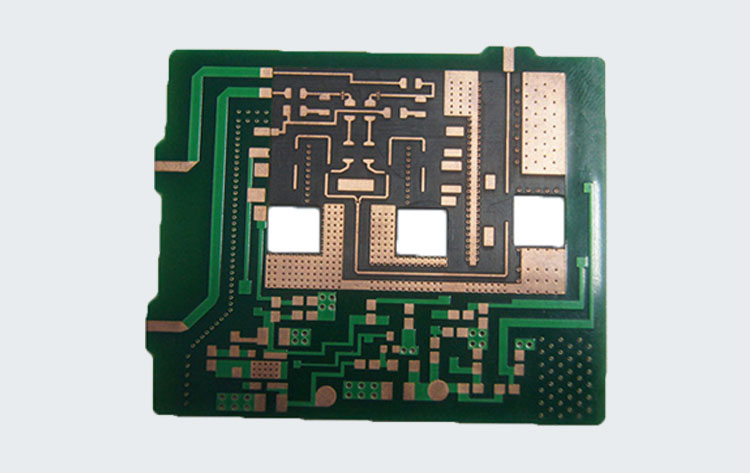
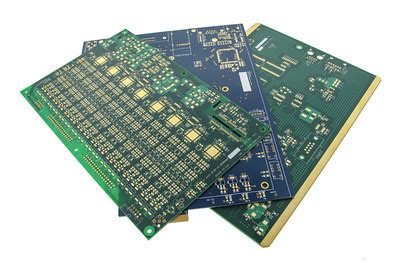
- PCB Fabrication: Once the components are sourced, the next step is to fabricate the PCB. This involves creating the physical board based on the layout design. The fabrication process typically includes etching, drilling, and plating to create the necessary traces, vias, and pads on the board.
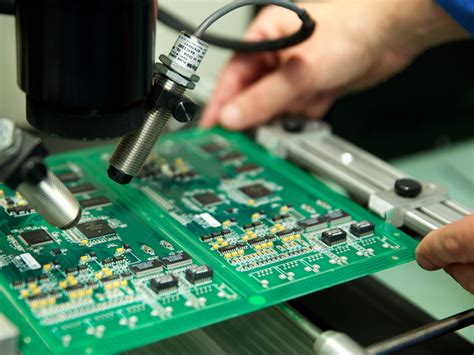
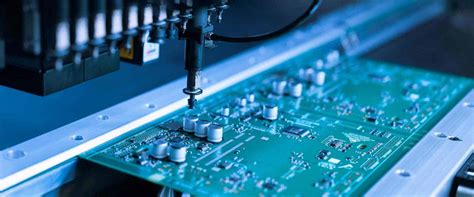
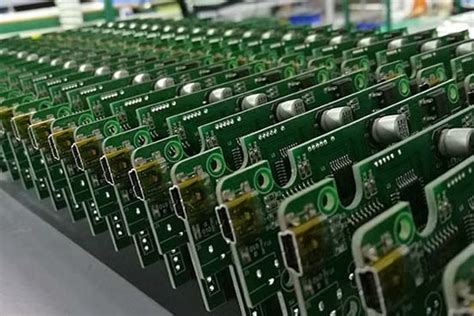
- Assembly: After the PCB is fabricated, the next step is to assemble the components onto the board. This can be done using various assembly methods, such as surface-mount technology (SMT) or through-hole technology (THT). The assembly process must be carefully controlled to ensure that components are placed accurately and soldered correctly.
- Testing and Validation: Once the PCB is assembled, the next step is to test and validate the prototype. This involves checking the functionality of the board, verifying that all components are working correctly, and ensuring that the board meets the desired performance specifications. Testing may include functional testing, signal integrity testing, and thermal testing.
- Iteration and Optimization: Based on the results of the testing and validation phase, the prototype may need to be iterated and optimized. This could involve making changes to the design, adjusting component values, or modifying the layout. The goal is to address any issues and improve the performance of the prototype.
- Finalization: Once the prototype has been thoroughly tested and optimized, the final step is to finalize the design for mass production. This involves creating the necessary documentation, including the final schematic, layout, and bill of materials (BOM), and preparing the design for manufacturing.
Key Considerations in PCBA Prototyping
There are several key considerations that must be taken into account during the PCBA prototyping process to ensure the success of the prototype:
- Component Selection: Choosing the right components is critical to the success of the prototype. Components must be selected based on their electrical characteristics, availability, and cost. It is also important to consider the compatibility of components with the PCB layout and assembly process.
- Signal Integrity: Signal integrity is a critical factor in PCB design, especially for high-speed circuits. Proper routing, impedance matching, and grounding are essential to ensure that signals are transmitted accurately and without interference.
- Power Distribution: Proper power distribution is essential to ensure that all components receive the necessary power to function correctly. This includes designing power planes, decoupling capacitors, and voltage regulators to provide stable and clean power to the components.
- Thermal Management: Thermal management is an important consideration in PCB design, especially for high-power components. Proper heat dissipation must be ensured to prevent overheating and ensure the reliability of the board. This may involve the use of heat sinks, thermal vias, and proper component placement.
- Manufacturability: The design of the PCB must take into account the manufacturability of the board. This includes considering factors such as component placement, solderability, and ease of assembly. Designing for manufacturability can help reduce the cost and complexity of the assembly process.
- Testing and Debugging: Testing and debugging are critical aspects of the prototyping process. It is important to have a comprehensive testing plan in place to ensure that all aspects of the board are thoroughly tested. This may include functional testing, signal integrity testing, and thermal testing.
Challenges in PCBA Prototyping
PCBA prototyping can be a complex and challenging process, with several potential pitfalls that can impact the success of the prototype. Some of the key challenges include:
- Design Complexity: As electronic devices become more complex, so do the PCBs that power them. Designing a PCB with a high level of complexity can be challenging, especially when dealing with high-speed signals, multiple power domains, and dense component placement.
- Component Availability: The availability of components can be a significant challenge in PCBA prototyping. Some components may have long lead times or may be difficult to source, which can delay the prototyping process.
- Signal Integrity Issues: Signal integrity issues can arise in high-speed designs, leading to problems such as signal reflection, crosstalk, and electromagnetic interference (EMI). Addressing these issues requires careful design and testing.
- Thermal Management: Managing heat dissipation in high-power designs can be challenging. Overheating can lead to component failure and reduced reliability, so it is important to design for proper thermal management.
- Cost Constraints: Cost is always a consideration in PCBA prototyping. Balancing the need for high-quality components and materials with the need to keep costs under control can be challenging, especially for small-scale prototypes.
- Time Constraints: Time is often a critical factor in PCBA prototyping, especially in competitive industries where time-to-market is essential. Rapid iteration and testing are necessary to meet tight deadlines.
Methods and Technologies in PCBA Prototyping
There are several methods and technologies that can be used in PCBA prototyping, each with its own advantages and disadvantages. Some of the most common methods include:
- Surface-Mount Technology (SMT): SMT is a widely used method for assembling components onto a PCB. It involves placing components directly onto the surface of the board and soldering them in place. SMT allows for high component density and is well-suited for high-speed designs.
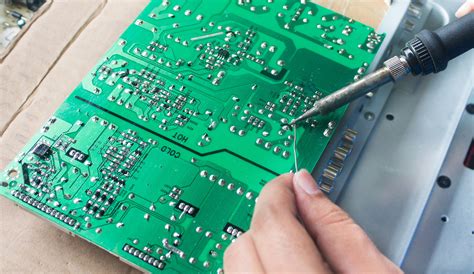
- Through-Hole Technology (THT): THT involves inserting component leads through holes in the PCB and soldering them on the opposite side. THT is often used for larger components or components that require additional mechanical strength.
- Mixed Technology: Many PCBA prototypes use a combination of SMT and THT to take advantage of the benefits of both methods. This allows for greater flexibility in component selection and placement.
- Rapid Prototyping: Rapid prototyping techniques, such as 3D printing and CNC machining, can be used to quickly create physical prototypes of the PCB and enclosure. This allows for faster iteration and testing of the design.
- Automated Testing: Automated testing equipment can be used to quickly and accurately test the functionality of the PCB. This includes in-circuit testing (ICT), functional testing, and boundary scan testing.
- Simulation and Modeling: Simulation and modeling tools can be used to predict the behavior of the PCB before it is physically built. This includes signal integrity analysis, thermal analysis, and power distribution analysis.
Best Practices for Successful PCBA Prototyping
To ensure the success of a PCBA prototype, it is important to follow best practices throughout the prototyping process. Some of the key best practices include:
- Start with a Clear Design Specification: Before beginning the prototyping process, it is important to have a clear and detailed design specification. This should include the functional requirements, performance specifications, and any constraints such as size, weight, and cost.
- Use Design for Manufacturability (DFM) Principles: Designing the PCB with manufacturability in mind can help reduce the cost and complexity of the assembly process. This includes considering factors such as component placement, solderability, and ease of assembly.
- Choose the Right Components: Selecting the right components is critical to the success of the prototype. Components should be chosen based on their electrical characteristics, availability, and cost. It is also important to consider the compatibility of components with the PCB layout and assembly process.
- Test Early and Often: Testing should be an integral part of the prototyping process. Early and frequent testing can help identify and resolve issues before they become more difficult and expensive to fix.
- Iterate and Optimize: Prototyping is an iterative process, and it is important to be prepared to make changes and optimizations based on the results of testing. This may involve making changes to the design, adjusting component values, or modifying the layout.
- Document Everything: Proper documentation is essential throughout the prototyping process. This includes documenting the design, component selection, testing results, and any changes made during the iteration process. Good documentation can help ensure that the final design is ready for mass production.
Conclusion
PCBA prototyping is a critical phase in the development of electronic products. It allows engineers and designers to validate the design, functionality, and performance of the PCB before mass production. The prototyping process involves several stages, including design and schematic capture, PCB layout, component sourcing, fabrication, assembly, testing, and iteration. Key considerations in PCBA prototyping include component selection, signal integrity, power distribution, thermal management, manufacturability, and testing.
Despite the challenges associated with PCBA prototyping, following best practices and using the right methods and technologies can help ensure the success of the prototype. By starting with a clear design specification, using DFM principles, choosing the right components, testing early and often, iterating and optimizing, and documenting everything, engineers can create high-quality prototypes that are ready for mass production.
In conclusion, PCBA prototyping is an essential step in the product development lifecycle. It provides an opportunity to validate the design, optimize performance, and reduce costs, ultimately leading to a faster time-to-market and a more successful product.