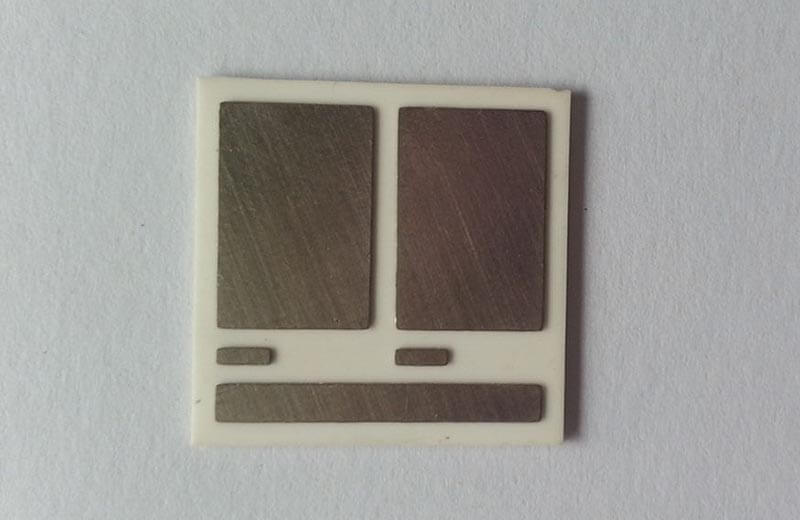
pick and place pcb assembly
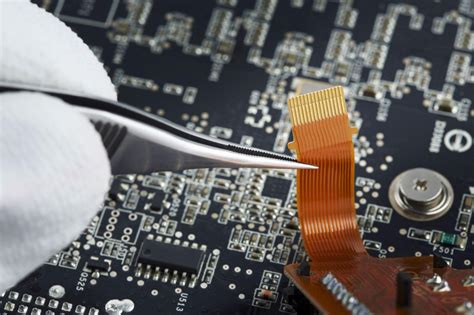
Pick and place PCB assembly is a process that involves the use of machines to place
surface-mount components on a printed circuit board (PCB). This process is essential in the
manufacturing of electronic devices, as it ensures that the components are accurately
placed on the board, thereby reducing the risk of errors and improving the overall quality
of the product.
The pick and place process involves several steps, including the preparation of the PCB,
the selection and inspection of the components, and the actual placement of the components
on the board. The process is typically carried out using automated machines, which are
capable of placing hundreds of components per minute.
One of the primary advantages of pick and place PCB assembly is its speed and accuracy. The
automated machines used in the process are capable of placing components with a high degree
of precision, ensuring that the components are aligned correctly and that there are no
errors in the placement. This reduces the risk of defects and improves the overall quality
of the product.
Another advantage of pick and place PCB assembly is its flexibility. The machines used in
the process can be programmed to handle a wide range of component sizes and shapes, making
it possible to manufacture a variety of electronic devices using the same equipment. This
reduces the need for specialized equipment and simplifies the manufacturing process.

Pick and place PCB assembly is also cost-effective. The use of automated machines reduces
the need for manual labor, which can be expensive and time-consuming. This, in turn,
reduces the cost of production and makes it possible to manufacture electronic devices at a
lower cost.
Despite its many advantages, pick and place PCB assembly does have some limitations. For
example, the process is not suitable for all types of components. Some components, such as
through-hole components, require a different assembly process, which may involve manual
labor.
In addition, pick and place PCB assembly requires a significant investment in equipment and
training. The machines used in the process can be expensive, and the operators must be
trained to use them effectively. This can be a significant investment for small
manufacturers or those just starting in the industry.
In conclusion, pick and place PCB assembly is an essential process in the manufacturing of
electronic devices. It offers many advantages, including speed, accuracy, flexibility, and
cost-effectiveness. However, it also has some limitations, and manufacturers must carefully
consider their needs and capabilities before investing in the equipment and training
required to implement this process.