Polyimide film for flexible pcb
Advantages Of Using Polyimide Film In Flexible PCBs
Polyimide film has emerged as a pivotal material in the development of flexible printed circuit boards (PCBs), offering a range of advantages that make it an ideal choice for modern electronic applications. As the demand for smaller, lighter, and more versatile electronic devices continues to grow, the need for materials that can meet these requirements becomes increasingly critical. Polyimide film, with its unique properties, addresses these needs effectively, providing a robust solution for the challenges faced in the design and manufacturing of flexible PCBs.
One of the primary advantages of using polyimide film in flexible PCBs is its exceptional thermal stability.
Polyimide can withstand high temperatures, often exceeding 200 degrees Celsius, without degrading. This characteristic is particularly beneficial in applications where the circuit board is exposed to extreme heat, such as in automotive or aerospace industries. The ability to maintain structural integrity and performance under such conditions ensures the reliability and longevity of the electronic components, which is crucial for safety and efficiency.
In addition to thermal stability, polyimide film offers excellent mechanical properties.
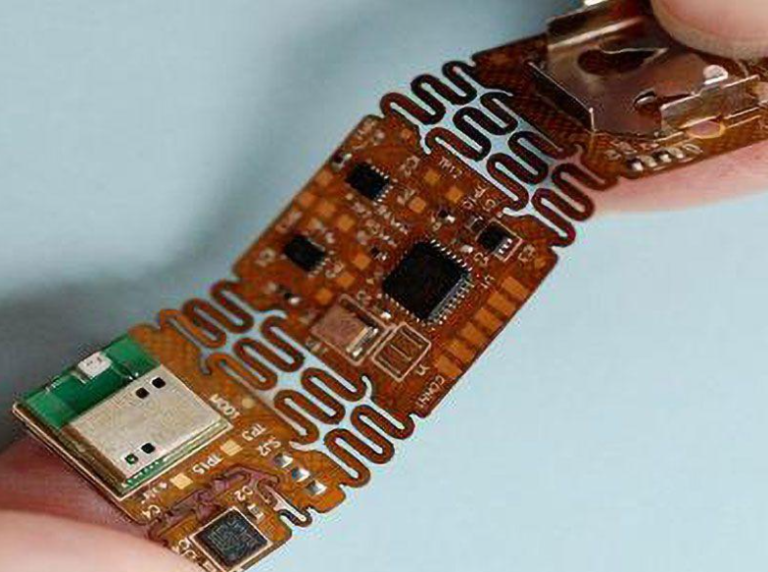
It is highly flexible, allowing for the creation of circuits that can bend, twist, and fold without breaking. This flexibility is essential for applications where space is limited, and the circuit needs to conform to complex shapes or move with the device. For instance, in wearable technology, flexible PCBs made with polyimide film can be integrated seamlessly into clothing or accessories, providing functionality without compromising comfort or design.
Moreover, polyimide film exhibits outstanding chemical resistance.
It is impervious to most solvents, oils, and other chemicals, which makes it suitable for use in harsh environments where exposure to such substances is common. This resistance ensures that the flexible PCBs remain functional and reliable, even in challenging conditions, thereby extending the lifespan of the electronic device.
Another significant advantage of polyimide film is its excellent electrical insulation properties.
It provides a stable dielectric constant and low dissipation factor, which are essential for maintaining signal integrity in high-frequency applications. This makes polyimide film an ideal choice for advanced communication devices and other high-speed electronic applications where signal loss and interference must be minimized.
Furthermore, the lightweight nature of polyimide film contributes to the overall reduction in weight of the electronic device.
This is particularly advantageous in portable electronics, where every gram counts. By using polyimide film, manufacturers can produce lighter devices without sacrificing performance or durability, meeting consumer demands for more portable and efficient technology.
In conclusion, the use of polyimide film in flexible PCBs offers numerous advantages that cater to the evolving needs of modern electronics. Its thermal stability, mechanical flexibility, chemical resistance, electrical insulation properties, and lightweight nature make it an indispensable material in the design and manufacture of flexible PCBs. As technology continues to advance, the role of polyimide film in enabling innovative and reliable electronic solutions is likely to expand, solidifying its position as a cornerstone in the field of flexible electronics.
Manufacturing Process Of Polyimide Film For Flexible PCBs
Polyimide film is a critical component in the manufacturing of flexible printed circuit boards (PCBs), offering a unique combination of properties that make it ideal for this application. The manufacturing process of polyimide film for flexible PCBs involves several intricate steps, each contributing to the film’s exceptional thermal stability, chemical resistance, and mechanical properties. Understanding this process provides insight into why polyimide film is the material of choice for flexible electronics.
The journey begins with the synthesis of polyimide resin, which is the foundational material for the film.
.This synthesis involves a polymerization reaction between dianhydride and diamine monomers. The reaction is typically carried out in a polar aprotic solvent, resulting in a polyamic acid solution. This intermediate product is then subjected to a chemical imidization process, where it is heated to form the polyimide resin. The imidization process is crucial as it determines the thermal and mechanical properties of the final film.
Once the polyimide resin is prepared, the next step is film casting.
The resin is cast onto a flat surface, often a stainless steel belt or a glass plate, to form a thin film. The thickness of the film can be controlled by adjusting the concentration of the resin solution and the speed of the casting process. As the solvent evaporates, a solid film begins to form. This step requires precise control to ensure uniformity and consistency in the film’s thickness, which is vital for its performance in flexible PCBs.
Following the casting process, the film undergoes a curing stage.
This involves heating the film to a high temperature to complete the imidization process and enhance the film’s mechanical properties. The curing temperature and duration are carefully controlled to optimize the film’s flexibility and thermal stability. During this stage, the film’s molecular structure is solidified, providing it with the strength and resilience needed for demanding electronic applications.
After curing, the polyimide film is subjected to a series of finishing processes to prepare it for use in flexible PCBs.
These processes may include surface treatment to improve adhesion, lamination with other materials to enhance specific properties, and cutting or slitting to the desired dimensions. Surface treatment is particularly important as it ensures that the film can effectively bond with other layers in the PCB, such as copper foils.
Quality control is an integral part of the manufacturing process, ensuring that the polyimide film meets the stringent requirements of the electronics industry.
Various tests are conducted to assess the film’s thickness, tensile strength, elongation, and thermal properties. These tests help identify any defects or inconsistencies that could affect the performance of the final product.
In conclusion, the manufacturing process of polyimide film for flexible PCBs is a complex and precise operation that requires careful attention to detail at every stage. From the synthesis of the polyimide resin to the final quality control checks, each step is designed to produce a film that meets the high standards required for modern electronic applications. The result is a versatile and reliable material that plays a crucial role in the development of flexible and lightweight electronic devices.
Thermal Stability Of Polyimide Film In Flexible PCB Applications
Polyimide film has emerged as a critical material in the development of flexible printed circuit boards (PCBs), primarily due to its exceptional thermal stability. This characteristic is particularly important in applications where electronic components are subjected to high temperatures, as it ensures the reliability and longevity of the circuits. The thermal stability of polyimide film is attributed to its unique chemical structure, which provides resistance to thermal degradation and maintains its mechanical properties even under extreme conditions.
To understand the significance of polyimide film in flexible PCB applications, it is essential to consider the environments in which these circuits operate.
Flexible PCBs are often used in industries such as aerospace, automotive, and consumer electronics, where they are exposed to varying temperatures. In these settings, maintaining the integrity of the circuit is crucial, as any failure could lead to significant operational disruptions. Polyimide film, with its ability to withstand temperatures ranging from -269°C to 400°C, offers a robust solution that ensures the circuits remain functional across a wide temperature spectrum.
Moreover, the thermal stability of polyimide film is not only about withstanding high temperatures but also about maintaining performance over time.
This material exhibits low thermal expansion, which means it does not expand or contract significantly with temperature changes. This property is vital in preventing mechanical stress on the circuit components, which could otherwise lead to failures. Additionally, polyimide film’s resistance to thermal oxidation further enhances its durability, making it an ideal choice for applications where long-term reliability is paramount.
In addition to its thermal properties, polyimide film also offers excellent electrical insulation, which is crucial for preventing short circuits and ensuring the safe operation of electronic devices.
This combination of thermal and electrical properties makes polyimide film a versatile material that can meet the demanding requirements of modern electronic applications. Furthermore, its flexibility allows for innovative design possibilities, enabling the creation of circuits that can bend and conform to various shapes without compromising performance.
The use of polyimide film in flexible PCBs also contributes to the miniaturization of electronic devices.
As technology advances, there is a growing demand for smaller, more compact devices that do not sacrifice functionality. Polyimide film’s thin profile and lightweight nature make it an ideal material for achieving this goal, allowing manufacturers to produce smaller devices without compromising on performance or reliability.
In conclusion, the thermal stability of polyimide film plays a pivotal role in its application in flexible PCBs. Its ability to withstand extreme temperatures, coupled with its mechanical and electrical properties, makes it an indispensable material in the electronics industry. As technology continues to evolve, the demand for materials that can meet the rigorous requirements of modern applications will only increase. Polyimide film, with its proven track record of performance and reliability, is well-positioned to meet these challenges, ensuring that flexible PCBs remain a cornerstone of electronic innovation.

Innovations In Polyimide Film Technology For Flexible PCBs
Polyimide film has long been a cornerstone in the development of flexible printed circuit boards (PCBs), offering a unique combination of properties that make it indispensable in various high-tech applications. As the demand for more compact, lightweight, and durable electronic devices continues to grow, innovations in polyimide film technology are playing a crucial role in meeting these evolving needs. These advancements are not only enhancing the performance of flexible PCBs but also expanding their applicability across different industries.
One of the most significant innovations in polyimide film technology is the development of films with improved thermal stability.
Traditional polyimide films are already known for their excellent heat resistance, but recent advancements have pushed these boundaries even further. By enhancing the thermal stability, manufacturers can now produce flexible PCBs that withstand higher temperatures without compromising their structural integrity. This is particularly beneficial in applications where electronic devices are exposed to extreme conditions, such as in aerospace and automotive industries.
In addition to thermal stability, recent innovations have also focused on improving the mechanical properties of polyimide films.
Enhanced flexibility and tensile strength are critical for flexible PCBs, as they often need to bend and twist without breaking. New formulations and manufacturing techniques have led to polyimide films that offer superior mechanical performance, allowing for more complex and compact circuit designs. This is especially important in the consumer electronics sector, where the trend towards miniaturization demands components that can maintain functionality in increasingly smaller spaces.
Moreover, the electrical properties of polyimide films have seen significant improvements.
Innovations in material composition and processing have resulted in films with lower dielectric constants and better insulation capabilities. These enhancements are crucial for reducing signal loss and interference in high-frequency applications, making polyimide films an ideal choice for modern communication devices and high-speed data transfer systems. As a result, flexible PCBs made with advanced polyimide films are now more efficient and reliable than ever before.
Another area of innovation is the environmental sustainability of polyimide films.
With growing awareness of environmental issues, there is a push towards developing materials that are not only high-performing but also eco-friendly. Researchers are exploring bio-based polyimide films and more sustainable production processes to reduce the environmental impact of flexible PCB manufacturing. These efforts are paving the way for a new generation of green electronics that do not compromise on performance.
Furthermore, the integration of advanced technologies such as nanotechnology into polyimide film production is opening new possibilities.
By incorporating nanoparticles, manufacturers can enhance specific properties of polyimide films, such as conductivity or thermal management, without altering their fundamental characteristics. This level of customization allows for the creation of highly specialized flexible PCBs tailored to specific applications, from medical devices to wearable technology.
In conclusion, the ongoing innovations in polyimide film technology are significantly advancing the capabilities of flexible PCBs. By improving thermal stability, mechanical properties, electrical performance, and environmental sustainability, these developments are ensuring that flexible PCBs remain at the forefront of electronic design. As technology continues to evolve, the role of polyimide films in enabling more sophisticated, efficient, and sustainable electronic devices will undoubtedly grow, driving further innovation in this critical field.