Precision PC Board Suppliers for Reliable Fabrication Solutions
Key Takeaways
When evaluating PCB manufacturing partners, understanding core competencies separates reliable suppliers from basic service providers. Leading PCB manufacturing companies prioritize precision engineering while balancing time-to-market pressures and PCB manufacturing cost considerations. You’ll want suppliers offering:
| Capability | Impact |
|---|---|
| Rapid prototyping | Accelerates R&D validation cycles |
| Rigid-flex expertise | Ensures durability in complex designs |
| Offshore certifications | Reduces costs without compromising quality |
Tip: Always verify ISO/IEC certifications and request test reports for materials to avoid delays in high-volume production.
A streamlined PCB manufacturing business hinges on transparent workflows—from design-for-manufacturability (https://www.andwinpcba.com), often provide cost advantages, but ensure they align with your quality benchmarks. By prioritizing suppliers with integrated quality assurance protocols, you mitigate risks in prototyping and scale-up phases.
Focus on partners offering end-to-end traceability, as this simplifies troubleshooting and ensures compliance with industry standards. Whether optimizing PCB manufacturing cost or scaling production, aligning with experts who balance speed, precision, and compliance remains critical for long-term success.
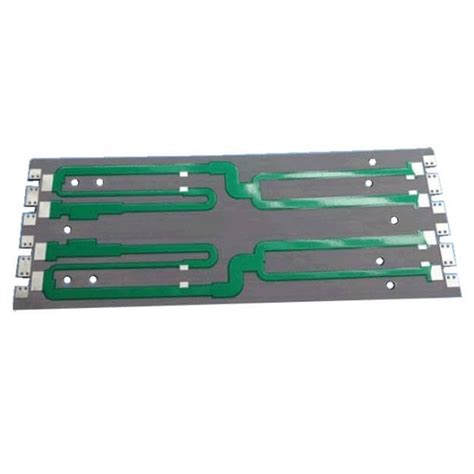
Precision PCB Fabrication Services Overview
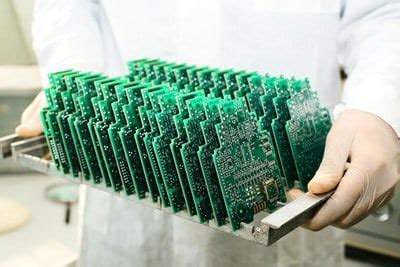
Precision PCB fabrication services form the backbone of modern electronics development, ensuring your designs meet exact performance requirements. When evaluating pcb manufacturing companies, focus on providers with certifications like IPC-6012 and ISO 9001, which validate their ability to maintain tight tolerances and multilayer alignment accuracy. Advanced pcb manufacturing processes leverage laser direct imaging and automated optical inspection to minimize defects in high-density interconnect (HDI) boards or high-frequency materials.
Understanding pcb manufacturing cost drivers helps optimize budgets without compromising quality. Factors like material selection, layer count, and surface finish directly impact pricing, while value-added engineering support can reduce iterative design changes. For businesses scaling production, partnering with pcb manufacturing business specialists ensures seamless transitions from prototypes to volume runs through digital twin simulations and supply chain integration. This approach maintains consistency across batches while accommodating evolving technical specifications.
Rapid Prototyping for Accelerated R&D
When developing new electronics, time-to-market often dictates success. Leading PCB manufacturing companies leverage advanced prototyping technologies to compress design cycles, allowing you to validate concepts within days rather than weeks. By integrating automated design-for-manufacturing (DFM) checks and high-speed milling systems, suppliers reduce PCB manufacturing cost while maintaining precision for complex layouts.
Modern rapid prototyping workflows enable iterative testing of rigid-flex designs, embedded components, and high-density interconnects (HDIs) without compromising quality. This agility is critical for startups and enterprises alike, as it minimizes delays in securing certifications or addressing design flaws. Partnering with a PCB manufacturing business that offers 24/7 engineering support ensures seamless transitions from prototypes to full-scale production, even when scaling across global supply chains.
To optimize PCB manufacturing efficiency, prioritize suppliers with transparent pricing models and ISO-certified facilities. Advanced quoting tools that analyze material selections, layer counts, and surface finishes help you balance performance requirements with budget constraints. By aligning prototyping timelines with offshore manufacturing partners, you maintain momentum in R&D while preparing for market-ready product launches.
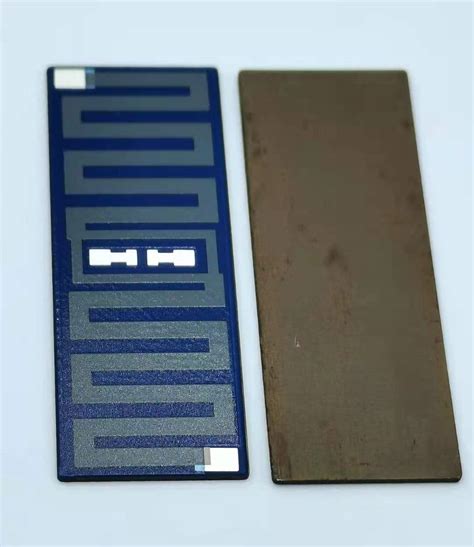
Rigid-Flex Circuit Manufacturing Expertise
When designing advanced electronics, you need PCB manufacturing partners capable of handling the complexities of rigid-flex circuits. These hybrid boards combine rigid and flexible substrates, enabling compact, durable designs for applications like wearables, aerospace systems, and medical devices. Leading PCB manufacturing companies leverage specialized processes—such as laser drilling and multilayer lamination—to ensure precise alignment and reliability across bending zones.
Optimizing PCB manufacturing cost for rigid-flex solutions requires balancing material selection with design complexity. High-performance polyimide films and adhesives may increase initial expenses, but they reduce long-term failure risks in dynamic environments. Partnering with experienced suppliers ensures your PCB manufacturing business avoids costly rework by adhering to IPC-6013 standards for flex circuit testing and validation.
Transitioning from prototyping to full-scale production demands seamless integration between design software and fabrication workflows. Advanced suppliers use automated optical inspection (AOI) and impedance control testing to maintain consistency, even in high-mix, low-volume scenarios. This expertise not only accelerates time-to-market but also aligns with the broader goals of streamlined production and global supply chain resilience outlined in earlier sections.
Certified Offshore Manufacturing Partners
When selecting PCB manufacturing partners, certified offshore facilities offer distinct advantages for balancing quality and PCB manufacturing cost. These internationally accredited suppliers maintain compliance with ISO 9001, IPC-A-600, and other industry benchmarks, ensuring your designs meet global reliability standards. By partnering with established PCB manufacturing companies, you gain access to advanced production technologies—such as automated optical inspection (AOI) and impedance-controlled routing—while leveraging economies of scale to optimize budgets.
Offshore PCB manufacturing business models excel in scalability, allowing seamless transitions from low-volume prototypes to high-volume runs without compromising turnaround times. Reputable providers implement rigorous traceability systems, documenting every stage from material sourcing to final testing. This transparency minimizes risks associated with offshore collaborations, particularly for complex projects like multilayer or HDI boards.
To maximize value, prioritize partners offering unified communication channels and regional logistics hubs. This ensures real-time updates on production milestones and reduces lead times for international shipments. By aligning with certified offshore experts, you secure a competitive edge—combining cost efficiency with the technical rigor demanded by modern PCB manufacturing workflows.
Streamlined PCB Production Workflows
When optimizing PCB manufacturing processes, efficiency hinges on eliminating bottlenecks while maintaining quality. Modern PCB manufacturing companies leverage automated design validation tools to catch errors in design files before production begins, reducing material waste and rework. By implementing synchronized supply chain management systems, you gain real-time visibility into component availability, ensuring seamless transitions from prototyping to full-scale runs.
A critical factor in managing PCB manufacturing cost lies in standardized workflows that minimize manual interventions. For instance, automated optical inspection (AOI) systems accelerate defect detection by 40-60% compared to manual checks, directly lowering labor expenses. Offshore partners further enhance cost efficiency through economies of scale, but selecting certified suppliers ensures compliance with international quality benchmarks.
For PCB manufacturing business models prioritizing speed, modular production lines allow rapid reconfiguration for different board types—from single-layer prototypes to complex rigid-flex assemblies. Advanced ERP integrations enable dynamic scheduling, aligning order volumes with machine capacities to prevent overproduction. This agility not only shortens lead times but also stabilizes margins in fluctuating markets.
Transitioning to these methodologies requires collaboration with partners who prioritize process transparency, ensuring every workflow refinement aligns with your technical and financial objectives.
Global PCB Supplier Networks
When building electronic products, your choice of PCB manufacturing partners directly impacts scalability and market responsiveness. Leading PCB manufacturing companies now operate interconnected global networks, enabling you to leverage regional strengths—whether it’s cost-competitive Asian facilities for high-volume orders or North American/EU hubs for rapid prototyping. This geographic diversification mitigates risks like supply chain disruptions while optimizing PCB manufacturing cost through dynamic resource allocation.
By collaborating with certified suppliers across time zones, you gain access to 24/7 production cycles and specialized expertise in rigid-flex designs or high-frequency materials. These networks also simplify compliance with regional regulations, ensuring your PCB manufacturing business meets IPC-6012 or UL standards regardless of assembly locations. Advanced logistics integrations further reduce lead times, synchronizing raw material procurement with just-in-time production schedules.
However, balancing quality and affordability requires vetting partners for ISO certifications and traceability protocols. Prioritize suppliers offering transparent cost breakdowns—from initial tooling fees to final testing—to avoid hidden expenses. A well-structured global network not only accelerates time-to-market but also future-proofs your operations against geopolitical or economic shifts.

Cost-Effective PCB Assembly Solutions
When scaling your electronics project, managing PCB manufacturing cost without compromising quality becomes critical. Leading PCB manufacturing companies leverage advanced automation and optimized supply chains to reduce material waste and labor expenses, ensuring competitive pricing for both prototyping and bulk orders. By partnering with suppliers that offer economies of scale, you can achieve significant savings, especially for high-volume production runs.
A well-structured PCB manufacturing business prioritizes transparent pricing models, breaking down costs for design, components, assembly, and testing. This clarity helps you identify areas to streamline budgets—for instance, opting for standardized materials or panelized designs to minimize raw material usage. Additionally, offshore partners with certified facilities often provide cost advantages through regional labor and logistics efficiencies, while maintaining compliance with international quality standards.
To further enhance affordability, many suppliers integrate lean manufacturing practices, such as just-in-time inventory management and automated pick-and-place systems, which accelerate turnaround times and reduce overhead. Whether you’re developing IoT devices or industrial controls, aligning with a PCB manufacturing partner that balances cost-effectiveness with reliability ensures your project stays on schedule and within budget. Always verify certifications like ISO 9001 or UL listings to avoid hidden expenses from rework or compliance failures.
Expert PCB Quality Assurance Standards
When selecting PCB manufacturing companies, you need partners that prioritize traceability and process control at every stage. Leading suppliers implement ## Expert PCB Quality Assurance Standards anchored in ISO 9001 and IPC-A-600 certifications, ensuring compliance with design specifications and end-use reliability. These protocols include automated optical inspection (AOI) for detecting micro-defects, X-ray testing for multilayer alignment, and thermal stress simulations to validate performance under extreme conditions.
By integrating these measures, PCB manufacturing workflows minimize errors that could escalate PCB manufacturing cost due to rework or delays. For instance, rigorous material verification prevents issues like delamination or impedance mismatches, directly impacting your project’s timeline and budget. Additionally, certified partners maintain documentation trails for every batch, enabling root-cause analysis if anomalies arise.
For businesses scaling their PCB manufacturing business, such standards are non-negotiable. They ensure consistency across high-volume orders while supporting compliance with industry-specific regulations (e.g., automotive or medical sectors). Transparent quality reports and real-time monitoring tools further empower you to make data-driven decisions, balancing precision with cost-efficiency. This systematic approach transforms quality assurance from a compliance checkbox into a strategic advantage.
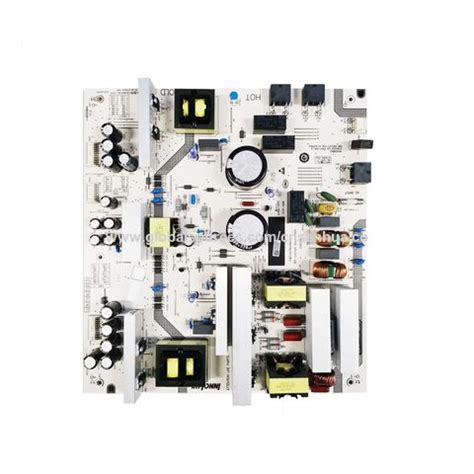
Conclusion
When selecting partners for PCB manufacturing, it’s critical to prioritize companies that align with your technical and operational needs. Leading PCB manufacturing companies combine advanced engineering capabilities with transparent processes, ensuring your projects meet both performance benchmarks and budgetary constraints. By focusing on PCB manufacturing cost optimization strategies—such as material selection, design simplification, and volume scaling—you can achieve cost-efficiency without compromising reliability.
For businesses scaling their PCB manufacturing business, leveraging certified offshore partners expands production capacity while maintaining rigorous quality standards. This approach not only accelerates time-to-market but also future-proofs your supply chain against regional disruptions. Whether you’re prototyping or transitioning to full-scale production, aligning with suppliers that offer end-to-end solutions—from rigid-flex circuit design to certified assembly—ensures seamless integration into your workflows.
Ultimately, the right partnership transforms PCB manufacturing from a logistical challenge into a strategic advantage, empowering you to innovate faster and compete smarter in dynamic markets.
FAQs
How do PCB manufacturing companies ensure quality control?
Reputable suppliers implement multi-stage inspections, including automated optical checks and functional testing, to verify PCB manufacturing standards. Certifications like ISO 9001 and IPC Class 3 further validate compliance.
What factors influence PCB manufacturing cost?
Key variables include material selection (e.g., FR-4 vs. high-frequency laminates), layer count, surface finishes, and order volume. Offshore partners often optimize PCB manufacturing business expenses through economies of scale while maintaining quality.
Why choose offshore PCB manufacturing companies?
Global networks provide access to advanced technologies like laser drilling and HDI fabrication at competitive rates. Certified offshore partners also reduce lead times for prototyping and bulk orders without compromising reliability.
How can startups manage PCB manufacturing business risks?
Partner with suppliers offering design-for-manufacturability (DFM) feedback and small-batch production. This minimizes upfront PCB manufacturing cost while allowing iterative testing before scaling.
Ready to Optimize Your PCB Project?
For tailored solutions in PCB manufacturing, click here to connect with experts who streamline prototyping, reduce costs, and ensure compliance with global standards.