Precision PCB Manufacturing: Prototype to Volume Production
Key Takeaways
When selecting a PCB manufacturing partner, understanding their capabilities across prototyping to volume production is critical. Leading PCB manufacturing companies balance speed with precision, offering 24-hour rapid prototyping to accelerate your design validation. This agility ensures you can test iterations quickly before committing to large-scale orders.
For high-volume needs, reliable PCB manufacturing business models prioritize scalability without compromising quality. Advanced fabrication techniques enable consistent output, even for complex designs like rigid-flex circuits or multi-layer boards. Consider these factors when evaluating partners:
| Aspect | Prototyping | Volume Production |
|---|---|---|
| Lead Time | 24-hour turnaround | Optimized bulk scheduling |
| Design Flexibility | High (iterations) | Stable (validated designs) |
| PCB manufacturing cost | Higher per unit | Economies of scale |
Expertise in ITAR-compliant solutions adds another layer of reliability, particularly for defense or aerospace projects. By aligning your requirements with a partner’s strengths—whether in flex circuit fabrication or high-volume PCB production—you ensure seamless transitions from concept to market-ready products. Trusted PCB manufacturing providers become extensions of your team, delivering precision at every stage.
-Hour Rapid PCB Prototyping
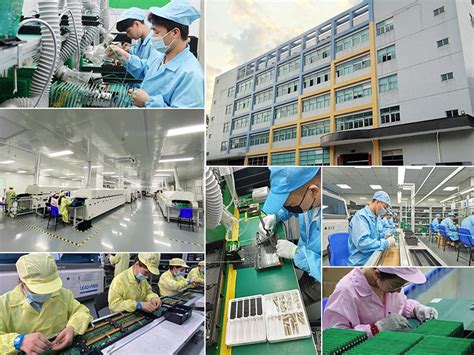
When developing electronic products, time-to-market often dictates success. Leading PCB manufacturing companies now offer 24-hour rapid prototyping to accelerate your design validation cycle. By leveraging automated workflows and advanced fabrication technologies, these providers deliver functional prototypes within a day—critical for industries like medical devices or aerospace, where iterative testing is unavoidable.
"Speed without reliability is a false economy. Always verify that your rapid PCB partner maintains ISO-certified processes alongside fast turnarounds."
While PCB manufacturing cost rises with tighter deadlines, strategic design choices—such as minimizing layer counts or avoiding ultra-fine traces—can optimize expenses. For startups, this agility allows rapid iteration without draining budgets. Established enterprises benefit by compressing R&D phases, ensuring quicker transitions to high-volume PCB production.
The best PCB manufacturing business models balance speed with scalability. Look for vendors offering seamless scaling from 10 prototypes to 10,000 units, ensuring consistent quality across batches. For specialized needs like high-frequency materials or impedance control, confirm their expertise early to avoid redesign delays.
Partnering with a trusted provider ensures your prototypes align with volume production capabilities, reducing costly mid-stream adjustments. Whether you’re refining a IoT sensor or a defense system component, 24-hour prototyping bridges the gap between concept and commercialization.
Prototype to Volume PCB Production
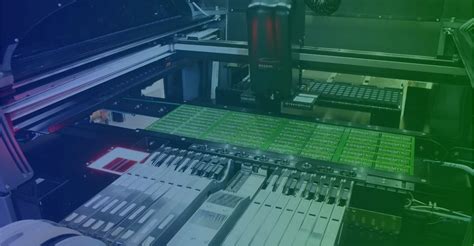
When scaling from PCB manufacturing prototypes to full-scale production, seamless transition capabilities define reliable PCB manufacturing companies. While rapid prototyping—often achievable within 24 hours—allows you to validate designs quickly, high-volume production demands precision, consistency, and cost optimization. Leading providers integrate advanced fabrication technologies to maintain quality across batches, whether you need 100 units or 100,000.
A critical factor in managing PCB manufacturing cost is aligning design complexity with production scalability. For instance, design-for-manufacturability (DFM) feedback during prototyping helps identify potential bottlenecks, reducing rework risks in volume runs. Additionally, economies of scale lower per-unit expenses, but only if your partner optimizes material sourcing, process automation, and testing protocols.
For businesses navigating the PCB manufacturing business landscape, flexibility matters. Providers offering both quick-turn prototypes and high-volume capacity eliminate the need to switch vendors, ensuring design continuity. Whether you require rigid, flex, or hybrid boards, the ability to scale without compromising on ITAR compliance or thermal performance positions your project for success. This end-to-end approach minimizes downtime, accelerates time-to-market, and builds trust in long-term partnerships.
Flex & Rigid-Flex Circuit Expertise
When working with PCB manufacturing companies, selecting a partner that specializes in flexible and rigid-flex circuits is critical for applications requiring dynamic form factors or space-constrained designs. These advanced circuits demand precise material selection, such as polyimide substrates, and expertise in handling layered stack-ups without compromising durability. Unlike traditional rigid boards, flex circuits undergo unique stressors during bending or folding, which means your PCB manufacturing process must integrate specialized lamination techniques and laser drilling to ensure signal integrity.
For innovators in wearable tech, medical devices, or aerospace systems, reliability under repeated motion is non-negotiable. Leading PCB manufacturing businesses mitigate risks by combining automated optical inspection (AOI) with manual validation, catching microfractures or alignment errors early. While PCB manufacturing cost for flex solutions may initially seem higher, the long-term value comes from reduced assembly complexity and enhanced product lifespan. Transitioning from prototype to volume production here requires seamless scalability—ensuring design tweaks in the prototyping phase don’t derail high-volume timelines.
By prioritizing partners with proven flex circuit experience, you align your project with technical rigor and avoid costly redesigns, keeping your innovations ahead in competitive markets.
ITAR-Compliant PCB Manufacturing Solutions
When your projects involve defense, aerospace, or other sensitive applications, partnering with PCB manufacturing companies that adhere to International Traffic in Arms Regulations (ITAR) is non-negotiable. These standards ensure strict control over technical data, materials, and production processes to safeguard national security. For PCB manufacturing in regulated sectors, compliance isn’t just about certifications—it’s about embedding security into every layer of production, from design reviews to supply chain audits.
Leading PCB manufacturing businesses integrate ITAR requirements by maintaining segregated facilities, employing personnel with security clearances, and using encrypted data protocols. This minimizes risks of unauthorized access while meeting stringent quality benchmarks. While PCB manufacturing cost may rise due to these specialized measures, the value lies in avoiding legal penalties, project delays, or compromised intellectual property.
Whether you’re prototyping or scaling, prioritize vendors with proven ITAR expertise. Their ability to balance compliance with high-volume PCB production ensures your sensitive projects stay on schedule without sacrificing security or performance.
Global Trusted PCB Manufacturing Partner
When scaling your electronics projects, partnering with PCB manufacturing companies that combine technical expertise with global reliability ensures seamless operations. A trusted partner doesn’t just deliver boards—they align with your strategic goals, whether you’re managing PCB manufacturing cost for startups or coordinating high-volume production for multinational enterprises.
Leading PCB manufacturing providers maintain certifications like ISO 9001 and IPC Class 3, reflecting adherence to rigorous quality standards. Their global infrastructure—strategically located factories and logistics networks—minimizes delays, even when shipping complex designs like high-density interconnect (HDI) or rigid-flex circuits across continents. For businesses requiring compliance with ITAR or other regulatory frameworks, selecting a PCB manufacturing business with documented security protocols safeguards sensitive projects.
Transparency in pricing and timelines is critical. Reputable partners offer detailed breakdowns of PCB manufacturing cost drivers, from material selection to layer counts, helping you optimize budgets without compromising performance. By integrating advanced DFM (Design for Manufacturing) feedback early, they mitigate risks in prototyping and scale-up phases, ensuring your transition from prototype to volume remains efficient and cost-effective.
Ultimately, a global partner’s value lies in their ability to adapt to your evolving needs—whether supporting rapid design iterations or maintaining consistency across millions of units—while keeping your supply chain resilient.
Quick-Turn PCB Assembly Services
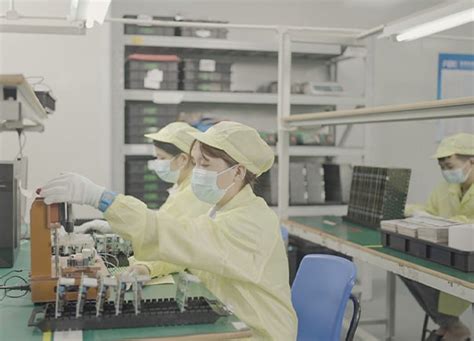
When timelines tighten and rapid iteration becomes critical, partnering with PCB manufacturing companies that offer quick-turn PCB assembly services ensures your projects stay on track. These services prioritize speed without compromising quality, delivering fully assembled boards in as little as 24–48 hours. Whether you’re refining a prototype or addressing urgent design revisions, accelerated assembly cycles help you validate concepts faster and reduce time-to-market.
Leading providers integrate automated pick-and-place systems, precision soldering, and rigorous testing to maintain consistency even under tight deadlines. However, balancing PCB manufacturing cost with turnaround speed requires careful planning. Opting for standardized components, minimizing design complexity, and leveraging existing tooling can optimize expenses. For startups or enterprises scaling a PCB manufacturing business, this agility is invaluable—enabling rapid pivots during product development or unexpected market shifts.
Seamless coordination between fabrication and assembly stages is key. Reputable manufacturers synchronize material procurement, component sourcing, and quality checks to eliminate bottlenecks. By aligning your requirements with their capabilities early, you ensure smoother transitions from prototype validation to high-volume PCB production, maintaining momentum across your project lifecycle.
High-Volume PCB Production Capabilities
When scaling from prototypes to mass production, partnering with PCB manufacturing companies that specialize in high-volume output ensures seamless transitions without compromising quality. Modern facilities leverage automated processes and advanced machinery to maintain precision across thousands of units, reducing PCB manufacturing cost through economies of scale. Tight tolerances and multi-layer board expertise become critical here, as even minor deviations can amplify defects in large batches.
Leading PCB manufacturing providers optimize material sourcing and panel utilization to minimize waste, further lowering per-unit expenses. Rigorous testing protocols—including automated optical inspection (AOI) and functional testing—are embedded at every stage to guarantee zero-defect performance. For industries like automotive or aerospace, where reliability is non-negotiable, certifications such as ISO 9001 and IATF 16949 ensure compliance with global standards.
Whether you’re managing a PCB manufacturing business or sourcing boards for enterprise applications, high-volume capabilities must align with your timelines and technical requirements. Scalable solutions, from flexible order quantities to just-in-time delivery models, empower you to adapt to market demands while maintaining cost efficiency. This approach ensures your production pipeline remains agile, even as complexity grows.
Advanced PCB Fabrication for Complex Designs
When working with intricate electronic systems, PCB manufacturing must adapt to meet the demands of high-density interconnects, multi-layered architectures, and specialized materials. Modern PCB manufacturing companies leverage cutting-edge processes like laser drilling, sequential lamination, and impedance control to ensure precision in designs requiring signal integrity or thermal management. For projects involving high-frequency applications or miniaturized components, advanced fabrication techniques—such as HDI (High-Density Interconnect) or embedded passive components—become critical to maintaining performance without compromising reliability.
Balancing PCB manufacturing cost with technical requirements is a key challenge. While complex designs often require specialized equipment and tighter tolerances, partnering with a provider that optimizes material utilization and process efficiency can reduce waste and lead times. For instance, rigorous DFM (Design for Manufacturability) checks help identify potential bottlenecks early, preventing costly revisions.
In the competitive PCB manufacturing business, scalability is equally vital. Whether you’re prototyping a multi-board stack or transitioning to volume production, seamless integration between design software and fabrication workflows ensures consistency across batches. This approach not only supports innovation but also aligns with evolving industry standards, from aerospace-grade reliability to IoT-driven miniaturization. By prioritizing advanced fabrication capabilities, you can future-proof your projects while navigating the complexities of modern electronics.
Conclusion
When navigating the complexities of PCB manufacturing, your choice of partner significantly impacts project success. Leading PCB manufacturing companies balance speed, quality, and adaptability, ensuring seamless transitions from prototypes to high-volume production. By prioritizing advanced fabrication techniques and certifications like ITAR compliance, you safeguard sensitive projects while meeting rigorous industry standards.
Managing PCB manufacturing cost requires a strategic approach—leveraging economies of scale without compromising on material integrity or design precision. Whether you’re scaling a startup or optimizing an established PCB manufacturing business, selecting a vendor with proven expertise in flex/rigid-flex circuits and quick-turn assembly ensures your timelines align with market demands.
Ultimately, the right manufacturer becomes an extension of your engineering team, offering responsive support and transparent communication. By aligning your needs with a partner capable of handling both niche prototypes and million-unit orders, you secure a competitive edge in an innovation-driven landscape.
Frequently Asked Questions
How do you ensure quality control in PCB manufacturing?
Reputable PCB manufacturing companies implement rigorous testing protocols, including automated optical inspection (AOI) and electrical testing, to verify circuit integrity. Advanced facilities combine ISO-certified processes with real-time monitoring systems for consistent output.
What factors influence PCB manufacturing cost?
Costs depend on design complexity, material selection (e.g., FR-4 vs. high-frequency laminates), layer count, and order volume. Partnering with a PCB manufacturing business that offers scalable pricing models helps balance budget and technical requirements.
Can you handle both prototype and large-scale production runs?
Yes. Modern PCB manufacturing workflows integrate rapid prototyping (24-hour turnaround) with high-volume production lines, ensuring seamless transitions. This flexibility minimizes delays when scaling from initial designs to market-ready products.
Are your services compatible with ITAR-regulated projects?
Providers specializing in defense or aerospace applications typically offer ITAR-compliant solutions, including secure data handling and certified material sourcing. Confirm compliance certifications before finalizing partnerships with PCB manufacturing companies.
How do flex and rigid-flex PCBs impact production timelines?
While flexible circuits require specialized materials and handling, experienced manufacturers streamline processes through dedicated assembly lines. Discuss design specifications early to optimize timelines and avoid cost overruns in PCB manufacturing.
Ready to Start Your Project?
Explore tailored solutions for your PCB manufacturing needs. Please click here to request a quote or consult our engineering team.