Printed Circuit Board (PCB) Adhesives: A Comprehensive Overview
Introduction
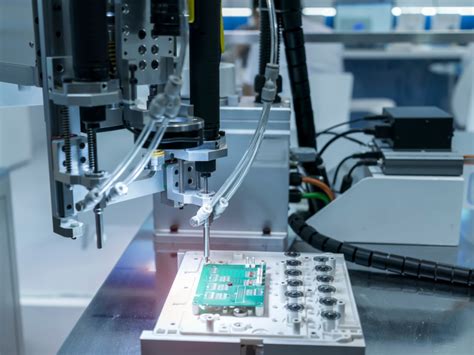
Printed Circuit Boards (PCBs) are the backbone of modern electronics, serving as the platform for mounting and interconnecting electronic components. The reliability and performance of PCBs are critical to the functionality of electronic devices, ranging from consumer electronics to industrial machinery and aerospace systems. One of the key materials that contribute to the structural integrity and performance of PCBs is the adhesive used in their assembly. PCB adhesives play a vital role in bonding components, providing thermal management, and ensuring the overall durability of the board. This article delves into the various types of PCB adhesives, their properties, applications, and the factors influencing their selection.
Types of PCB Adhesives
PCB adhesives can be broadly categorized based on their chemical composition, curing mechanism, and application method. The most common types include:
- Epoxy Adhesives
- Acrylic Adhesives
- Silicone Adhesives
- Polyurethane Adhesives
- Anaerobic Adhesives
- UV-Curable Adhesives
Each type of adhesive has unique properties that make it suitable for specific applications within the PCB manufacturing process.
1. Epoxy Adhesives
Epoxy adhesives are among the most widely used adhesives in PCB assembly due to their excellent mechanical strength, chemical resistance, and thermal stability. They are typically composed of a resin and a hardener, which, when mixed, undergo a chemical reaction to form a rigid, durable bond.
Properties:
- High bond strength
- Excellent thermal and chemical resistance
- Good electrical insulation properties
- Low shrinkage during curing
Applications:
- Component bonding: Epoxy adhesives are used to attach surface-mount devices (SMDs) and other components to the PCB.
- Underfill: They are applied beneath flip-chip devices to reinforce the solder joints and improve thermal performance.
- Encapsulation: Epoxy adhesives are used to encapsulate and protect sensitive components from environmental factors such as moisture, dust, and vibration.
2. Acrylic Adhesives
Acrylic adhesives are known for their fast curing times and versatility. They can be formulated to cure through various mechanisms, including heat, UV light, or chemical reaction. Acrylic adhesives offer a good balance of strength, flexibility, and environmental resistance.
Properties:
- Fast curing
- Good adhesion to a wide range of substrates
- Moderate thermal and chemical resistance
- Flexibility and impact resistance
Applications:
- Temporary bonding: Acrylic adhesives are used for temporary bonding of components during the assembly process.
- Surface mounting: They are used to bond SMDs to the PCB, especially in applications where fast curing is required.
- Potting and encapsulation: Acrylic adhesives are used for potting and encapsulating components that require protection from environmental factors.
3. Silicone Adhesives
Silicone adhesives are valued for their flexibility, thermal stability, and resistance to extreme temperatures. They are particularly suitable for applications where the PCB may be exposed to high temperatures or thermal cycling.
Properties:
- Excellent thermal stability (up to 300°C or higher)
- Flexibility and elasticity
- Good resistance to moisture, UV light, and chemicals
- Low toxicity and biocompatibility
Applications:
- High-temperature applications: Silicone adhesives are used in applications where the PCB is exposed to high temperatures, such as in automotive or aerospace electronics.
- Flexible circuits: They are used in flexible PCBs where the adhesive needs to accommodate bending and flexing.
- Medical electronics: Silicone adhesives are used in medical devices due to their biocompatibility and resistance to sterilization processes.
4. Polyurethane Adhesives
Polyurethane adhesives are known for their flexibility, toughness, and resistance to impact and vibration. They are often used in applications where the PCB may be subjected to mechanical stress or dynamic loads.
Properties:
- High flexibility and elasticity
- Good impact and vibration resistance
- Moderate thermal and chemical resistance
- Good adhesion to a variety of substrates
Applications:
- Vibration damping: Polyurethane adhesives are used to bond components that are subjected to vibration or mechanical shock.
- Flexible circuits: They are used in flexible PCBs where the adhesive needs to accommodate bending and flexing.
- Outdoor electronics: Polyurethane adhesives are used in outdoor electronics due to their resistance to weathering and UV light.
5. Anaerobic Adhesives
Anaerobic adhesives are unique in that they cure in the absence of oxygen, making them ideal for bonding metal components. They are commonly used in threaded fasteners and retaining compounds in PCB assembly.
Properties:
- Cures in the absence of oxygen
- High bond strength on metal surfaces
- Good chemical resistance
- Low viscosity for easy application
Applications:
- Thread locking: Anaerobic adhesives are used to secure threaded fasteners in PCB assembly, preventing loosening due to vibration.
- Retaining: They are used to bond bearings, bushings, and other metal components to the PCB.
- Sealing: Anaerobic adhesives are used to seal metal joints and prevent leakage of fluids or gases.
6. UV-Curable Adhesives
UV-curable adhesives are designed to cure rapidly when exposed to ultraviolet light. They are ideal for applications where fast curing is required, and precise control over the curing process is necessary.
Properties:
- Rapid curing under UV light
- High bond strength
- Good optical clarity
- Low shrinkage during curing
Applications:
- Optical components: UV-curable adhesives are used to bond optical components such as lenses and fibers in PCBs used in optoelectronics.
- Surface mounting: They are used to bond SMDs to the PCB, especially in applications where fast curing is required.
- Temporary bonding: UV-curable adhesives are used for temporary bonding of components during the assembly process.
Factors Influencing the Selection of PCB Adhesives
The selection of the appropriate adhesive for a specific PCB application depends on several factors, including:
- Thermal Requirements: The operating temperature range of the PCB and the thermal stability of the adhesive are critical considerations. For high-temperature applications, silicone or epoxy adhesives are often preferred.
- Mechanical Stress: The adhesive must be able to withstand the mechanical stresses that the PCB may be subjected to, such as vibration, impact, or flexing. Polyurethane and silicone adhesives are often chosen for their flexibility and impact resistance.
- Chemical Resistance: The adhesive should be resistant to chemicals that the PCB may be exposed to, such as solvents, oils, or cleaning agents. Epoxy and acrylic adhesives are known for their chemical resistance.
- Curing Time and Method: The curing time and method of the adhesive should align with the production process. UV-curable adhesives are ideal for applications requiring fast curing, while heat-cured adhesives may be suitable for processes with controlled heating stages.
- Electrical Properties: The adhesive should have appropriate electrical insulation properties to prevent short circuits or interference. Epoxy adhesives are commonly used for their excellent electrical insulation.
- Environmental Factors: The adhesive should be able to withstand environmental factors such as moisture, UV light, and temperature fluctuations. Silicone and polyurethane adhesives are often chosen for their environmental resistance.
- Substrate Compatibility: The adhesive must adhere well to the materials used in the PCB, such as FR-4, polyimide, or metal. Compatibility with the substrate is essential for achieving a strong and durable bond.
Conclusion
PCB adhesives are essential materials in the assembly and performance of printed circuit boards. The choice of adhesive depends on a variety of factors, including thermal requirements, mechanical stress, chemical resistance, curing time, electrical properties, environmental factors, and substrate compatibility. Epoxy, acrylic, silicone, polyurethane, anaerobic, and UV-curable adhesives each offer unique properties that make them suitable for specific applications within the PCB manufacturing process. Understanding the characteristics and applications of these adhesives is crucial for ensuring the reliability, durability, and performance of electronic devices in a wide range of industries. As technology continues to advance, the development of new adhesive formulations will play a key role in meeting the evolving demands of PCB design and assembly.