Quick Turn PCB Assembly Services for Rapid Prototyping Solutions
Key Takeaways
Quick turn PCB assembly services play a crucial role in today’s fast-paced electronic manufacturing environment. These services cater to innovators and developers who require rapid prototyping solutions that can significantly streamline their development processes. By utilizing efficient pcba techniques, businesses can dramatically reduce their time-to-market, enabling them to stay ahead of competition and respond swiftly to market demands. The primary advantage of engaging in quick turn PCB assembly is the ability to expedite product development while ensuring quality and precision in each prototype.
“In an industry where speed is often just as important as quality, quick turn services provide a significant competitive edge.”
This advantage becomes even more pronounced when rapid prototyping techniques are applied, allowing designers to test and refine their ideas quickly. As companies seek to push the boundaries of innovation, the integration of advanced pcba methods into their workflows becomes a necessity rather than merely an option. However, while selecting a provider for these services, businesses should consider key factors such as reliability, manufacturing capabilities, and the ability to meet specific project timelines. By making informed decisions regarding their quick turn PCB assembly partners, organizations can ensure that they harness the full potential of these transformative solutions in bringing their electronic products to life efficiently and effectively.
Understanding Quick Turn PCB Assembly Services
The realm of quick turn PCB assembly services offers an innovative approach to the challenges faced in electronic manufacturing. These services are tailored to foster immediacy in the production of printed circuit boards (PCBs), which is crucial for companies seeking to release their products swiftly. By engaging with PCB assembly processes that emphasize rapid prototyping, organizations can significantly shorten the development cycle, which in turn facilitates a faster transition from the conceptual stage to market readiness. The ability to iterate designs quickly allows engineers and designers to refine their products continuously, addressing any technical challenges with agility. Additionally, pcba services enhance collaboration between teams by providing timely feedback through prototypes that reflect real-world applications, thus promoting a culture of innovation within companies. Embracing these quick turn services is not just a strategic advantage; it is essential to maintaining competitiveness in an evolving technological landscape, where speed and adaptability are paramount for success.
Benefits of Rapid Prototyping in Electronic Manufacturing
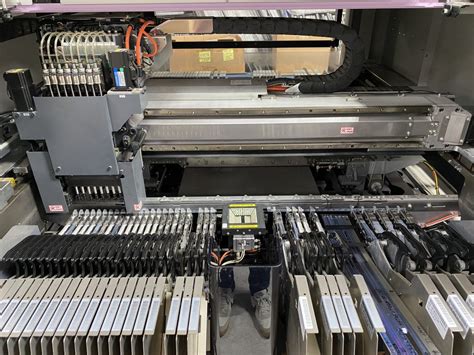
Rapid prototyping plays a crucial role in the field of electronic manufacturing, especially when it comes to quick turn PCB assembly services. The ability to swiftly produce printed circuit boards (PCBs) allows companies to test designs and functionalities without the extensive lead times traditionally associated with circuit board development. This efficiency not only fosters innovation but also assists in identifying issues early in the design process, reducing costly revisions later on.
One of the most significant benefits is the substantial reduction in time-to-market. With advanced PCB assembly techniques, businesses can move from concept to prototype much faster than before. This speed is essential in today’s highly competitive landscape, where being first can mean capturing a significant market share.
Moreover, rapid prototyping enables engineers and designers to experiment with their ideas more freely. By using pcba services that cater specifically to rapid development cycles, teams can iterate on designs quickly and implement feedback efficiently. The iterative process nurtured by these capabilities leads to a final product that better meets customer expectations and market demands.
In summary, embracing rapid prototyping through agile PCB assembly helps organizations streamline their product development processes, enhances creative freedom, and ultimately drives technological advancement within the industry.
| Benefit | Description |
|---|---|
| Speed | Reduced time-to-market through quick design cycles. |
| Flexibility | Ability to quickly iterate on designs based on feedback. |
| Cost-Effectiveness | Fewer resources spent correcting late-stage issues. |
| Enhanced Collaboration | Encourages teamwork among engineers and designers. |
| Improved Product Quality | Early detection of design flaws leads to better outcomes. |
How Quick Turn Services Accelerate Product Development
Quick turn PCB assembly services are pivotal for streamlining the product development lifecycle in today’s fast-paced technology landscape. By providing rapid prototyping solutions, these services enable manufacturers to transform concepts into functional prototypes within a significantly reduced timeframe. This acceleration allows companies to test, validate, and iterate designs more efficiently, thereby minimizing the traditional bottlenecks often associated with the development process. As organizations leverage PCBA techniques, they can achieve faster feedback loops from customers and stakeholders, which enhances decision-making and supports agile methodologies. With quick turn services in pcb assembly, businesses can adapt to market demands swiftly, ensuring that innovations reach the consumer faster than ever before. In essence, this efficiency not only reduces time-to-market but also fosters a culture of continuous improvement and innovation, which is vital for staying competitive in the electronic manufacturing sector.
Reducing Time-to-Market: The Role of PCB Assembly
In today’s fast-paced electronic manufacturing landscape, the significance of PCB assembly cannot be overstated. Quick turn PCB assembly services play a pivotal role in minimizing the time-to-market for new products, enabling companies to stay competitive. The process of pcba not only streamlines production cycles but also allows for rapid iteration during the prototyping phase. This adaptability is crucial for businesses aiming to launch innovative solutions quickly. As product designs evolve, the capacity to rapidly assemble and test pcba solutions ensures that developers can validate concepts and make necessary adjustments without prolonged delays. Furthermore, with robust logistics and precise manufacturing techniques inherent in quick turn services, companies benefit from reduced lead times, which directly corresponds to enhanced market responsiveness. By investing in efficient PCB assembly, organizations can navigate the complexities of product development with greater agility, ultimately driving forward their innovation agendas while keeping a keen eye on market demands.
Enhancing Innovation Through Rapid Prototyping Techniques
Rapid prototyping techniques play a pivotal role in the modern landscape of electronic manufacturing. By streamlining the pcb assembly process, these techniques enable designers and engineers to create functional prototypes in record time, encouraging a culture of innovation. The ability to turn ideas into tangible products swiftly means that feedback can be incorporated more effectively, allowing for iterative improvements throughout the design cycle. Moreover, quick turn pcba services reduce the barriers to experimentation, allowing teams to explore various concepts without the hefty time investment typically associated with traditional manufacturing methods. This flexibility not only accelerates product development but also enhances collaboration among cross-functional teams. As organizations seek to stay ahead in a competitive market, embracing rapid prototyping through advanced pcb assembly services will be crucial for cultivating continual innovation and maintaining agility in product design and development. Consequently, businesses harnessing these techniques can respond more dynamically to market demands and drive technological advancements forward.

Key Considerations for Choosing Quick Turn PCB Assembly
When selecting quick turn PCB assembly services, it is essential to consider several key factors that can significantly impact the efficiency and success of your project. The capabilities of the service provider are paramount; ensure they possess the technical expertise and manufacturing capabilities to handle complex designs or varying volumes. Additionally, evaluating their turnaround times is critical, as a faster process directly influences your time-to-market. It’s also wise to assess their quality control measures, ensuring they maintain high standards throughout the PCB assembly process. Consistency in quality is vital for achieving reliable prototypes and final products. Furthermore, consider the provider’s flexibility and willingness to collaborate; effective communication can lead to more innovative solutions during product development. Lastly, review their pricing structures carefully; while cost is an important factor, opting for the cheapest option may compromise quality. By paying attention to these considerations, you can choose a PCB assembly (PCBA) service that meets your specific rapid prototyping needs while enhancing overall project outcomes.
Case Studies: Success Stories in Rapid Prototyping
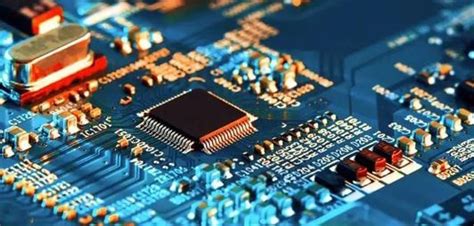
In the realm of pcb assembly, numerous organizations have leveraged quick turn PCB assembly services to streamline their product development cycles dramatically. For instance, a tech startup specializing in wearable health devices faced a tight deadline to launch their prototype before an industry conference. By utilizing rapid prototyping techniques and partnering with a service provider that offered efficient pcba, the company not only met its deadline but also refined its product based on feedback received during the event. This use of quick turn services enabled them to iterate designs swiftly, significantly enhancing their product’s functionality and appeal. Another illustrative case is that of an automotive electronics manufacturer that adopted quick turn pcb assembly services for emerging vehicle technologies. With the ability to produce high-quality prototypes in an accelerated timeframe, they were able to test various functionalities quickly, reducing overall development time and leading to faster integration of innovative features into their final designs. These success stories exemplify how quick turn PCB assembly services not only support rapid prototyping but also catalyze innovation across industries by allowing companies to respond nimbly to market demands and technological advancements.
Future Trends in Quick Turn PCB Assembly Solutions
As the landscape of electronics continues to evolve, quick turn PCB assembly services are becoming increasingly critical in the rapid prototyping phase. One notable trend is the integration of advanced technologies such as automation and artificial intelligence. These innovations streamline the pcba process, leading to enhanced accuracy and efficiency. Furthermore, the growing demand for shorter production cycles is encouraging manufacturers to adopt more flexible and agile manufacturing practices. This adaptability allows for easier adjustments in design modifications during the pcb assembly process, which is essential for responding to market feedback swiftly. Another trend is the rise of collaborative platforms that enable seamless communication between design teams and assembly service providers, improving transparency and fostering a collaborative spirit in product development. With sustainability becoming a priority across all industries, eco-friendly materials and processes are also gaining traction within quick turn services. As these trends develop, they will play a significant role in shaping not just the immediate future of rapid prototyping but also influencing broader manufacturing strategies in electronic production.
Conclusion
In summary, quick turn PCB assembly services have become indispensable for companies aiming to stay competitive in the fast-paced world of electronic manufacturing. These services not only enable rapid prototyping but also significantly streamline the overall development process. By utilizing pcba solutions, businesses can efficiently test and iterate their designs, leading to faster innovation cycles. Moreover, the ability to reduce lead times while maintaining high quality ensures that companies can respond promptly to market demands. Emphasizing agility through quick turn PCB assembly can ultimately enhance a company’s ability to deliver cutting-edge products, allowing them to not just keep pace with market evolution but also lead it. As the industry continues to evolve, leveraging these rapid prototyping techniques will be critical for organizations striving for excellence in product development.
FAQs
What are quick turn PCB assembly services?
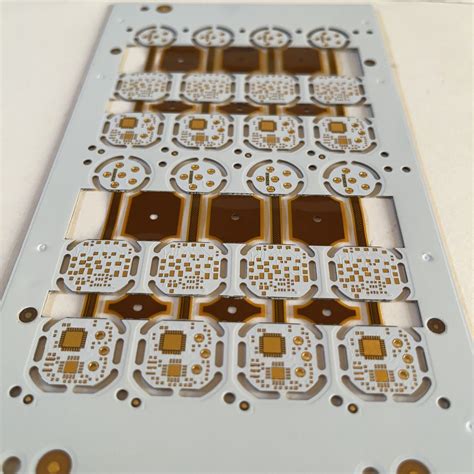
Quick turn PCB assembly services refer to the specialized manufacturing processes that allow for the rapid production of printed circuit boards (PCBs) and their assembly into complete electronic units. These services are essential for businesses looking to prototype and iterate their designs swiftly.
How do quick turn services benefit product development?
These services significantly enhance product development by shortening the overall timeline from concept to finished product. By utilizing pcb assembly techniques, companies can streamline their processes, allowing them to test and modify designs faster than traditional manufacturing methods would permit.
Why is reducing time-to-market important?
In today’s fast-paced technology landscape, reducing time-to-market is critical for maintaining competitive advantage. With effective PCBA, companies can respond more rapidly to market demands and customer feedback, ensuring that they meet emerging trends and requirements.
What role does rapid prototyping play in enhancing innovation?
Rapid prototyping through pcba allows engineers and designers to test new ideas quickly, fostering a culture of innovation within organizations. The ability to create functional prototypes in record time enables teams to experiment with new technologies and designs with minimal risk.
How can I choose the right quick turn PCB assembly provider?
When selecting a provider for pcb assembly, consider their track record in delivering quality products under tight deadlines. Look for certifications, customer reviews, and case studies that demonstrate their proficiency in handling rapid prototyping projects.