Rapid PCB Assembly: Revolutionizing Electronics Manufacturing
Introduction
In the fast-paced world of electronics manufacturing, time is of the essence. The ability to quickly design, prototype, and produce printed circuit boards (PCBs) is crucial for companies looking to stay competitive in an ever-evolving market. Rapid PCB assembly has emerged as a game-changing solution, enabling manufacturers to significantly reduce production timelines while maintaining high-quality standards. This article delves into the intricacies of rapid PCB assembly, exploring its benefits, processes, technologies, and the impact it has on the electronics industry.
Understanding Rapid PCB Assembly
Rapid PCB assembly refers to the expedited process of assembling printed circuit boards, which are the backbone of virtually all electronic devices. This process involves the placement of electronic components onto a PCB, followed by soldering to establish electrical connections. The goal of rapid PCB assembly is to minimize the time required to move from design to a fully functional PCB, often within days or even hours, depending on the complexity of the design.
The Need for Speed in PCB Assembly
The demand for rapid PCB assembly is driven by several factors:
- Shorter Product Life Cycles: In industries such as consumer electronics, product life cycles are becoming increasingly shorter. Companies must quickly bring new products to market to capitalize on trends and consumer demand.
- Prototyping and Testing: Rapid assembly allows for quick prototyping, enabling engineers to test and refine their designs in real-time. This iterative process is essential for innovation and ensuring product reliability.
- Customization and Low-Volume Production: With the rise of customized electronics and niche markets, manufacturers often need to produce small batches of PCBs quickly. Rapid assembly caters to this need without the high costs associated with traditional mass production.
- Competitive Advantage: Companies that can rapidly assemble and deliver PCBs gain a competitive edge by being first to market, responding swiftly to customer needs, and adapting to technological advancements.
The Rapid PCB Assembly Process
The rapid PCB assembly process involves several key steps, each optimized for speed and efficiency:
- Design and File Preparation: The process begins with the creation of a PCB design using electronic design automation (EDA) software. The design files, including Gerber files, bill of materials (BOM), and assembly drawings, are prepared and sent to the assembly house.
- Component Sourcing: Rapid assembly services often include component sourcing, where the assembly house procures the necessary electronic components based on the BOM. This step is critical, as delays in component availability can hinder the rapid assembly process.
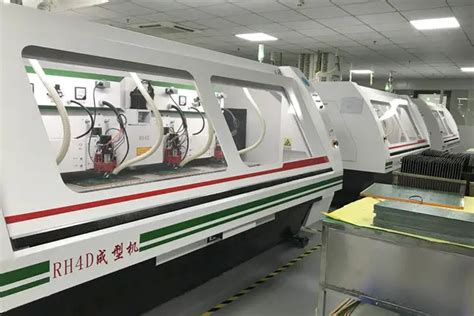
- PCB Fabrication: While rapid assembly focuses on the assembly of components, the PCB itself must first be fabricated. Advanced PCB fabrication techniques, such as laser drilling and automated optical inspection (AOI), ensure that the boards are produced quickly and with high precision.
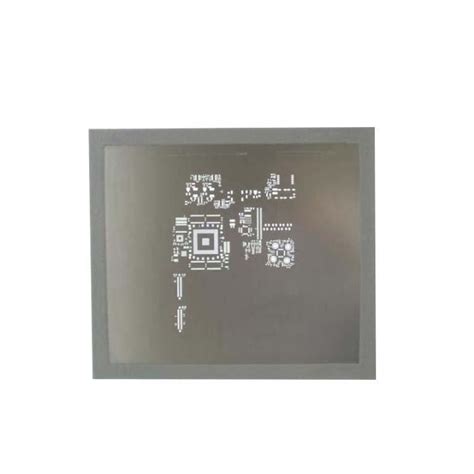
- Solder Paste Application: Solder paste is applied to the PCB using a stencil. This paste acts as the adhesive that will hold the components in place during the soldering process.
- Component Placement: Automated pick-and-place machines are used to accurately place surface-mount components onto the PCB. These machines can place thousands of components per hour, significantly speeding up the assembly process.
- Reflow Soldering: The PCB is passed through a reflow oven, where the solder paste is melted, creating permanent electrical connections between the components and the board.
- Inspection and Testing: After soldering, the PCB undergoes rigorous inspection and testing to ensure quality and functionality. Techniques such as AOI, X-ray inspection, and in-circuit testing (ICT) are employed to detect any defects or issues.
- Final Assembly and Packaging: Once the PCB passes inspection, it may undergo additional assembly steps, such as the attachment of through-hole components or enclosures. The final product is then packaged and prepared for shipment.
Technologies Enabling Rapid PCB Assembly
Several technologies have been instrumental in making rapid PCB assembly a reality:
- Automated Assembly Equipment: High-speed pick-and-place machines, automated soldering systems, and robotic assembly lines have drastically reduced the time required for PCB assembly.
- Advanced Software Tools: EDA software with features like real-time collaboration, design rule checking (DRC), and simulation capabilities streamline the design process, reducing the time from concept to production.
- Just-in-Time Manufacturing: This approach minimizes inventory and reduces lead times by sourcing components and materials as needed, rather than stockpiling them.
- Flexible Manufacturing Systems: These systems allow for quick changeovers between different PCB designs, enabling manufacturers to handle a variety of projects without significant downtime.
- 3D Printing for Prototyping: While not yet widely used for full-scale production, 3D printing is increasingly being used for rapid prototyping of PCBs, allowing for quick iteration and testing of designs.
Benefits of Rapid PCB Assembly
The adoption of rapid PCB assembly offers numerous benefits to manufacturers and their customers:
- Reduced Time-to-Market: By significantly shortening the assembly timeline, companies can bring products to market faster, capturing market share and staying ahead of competitors.
- Cost Efficiency: Rapid assembly reduces the need for large inventories and minimizes the risk of obsolescence, leading to cost savings.
- Improved Quality: Advanced inspection and testing techniques ensure that rapidly assembled PCBs meet high-quality standards, reducing the likelihood of defects and failures.
- Flexibility: Rapid assembly allows for quick adjustments to designs and the ability to handle small production runs, catering to the needs of diverse markets.
- Enhanced Innovation: The ability to quickly prototype and test new designs fosters innovation, enabling companies to explore new ideas and technologies without lengthy delays.
Challenges and Considerations
While rapid PCB assembly offers numerous advantages, it also presents certain challenges:
- Component Availability: The rapid assembly process relies on the timely availability of components. Supply chain disruptions or shortages can hinder the ability to assemble PCBs quickly.
- Design Complexity: Highly complex PCB designs may require more time for assembly and testing, potentially offsetting some of the speed benefits.
- Cost of Automation: Investing in automated assembly equipment and advanced software tools can be costly, particularly for smaller manufacturers.
- Quality Control: Ensuring consistent quality in a rapid assembly environment requires robust inspection and testing processes, which can add to the overall complexity.
The Future of Rapid PCB Assembly
As technology continues to advance, the future of rapid PCB assembly looks promising. Emerging trends such as the Internet of Things (IoT), 5G, and artificial intelligence (AI) are driving the demand for more complex and high-performance PCBs. Rapid assembly techniques will need to evolve to meet these demands, with a focus on further automation, advanced materials, and even faster production times.
Additionally, the integration of machine learning and AI into the assembly process could lead to smarter, more efficient manufacturing systems capable of self-optimization and predictive maintenance. This would further enhance the speed and reliability of rapid PCB assembly.
Conclusion
Rapid PCB assembly has revolutionized the electronics manufacturing industry, enabling companies to quickly and efficiently produce high-quality PCBs. By leveraging advanced technologies and streamlined processes, manufacturers can reduce time-to-market, lower costs, and foster innovation. While challenges remain, the continued evolution of rapid assembly techniques promises to keep pace with the ever-increasing demands of the electronics industry. As we look to the future, rapid PCB assembly will undoubtedly play a pivotal role in shaping the next generation of electronic devices.