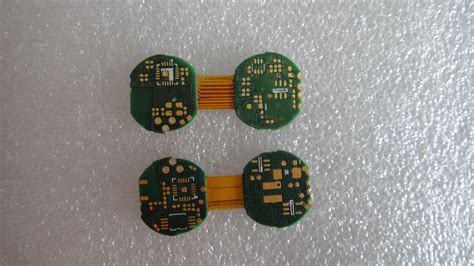
Rapid Prototype Flex PCB Supplier for Precision Engineering
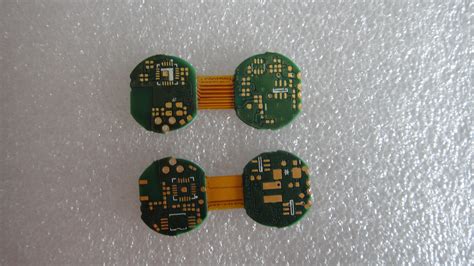
Key Takeaways
When selecting a PCB manufacturing partner for flexible circuitry, you need solutions that balance speed, precision, and scalability. Leading PCB manufacturing companies specialize in rapid prototyping, enabling you to iterate designs without compromising on performance or pcb manufacturing cost. For compact, lightweight applications, rigid-flex innovations demand expertise in material selection and layered fabrication—capabilities offered by advanced suppliers with vertically integrated workflows.
| Factor | Standard Manufacturing | Advanced Solutions |
|---|---|---|
| Turnaround Time | 2-3 weeks | 5-7 business days |
| Design Complexity | Limited layer stacking | 12+ layers with HDI |
| Cost Efficiency | Higher per-unit costs | Volume-based discounts |
"In precision engineering, the right pcb manufacturing business partner doesn’t just build boards—they co-develop solutions to meet your technical and timeline constraints."
For space-constrained tech, pcb manufacturing costs can be optimized through design-for-manufacturing (https://www.andwinpcba.com) enable faster prototyping while maintaining reliability. Whether you’re scaling production or refining prototypes, prioritize partners offering end-to-end testing and transparent pricing models to align with your project’s demands.
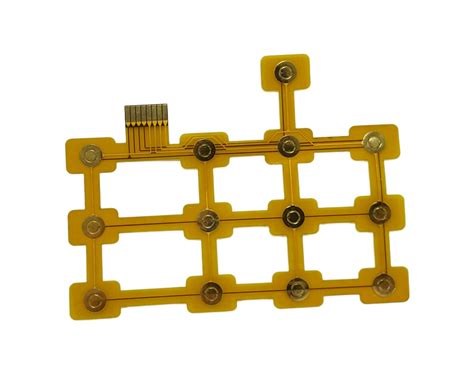
Rapid Prototyping Solutions for Flex PCB Integration
When integrating flexible circuits into complex systems, you need PCB manufacturing partners that prioritize speed without compromising precision. Leading PCB manufacturing companies leverage advanced laser direct imaging and automated optical inspection to accelerate prototyping cycles while maintaining tight tolerances for high-density interconnects. This approach reduces PCB manufacturing cost by minimizing material waste and rework, particularly critical for rigid-flex designs requiring alignment accuracies below 25µm.
For space-constrained applications like wearable tech or medical devices, rapid prototyping ensures your foldable circuitry adheres to mechanical stress specifications early in development. Partnering with a PCB manufacturing business specializing in flex solutions lets you validate thermal management strategies and impedance control parameters within days—not weeks. Advanced firms combine dynamic bend testing with 3D modeling software to simulate real-world performance, allowing iterative refinements before full-scale production.
Transitioning from prototype to volume manufacturing becomes seamless when your supplier’s design-for-manufacturability (DFM) team collaborates on layer stackup optimization and coverlay adhesion techniques. This alignment between engineering and fabrication stages ensures your lightweight, compact designs meet both performance benchmarks and accelerated timelines—key for staying competitive in fast-paced industries.
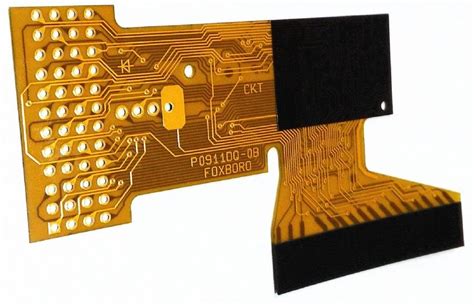
Precision-Engineered Rigid-Flex Circuitry Innovations
When designing compact, high-performance devices, PCB manufacturing must balance structural integrity with adaptability. Precision-engineered rigid-flex circuits address this by seamlessly integrating rigid and flexible substrates, enabling three-dimensional configurations that traditional boards cannot achieve. Leading PCB manufacturing companies leverage advanced material science to optimize layer stacking and trace routing, reducing PCB manufacturing cost while maintaining signal integrity in space-constrained applications.
These innovations are particularly critical for industries like aerospace and medical technology, where reliability under mechanical stress is non-negotiable. By employing laser-drilled microvias and ultra-thin polyimide films, manufacturers ensure dynamic flex endurance without compromising electrical performance. For businesses managing PCB manufacturing business operations, this translates to faster iteration cycles and reduced material waste—key factors in meeting tight prototyping deadlines.
Transitioning from design to production requires close collaboration between engineers and suppliers. Modern fabrication techniques, such as automated optical inspection (AOI) and impedance-controlled routing, allow for sub-millisecond alignment tolerances, ensuring consistency across batches. Whether you’re developing wearable tech or industrial sensors, rigid-flex solutions provide the geometric freedom to innovate while adhering to stringent weight and durability requirements.
US-Based Flex PCB Manufacturing for Compact Designs
When developing space-sensitive electronics, proximity to PCB manufacturing expertise becomes critical. Domestic PCB manufacturing companies specialize in producing ultra-thin, high-reliability flex circuits that fit tight geometries without compromising performance. By leveraging advanced laser ablation and automated optical inspection (AOI), these suppliers achieve tolerances under 2 mils—essential for wearables, medical implants, and aerospace systems where every millimeter matters.
A key advantage of local PCB manufacturing business operations is reduced lead times for design iterations. You gain direct access to engineers who optimize stack-ups for flex-rigid hybrids, ensuring seamless integration with rigid sections while minimizing PCB manufacturing cost. This collaborative approach accelerates prototyping, letting you test compact layouts faster than offshore alternatives.
Moreover, US-based facilities adhere to ITAR and IPC-6013 Class 3 standards, guaranteeing traceability and durability in high-vibration environments. Whether you’re scaling production or refining high-density interconnects, domestic partners balance precision with economies of scale—critical when transitioning from prototypes to volume orders. By prioritizing thermal management and signal integrity early in the design phase, you avoid costly redesigns and maintain alignment with PCB manufacturing timelines.
With domestic PCB manufacturing companies, you retain control over material selection—from polyimide substrates for extreme temperatures to low-loss dielectrics for RF applications—ensuring your compact designs meet both technical and regulatory demands.
Fast-Turn Flex Circuits for Lightweight Applications
When selecting a PCB manufacturing partner for lightweight electronics, you need solutions that balance speed, precision, and material efficiency. Leading PCB manufacturing companies specialize in rapid-turn flex circuits designed to meet strict weight and space constraints without compromising performance. By leveraging advanced laser etching and automated assembly, these suppliers reduce PCB manufacturing cost while delivering prototypes in as few as 24–48 hours—critical for iterative design cycles.
For compact applications like wearables or IoT devices, flex circuits enable seamless integration into irregular geometries, replacing bulky wiring harnesses. High-density interconnect (HDI) designs further minimize weight by optimizing copper layers and dielectric materials. However, managing PCB manufacturing business timelines requires close collaboration—experienced suppliers use design-for-manufacturing (DFM) analysis to preempt errors, ensuring your project stays on track.
This approach not only accelerates production but also aligns with sustainability goals. Thin, lightweight materials like polyimide reduce waste, while precision fabrication cuts excess material use. Whether you’re prototyping medical sensors or aerospace systems, prioritizing fast-turn fabrication ensures your designs meet both technical and market demands efficiently.
Cutting-Edge Flex PCB Design and Fabrication Services
When developing advanced electronics, you need PCB manufacturing partners that balance innovation with precision. Modern flex circuits demand expertise in material selection, layer stacking, and thermal management—all optimized for high-density applications. Leading PCB manufacturing companies leverage laser-direct imaging (LDI) and automated optical inspection (AOI) to ensure micron-level accuracy, critical for rigid-flex hybrids in aerospace or medical devices.
Your project’s PCB manufacturing cost depends on design complexity, substrate choices, and turnaround timelines. By integrating design-for-manufacturability (DFM) principles early, you reduce material waste and avoid costly revisions. For instance, 3D modeling tools enable virtual prototyping, identifying potential stress points in dynamic flex assemblies before fabrication begins.
In the competitive PCB manufacturing business, speed-to-market matters. Partnering with specialists offering 24/7 engineering support and rapid-turn tooling ensures your prototypes transition seamlessly to volume production. Whether you require ultra-thin polyimide layers or embedded components, these services prioritize scalability without compromising signal integrity—key for IoT wearables or miniaturized robotics.
By aligning with experts who understand both high-frequency performance and mechanical durability, you gain access to solutions that push the boundaries of what flexible circuits can achieve. This approach not only meets current technical demands but also future-proofs your designs against evolving industry standards.
High-Quality Prototype Flex Boards in Record Time
When you require PCB manufacturing services that prioritize both precision and speed, partnering with experienced PCB manufacturing companies becomes critical. Advanced fabrication techniques, such as laser direct imaging and automated optical inspection, enable suppliers to deliver high-quality prototype flex boards within compressed timelines—often as fast as 24–48 hours. These processes minimize human error while maintaining tight tolerances for complex designs, ensuring your rigid-flex circuits meet exact engineering specifications.
A key advantage lies in optimizing PCB manufacturing cost without compromising performance. By leveraging scalable production workflows and material efficiency protocols, providers reduce waste and accelerate turnaround. This is particularly valuable for iterative prototyping, where rapid design validation accelerates product development cycles. For businesses focused on compact, lightweight applications, streamlined PCB manufacturing business models ensure seamless transitions from prototype to full-scale production.
To maintain consistency, leading suppliers integrate real-time monitoring systems that track every stage of fabrication. This level of transparency guarantees that your flex boards achieve reliability standards even under aggressive deadlines. Whether you’re developing wearable tech or aerospace systems, the ability to source precision-engineered prototypes swiftly positions your projects ahead of competitors—proving that speed and quality aren’t mutually exclusive in advanced electronics.
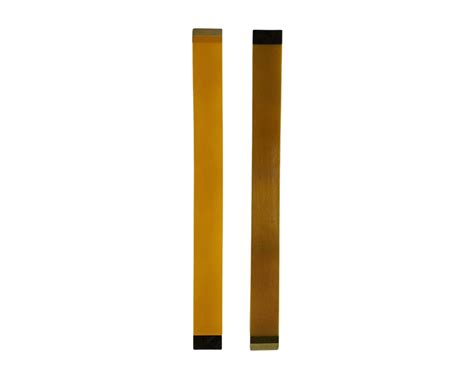
Advanced Rigid-Flex Solutions for Space-Constrained Tech
When designing compact devices, PCB manufacturing must balance structural integrity with spatial efficiency. Advanced rigid-flex circuits excel here, merging rigid segments for component stability and flexible zones for dynamic routing. This hybrid approach enables engineers to bypass traditional spatial limitations, making it ideal for wearables, medical devices, or aerospace systems where every millimeter counts. Leading PCB manufacturing companies leverage precision laser drilling and automated optical inspection to ensure reliability in ultra-thin, high-density designs.
While PCB manufacturing cost often scales with complexity, rigid-flex solutions reduce long-term expenses by minimizing interconnects and assembly steps. For startups or enterprises, partnering with a PCB manufacturing business specializing in rigid-flex ensures access to scalable production workflows. These providers optimize material selection—like polyimide substrates or low-loss dielectrics—to enhance signal integrity without compromising flexibility. By integrating design-for-manufacturing (DFM) feedback early, you avoid costly revisions and accelerate time-to-market for mission-critical applications.
Transitioning to rigid-flex doesn’t just solve spatial challenges—it future-proofs your designs against evolving miniaturization trends. Whether prototyping or scaling, aligning with experts who prioritize both precision and agility ensures your technology stays ahead in compact, high-performance markets.
Streamlined PCB Production for Precision Engineering Demands
When your projects demand precision-engineered solutions, PCB manufacturing processes must prioritize efficiency without compromising accuracy. Leading PCB manufacturing companies achieve this balance by integrating advanced automation, laser-guided alignment systems, and real-time quality monitoring. These technologies ensure tight tolerances for high-density interconnects and microvia structures—critical for aerospace, medical devices, and wearable tech.
A streamlined approach directly impacts PCB manufacturing cost by minimizing material waste and reducing iterative rework. For instance, automated panelization optimizes substrate usage, while predictive maintenance on fabrication equipment cuts downtime. This efficiency is particularly vital for rigid-flex designs, where even minor deviations can derail performance in space-constrained applications.
For businesses navigating the competitive PCB manufacturing business, speed-to-market hinges on adaptable workflows. Partnering with suppliers that offer concurrent engineering support—where design and production teams collaborate from prototyping—ensures seamless transitions from concept to functional boards. Such partnerships not only accelerate timelines but also embed design-for-manufacturability principles early, avoiding costly late-stage revisions.
By aligning your requirements with suppliers specializing in precision-driven processes, you gain access to scalable solutions that meet both technical specifications and budgetary constraints—proving that efficiency and excellence aren’t mutually exclusive in modern electronics development.
Conclusion
When navigating the complexities of PCB manufacturing for precision-driven projects, selecting the right partner becomes pivotal. Leading PCB manufacturing companies specialize in balancing speed, quality, and PCB manufacturing cost to deliver solutions that align with your engineering goals. For applications demanding compact, lightweight designs—such as aerospace or medical devices—advanced rigid-flex circuitry innovations ensure seamless integration without compromising performance.
By prioritizing rapid prototyping, these suppliers minimize lead times while maintaining rigorous quality standards, enabling you to test and refine designs efficiently. This approach is particularly critical in the PCB manufacturing business, where agility often dictates market competitiveness. Whether you’re scaling production or iterating prototypes, leveraging cutting-edge fabrication techniques ensures your designs meet space-constrained or high-reliability requirements.
Ultimately, the synergy between precision engineering and optimized PCB manufacturing processes empowers you to achieve faster time-to-market while controlling costs. Partnering with a supplier that understands both the technical nuances and commercial pressures of your industry positions your projects for success in an increasingly demanding technological landscape.
Frequently Asked Questions
How does rapid prototyping accelerate flex PCB development cycles?
By leveraging advanced design-to-fabrication workflows, PCB manufacturing companies reduce lead times from weeks to days. This ensures you validate precision-engineered designs faster, minimizing delays in product iterations.
What factors influence PCB manufacturing cost for rigid-flex circuits?
Costs depend on layer count, material selection (e.g., polyimide vs. FR4), and tolerance requirements. Partnering with specialized PCB manufacturing providers ensures transparent pricing while maintaining high-reliability standards.
Why choose US-based suppliers for compact PCB designs?
Local PCB manufacturing business hubs offer direct collaboration with engineers, ensuring seamless integration of high-density interconnects (HDIs) and adherence to strict aerospace/medical compliance requirements.
How do rigid-flex solutions optimize space-constrained applications?
Combining rigid and flexible layers eliminates connectors, reducing assembly complexity. This weight-saving approach is critical for wearables, drones, and IoT devices requiring lightweight PCB manufacturing solutions.
What quality checks ensure reliable prototype flex boards?
Reputable suppliers perform automated optical inspection (AOI), impedance testing, and thermal cycling to meet industry-leading PCB manufacturing benchmarks.
Explore Our PCB Manufacturing Solutions
For tailored rigid-flex prototyping and volume production, please click here to connect with our engineering team.