Raw material for pcb assembly
Importance Of High-Quality Raw Material for PCB Assembly
In the realm of electronics manufacturing, the significance of high-quality raw materials in printed circuit board (PCB) assembly cannot be overstated. The foundation of any electronic device, a PCB serves as the backbone that interconnects various components, ensuring the seamless operation of the entire system. Consequently, the choice of raw materials used in PCB assembly plays a pivotal role in determining the performance, reliability, and longevity of the final product.
To begin with, the substrate material, typically made of fiberglass-reinforced epoxy resin, is crucial for providing structural integrity and electrical insulation
High-quality substrates ensure that the PCB can withstand mechanical stresses and thermal cycling, which are common in electronic devices. Inferior substrates, on the other hand, may lead to warping, delamination, or even catastrophic failure under operational conditions. Therefore, selecting a substrate with the appropriate thermal and mechanical properties is essential for maintaining the overall durability of the PCB.
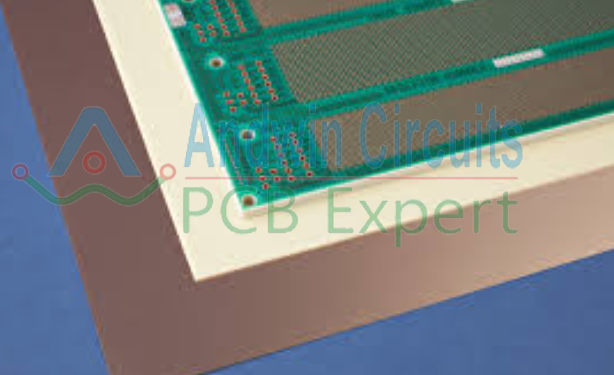
In addition to the substrate, the copper foil used for creating conductive pathways is another critical raw material.
The thickness and purity of the copper foil directly impact the electrical performance of the PCB. High-purity copper ensures low electrical resistance, which is vital for efficient signal transmission and power distribution. Moreover, the adhesion between the copper foil and the substrate must be robust to prevent issues such as lifting or peeling during the manufacturing process or in the field. Thus, investing in high-quality copper foil is indispensable for achieving optimal electrical performance and long-term reliability.
Furthermore, the solder mask, a protective layer applied over the copper traces, plays a significant role in safeguarding the PCB from environmental factors such as moisture,
dust, and chemical contaminants. A high-quality solder mask not only enhances the PCB’s resistance to corrosion and oxidation but also improves its dielectric properties, thereby reducing the risk of short circuits. Additionally, the solder mask aids in the precise application of solder during component placement, ensuring strong and reliable connections. Consequently, the use of superior solder mask materials is essential for maintaining the integrity and functionality of the PCB.
Equally important are the surface finishes applied to the exposed copper areas of the PCB.
These finishes, such as gold, silver, or tin, protect the copper from oxidation and provide a reliable surface for soldering components. The choice of surface finish depends on factors such as cost, solderability, and environmental considerations. High-quality surface finishes ensure consistent solder joints, which are crucial for the electrical and mechanical stability of the assembled PCB. Therefore, selecting the appropriate surface finish material is a key aspect of ensuring the overall quality of the PCB assembly.
Moreover, the quality of the solder paste used in the assembly process is paramount.
Solder paste, a mixture of solder alloy and flux, is responsible for creating strong and conductive joints between components and the PCB. High-quality solder paste ensures uniform deposition, excellent wetting properties, and minimal void formation, all of which contribute to the reliability of the solder joints. Poor-quality solder paste can lead to issues such as cold joints, bridging, or insufficient solder, ultimately compromising the performance and durability of the PCB assembly.
In conclusion, the importance of high-quality raw materials in PCB assembly cannot be emphasized enough. From the substrate and copper foil to the solder mask, surface finishes, and solder paste, each material plays a crucial role in determining the performance, reliability, and longevity of the final product. By investing in superior raw materials, manufacturers can ensure that their PCBs meet the stringent demands of modern electronic devices, thereby delivering exceptional value to their customers.
Common Raw Materials Used In PCB Manufacturing
Printed Circuit Boards (PCBs) are the backbone of modern electronic devices, serving as the foundation upon which electronic components are mounted and interconnected. The manufacturing of PCBs involves a variety of raw materials, each playing a crucial role in ensuring the functionality, reliability, and durability of the final product. Understanding these materials is essential for anyone involved in the design, production, or utilization of PCBs.
One of the primary raw materials used in PCB manufacturing is the substrate, which provides the physical structure for the board.
The most commonly used substrate material is fiberglass-reinforced epoxy resin, known as FR4. FR4 is favored for its excellent mechanical strength, electrical insulation properties, and resistance to moisture. It serves as a stable base that can withstand the thermal and mechanical stresses encountered during the assembly and operation of electronic devices.
In addition to the substrate, copper is another critical raw material in PCB manufacturing.
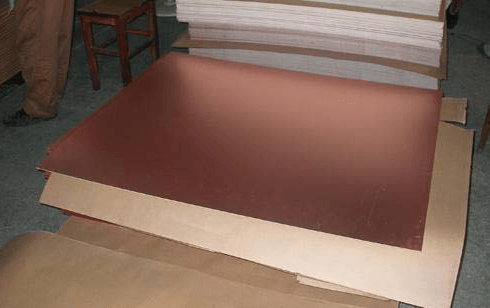
Copper is used to create the conductive pathways, or traces, that connect different components on the board. These traces are formed by laminating a thin layer of copper onto the substrate and then etching away unwanted areas to leave the desired circuit pattern. The thickness of the copper layer can vary depending on the specific requirements of the PCB, with common thicknesses ranging from 1 to 3 ounces per square foot. Copper’s excellent electrical conductivity and malleability make it an ideal choice for this purpose.
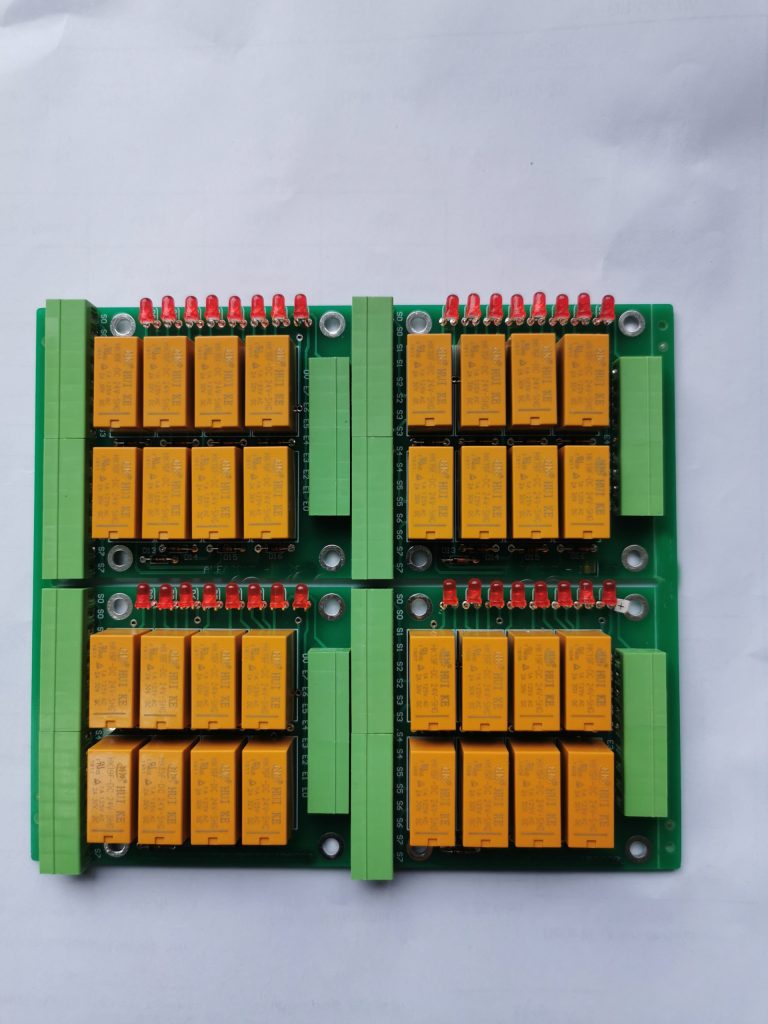
To protect the copper traces and ensure the longevity of the PCB, a solder mask is applied over the surface of the board. The solder mask is typically made from a liquid photoimageable (LPI) material that is applied as a thin coating and then cured using ultraviolet (UV) light. This layer not only prevents oxidation and corrosion of the copper traces but also helps to prevent solder bridges during the assembly process by covering areas that should not be soldered. The solder mask is usually green, although other colors such as red, blue, and black are also available.
Another essential raw material in PCB manufacturing is the silkscreen, which is used to print text and symbols on the board’s surface.
The silkscreen layer is typically applied using a white epoxy ink, which provides high contrast against the solder mask and makes it easier to identify components and reference designators during assembly and troubleshooting. This layer is crucial for ensuring that the PCB can be accurately assembled and maintained.
Furthermore, the choice of solder is vital in PCB assembly.
Solder is used to attach electronic components to the copper traces, creating a secure and electrically conductive connection. Traditionally, tin-lead solder was widely used due to its low melting point and excellent wettability. However, due to environmental and health concerns, lead-free solder alloys, such as those based on tin-silver-copper (SAC) compositions, have become more prevalent. These lead-free solders offer comparable performance while complying with regulations such as the Restriction of Hazardous Substances (RoHS) directive.
In conclusion, the manufacturing of PCBs relies on a diverse array of raw materials, each contributing to the board’s overall performance and reliability. From the sturdy FR4 substrate and conductive copper traces to the protective solder mask and informative silkscreen, each material plays a vital role in the complex process of PCB production. By understanding the properties and functions of these materials, manufacturers can ensure the creation of high-quality PCBs that meet the demanding requirements of modern electronic devices.
Impact Of Raw Material Selection On PCB Performance
The selection of raw materials for printed circuit board (PCB) assembly is a critical factor that significantly influences the overall performance, reliability, and longevity of the final product. As the foundation upon which electronic components are mounted, the PCB must exhibit properties that ensure optimal functionality under various operating conditions. Consequently, the choice of materials used in PCB fabrication is not merely a matter of cost but a strategic decision that impacts the entire lifecycle of the electronic device.
To begin with, the substrate material, typically a fiberglass-reinforced epoxy laminate known as FR4, plays a pivotal role in determining the mechanical and thermal properties of the PCB.
FR4 is favored for its excellent strength-to-weight ratio, thermal stability, and electrical insulation properties. However, for high-frequency applications, materials such as Rogers laminates, which offer lower dielectric losses and better signal integrity, are often preferred. The dielectric constant and loss tangent of the substrate material directly affect signal propagation speed and attenuation, thereby influencing the performance of high-speed and high-frequency circuits.
In addition to the substrate, the choice of copper cladding is equally important.
Copper is the standard material for PCB traces due to its superior electrical conductivity. The thickness of the copper layer, measured in ounces per square foot, determines the current-carrying capacity of the traces. Thicker copper layers are necessary for high-power applications to prevent overheating and ensure efficient power distribution. However, thicker layers also increase the overall cost and complexity of the PCB manufacturing process. Therefore, a balance must be struck between performance requirements and economic considerations.
The solder mask, another crucial component, serves to protect the copper traces from oxidation and prevent solder bridges during the assembly process.
The material and color of the solder mask can affect the thermal management and aesthetic appeal of the PCB. Green is the most common color due to its optimal balance of visibility and performance, but other colors such as black, white, and blue are also used based on specific application needs. The thermal properties of the solder mask material are particularly important in high-temperature environments, where inadequate protection can lead to premature failure of the PCB.
Furthermore, the selection of surface finish for the PCB pads is a key determinant of solderability and long-term reliability.
Common finishes include Hot Air Solder Leveling (HASL), Electroless Nickel Immersion Gold (ENIG), and Organic Solderability Preservative (OSP). Each finish has its advantages and limitations. For instance, HASL is cost-effective and provides good solderability but may not be suitable for fine-pitch components due to its uneven surface. ENIG, on the other hand, offers a flat surface and excellent corrosion resistance but is more expensive. The choice of surface finish must align with the specific requirements of the application, including factors such as component density, environmental conditions, and expected lifespan.
Moreover, the type of solder used in PCB assembly, whether lead-based or lead-free, has implications for both performance and regulatory compliance.
Lead-free solders, mandated by regulations such as the Restriction of Hazardous Substances (RoHS) directive, typically have higher melting points and different mechanical properties compared to traditional lead-based solders. This necessitates adjustments in the assembly process and can impact the thermal cycling performance of the PCB.
In conclusion, the selection of raw materials for PCB assembly is a multifaceted decision that requires careful consideration of various factors, including electrical, thermal, and mechanical properties, as well as regulatory and economic constraints. By understanding the impact of each material choice on PCB performance, manufacturers can optimize their designs to meet the stringent demands of modern electronic applications.
Sustainable Sourcing Of Raw Materials For PCB Production
The sustainable sourcing of raw materials for printed circuit board (PCB) production is an increasingly critical consideration in the electronics industry. As the demand for electronic devices continues to surge, the environmental and social impacts of raw material extraction and processing have come under greater scrutiny. Consequently, manufacturers are seeking ways to ensure that their supply chains are not only efficient but also environmentally responsible and ethically sound.
One of the primary raw materials used in PCB production is copper, which serves as the conductive layer in the circuit boards.
Copper mining, however, is associated with significant environmental degradation, including deforestation, soil erosion, and water pollution. To mitigate these impacts, companies are turning to recycled copper as a more sustainable alternative. Recycling copper not only reduces the need for new mining operations but also conserves natural resources and decreases energy consumption. Furthermore, the use of recycled copper can significantly lower greenhouse gas emissions, contributing to the fight against climate change.
In addition to copper, other essential materials for PCB production include fiberglass and epoxy resins, which form the substrate of the boards.
The production of fiberglass involves the extraction of silica from sand, a process that can lead to habitat destruction and biodiversity loss. To address these concerns, manufacturers are exploring the use of alternative materials such as bio-based composites. These composites, derived from renewable resources like plant fibers, offer a more sustainable option by reducing reliance on non-renewable resources and minimizing environmental impact.
Epoxy resins, on the other hand, are typically derived from petroleum, a finite resource with a significant carbon footprint.
To promote sustainability, researchers are developing bio-based epoxy resins made from natural oils and other renewable feedstocks. These bio-based resins not only reduce dependence on fossil fuels but also offer improved biodegradability, further lessening their environmental impact.
The sourcing of raw materials for PCB production also raises important ethical considerations.
Many of the minerals used in electronics, such as tin, tantalum, tungsten, and gold, are mined in conflict-affected regions where human rights abuses and labor exploitation are prevalent. To ensure ethical sourcing, companies are increasingly adopting responsible sourcing practices and adhering to international standards such as the OECD Due Diligence Guidance for Responsible Supply Chains of Minerals from Conflict-Affected and High-Risk Areas. By implementing rigorous due diligence processes, manufacturers can trace the origins of their raw materials and verify that they are sourced from conflict-free and socially responsible suppliers.
Moreover, collaboration with industry initiatives such as the Responsible Minerals Initiative (RMI) can further enhance transparency and accountability in the supply chain.
The RMI provides tools and resources to help companies conduct due diligence and engage with suppliers to promote responsible sourcing practices. By participating in such initiatives, manufacturers can demonstrate their commitment to ethical sourcing and contribute to the broader goal of sustainable development.
In conclusion, the sustainable sourcing of raw materials for PCB production is a multifaceted challenge that requires a holistic approach. By prioritizing the use of recycled and bio-based materials, adhering to ethical sourcing standards, and engaging with industry initiatives, manufacturers can significantly reduce the environmental and social impacts of their supply chains. As the electronics industry continues to evolve, the adoption of sustainable sourcing practices will be essential in ensuring that technological advancements are achieved without compromising the well-being of our planet and its inhabitants.