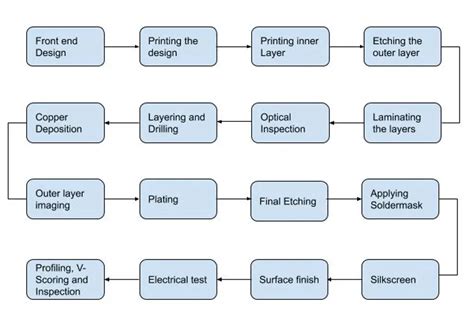
“Revolutionizing Custom PCB Production: Your Path to Precision and Performance”
Key Takeaways
In the world of “pcb manufacturing,” understanding the landscape and its evolution is crucial. You have likely observed how advancements in technology have reshaped the capabilities of pcb manufacturing companies. From initial designs to finished products, each step in the pcb manufacturing business is now guided by precision and efficiency, driven by innovative solutions. One significant aspect to appreciate is how pcb manufacturing cost has been influenced by improvements in machinery and materials. You will find that rapid prototyping plays a pivotal role, allowing you to test and refine your designs quickly and cost-effectively. The integration of automation has further transformed processes, making it possible for you to enhance production speeds while maintaining high-quality standards. By selecting high-quality materials, you are not just investing in performance but also ensuring the reliability of your designs. In conclusion, as you navigate this evolving field, remember that keeping abreast of these key takeaways will empower your projects and enhance your competitive edge in the market.
The Evolution of Custom PCB Production: Key Milestones
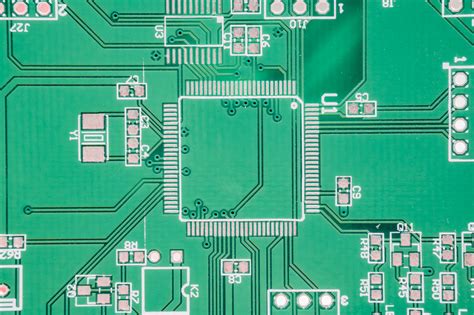
The journey of custom PCB production is marked by significant milestones that reflect the growth and innovation within the pcb manufacturing sector. Initially rooted in simple designs, developments in technology have ushered in complex configurations that cater to the demanding needs of today’s electronic devices. Inventive processes adopted by various pcb manufacturing companies have fundamentally transformed how circuits are designed and produced. Early methods relied heavily on manual labor, but as you look at modern practices, automation has become a driving force behind efficiency and accuracy. This shift not only reduces the pcb manufacturing cost, but also accelerates the turnaround time for projects through rapid prototyping. Today, it’s essential to recognize how these changes impact your project outcomes—ensuring that you not only meet deadlines but exceed quality expectations. By leveraging advancements in materials and fabrication techniques, manufacturers can now create robust designs that are scalable for mass production. This evolution has made it easier for you to find a pcb manufacturing business that aligns with your requirements, leading to reliable partnerships that enhance your project success.
“Innovation is driven by collaboration; engage with manufacturers who prioritize technology to elevate your designs.”
Integrating Cutting-Edge Technologies in PCB Manufacturing
In today’s fast-paced technological environment, pcb manufacturing has seen remarkable integration of cutting-edge technologies that are reshaping how designs are executed. By leveraging advanced software tools and automated machinery, pcb manufacturing companies can achieve an unprecedented level of accuracy and efficiency. For instance, the use of automated optical inspection (AOI) systems allows for real-time monitoring of production processes, significantly reducing the likelihood of defects. Additionally, employing computer-aided design (CAD) has revolutionized how you conceptualize and execute your layouts—facilitating more intricate designs without compromising performance. The digitization of pcb manufacturing processes not only streamlines workflows but also offers you a way to minimize costs, thereby enhancing your competitive edge in the pcb manufacturing business. Overall, integrating these technologies ensures that you can keep pace with market demands while delivering high-quality products that reflect your commitment to innovation.
The Role of Rapid Prototyping in Modern Design
In the realm of custom PCB production, rapid prototyping stands out as an essential component that accelerates the design process and significantly enhances your workflow. By utilizing advanced pcb manufacturing techniques, you can quickly transform your concepts into functional prototypes, facilitating an iterative design approach that saves both time and resources. This agility allows you to test various configurations and components efficiently, helping you to identify potential issues early in the design phase.
Moreover, collaborating with pcb manufacturing companies that specialize in rapid prototyping ensures you have access to state-of-the-art technologies and expertise. This partnership can greatly influence the pcb manufacturing cost, making it more manageable for projects of various scales. The ability to produce high-quality prototypes swiftly not only improves your project timeline but also allows you to iterate rapidly based on performance feedback.
In essence, rapid prototyping lowers the barriers often associated with traditional pcb manufacturing business practices, enabling designers and engineers like yourself to experiment with bold ideas without incurring substantial costs or delays. As a result, it becomes a critical tool for fostering innovation within your projects, ensuring that you capitalize on the latest advancements in electronics design.
Enhancing Efficiency through Automation: A Game Changer
In the realm of pcb manufacturing, automation has emerged as a pivotal factor in revolutionizing production efficiency. As you delve into the world of pcb manufacturing companies, you will notice the remarkable shift towards automation, where advanced machinery and software solutions are optimizing workflows and significantly reducing human error. This evolution is not just about speed; it’s also about improving the overall quality of the finished products. Automated systems allow for precise control over each stage of production, ensuring that standards are consistently met and reducing the pcb manufacturing cost associated with defects and rework.
Moreover, this embrace of automation enables pcb manufacturing businesses to scale operations seamlessly. You can harness technologies such as robotics, AI-driven analytics, and Internet of Things (IoT) devices to monitor performance in real-time, identifying bottlenecks before they become a problem. As these technologies mature, they not only enhance your production capabilities but also contribute to more sustainable practices by minimizing waste. Adopting such innovative processes positions you competitively in an industry where precision and reliability are paramount—a true game changer in today’s fast-paced market.
Selecting High-Quality Materials for Optimal Performance
When it comes to pcb manufacturing, the choice of materials is paramount in achieving optimal performance and reliability. You should consider a variety of materials that cater to the specific requirements of your design. For instance, FR-4 is the most commonly used material in pcb manufacturing companies due to its excellent electrical insulation and mechanical properties. However, if your application demands superior thermal conductivity or higher frequencies, you might opt for materials like PTFE or specialized ceramics.
Understanding the impact of material selection not only influences the pcb manufacturing cost but also affects the overall performance of your product. Here’s a simplified comparison of some popular materials used in PCB production:
| Material | Key Properties | Typical Applications |
|---|---|---|
| FR-4 | Good insulation, cost-effective | Standard electronic devices |
| PTFE | High-frequency performance | RF applications, aerospace |
| Aluminum | Exceptional thermal management | LED lighting, power electronics |
| Rogers | Low-loss at high frequencies | Communication devices, antennas |
By evaluating these characteristics and aligning them with your project needs, you can effectively reduce costs while enhancing performance throughout your pcb manufacturing business workflow. Additionally, selecting high-quality materials contributes significantly to the reliability and scalability of your designs, ensuring that they can meet evolving industry demands. Making informed decisions about material selection ultimately positions you for success in a competitive landscape filled with innovative practices and technologies.
Scaling Up: From Prototyping to Mass Production
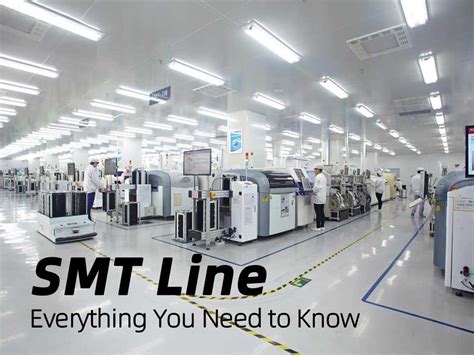
Transitioning from prototyping to mass production in PCB manufacturing is a critical phase for any electronic design project. You must recognize that this stage requires a different approach to ensure that your designs maintain the same level of quality and performance achieved in the prototype phase. By collaborating with established PCB manufacturing companies, you can leverage their expertise to facilitate this scaling process. These companies utilize advanced technologies and techniques, such as automated assembly lines and sophisticated quality control systems, which significantly reduce the PCB manufacturing cost while enhancing overall efficiency.
As you scale up, consider the importance of integrating flexible processes that can adapt to varying production volumes. It’s essential to evaluate how your specific PCB manufacturing business can benefit from these innovations, allowing for a smoother transition that meets market demands without compromising on reliability. Staying focused on high-quality materials during this phase ensures that your mass-produced boards will perform reliably under operational conditions, supporting long-term project success. By prioritizing these aspects, you position your projects for not only immediate success but also for sustainable growth in an increasingly competitive landscape.
Ensuring Reliability in Custom PCB Designs
When it comes to custom PCB production, ensuring reliability is paramount. You rely on pcb manufacturing processes that integrate rigorous testing and quality assurance measures to avoid failures in your designs. PCB manufacturing companies often utilize advanced testing methodologies such as flying probe tests, automated optical inspection (AOI), and X-ray inspection to identify potential issues early in the production phase. These technologies allow you to detect defects or inconsistencies that could lead to catastrophic performance failures after deployment.
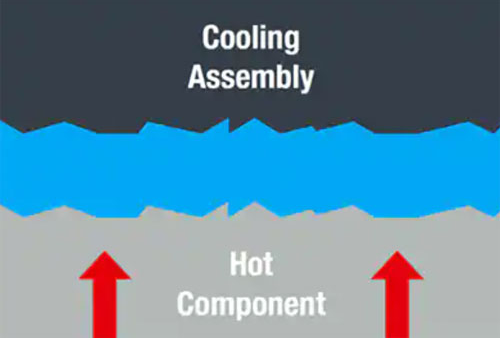
Furthermore, you should consider the importance of selecting materials that possess robust thermal and electrical properties. Using high-quality, reliable materials not only minimizes the risk of failure but also enhances the overall longevity of your custom boards. The pcb manufacturing cost may vary based on the choice of materials, but investing in premium components ensures that your projects meet stringent reliability standards. In a competitive pcb manufacturing business, maintaining high quality over all aspects of production can set you apart from others and solidify your reputation as a dependable designer or engineer.
In summary, prioritizing reliability during custom PCB design is crucial for efficiency and sustainability throughout your project lifecycle. By leveraging advanced testing procedures and high-quality materials, you can ensure that your designs meet performance expectations while minimizing costs associated with rework and repairs.
Future Trends in Custom PCB Production and Their Impact
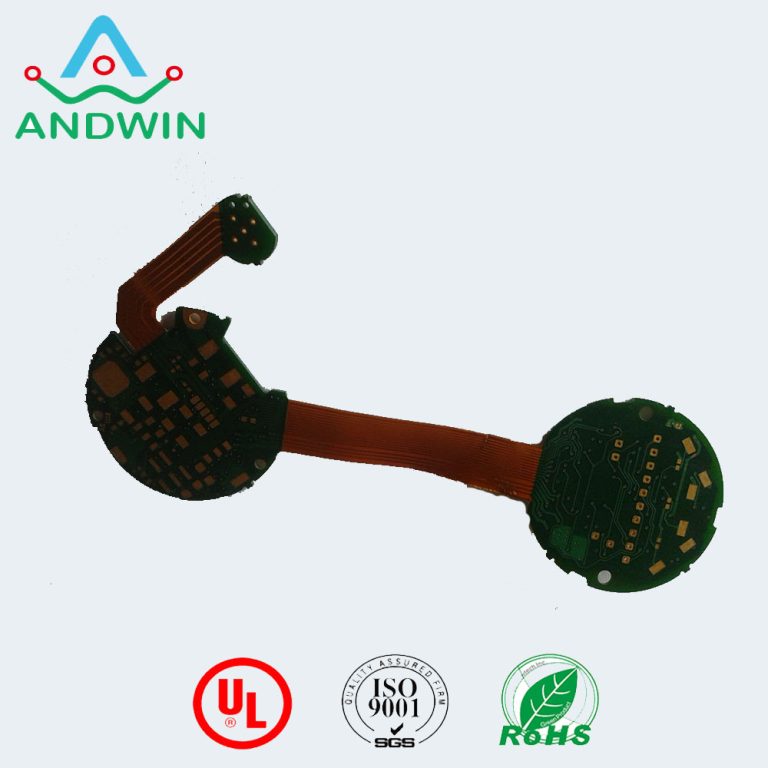
As you navigate the ever-evolving landscape of custom PCB production, it is essential to stay informed about the future trends that will shape the industry. With the rise of smart technology and IoT products, pcb manufacturing is leaning towards increased miniaturization and functionality. Innovations in materials science, for instance, are leading to the development of flexible and more durable substrates, enhancing both performance and adaptability in various applications. Moreover, as sustainability becomes a priority, many pcb manufacturing companies are now focusing on eco-friendly processes and materials that minimize waste and energy consumption.
The integration of AI-driven design tools is another exciting advancement that promises to revolutionize your experience in PCB design. By employing advanced algorithms, these tools can optimize layouts more intelligently than ever before. Furthermore, consider how additive manufacturing techniques are poised to lower the pcb manufacturing cost, enabling rapid iterations without compromising quality.
As you seek to scale up your pcb manufacturing business, understanding these trends can significantly impact your competitive advantage. Embracing automation will not only increase efficiency but also help ensure reliability at every stage of production. The future is bright for those who adapt quickly; staying ahead means incorporating these innovative practices into your processes now. Overall, being proactive about seeking advancements in technology and materials will ultimately enhance not only performance but also drive meaningful growth in your custom PCB endeavors.
Conclusion
In the ever-evolving landscape of custom PCB production, understanding the nuances of PCB manufacturing is crucial for professionals in the field. As you navigate through various PCB manufacturing companies, it is essential to evaluate not only their offerings but also the associated PCB manufacturing costs. A well-informed choice can significantly impact your project’s success, particularly when scalability and quality are paramount. The shift towards automation and the incorporation of advanced technologies are not merely trends; they represent a transformation in how the PCB manufacturing business operates, leading to profoundly improved efficiencies and capability for rapid prototyping. By leveraging these advancements, you can enhance not only the precision of your designs but also their performance in practical applications. Ultimately, your ability to stay abreast of these developments will empower you to forge a path toward unmatched reliability and scalability, crucial factors that define excellence in electronic design and production.
FAQs
When considering pcb manufacturing, you might have several questions that arise during the process. Understanding the intricacies of pcb manufacturing companies can greatly enhance your ability to choose the right partner for your projects. For instance, you may wonder about the factors that influence pcb manufacturing cost. Prices can vary significantly based on the complexity of your design, materials used, and the production volume required. By familiarizing yourself with these elements, you can better estimate your needs and budget accordingly.
Additionally, exploring how to select a reliable pcb manufacturing business is vital. Look for companies with a proven track record in delivering high-quality products, as well as certifications that ensure compliance with industry standards. Engaging with reputable manufacturers not only guarantees quality but can also provide insights into best practices that elevate your project’s overall performance.
If you’re navigating through these queries and seeking further information on how to streamline your experience in custom PCB production, consider reaching out to experts in the field. Their guidance could prove invaluable in optimizing both cost and quality for your next project.