Revolutionizing Design: The Rise of Custom Flex PCBs in Modern Electronics
Key Takeaways
As you delve into the world of custom flex PCBs, it’s essential to recognize their significant advantages in today’s rapidly evolving electronics landscape. One of the most compelling aspects of custom flex PCB technology is its remarkable adaptability, which is a game changer in the pcb manufacturing sector. Traditional rigid boards are often limited by size and shape, but the engineering flexibility offered by custom designs allows for complex geometries that fit snugly into compact spaces, catering to your specific project needs. This capability not only enhances aesthetic appeal but also plays a crucial role in optimizing overall performance, something you should consider when evaluating pcb manufacturing companies.
Moreover, custom flex PCBs excel in improving heat dissipation—a vital factor that cannot be overlooked in today’s electronics where thermal management can dictate longevity and reliability. By integrating innovations from pcb manufacturing, you can significantly reduce potential heat buildup, thus prolonging the life of your devices. Understanding the pcb manufacturing cost involved also adds value to your decision-making process; while custom solutions might initially appear pricier than conventional options, their long-term benefits often outweigh upfront investments.
Ultimately, embracing the potential of custom flex PCBs within your projects can redefine your approach to design and functionality. This shift not only positions you ahead of competitors who rely solely on rigid board technology but also opens up new avenues for innovation across various domains—truly a leap forward in the realm of electronics design and manufacturing.
Introduction to Custom Flex PCBs: A Game Changer in Electronics Design
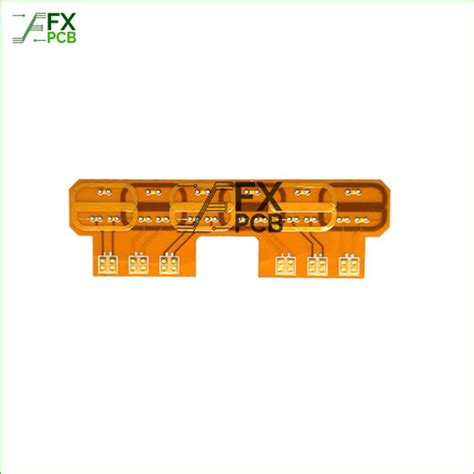
Custom flex PCBs are rapidly transforming the landscape of modern electronics design, offering unparalleled flexibility and adaptability that traditional rigid circuit boards simply cannot match. By allowing you to create unique designs tailored to your specific needs, these innovative solutions enable your projects to reach new heights in terms of functionality and aesthetics. As more pcb manufacturing companies embrace this technology, you can expect a significant shift in how electronic devices are conceived and constructed.
With the ability to conform to various shapes and sizes, custom flex PCBs facilitate integration into compact spaces where conventional circuit boards might struggle. This is particularly beneficial for consumer electronics, wearables, and medical devices that require miniaturized components. Furthermore, the pcb manufacturing cost associated with producing these boards is becoming increasingly competitive as advancements in technology streamline the fabrication processes.
| Feature | Custom Flex PCBs | Traditional Rigid PCBs |
|---|---|---|
| Design Flexibility | High | Low |
| Compact Integration | Excellent | Limited |
| Cost Efficiency | Competitive | Often Higher |
| Heat Dissipation | Improved | Standard |
The robust performance of custom flex circuitry leads to enhanced reliability, addressing critical challenges such as heat dissipation and mechanical stress. As an engineer or designer in the pcb manufacturing business, embracing this game-changing technology will not only optimize your designs but also set you apart in a highly competitive market. The integration of custom flex PCBs into your projects signifies a commitment to innovation, ultimately reshaping the expectations for what modern electronics can achieve.
The Versatility of Custom Flex PCBs: Applications Across Industries
The advent of custom flex PCBs has opened new horizons across various industries, allowing for innovative design solutions that were previously challenging to achieve. In the realm of pcb manufacturing, these flexible circuit boards facilitate intricate designs and unique layouts that cater to specific application needs. Whether you are looking at consumer electronics, medical devices, or aerospace components, the adaptability of custom flex PCBs contributes significantly to functionality while minimizing pcb manufacturing costs. Moreover, the benefits extend to improving efficiency in production processes managed by leading pcb manufacturing companies, who can swiftly adapt to changing technology demands and consumer needs. The flexibility of these circuit boards ensures that they can fit into even the most compact designs without compromising on performance or reliability. This capability empowers engineers in their quest for optimum solutions across industries, affirming the vital role that custom flex PCB technology plays in everyday electronics. With a growing demand for intelligent design in a fast-paced market, it’s clear that embracing custom flexible circuitry is essential for those invested in advancing the pcb manufacturing business landscape. For more insights on cutting-edge PCB solutions, you can explore Andwin PCB.
Enhancing Heat Dissipation: The Benefits of Flex Circuit Technology
In the world of pcb manufacturing, the ability to effectively manage heat is paramount. Custom flex PCBs stand out for their inherent design and material properties that facilitate superior heat dissipation. By utilizing flexible materials, these circuit boards can be engineered to distribute heat more evenly across the surface, minimizing hot spots that can lead to component failure. This feature is especially crucial in compact electronic devices where space is a premium, and overheating can severely compromise performance. When considering pcb manufacturing companies, it’s important to prioritize those that leverage advanced techniques in flexible circuit technology. By doing so, they not only address thermal management challenges but also help optimize the overall pcb manufacturing cost, allowing engineers to create more durable and efficient products.
“Investing in advanced pcb manufacturing solutions can lead to significant long-term savings by enhancing reliability and reducing failure rates.”
Furthermore, the integration of flex circuits allows for innovative design choices that accommodate varying geometries while maintaining optimal thermal performance. Thus, as you explore the landscape of pcb manufacturing business, consider how embracing custom flex PCB technology can revolutionize your approach to heat management, granting you a competitive edge in an ever-evolving electronic market.
Optimizing Space: How Custom Flex PCBs Facilitate Compact Designs
Custom flex PCBs play a crucial role in optimizing space within modern electronic devices. Their unique design allows for greater flexibility, enabling you to create complex configurations that fit seamlessly into confined areas. Unlike traditional rigid boards, flex circuits can be bent, twisted, and folded without compromising their functionality. This adaptability is particularly beneficial for devices where every millimeter counts, such as wearables and compact consumer electronics. Moreover, by partnering with reputed pcb manufacturing companies, you can streamline the design process while controlling pcb manufacturing costs. This approach not only enhances aesthetic appeal but also promotes efficient use of interior spaces. Additionally, integrating these innovative designs leads to significant improvements in device performance. Custom flex PCBs help reduce the overall footprint of your electronics while maintaining reliability—essential for any successful pcb manufacturing business striving to meet the demands of today’s technology landscape. By embracing these advanced solutions, you can push the boundaries of what is possible in your designs and achieve unprecedented levels of efficiency and functionality.
Performance and Reliability: The Advantages of Custom Flex for Engineers
When you consider the challenges engineers face in today’s electronic design landscape, custom flex PCBs emerge as a standout solution. These innovative boards are not just about flexibility in shape and size; they offer significant advantages in performance and reliability. One of the key factors driving your choice could be the capability of custom flex PCBs to withstand various environmental stresses, ensuring robust operation in demanding applications. As you delve into the realm of pcb manufacturing, it becomes evident that these products excel in mitigating common issues like stress fractures and circuit failures. The integration process appears seamless too, allowing you to craft compact designs that don’t compromise functionality. Moreover, collaborating with specialized pcb manufacturing companies can help reduce your overall pcb manufacturing cost while enhancing product quality. In a highly competitive pcb manufacturing business, having the edge with a reliable and high-performing circuit board translates directly into better product outcomes for you, ensuring that your designs are not only innovative but also stand the test of time.
Case Studies: Success Stories Utilizing Custom Flex PCBs
In the evolving landscape of electronics, numerous case studies highlight the remarkable achievements of companies harnessing custom flex PCBs. One notable example involves a leading consumer electronics firm that transitioned from traditional rigid boards to flexible PCBs in their latest smartphone model. This shift not only reduced pcb manufacturing costs but also allowed for a sleeker design that comfortably fits in users’ hands. The adaptability of flex circuit technology enabled the integration of complex circuitry in confined spaces, resulting in enhanced performance and user experience. Similarly, an automotive manufacturer implemented custom flex PCBs for their advanced sensor systems, which significantly improved reliability while minimizing weight. As you consider various pcb manufacturing companies, these success stories illustrate the potential improvements in efficiency and innovation that can stem from investing in custom designs. Moreover, the flexibility inherent in these boards not only encourages creativity but also aids pcb manufacturing businesses looking to stay ahead in a competitive market. Embracing such technology can lead to groundbreaking developments across industries, underscoring the critical role that custom flex PCBs play in modern electronic solutions.
Future Trends: The Evolution of Custom Flex PCB Technology
As you delve deeper into the realm of custom flex PCBs, it’s essential to recognize the trajectory of their evolution in the landscape of modern electronics. The ongoing advancements in pcb manufacturing processes are pivotal, enabling pcb manufacturing companies to create even more intricate and efficient designs. You can expect innovations such as improved materials that enhance flexibility and thermal properties, thus optimizing the performance of these boards. Additionally, as consumer demands shift towards smaller and lighter devices, custom flex PCBs will play an integral role due to their inherent ability to fit into compact spaces without sacrificing functionality. The pcb manufacturing cost is likely to evolve as well, driven by technological advancements that streamline production while maintaining high-quality standards. Furthermore, the emergence of sustainable practices within the pcb manufacturing business is anticipated, leading to environmentally friendly materials and techniques that align with current industry trends. Consequently, understanding these shifts can help you leverage custom flex PCB technology effectively for future projects, ensuring you stay at the forefront of innovation in your designs.
Conclusion: Embracing Change in Electronic Design with Custom Flex PCBs
As you navigate the evolving landscape of electronics, it’s essential to recognize the pivotal role that custom flex PCBs play in transforming design paradigms. The adaptability these innovative circuit boards offer is unparalleled, enabling you to overcome many of the limitations traditional rigid boards pose. By adopting flex circuit technology, you’re not just enhancing design freedom; you’re also tapping into improved heat dissipation and enabling more efficient use of space. This is particularly beneficial in today’s compact devices where size constraints are a common challenge. Additionally, if you’re engaged with pcb manufacturing, understanding the evolving demands and incorporating custom flex PCBs can significantly influence your projects’ success. Collaborating with reputable pcb manufacturing companies allows you to keep costs manageable while ensuring high-quality outcomes, ultimately giving your pcb manufacturing business a competitive edge in this dynamic field. As you embrace these technologies, you’re well-equipped to lead in delivering reliable and high-performing electronic solutions that cater to the diverse needs of modern applications, from consumer electronics to cutting-edge industrial sensors.
Conclusion: Embracing Change in Electronic Design with Custom Flex PCBs
In the ever-evolving landscape of electronics, embracing custom flex PCBs is no longer just an option but a necessity for those seeking to stay competitive. As you explore the intricacies of pcb manufacturing, you will find that pcb manufacturing companies are increasingly focusing on this innovative technology to meet the demands of modern electronic design. Custom flex PCBs not only provide remarkable adaptability and flexibility but also significantly optimize the pcb manufacturing cost, allowing for efficient designs without compromising on quality. As you delve deeper into this realm, remember that the success of your pcb manufacturing business can be greatly enhanced by integrating custom flex technology into your projects. By doing so, you can achieve superior performance and reliability while responding to industry trends effectively. The shift towards custom solutions signals a transformative change in design principles, paving the way for groundbreaking advancements in various applications from consumer electronics to sophisticated industrial devices. Embracing this change positions you at the forefront of innovation, ready to tackle the challenges of today and tomorrow.
FAQs
When considering custom flex PCB design, you might have several questions regarding the entire process, especially if you’re involved in the pcb manufacturing sector. Understanding the role of pcb manufacturing companies is crucial for tapping into the full potential of these advanced circuit boards. Custom flex PCBs not only provide versatility in applications but also can lead to significant reductions in pcb manufacturing cost by allowing for streamlined designs and efficient use of material. This improves the overall performance and reliability of your electronics.
For those venturing into the pcb manufacturing business, it’s essential to recognize how custom flex technology can enhance your product offerings. This type of PCB can adapt to various shapes and configurations, making them ideal for compact designs where space is at a premium. Furthermore, these innovative circuit boards are adept at improving heat dissipation, which is a critical factor in modern electronics.
If you are looking to explore more about transforming your PCB capabilities and understanding how custom flex technology fits into your projects, consider reaching out to experienced pcb manufacturing companies that specialize in these designs. With custom solutions tailored to meet your unique requirements, you’ll be positioned well to harness the benefits that come with this emerging trend in electronics engineering.