Revolutionizing Electronic Board Manufacturing: Cutting-Edge Techniques and Innovations
Key Takeaways
Explore the latest advancements in PCB manufacturing and discover how modern technologies are transforming the industry. With cutting-edge techniques and innovative methods, PCB manufacturing companies are enhancing efficiency and ensuring superior quality. The use of state-of-the-art fabrication processes emphasizes the importance of precision, setting new industry standards. These breakthroughs not only improve the PCB manufacturing cost-effectiveness but also support eco-friendly practices within the PCB manufacturing business. Stay informed on these transformative developments that are shaping the future of electronics manufacturing, ensuring you remain at the forefront of this rapidly evolving sector.
Introduction to Modern Electronic Board Manufacturing
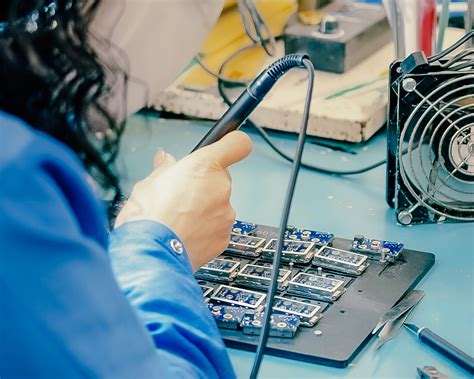
Welcome to the exciting world of modern electronic board manufacturing! The evolution of this industry has been nothing short of groundbreaking, with continuous advancements revolutionizing how printed circuit boards (PCBs) are produced. In today’s PCB manufacturing landscape, cutting-edge technologies and innovative methods are at the forefront, driving improvements in efficiency and quality.
PCB manufacturing companies are increasingly adopting advanced fabrication processes to stay ahead in a competitive market. Automation and smart factories play a crucial role in enhancing production capabilities, reducing lead times, and minimizing human error. By integrating these innovative techniques, businesses can significantly lower pcb manufacturing cost, making the industry more accessible and sustainable.
The importance of precision cannot be overstated in this field. High-precision tools and rigorous testing procedures ensure that each board meets stringent quality standards, which is paramount for their performance in end-user applications. Additionally, the shift towards eco-friendly practices is gaining momentum, with manufacturers exploring sustainable materials and processes to reduce the environmental impact of production.
“Modern electronic board manufacturing is an intricate blend of technology and precision, setting new benchmarks for quality and efficiency.”
To better understand these advancements, consider exploring [URL=https://www.andwinpcba.com] for more information on how cutting-edge techniques are transforming PCBs.
| Key Innovations | Benefits |
|---|---|
| Automation | Reduced lead times |
| Smart factories | Enhanced efficiency |
| High-precision tools | Superior quality |
| Sustainable practices | Lower environmental impact |
By staying informed about these breakthroughs, you can appreciate how pcb manufacturing businesses are shaping the future of electronics.
Technological Innovations in PCB Fabrication Processes
In the realm of PCB manufacturing, technological advancements are ushering in a new era of precision and efficiency. Innovations such as laser direct imaging (LDI) and 3D printing are redefining the way PCB manufacturing companies approach the design and fabrication process. By utilizing LDI, you can achieve unprecedented levels of accuracy, as this technology allows for the direct transfer of an image onto the board, reducing alignment errors and enhancing detail resolution. Meanwhile, 3D printing has opened up opportunities for rapid prototyping, enabling faster iteration cycles and reducing PCB manufacturing cost significantly.
Another significant breakthrough is the use of advanced materials like polyimide and high-frequency laminates, which offer superior thermal stability and electrical performance. These materials are critical for developing boards required in high-speed computing and communication devices. Moreover, automation in assembly lines through smart factories enables real-time monitoring and adjustments, greatly enhancing production efficiency. As a PCB manufacturing business, leveraging these cutting-edge technologies not only ensures you stay competitive but also meets the ever-evolving demands for higher performance and reliability in electronic devices.
Among these innovations, precision testing tools such as Automated Optical Inspection (AOI) systems have become indispensable. AOI provides you with an automated means to detect defects early in the production process, ensuring that each board meets strict quality standards before reaching the market. Consequently, these advancements collectively set new benchmarks for quality and operational excellence in PCB fabrication.
Enhancing Efficiency with Automation and Smart Factories
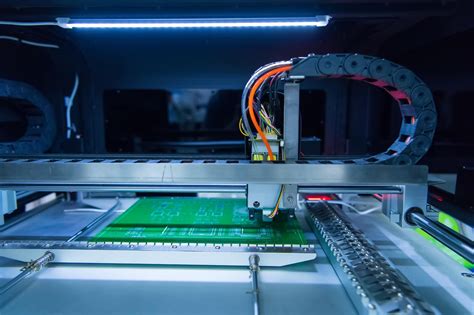
In the rapidly evolving landscape of PCB manufacturing, automation and the advent of smart factories are redefining how PCB manufacturing companies operate. Leveraging robotics, machine learning, and interconnected systems, factories are able to streamline production processes, significantly reduce PCB manufacturing cost, and improve overall operational efficiency. Automated systems ensure precision in every step, from design to assembly, minimizing human error and increasing throughput. Moreover, smart factories utilize data analytics to monitor performance in real-time, enabling quicker adjustments and predictive maintenance. This transformation not only enhances productivity but also ensures the delivery of high-quality products consistently. For those in the PCB manufacturing business, adopting these advanced technologies is essential to stay competitive and meet growing market demands. Integrating automation into your operations can lead to substantial long-term benefits by optimizing resource use, reducing waste, and shortening production cycles.
Achieving Superior Quality: Precision and Testing
In PCB manufacturing, achieving superior quality hinges on precision and rigorous testing processes. Precision is the cornerstone of manufacturing as it ensures that the intricate designs of printed circuit boards are flawlessly executed. PCB manufacturing companies invest heavily in advanced machinery and software that enable microscale accuracy, significantly reducing errors that could escalate PCB manufacturing costs. Furthermore, cutting-edge testing methods are vital for identifying and rectifying defects early in the production cycle. Techniques such as Automated Optical Inspection (AOI), X-ray inspection, and functional testing play a critical role in maintaining high standards of quality. Through these methodologies, manufacturers can promise durable and reliable PCBs, establishing themselves as leaders in the increasingly competitive PCB manufacturing business. By prioritizing precision and comprehensive testing, firms can not only enhance product quality but also drive down waste and rework rates, contributing to a more efficient production environment.
Eco-Friendly Practices in PCB Manufacturing
In the realm of PCB manufacturing, eco-friendly practices are swiftly gaining traction as both industries and consumers become more environmentally conscious. PCB manufacturing companies are increasingly adopting green methods to minimize the environmental impact associated with the production processes. These innovative techniques not only aim at reducing waste but also at curbing PCB manufacturing cost by leveraging energy-efficient technologies.
One notable advancement is the utilization of halogen-free laminates, which are designed to decrease harmful emissions during both manufacturing and disposal stages. Additionally, water-based soldering fluxes have emerged as a sustainable alternative to traditional solvents, significantly reducing toxic chemical use. Implementing closed-loop water systems also plays a crucial role by recycling water within the PCB manufacturing business, thereby conserving this precious resource.
Moreover, companies are embracing lead-free solder materials, which mitigate the environmental and health risks posed by lead-based solders. Investing in renewable energy sources such as solar or wind power for factory operations further underscores the commitment to eco-friendly manufacturing.
These eco-conscious approaches are not only setting new standards in the industry but also bolstering corporate reputations. Integrating such green innovations ensures that PCB manufacturing companies align with global sustainability goals while maintaining competitive advantages in an increasingly eco-aware market.
The Role of Advanced Materials and Components
In the realm of PCB manufacturing, the use of advanced materials and components is paramount in pushing the boundaries of what’s possible. Modern pcb manufacturing companies are incorporating cutting-edge substrates, conductive materials, and innovative components to enhance the performance and reliability of printed circuit boards. These advancements are not only delivering better thermal management and increased miniaturization but also significantly reducing pcb manufacturing cost over time. By utilizing high-performance ceramics, flexible materials, and advanced composites, you can achieve superior electrical performance and durability in your products. Understanding the impact of these materials on your pcb manufacturing business is critical for staying competitive in an ever-evolving market. These enhanced materials contribute to more efficient signal transmission and robust mechanical properties, vital for applications ranging from consumer electronics to aerospace systems. Emphasizing precision and quality, these innovations are indispensable in setting new industry standards and ensuring top-tier end products.
Case Studies: Revolutionary PCB Projects
In recent years, several pcb manufacturing companies have undertaken groundbreaking projects that exemplify the power of modern pcb manufacturing techniques. One notable example is a leading tech firm that drastically reduced pcb manufacturing cost by integrating automated production lines with AI-driven quality control systems. This not only minimized human error but also accelerated the turnaround time, setting a new benchmark in the pcb manufacturing business. Another impressive project involved a startup utilizing advanced materials such as flexible polymers to create lightweight and highly durable PCBs. These developments have made it possible to embed complex electronic functions into wearable devices, revolutionizing sectors like healthcare and fitness. Furthermore, an established manufacturer showcased an eco-friendly approach by incorporating recyclable materials and reducing waste during production. This commitment to sustainability is becoming increasingly important as companies strive to meet new environmental standards. Each of these projects highlights how innovation in pcb manufacturing is enabling businesses to achieve unprecedented levels of efficiency, quality, and sustainability.
Future Trends in Electronic Board Manufacturing
As you look towards the future of PCB manufacturing, you can expect several transformative trends to shape the industry. One of the key innovations is the integration of smart manufacturing technologies which leverage data analytics and IoT sensors to optimize production lines. This means PCB manufacturing companies can achieve higher efficiencies and pinpoint areas for improvement in real-time.
Advanced materials are also revolutionizing the landscape. For instance, flexible and lightweight substrates are becoming more prevalent, allowing for more diverse applications and innovative product designs. With these new materials, the PCB manufacturing cost can be more controlled while maintaining high performance.
Another significant trend is the push towards eco-friendly practices. As environmental concerns take center stage, companies are investing in sustainable manufacturing processes that reduce waste and energy consumption. This not only boosts their eco-credentials but also appeals to a growing segment of environmentally-conscious consumers.
Additionally, the rise of additive manufacturing, or 3D printing, is set to further disrupt traditional methods. This technology allows for rapid prototyping and custom designs with minimal waste, giving PCB manufacturing business a competitive edge.
By embracing these trends, you can stay at the forefront of a rapidly evolving industry, ensuring your productions are not only efficient but also sustainable and innovative.
Conclusion
In conclusion, the landscape of PCB manufacturing is ever-evolving, with numerous technological advancements and innovations leading the charge. By integrating cutting-edge techniques such as automation and smart factories, PCB manufacturing companies are significantly enhancing production efficiency and quality assurance. The introduction of precision testing methods ensures that each board meets the highest standards, while eco-friendly practices address sustainability concerns. Furthermore, the use of advanced materials and components is paving the way for more robust and reliable electronic boards. As these innovations continue to unfold, they are not only shaping the future of the PCB manufacturing business but also setting new benchmarks for what is possible in electronics production. Staying abreast of these developments can help you navigate the complexities of PCB manufacturing costs and optimize your production processes for the best outcomes.
FAQs
PCB manufacturing is often accompanied by numerous queries from both industry professionals and consumers. Here are some of the most frequently asked questions:
What is PCB manufacturing?
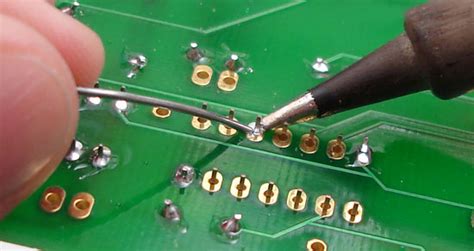
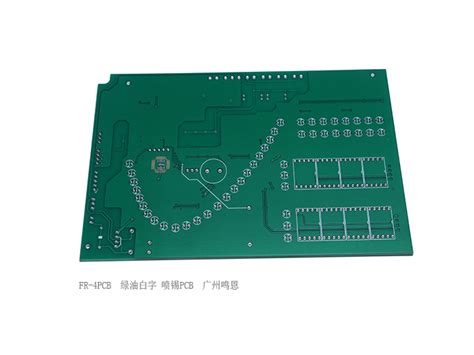
PCB manufacturing involves the process of producing printed circuit boards, which serve as the foundation for most electronic devices. This includes designing, fabricating, and assembling components on the board to create a functioning circuit.How do PCB manufacturing companies ensure high quality?
Quality is paramount in PCB manufacturing, so companies employ rigorous testing and inspection methods, such as Automated Optical Inspection (AOI) and X-ray inspection, to detect defects. Additionally, adherence to industry standards like IPC ensures that PCBs meet strict quality criteria.What impacts PCB manufacturing cost?
Several factors influence PCB manufacturing cost, including the complexity of the design, number of layers, materials used, and volume of production. Custom features and high-reliability requirements can also add to the overall cost.How can I start a PCB manufacturing business?
Starting a PCB manufacturing business requires substantial investment in equipment and technology. It’s important to conduct thorough market research, understand industry standards, and develop strong relationships with suppliers and customers.
For more detailed insights into PCB production techniques and business strategies, please visit Andwin’s PCB Manufacturing Information.